
Trees With Red Berries: 17 Trees to Identify and Grow
17 trees with red berries, from rowan and holly to strawberry tree and yew: how to identify them, which are poisonous and which suit small gardens.
By Magda Callery, interior designer and florist
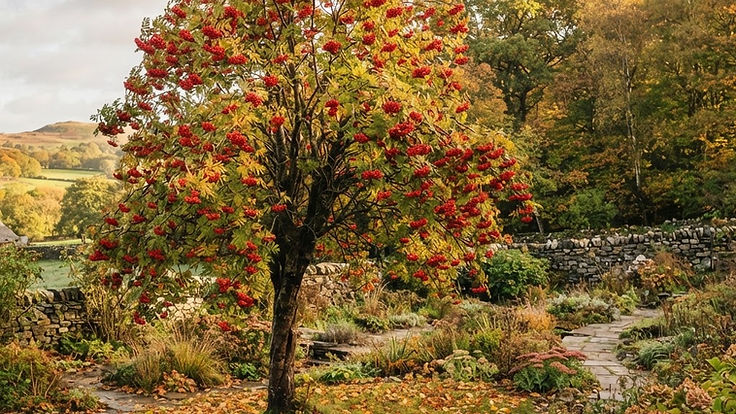
Few sights brighten an autumn or winter garden like a tree covered in red berries. They bring colour when flowers have faded, they feed birds through the coldest months, and branches of berries make beautiful seasonal decorations. But red berries also raise a question: which tree is it, and are the berries safe?
In this guide I'll explain how to identify the most common trees with red berries in the UK and North America, when they fruit, which are best for small gardens and wildlife, which berries are poisonous, and how to make sure your tree actually produces berries.
Important: never eat berries from a tree unless you're completely sure what it is and that it's safe. Several common trees with red berries are poisonous, and some are dangerous to children and pets.
Quick Guide to Trees With Red Berries
| Tree | Leaves | Berries | When | Evergreen? | Safe to eat? |
|---|---|---|---|---|---|
| Rowan (mountain ash) | Feathery, divided leaflets | Clusters of scarlet berries | Late summer to autumn | No | Not raw; used cooked in jelly |
| American mountain ash | Divided leaflets | Clusters of orange-red berries | Autumn | No | Not raw |
| Holly | Glossy, often spiny | Bright red berries on female trees | Autumn to winter | Yes | No, poisonous |
| American holly | Spiny, duller green | Red berries on female trees | Autumn to winter | Yes | No, poisonous |
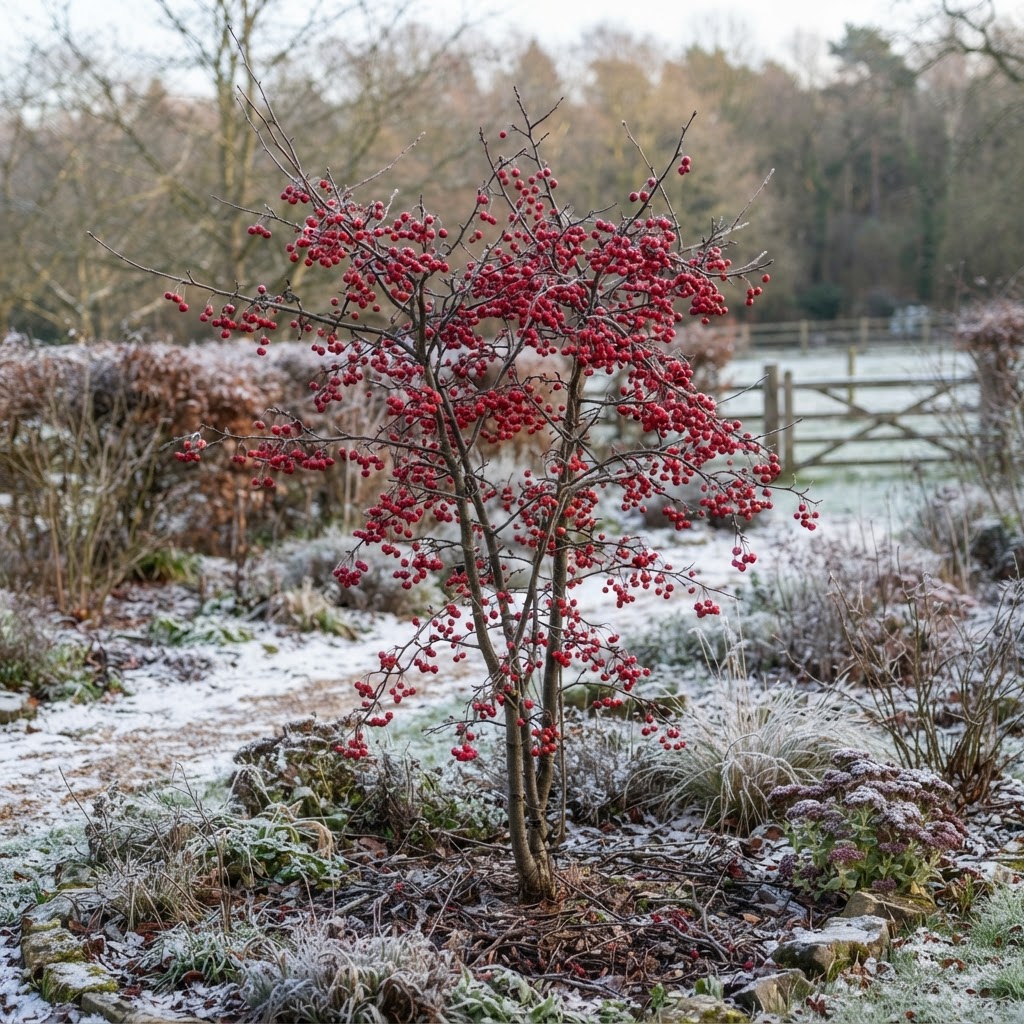
| Winterberry | Simple, deciduous | Masses of red berries on bare stems | Late autumn to winter | No | No |
| Possumhaw | Simple, deciduous | Red or orange-red berries | Autumn to winter | No | No |
| Hawthorn | Lobed, small | Dark red haws | Autumn | No | Cooked in small amounts; avoid seeds |
| Washington hawthorn | Lobed | Glossy red fruit | Autumn to winter | No | Avoid seeds |
| Crabapple | Simple, toothed | Small red apples | Autumn to winter | No | Sour; cook; avoid seeds |
| Strawberry tree | Glossy, evergreen | Round, bumpy red fruit | Autumn | Yes | Edible but bland |
| Kousa dogwood | Oval, veined | Raspberry-like red fruit | Late summer | No | Edible |
| Tree cotoneaster | Lance-shaped, semi-evergreen | Heavy clusters of red berries | Autumn to winter | Partly | No |
| Yew | Flat dark needles | Red fleshy cups around seeds | Autumn | Yes | No, highly poisonous |
| Guelder rose | Maple-like lobes | Translucent red berries | Autumn | No | Not raw |
| Spindle | Oval | Pink-red fruit with orange seeds | Autumn | No | No, poisonous |
| Toyon | Leathery, toothed | Clusters of red berries | Winter | Yes | Not raw |
| Red elder | Divided leaflets | Clusters of small red berries | Summer | No | No, toxic raw |
17 Trees With Red Berries
Rowans and mountain ash
1. Rowan (Sorbus aucuparia). Rowan is one of the most beautiful native trees in the UK, with feathery leaves, white spring flowers and heavy clusters of berries. According to the Woodland Trust, the rowan "has scarlet berries in the autumn," mature trees can grow to 15 metres, and the berries "are a rich source of autumn food for birds." It's also known as mountain ash, although it isn't related to true ash trees. It's a lovely, compact tree for gardens.
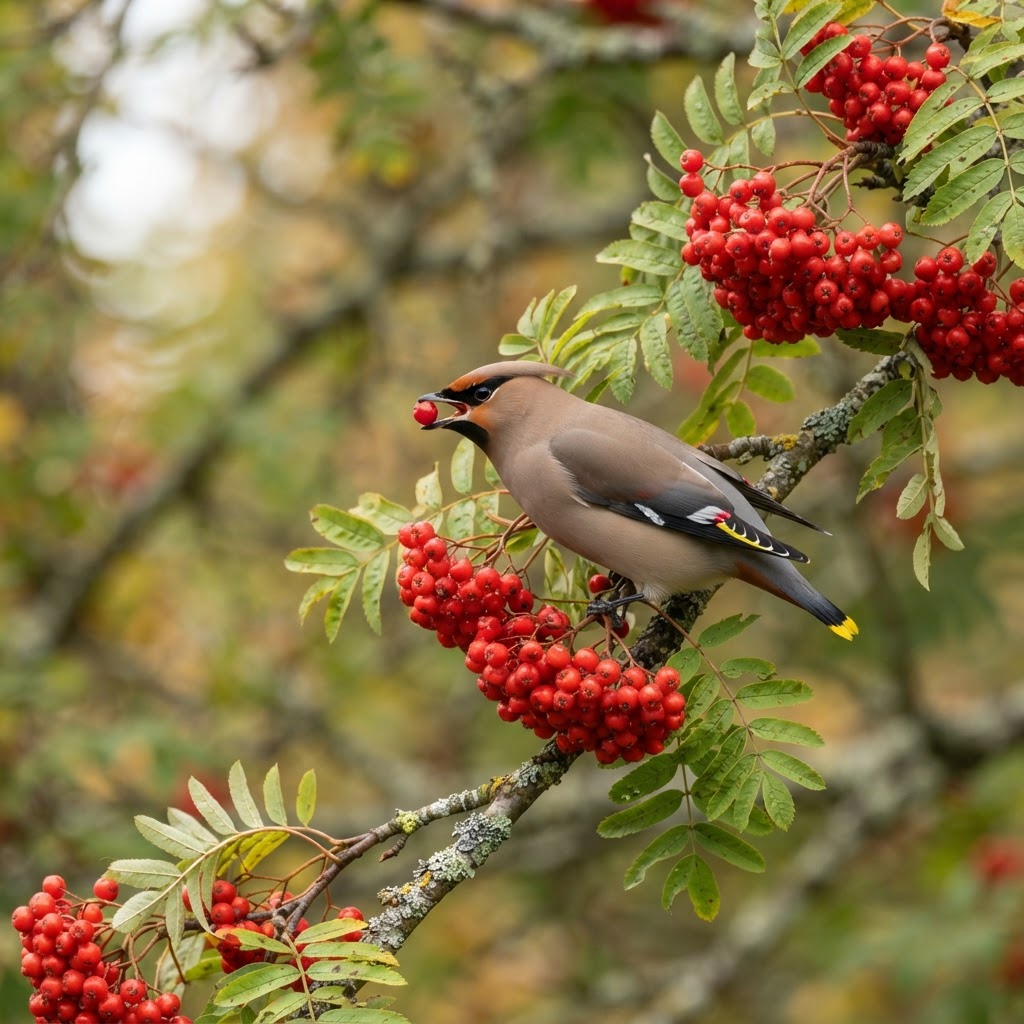
2. American mountain ash (Sorbus americana). The North American cousin of rowan has similar divided leaves and clusters of orange-red berries in autumn. It's native to the cooler north-east of the continent and is popular with birds.
Hollies
3. Holly (Ilex aquifolium). Holly's glossy, spiny evergreen leaves and bright red winter berries make it a symbol of Christmas. Only female trees produce berries, and they need a male holly nearby to pollinate them. Holly berries are poisonous to people and pets.
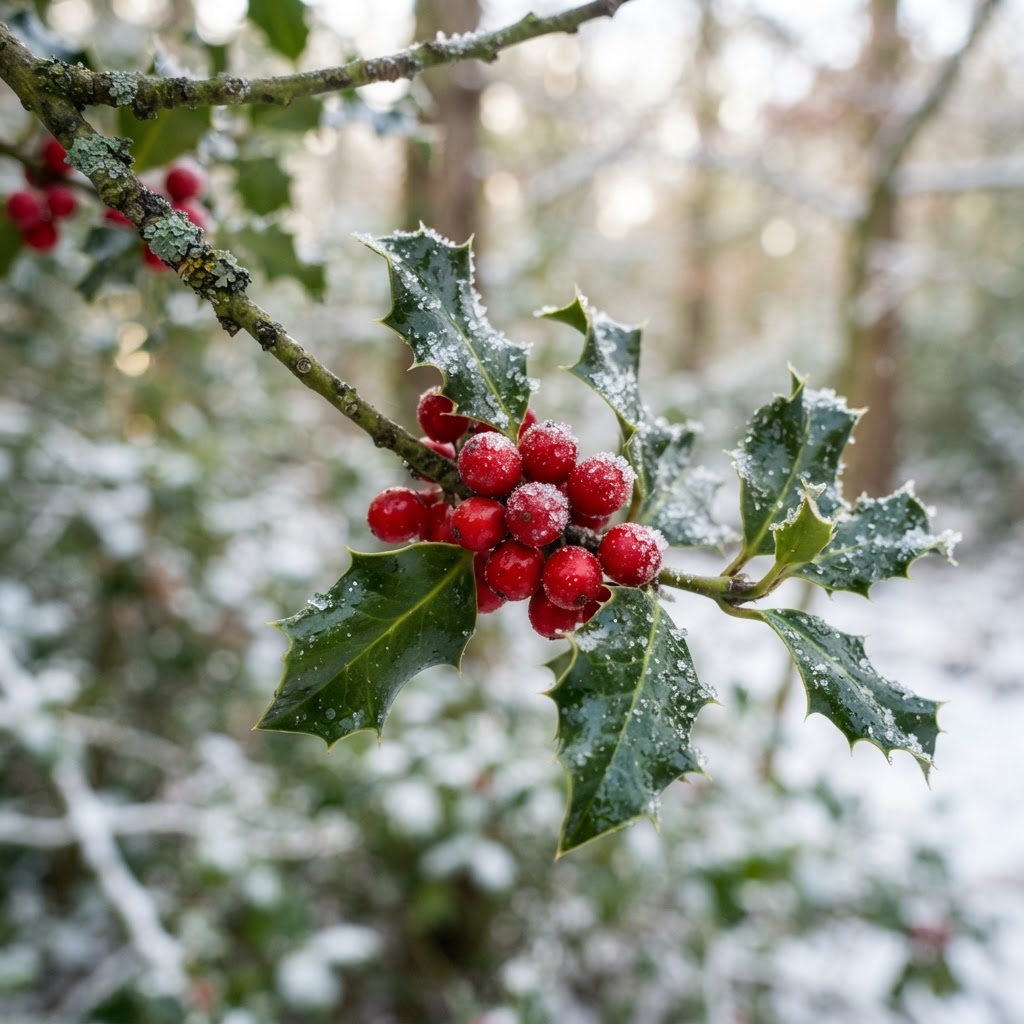
4. American holly (Ilex opaca). Native to the eastern United States, American holly has duller, spiny leaves and red berries on female trees. It grows into a handsome, pyramid-shaped evergreen.
5. Winterberry (Ilex verticillata). This deciduous holly drops its leaves in autumn, leaving bare stems completely covered in red berries. It's usually grown as a large shrub, and it's spectacular in winter.
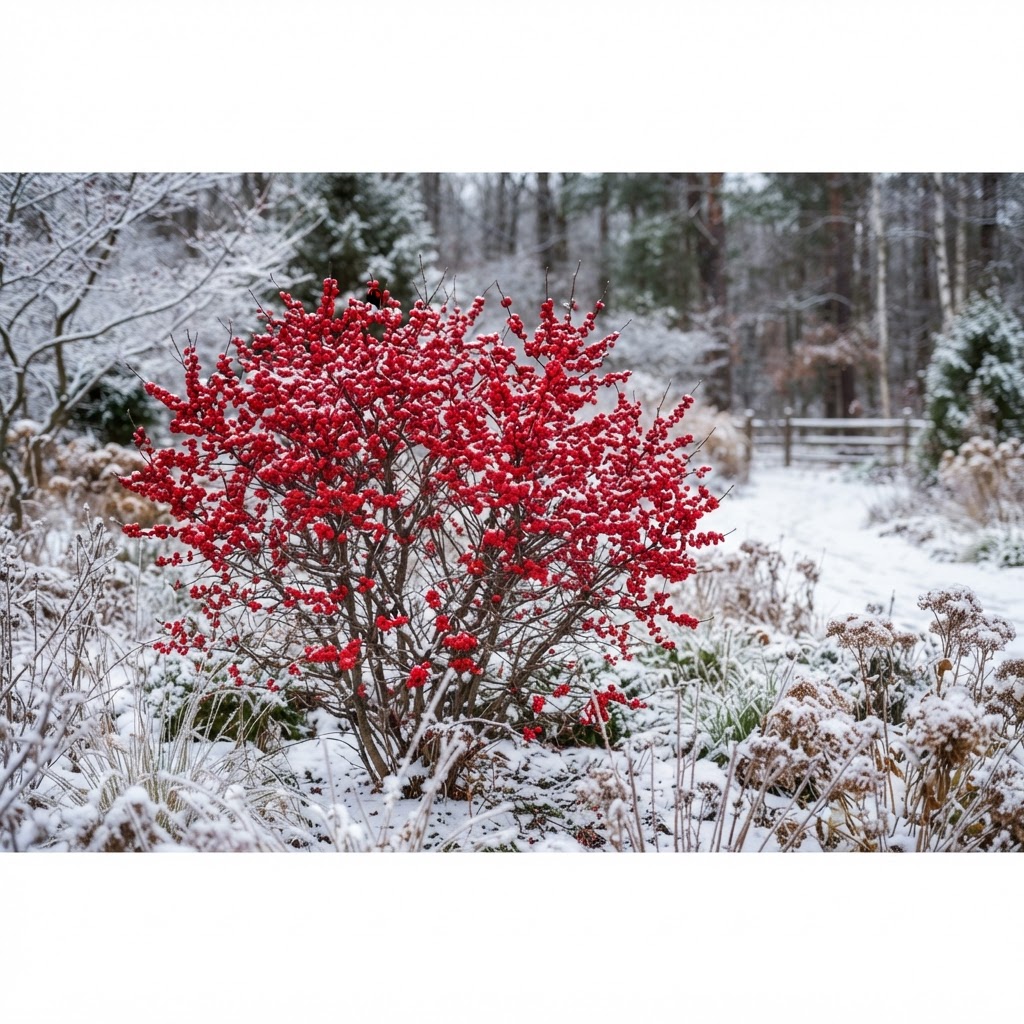
6. Possumhaw (Ilex decidua). Another deciduous holly from the southern and central United States, possumhaw is a small tree that keeps its red or orange-red berries well into winter.
Hawthorns and crabapples
7. Hawthorn (Crataegus monogyna). Hawthorn is a familiar hedgerow tree, covered in white blossom in May and dark red berries, called haws, in autumn. It's superb for wildlife and makes a dense, protective hedge; it's a natural alternative to garden fence ideas if you have space.
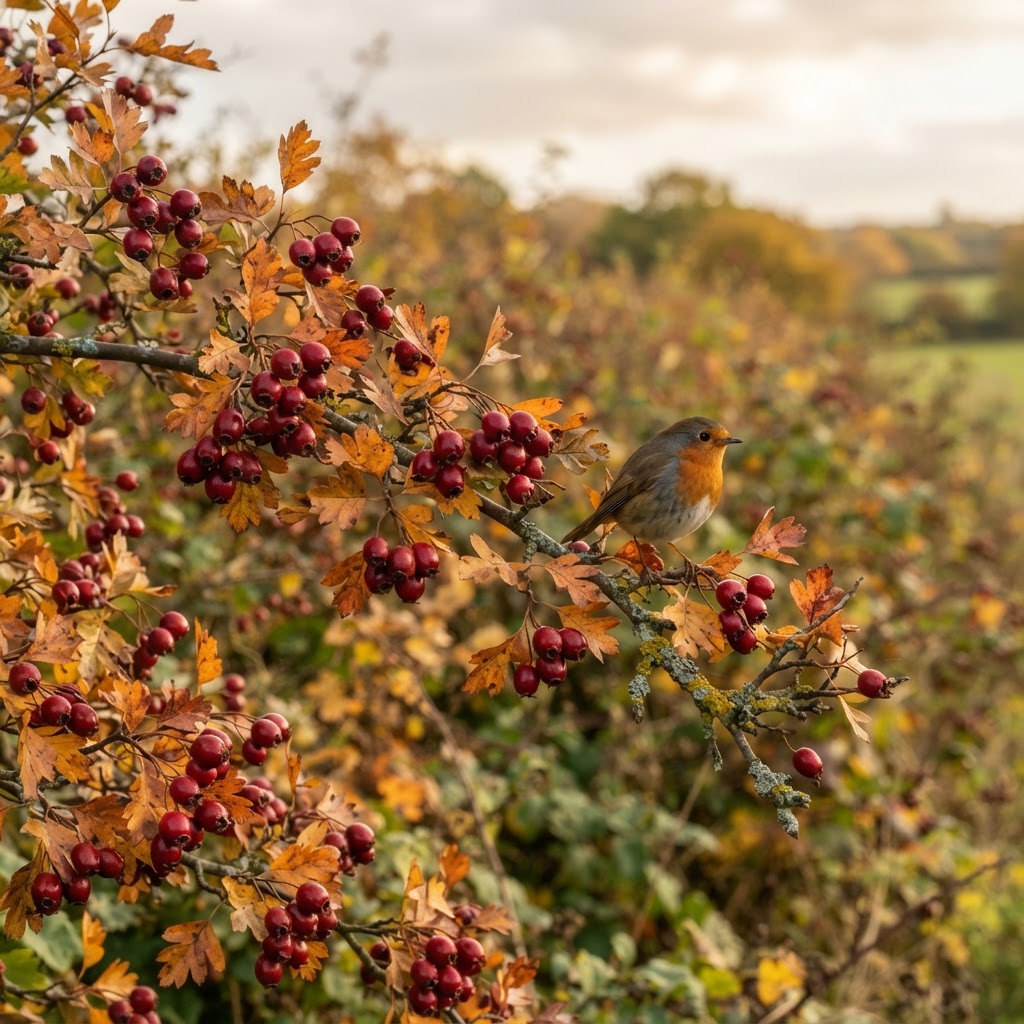
8. Washington hawthorn (Crataegus phaenopyrum). A North American hawthorn with glossy red fruit that lasts into winter, white flowers and good autumn colour.
9. Crabapple (Malus). Many ornamental crabapples carry small, bright red fruit that hangs on the branches into winter after the leaves have fallen. They're compact, flowering trees that are ideal for small gardens.
Evergreens with red fruit
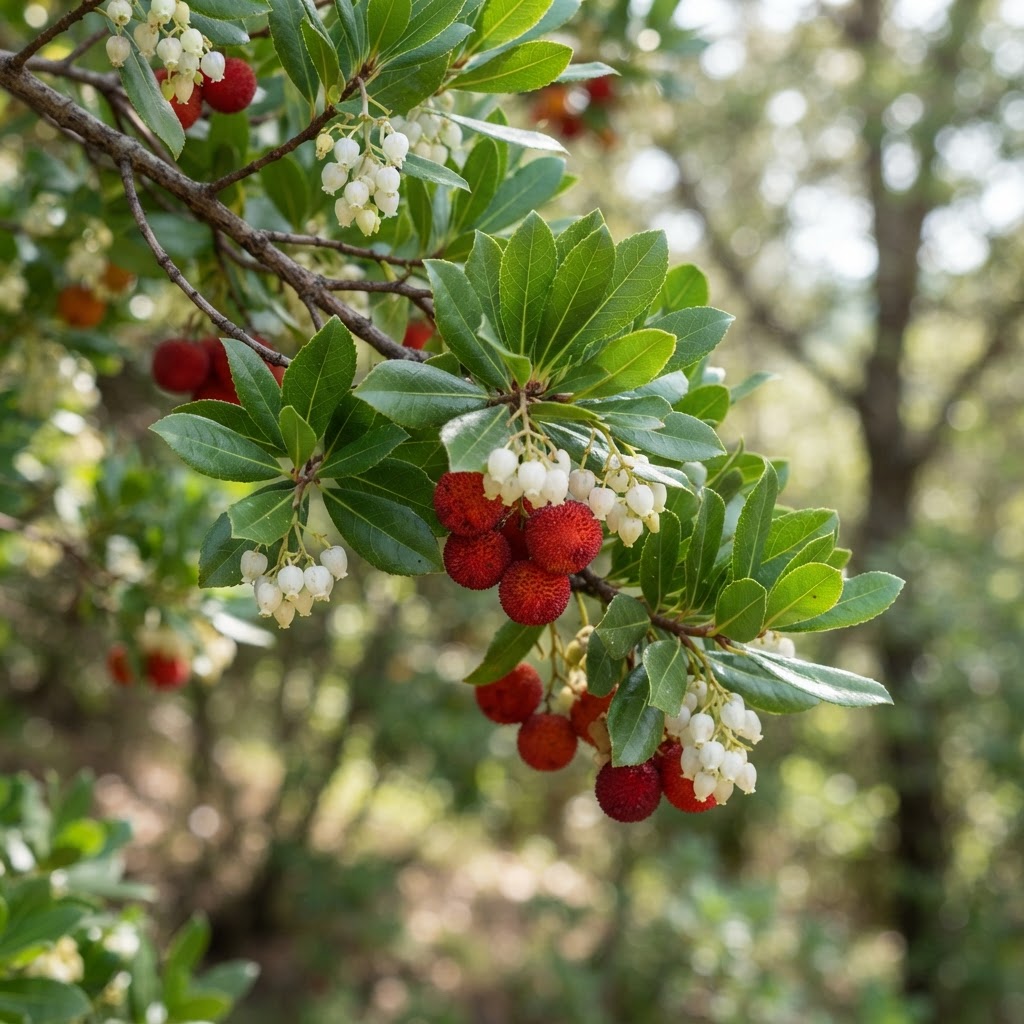
10. Strawberry tree (Arbutus unedo). This evergreen has glossy leaves, peeling reddish bark and round, bumpy red fruits that look like strawberries. Unusually, it flowers and fruits at the same time in autumn. The fruit is edible but rather bland, and the species name unedo is often said to mean "I eat only one."
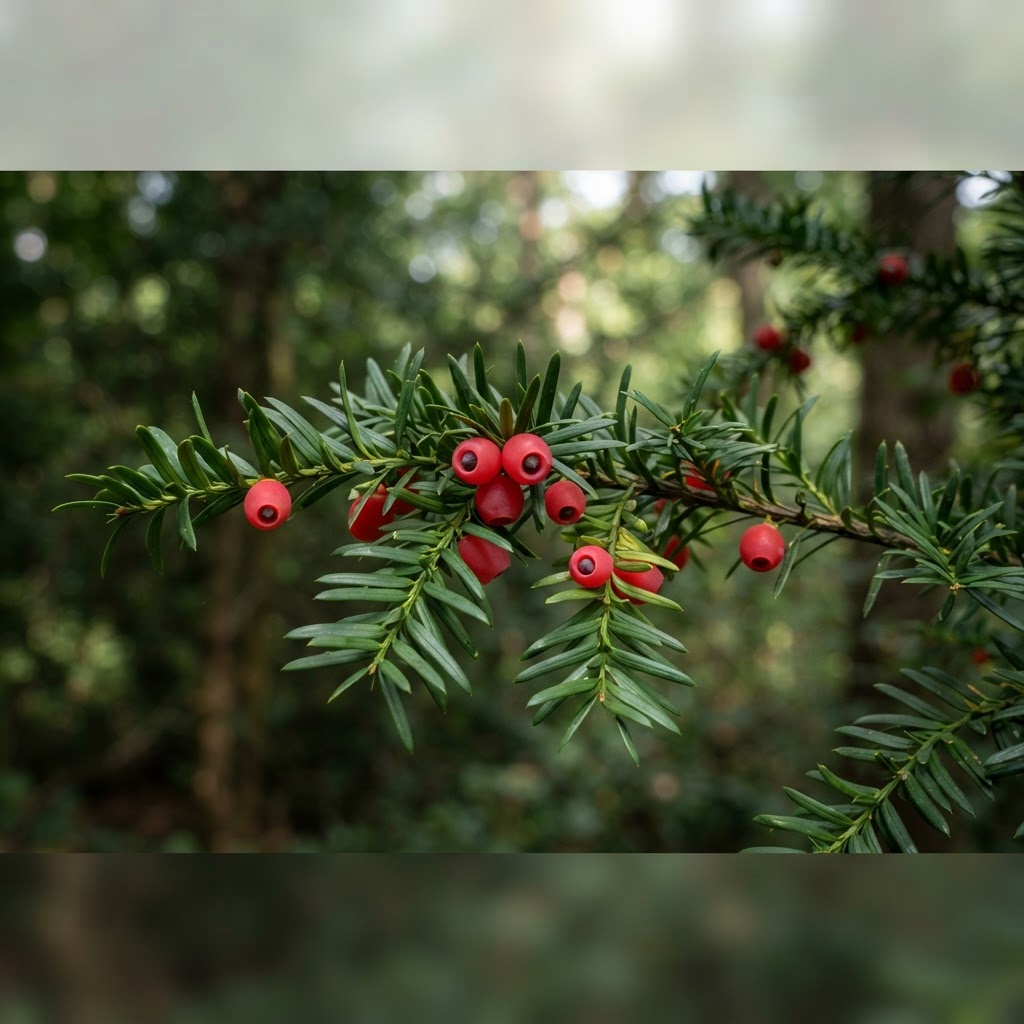
11. Yew (Taxus baccata). Yew has flat, dark green needles and red, fleshy cups around its seeds. It's a long-lived, classic hedging and topiary tree, but it's dangerous. NC State Extension's plant profile warns that "the plant is highly poisonous and can be fatal to humans, domestic animals, and livestock." Keep children and animals away from the berries and foliage.
12. Toyon (Heteromeles arbutifolia). Also called Christmas berry or California holly, toyon is an evergreen native to California with clusters of bright red berries in winter.
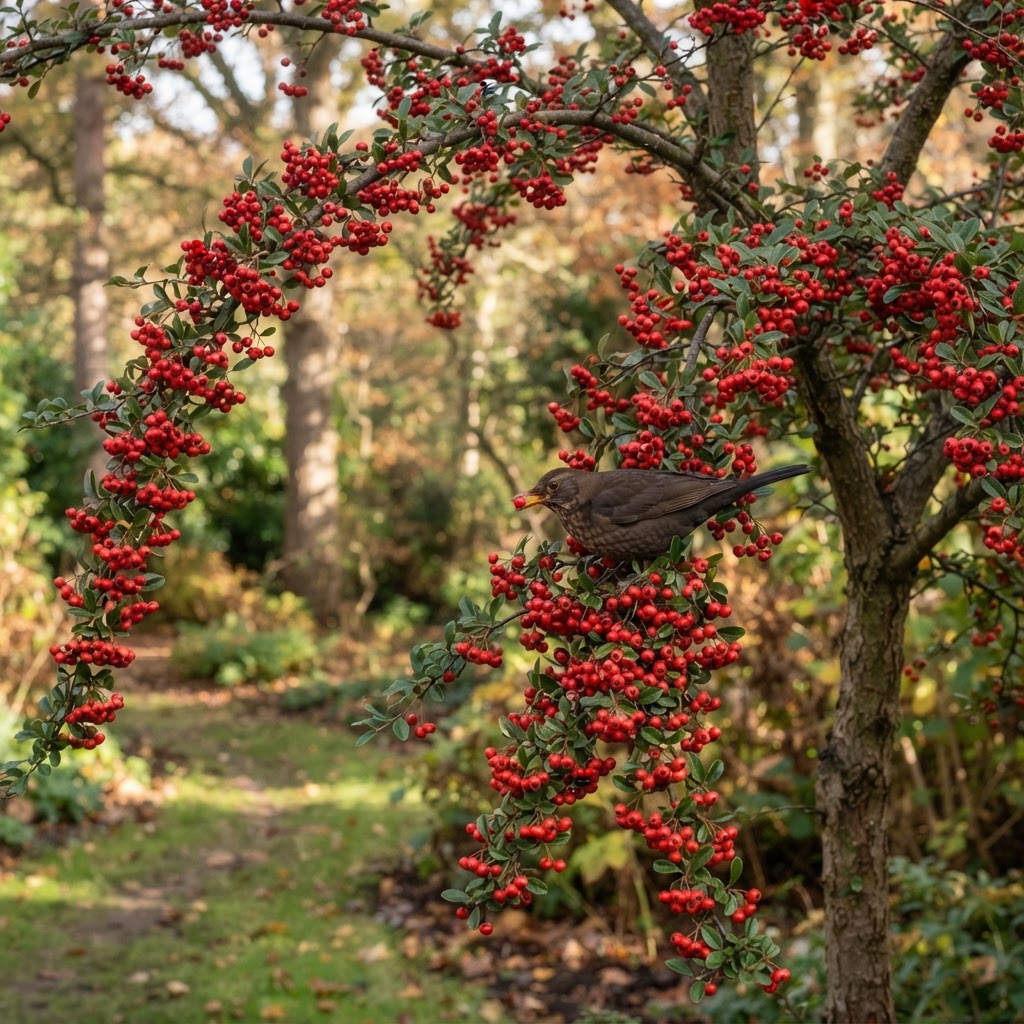
13. Tree cotoneaster (Cotoneaster 'Cornubia'). A large, semi-evergreen shrub or small tree with arching branches and heavy clusters of red berries that birds love.
Other trees and shrubs with red berries
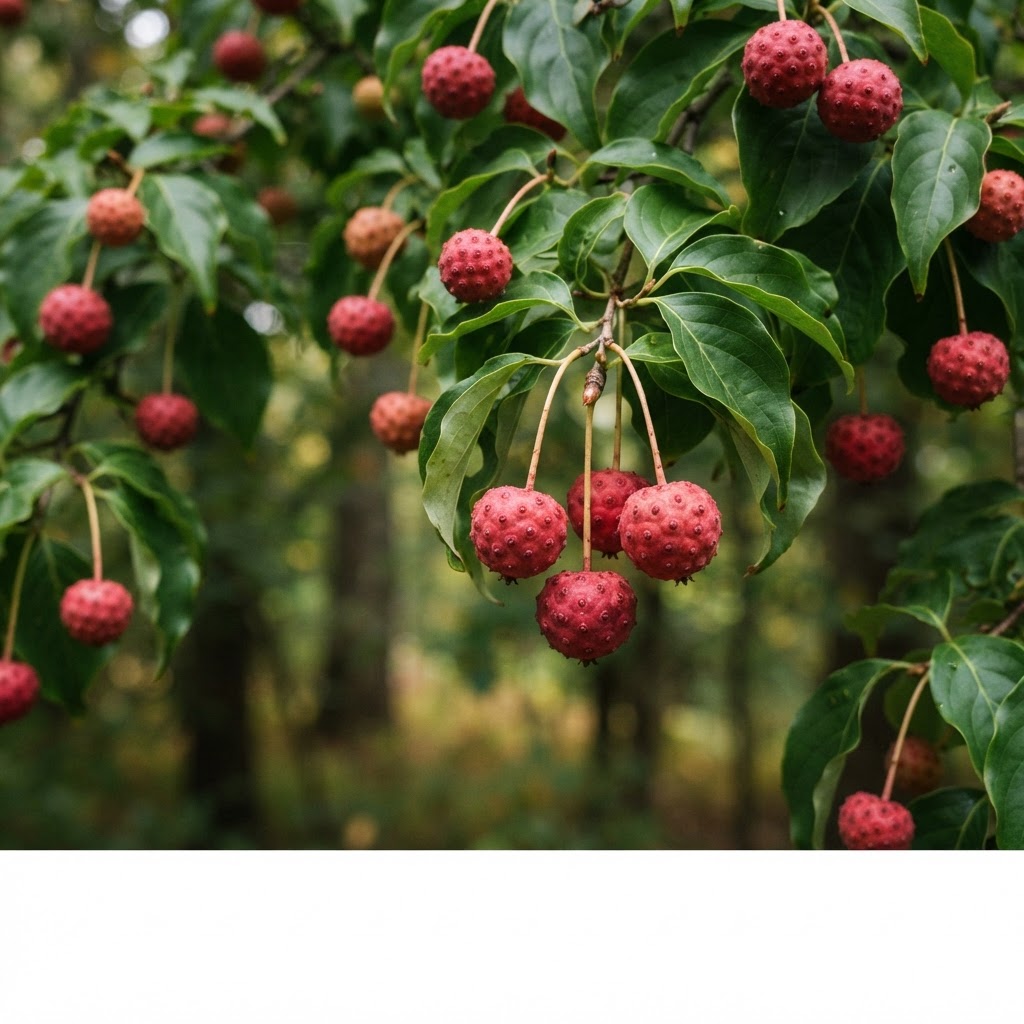
14. Kousa dogwood (Cornus kousa). Kousa dogwood has beautiful white flower bracts in early summer, followed by round, raspberry-like red fruits. It also has excellent autumn colour.
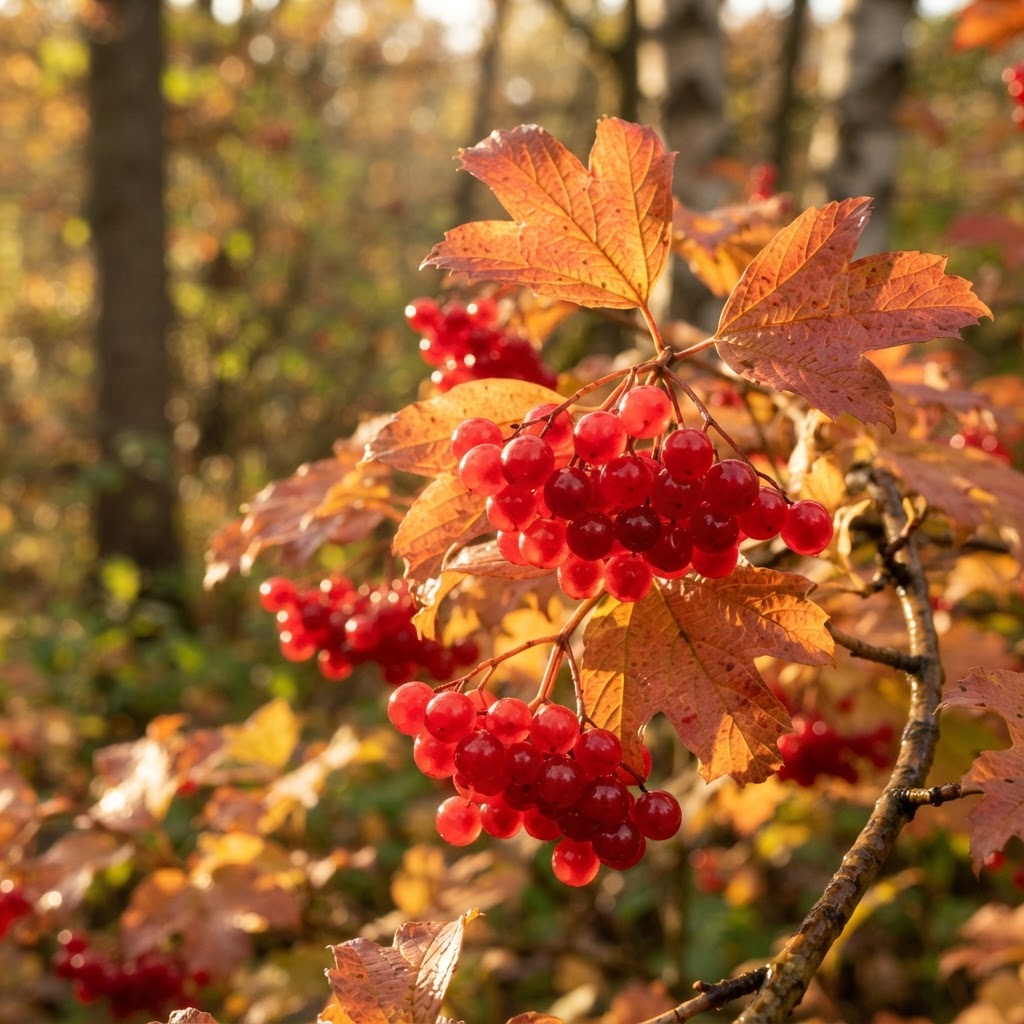
15. Guelder rose (Viburnum opulus). A large shrub or small tree with maple-like leaves, white lacecap flowers and translucent red berries that glow in the autumn sun.
16. Spindle (Euonymus europaeus). Spindle's unusual pink-red fruits split open to reveal bright orange seeds. They're beautiful, but poisonous.
17. Red elder (Sambucus racemosa). Red elder produces clusters of small red berries in summer. Raw berries are toxic, so admire them rather than pick them.
How to Identify a Tree With Red Berries
- Look at the leaves. Spiny and glossy suggests holly; feathery and divided suggests rowan; flat needles suggest yew; lobed suggests hawthorn.
- Check whether it's evergreen. Holly, yew, strawberry tree and toyon keep their leaves; rowan, hawthorn, crabapple and winterberry lose them.
- Look at how the berries grow. Big flat clusters suggest rowan or cotoneaster; single berries suggest holly; fleshy cups suggest yew.
- Note the season. Red elder fruits in summer; rowan in late summer and autumn; holly and winterberry in winter.
- Use more than one feature. Never identify a tree from berries alone.
Best Trees With Red Berries for Small Gardens
| Tree | Why it's good |
|---|---|
| Rowan | Compact, light canopy, flowers, berries and autumn colour |
| Crabapple | Blossom, fruit and a small size |
| Holly | Evergreen structure, can be clipped |
| Strawberry tree | Evergreen, flowers and fruit together |
| Kousa dogwood | Flowers, fruit and autumn colour |
Best Trees for Birds and Wildlife
Rowan, hawthorn, holly, cotoneaster, crabapple and guelder rose are all excellent for birds. Thrushes, blackbirds, waxwings and robins feed on red berries through autumn and winter. Hawthorn and rowan flowers also feed bees and other pollinators in spring.
Why Doesn't My Holly Have Berries?
The most common reason is that the tree is male. As the New York Botanical Garden explains, hollies "are dioecious, meaning that they produce male and female flowers on different plants." Only female hollies produce berries, and they need a male holly nearby to pollinate them. If you're planting holly for berries, buy a named female variety and make sure there's a male within reach.
Decorating With Red Berries
Branches of holly, rowan, crabapple and winterberry look beautiful in autumn and winter arrangements, and they're a classic ingredient in fresh Christmas wreaths. They also suit seasonal displays inside, alongside other autumn decoration ideas such as pumpkins, dried grasses and candles. Remember that many berries are poisonous, so keep arrangements out of reach of children and pets, and wash your hands after handling them.
Frequently Asked Questions
What tree has small red berries in winter?
Holly, winterberry, possumhaw, crabapple, tree cotoneaster and toyon all hold red berries into winter.
What is the tree with clusters of red berries in autumn?
It's most likely a rowan (mountain ash), a cotoneaster or a guelder rose. Rowan has feathery, divided leaves; cotoneaster has small, lance-shaped leaves.
Are red berries on trees poisonous?
Some are and some aren't. Holly, yew, spindle and red elder berries are poisonous. Never eat berries unless you're certain what they are.
Which evergreen tree has red berries?
Holly, yew, strawberry tree and toyon are all evergreens with red berries or fruit.
Are rowan berries edible?
Not raw, as they can upset the stomach. Rowan berries are traditionally cooked and made into jelly.
Why does my holly tree have no berries?
It's probably a male tree, or a female without a male holly nearby to pollinate it.
What is the best tree with red berries for birds?
Rowan, hawthorn and holly are three of the best, along with cotoneaster and crabapple.
A Burst of Colour for Autumn and Winter
Trees with red berries bring colour, wildlife and seasonal charm to a garden when most plants are fading. Choose a tree that suits your space and climate, plant a male and female holly if you want berries, and always treat unfamiliar berries with caution.
And if you'd like help planning a garden or outdoor space that works with your home, you can book a one-hour online interior design consultation with me.
About the author
Magda Callery is a UK interior designer and florist with more than 15 years' experience designing homes, pubs, restaurants and bars, and her expert commentary has featured in Homes & Gardens, The Mirror and The Spruce. Explore more of the flowers & garden articles.
Continue reading


Pool Designs for Small Backyards: 21 Smart Ideas
21 pool designs for small backyards, from plunge pools, cocktail pools and lap pools to spools, container pools and natural swimming ponds, plus what to check first, typical costs, safety rules, planting and the mistakes to avoid.

Tiled Outdoor Dining Table: Ideas and DIY Guide
Tiled outdoor dining table ideas and a step by step DIY guide: the best frost-resistant tiles, base boards, adhesive and grout, how to protect the edges, and how to look after a tiled table through a British winter.

Cosmos Flower: How to Grow Cosmos From Seed
A florist's guide to the cosmos flower: when to sow cosmos seeds in the UK, caring for cosmos seedlings, pinching, staking and deadheading, the best varieties, chocolate cosmos and cutting for the vase.