
Gable Windows: 13 Ideas, Shapes and Design Tips
13 gable window ideas, from glazed A-frames and trapezoid windows to cottage gables, plus gable window shapes, how to dress them and what to think about before installing.
By Magda Callery, interior designer and florist
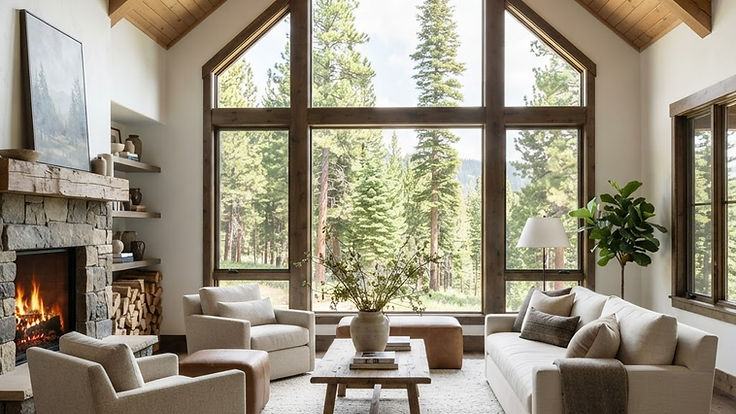
A wall of glass rising to the peak of a vaulted ceiling is one of the most breathtaking features a home can have. Gable windows fill the triangular end of a pitched roof with light, frame the sky and the treetops, and make a room feel taller and more open than any ordinary window could. On a smaller scale, a single window high in the gable of a cottage or farmhouse adds charm and lights the attic.
In this guide I'll share what gable windows are, the main shapes, 13 gable window ideas from A-frame cabins to cottage gables, how to dress them, what to think about before you install them, and the mistakes to avoid.
The quick answer: a gable window is a window set into the gable, the triangular section of wall at the end of a pitched roof. Gable windows come in triangle, trapezoid, pentagon, rectangular and round shapes, and are often combined with tall windows or doors below to create a full wall of glass. They suit vaulted living rooms, A-frame cabins, barn conversions and attic bedrooms. The top angled panes are usually fixed and left bare, while the lower windows can be dressed with blinds or curtains.
What Is a Gable Window?
The gable is the triangular part of an end wall between the two slopes of a pitched roof. A gable window is any window set into that wall. In a house with a vaulted ceiling, the gable windows sit high in the room, following the slope of the roof, while in a house with an attic, a gable window lights the space under the roof.
| Shape | What it looks like | Best for |
|---|---|---|
| Triangle | Follows the full peak of the roof | A-frames, vaulted living rooms |
| Trapezoid | A rectangle with one sloping side | Flanking a central window under the slope |
| Pentagon | A house-shaped window with a pointed top | Single statement windows |
| Rectangle | A simple window set into the gable | Attics, cottages, farmhouses |
| Half-round or round | A curved window high in the gable | Traditional and cottage homes |
| Clerestory | A row of windows following the roof line | Modern homes, extra daylight |
13 Gable Window Ideas
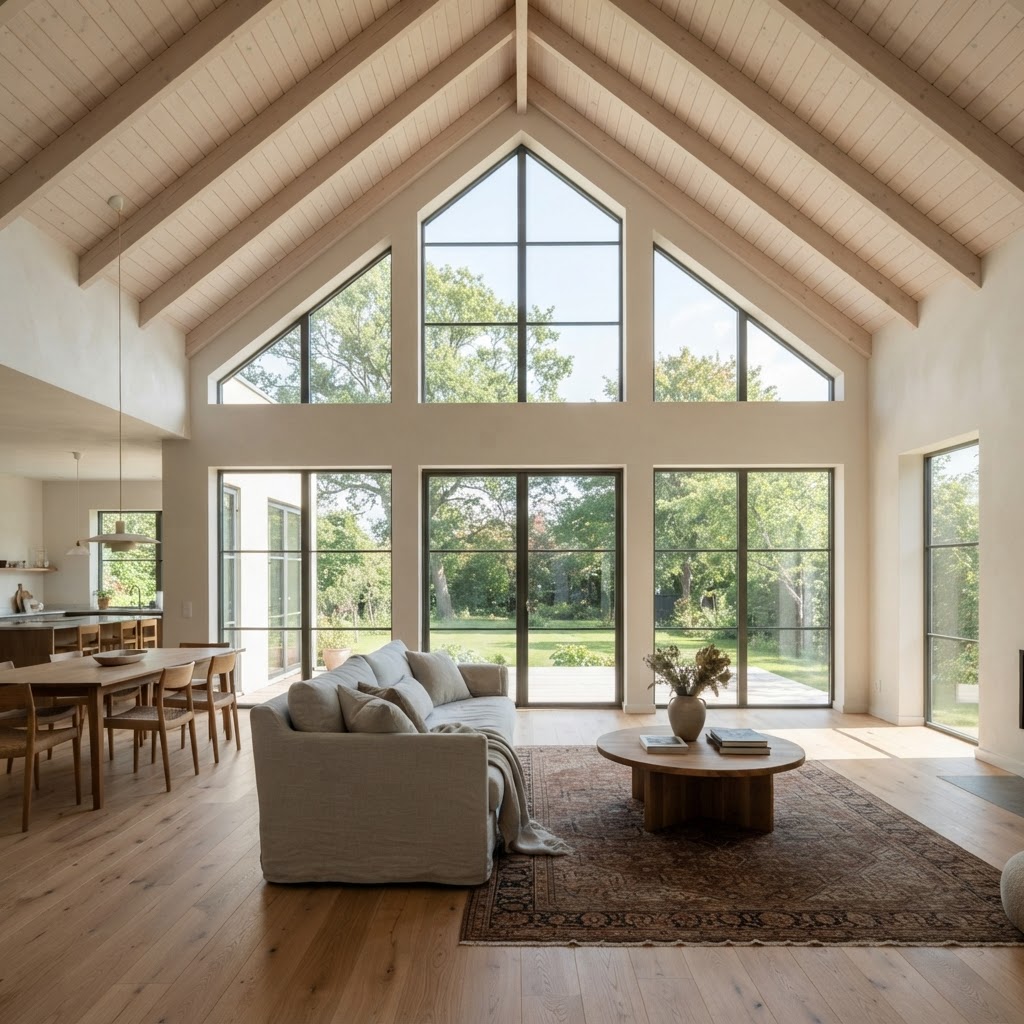
1. A full gable window wall. Glass from floor to ridge in a vaulted living room creates an incredible sense of space and connects the room to the landscape. It's the ultimate feature for a house with a view.
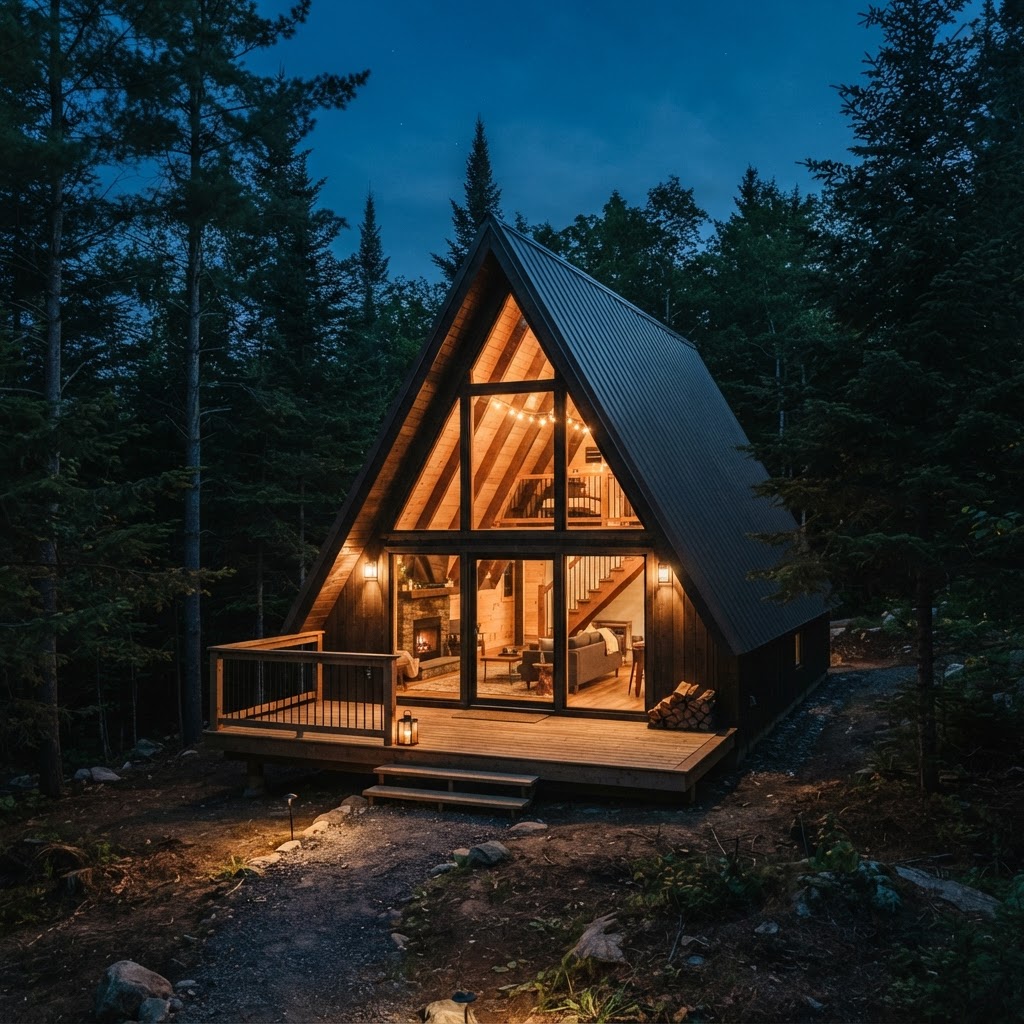
2. A glazed A-frame. In an A-frame cabin, the whole gable end is often glass, so the roof seems to frame the forest or the mountains outside.
3. Trapezoid windows above tall windows. A pair of trapezoid windows under the roof slopes, above a row of tall windows, is one of the most popular ways to fill a gable with light.
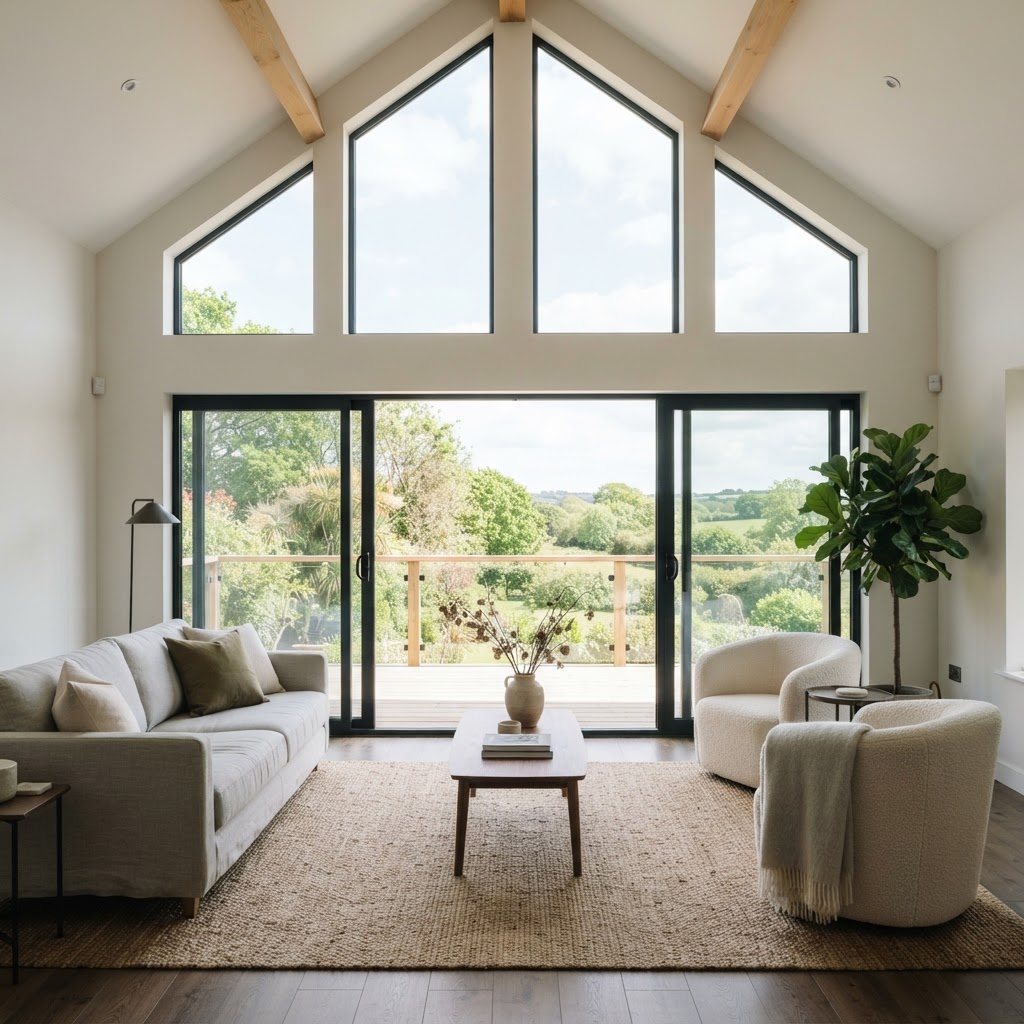
4. Gable windows above sliding doors. Trapezoids or triangles above wide modern sliding doors or folding doors carry the glass right up to the ceiling and make the garden feel part of the room.
5. A half-round window in a cottage gable. A small arched or round window high in the gable gives a cottage a charming, traditional look.
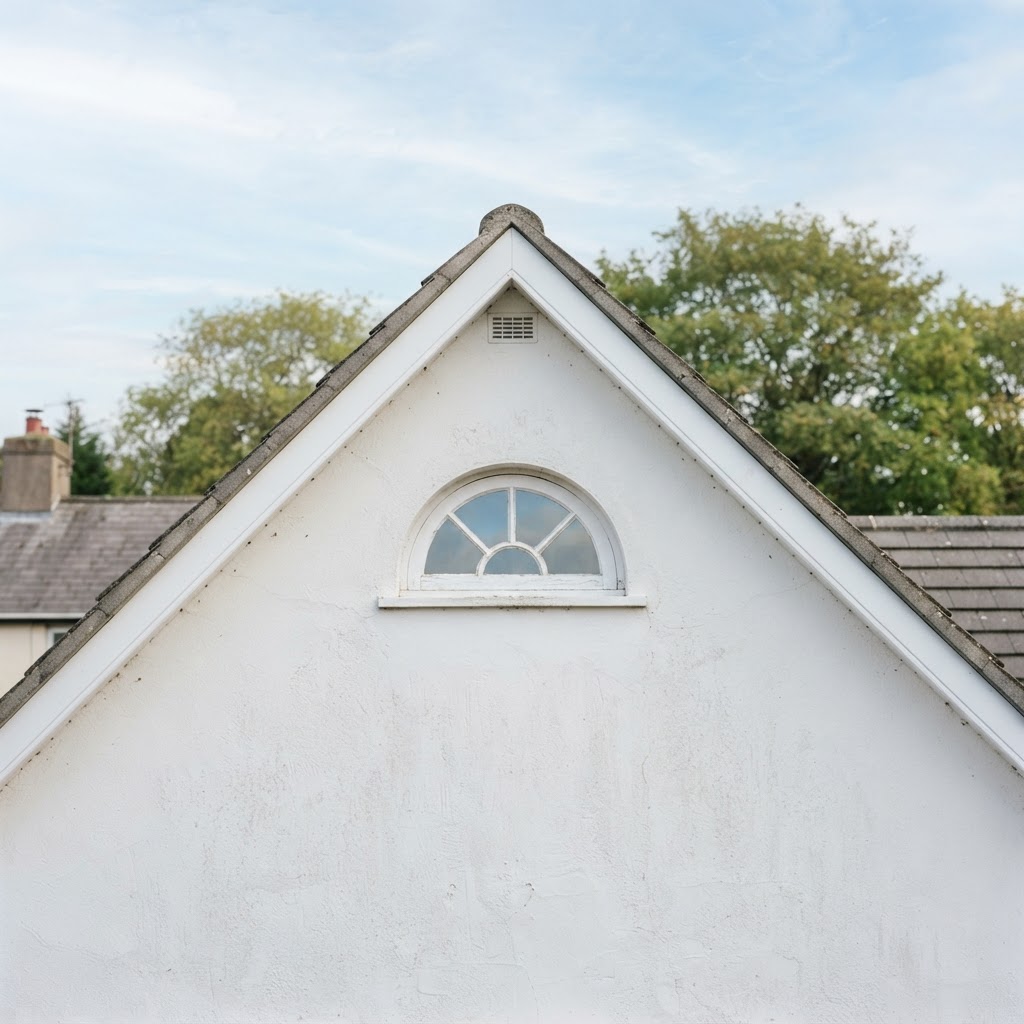
6. A single window in a farmhouse gable. A simple square or rectangular window high in the attic gable is typical of farmhouse windows and adds balance to the end of the house.
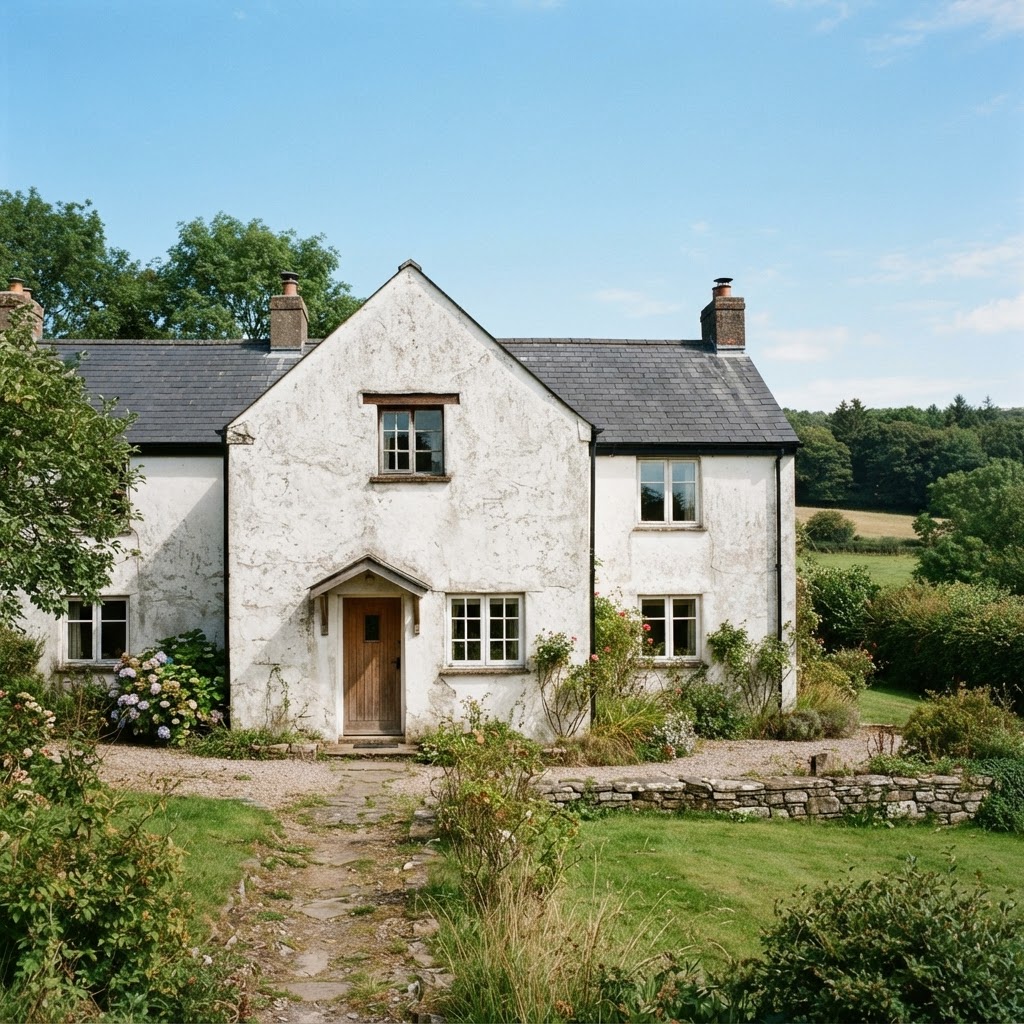
7. An attic bedroom lit from the gable. A window in the gable end of a loft conversion makes a cosy bedroom feel bright and airy, especially with exposed beams and a sloping ceiling.
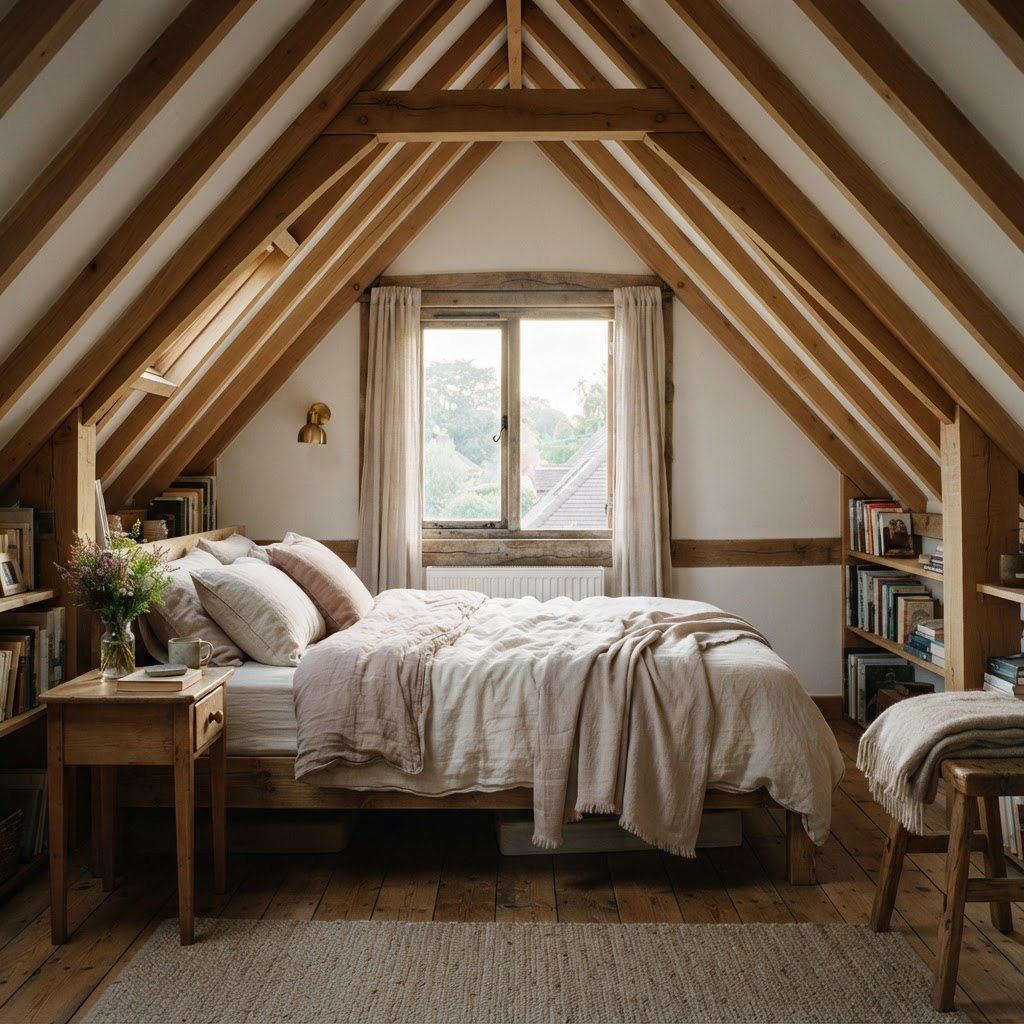
8. A pentagon window. A single house-shaped window with a pointed top echoes the shape of the roof and makes a strong, modern statement.
9. Clerestory windows along the roof line. A row of windows following the slope of the roof brings light deep into a room while keeping privacy at eye level.
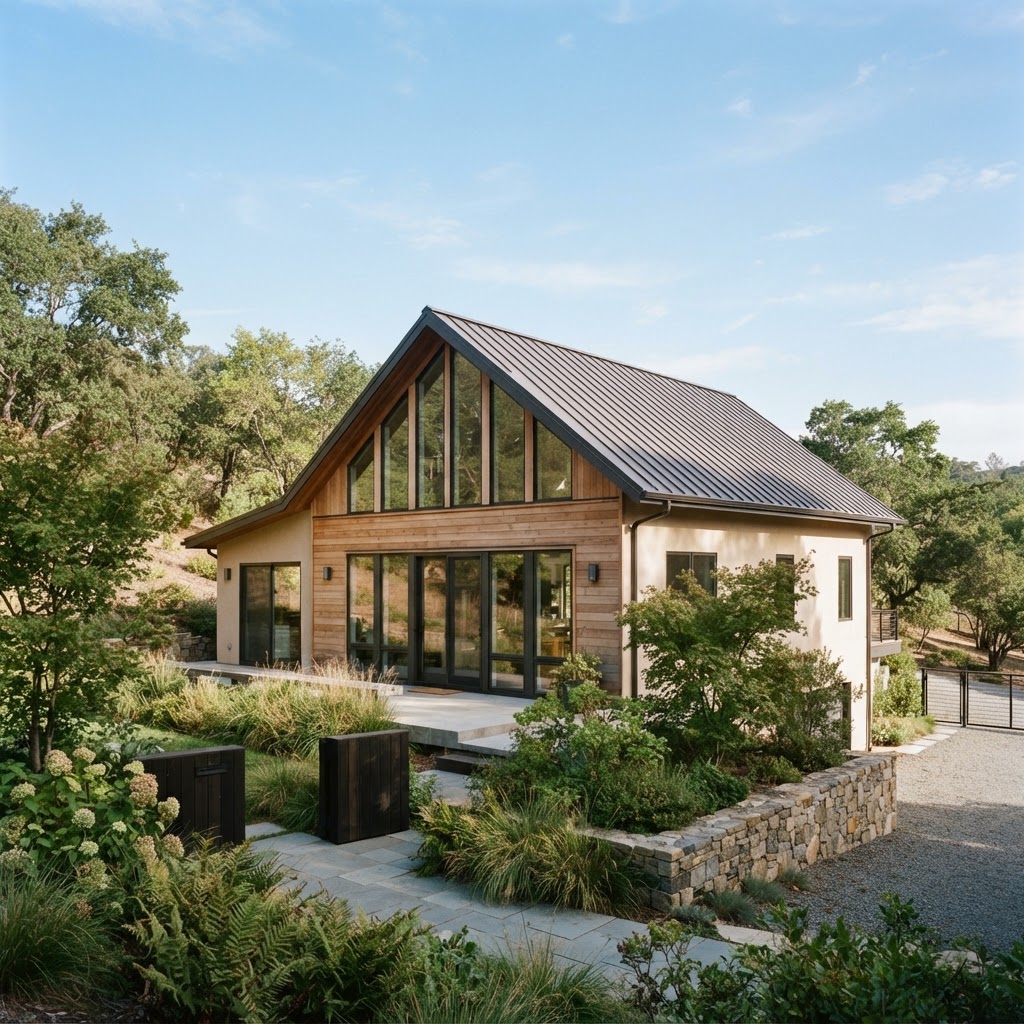
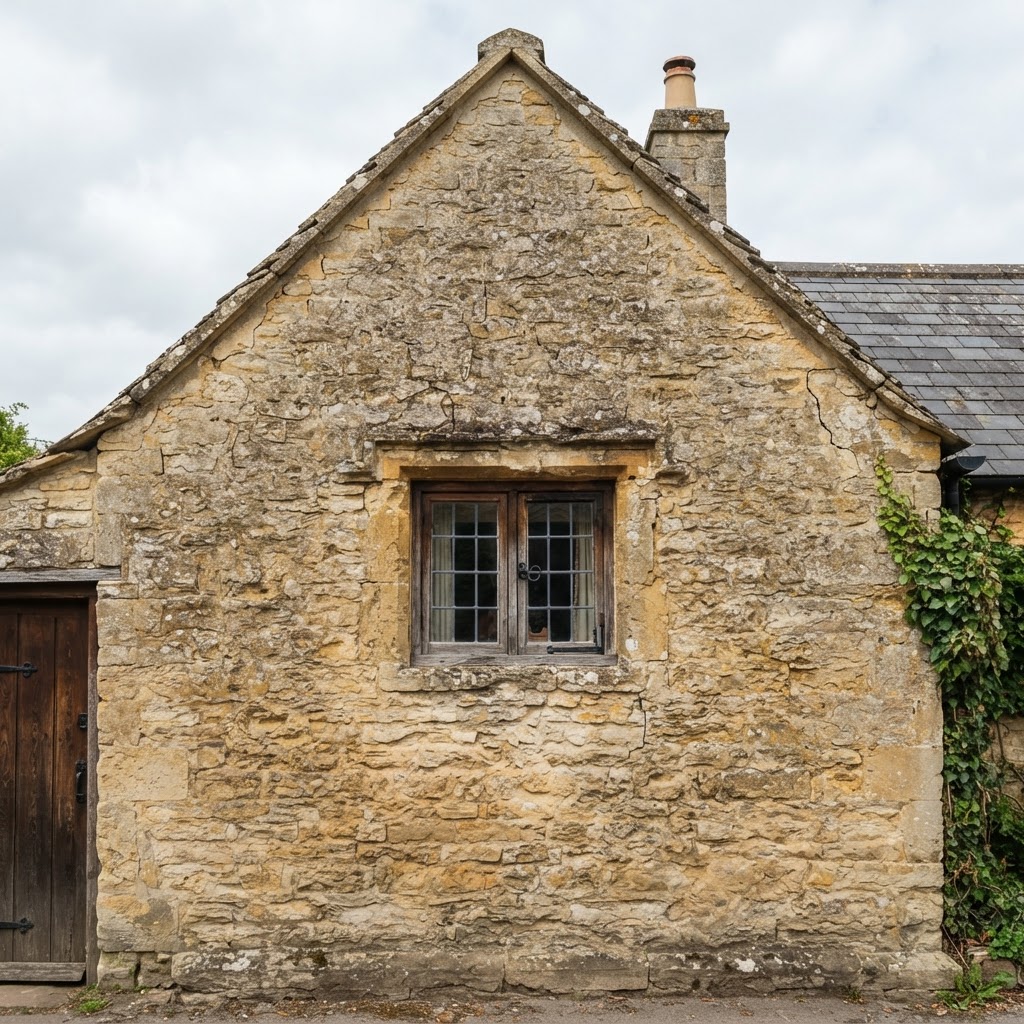
10. A stone cottage gable. A small timber-framed window set deep in the thick stone wall of a gable end is pure rustic charm.
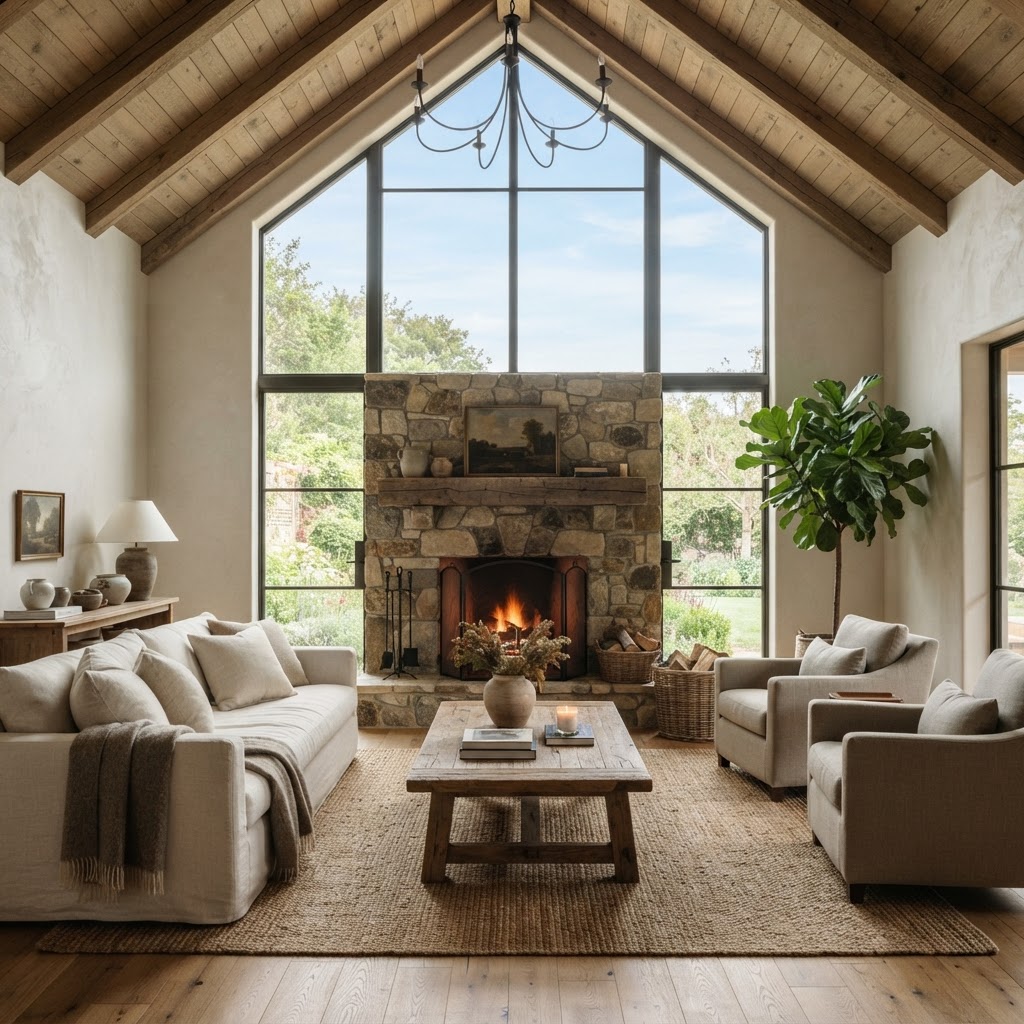
11. A gable window above the fireplace. A tall gable window rising above a stone fireplace gives you a fire and a view in the same glance, a wonderful combination in a vaulted living room.
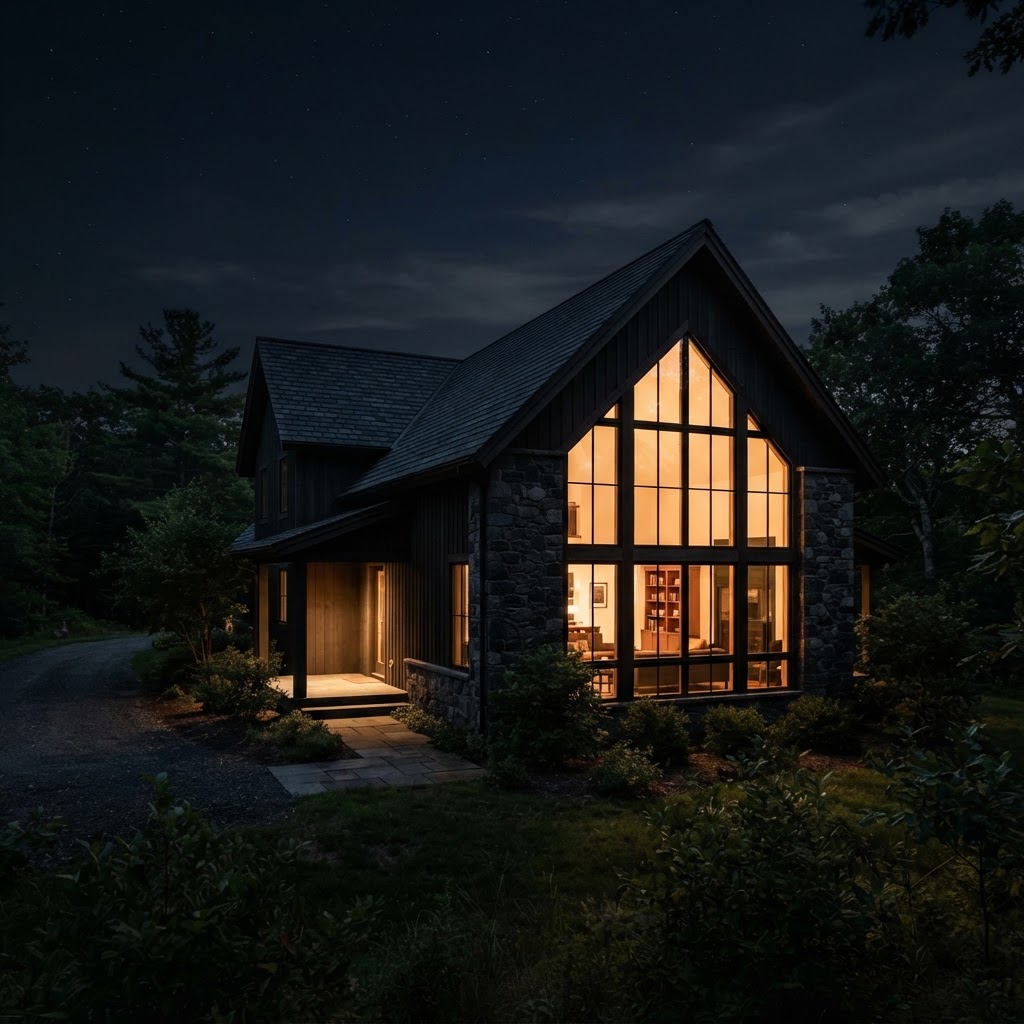
12. A glowing gable at night. A big gable window lit from inside turns the house into a lantern after dark. Warm, layered lighting makes it especially magical.
13. Gable dormers. A dormer with its own small gable roof adds a window to a sloping roof and creates extra headroom in an attic room.
How to Dress Gable Windows
Gable windows are tricky to dress, but there are good options.
- Leave the angled panes bare. The triangular or trapezoid tops are usually best left uncovered, so the shape stays clear.
- Dress the lower windows. Blinds or curtains on the rectangular windows below give privacy and shade where you need it.
- Use custom angled shades. Specialist pleated and cellular shades are made to fit sloping and triangular windows.
- Go motorised. For high windows you can't reach, motorised blinds are the most practical choice.
- Consider energy. Large areas of glass lose heat in winter. The US Department of Energy's fact sheet on cellular shades notes that cellular shades can save "up to 15% on total energy from heating and cooling."
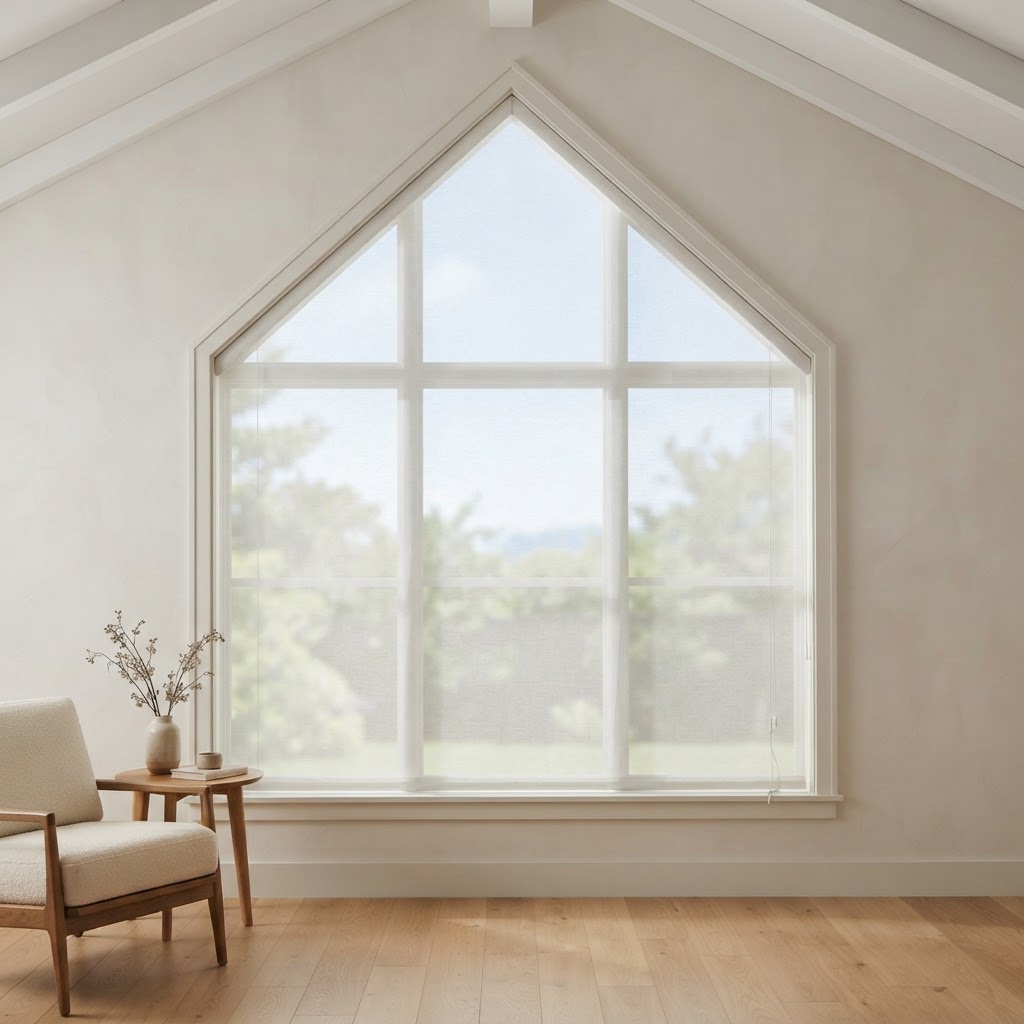
The same principles apply to big glazed doors, so ideas for blinds for French doors work for the lower part of a gable wall too.
What to Think About Before Installing Gable Windows
- Heat and glare. A south- or west-facing gable can overheat in summer and cause glare, so consider solar control glass or shading.
- Heat loss. Choose high-performance glazing to keep large windows warm in winter.
- Cleaning. High gable windows can be hard to reach, so plan for safe access or self-cleaning glass.
- Structure. Glazing a gable often means changing the structure of the end wall, so involve an architect or structural engineer.
- Planning permission. New or larger windows, especially in conservation areas or on listed buildings, may need permission, so check with your local council first.
- Privacy. A glass gable facing a road or neighbours may need frosted glass or blinds on the lower windows.
How I Design Around Gable Windows
After more than 15 years of designing homes, pubs and restaurants, I've learnt that a big gable window is the star of the room, so everything else should support it.
- Keep furniture low. Low sofas and chairs keep the view and the height clear.
- Use warm materials. Wood, stone, linen and wool stop a tall, glassy room feeling cold.
- Plan the lighting. Uplighting on beams and lamps at different heights make the room feel cosy after dark, when the glass turns black.
- Choose simple frames. Slim black or timber frames and simple window trim styles let the shape of the gable shine.
Common Mistakes to Avoid
| Mistake | Why it's a problem | What to do instead |
|---|---|---|
| Ignoring orientation | South- and west-facing gables can overheat | Use solar control glass and shading |
| Covering the angled tops | Loses the dramatic shape | Leave them bare and dress the lower windows |
| Poor-quality glazing | Heat loss and condensation | Choose high-performance double or triple glazing |
| No plan for cleaning | Dirty glass spoils the view | Plan access or choose self-cleaning glass |
| Tall furniture in front | Blocks light and view | Keep furniture low |
| Forgetting the evening | The room feels cold and dark at night | Layer warm lighting |
Frequently Asked Questions
What is a gable window?
A gable window is a window set into the gable, the triangular section of wall at the end of a pitched roof, often following the slope of the roof.
What shapes do gable windows come in?
Gable windows can be triangular, trapezoid, pentagon (house-shaped), rectangular, half-round or round, and they are often combined with tall windows or doors below.
Do gable windows open?
The angled upper panes are usually fixed, while the rectangular windows or doors below are often opening casements, sliding doors or folding doors.
How do you cover gable windows?
Most people leave the angled tops bare and dress the lower windows with blinds or curtains. Custom angled shades and motorised blinds are available for the upper panes.
Do gable windows make a house hot?
They can, especially if they face south or west. Solar control glass, external shading and blinds help keep the room comfortable.
What is the difference between a gable window and a dormer window?
A gable window sits in the end wall of a pitched roof, while a dormer window projects from the slope of the roof with its own small roof.
Are gable windows expensive?
Custom-shaped glass and the structural work needed to glaze a gable usually make gable windows more expensive than standard windows.
Let the Light Pour In
Gable windows turn the end of a roof into a wall of light, framing the sky and the trees and making a room feel truly special. Plan for heat, glare and cleaning, keep the angled tops clear, dress the lower windows simply and fill the room with warm materials and lighting.
And if you'd like help designing a room around a big window or view, you can book a one-hour online interior design consultation with me.
About the author
Magda Callery is a UK interior designer and florist with more than 15 years' experience designing homes, pubs, restaurants and bars, and her expert commentary has featured in Homes & Gardens, The Mirror and The Spruce. Explore more of the decorating articles.
Continue reading

Flat Back Christmas Tree: 13 Ideas for Small Spaces
What a flat back Christmas tree is, how it compares with slim and half trees, how to choose the right size, 13 ideas for small spaces and how to decorate it so it looks full.

Pergola Decorating Ideas: 17 Ways to Style a Pergola
17 pergola decorating ideas, from climbing roses, clematis and grapevines to festoon lights, curtains, shade canopies and outdoor kitchens, plus the best plants for a pergola.

Garden Pagoda: 13 Stylish Ideas and Buying Tips
What a garden pagoda is, how it differs from a gazebo and a pergola, 13 garden pagoda ideas, the best climbing plants to grow over one and how to choose the right pagoda.