
17 Indoor House Plants Non Toxic to Cats
Seventeen indoor house plants that are non toxic to cats, the popular houseplants to avoid, and a florist's advice on lilies and keeping cats off your plants.
By Magda Callery, interior designer and florist
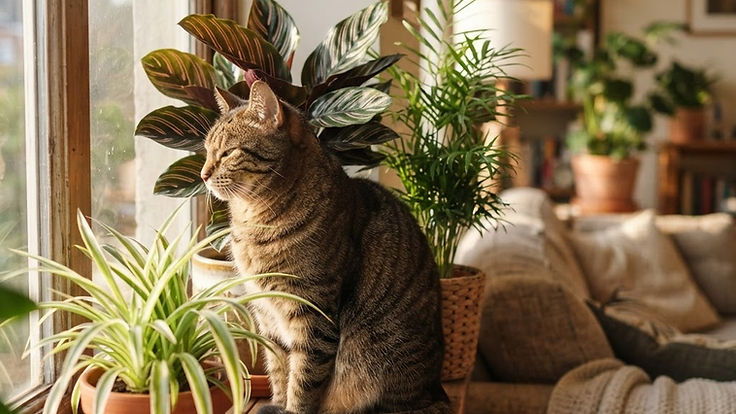
If you share your home with a cat, you will know that nothing on a windowsill is safe from inspection. Cats nibble, bat and dig in pots, which is why choosing indoor house plants that are non toxic to cats matters so much. Some of the most popular houseplants in UK homes, including peace lilies, monsteras and devil's ivy, can make cats unwell, and true lilies can be fatal.
As an interior designer and florist, I use plants in almost every room I style, and I have learnt to check every one against a cat safe list before it goes near a client's home. Below are 17 indoor house plants that are non toxic to cats, the plants to avoid, and simple ways to keep both your plants and your cat happy.
Are Houseplants Safe for Cats?
Many houseplants are perfectly safe, but plenty are not, and the label in the garden centre rarely tells you which is which. The most reliable place to check is the ASPCA's list of toxic and non toxic plants for cats, which records plants reported to cause problems in animals.
Non toxic does not mean a plant is a snack. Even a safe plant can cause a mild upset tummy if a cat eats a lot of it, and fertilisers, pesticides and leaf shine sprays can be harmful in their own right. Always choose plants carefully and keep an eye on any cat that loves to chew.
17 Indoor House Plants Non Toxic to Cats
1. Spider Plant
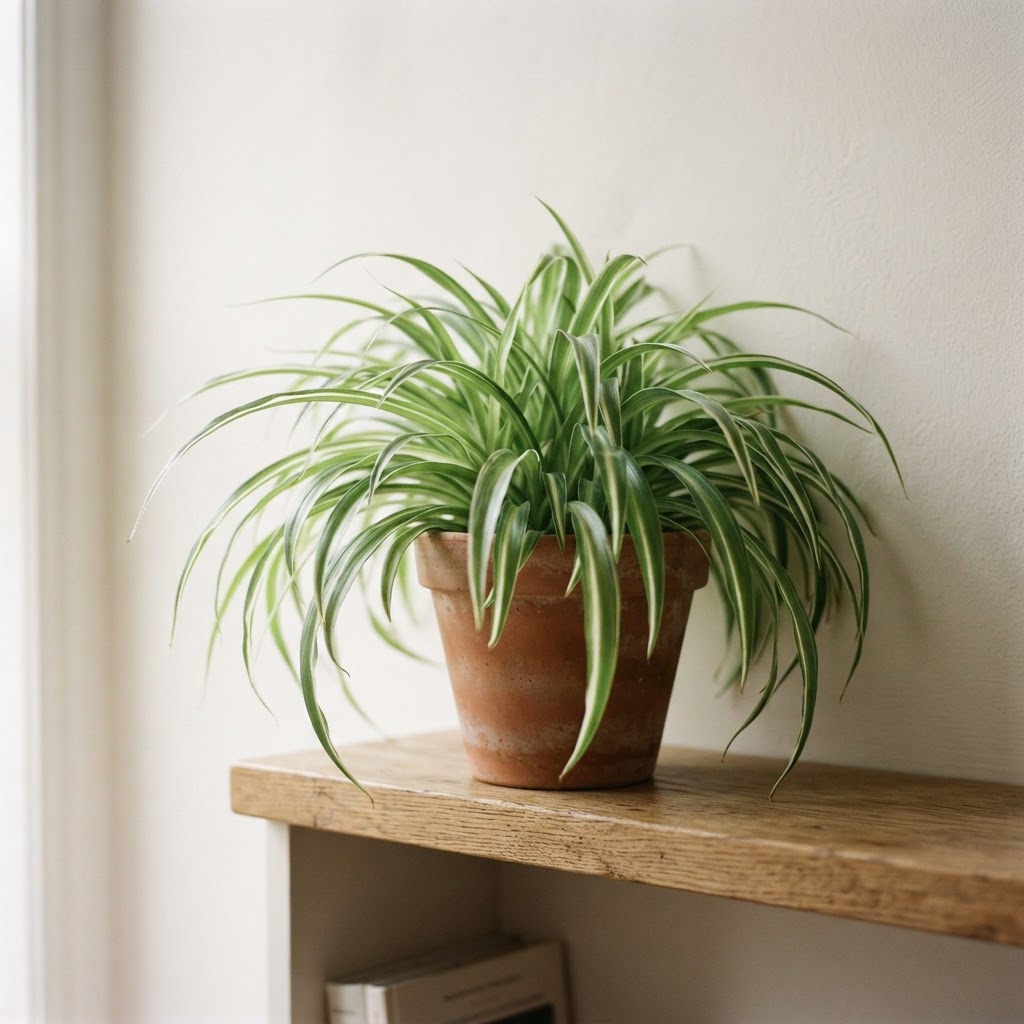
The spider plant (Chlorophytum comosum) is one of the easiest and most forgiving houseplants you can grow, and it is non toxic to cats. Its arching striped leaves look lovely on a shelf or in a hanging pot, and it produces little baby plants you can pot up and share. Cats often find the dangling leaves irresistible, so a hanging basket can save it from too much attention.
2. Boston Fern
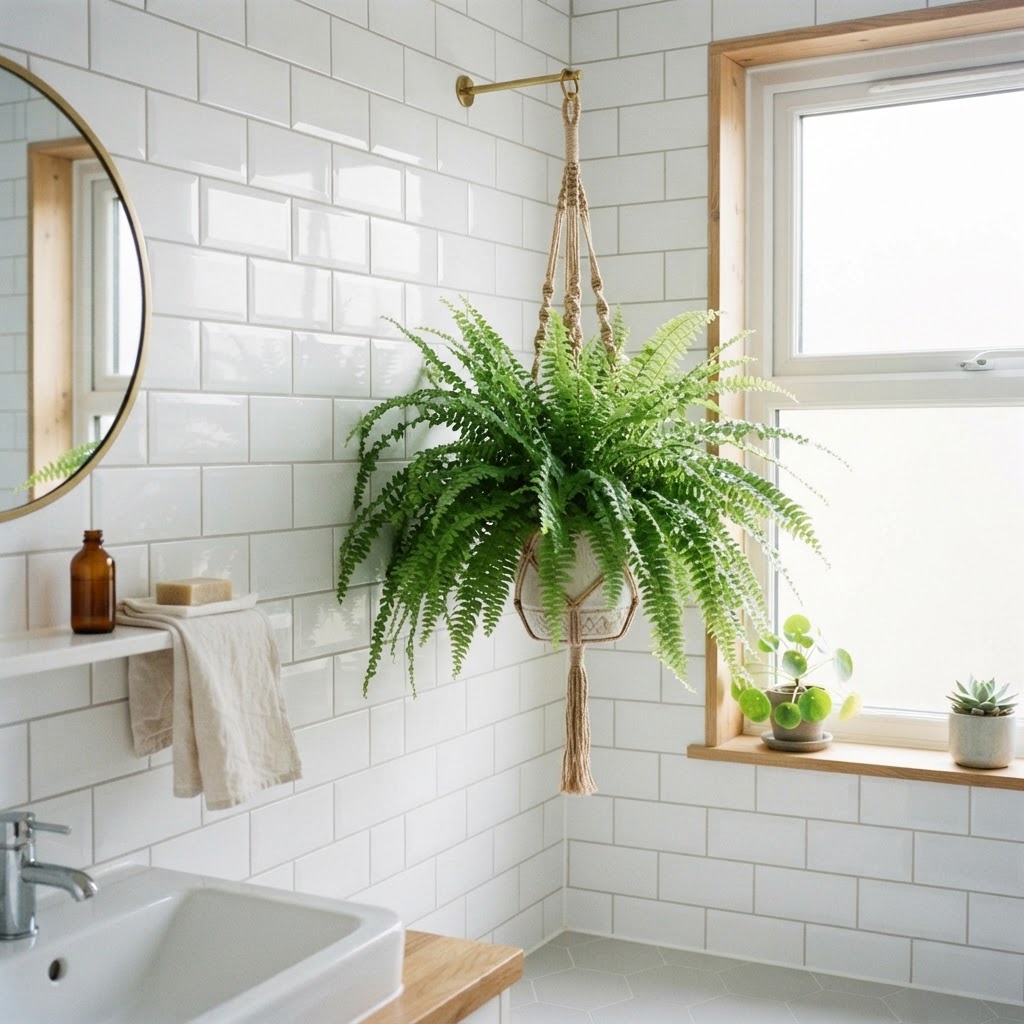
Boston ferns love humidity and indirect light, which makes them perfect for bathrooms and kitchens. Their soft, feathery fronds are safe for cats and bring a lush, green feel to any room. Keep the compost evenly moist and mist the fronds in winter when the heating dries the air.
3. Calathea
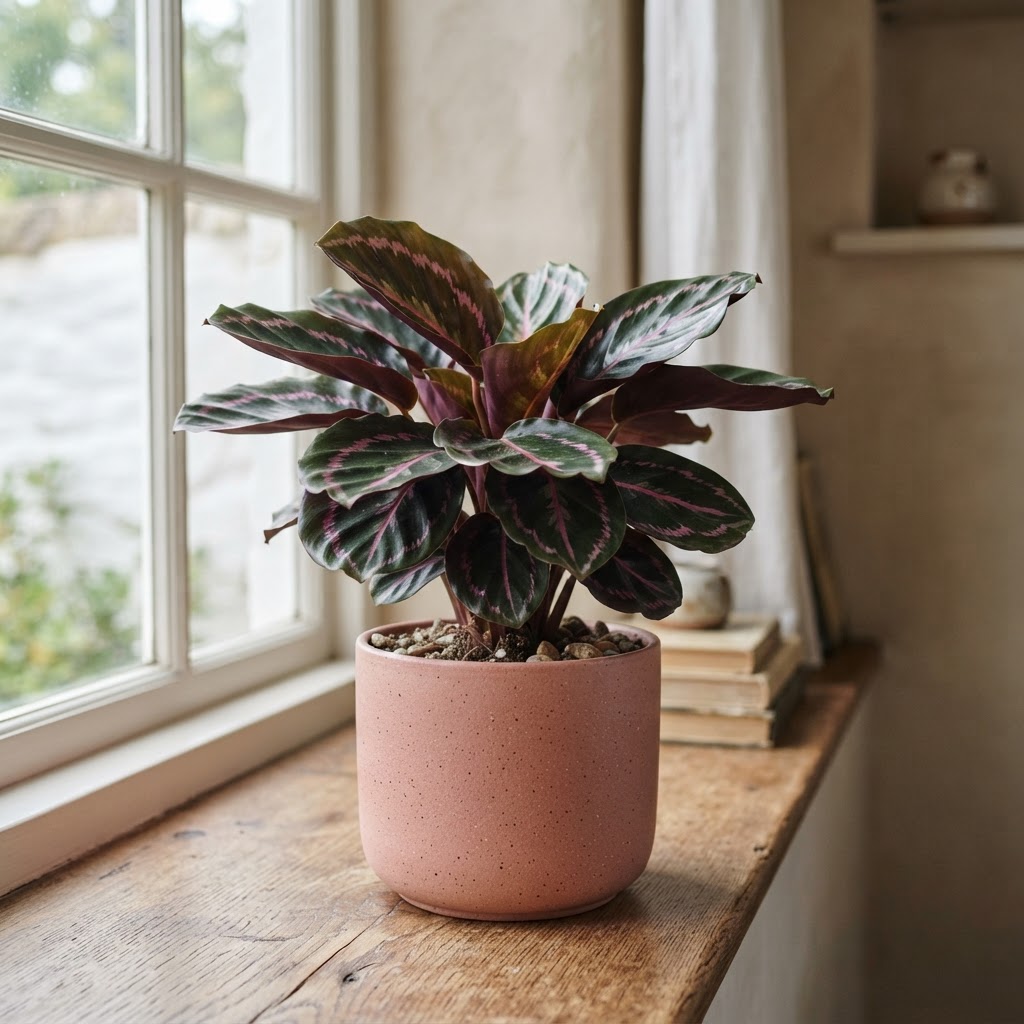
Calatheas are prized for their beautifully patterned leaves in green, pink, cream and purple, and they are non toxic to cats. Many fold their leaves upwards at night, which is why they are sometimes called prayer plants. They prefer indirect light, steady warmth and rainwater or filtered water. The rattlesnake plant (Calathea lancifolia) is a particularly easy variety.
4. Prayer Plant
The prayer plant (Maranta leuconeura) is a close cousin of the calathea with striking red veined leaves. It is safe for cats and happy in a medium light spot away from draughts. It looks wonderful trailing from a shelf or a hanging pot.
5. Parlour Palm
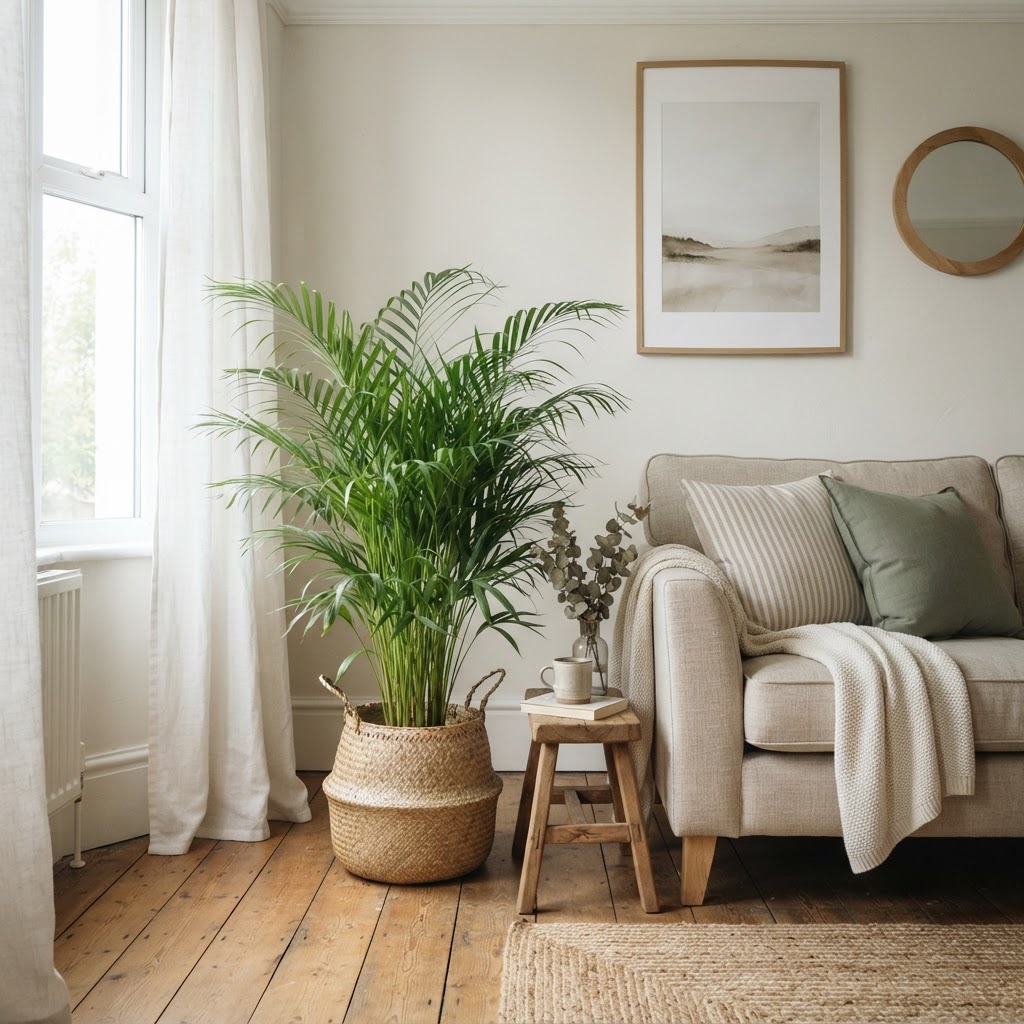
The parlour palm (Chamaedorea elegans) is a graceful, slow growing palm that copes with lower light and is non toxic to cats. It brings a relaxed, Victorian feel to a living room or hallway and rarely grows too large for a pot. Water when the top few centimetres of compost feel dry.
6. Areca Palm
For a bigger statement, the areca palm offers tall, feathery fronds that bring a tropical feel to a bright corner. It is safe for cats and dogs and is a much better choice than the sago palm, which looks similar but is highly toxic.
7. Peperomia
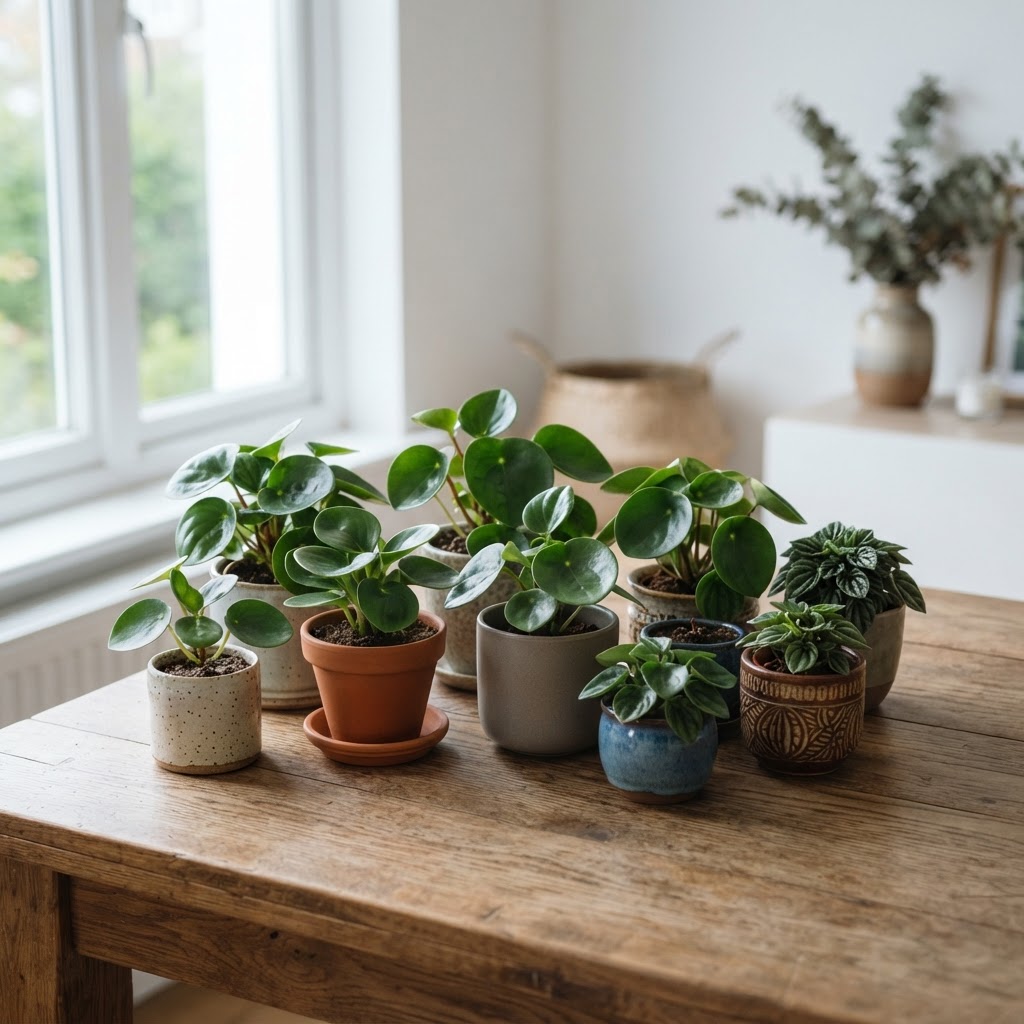
Peperomias are compact, tidy plants with thick, often glossy leaves in a huge range of shapes and colours. They are non toxic to cats and ideal for desks, shelves and windowsills where space is limited. They store water in their leaves, so they prefer to dry out a little between waterings.
8. Moth Orchid
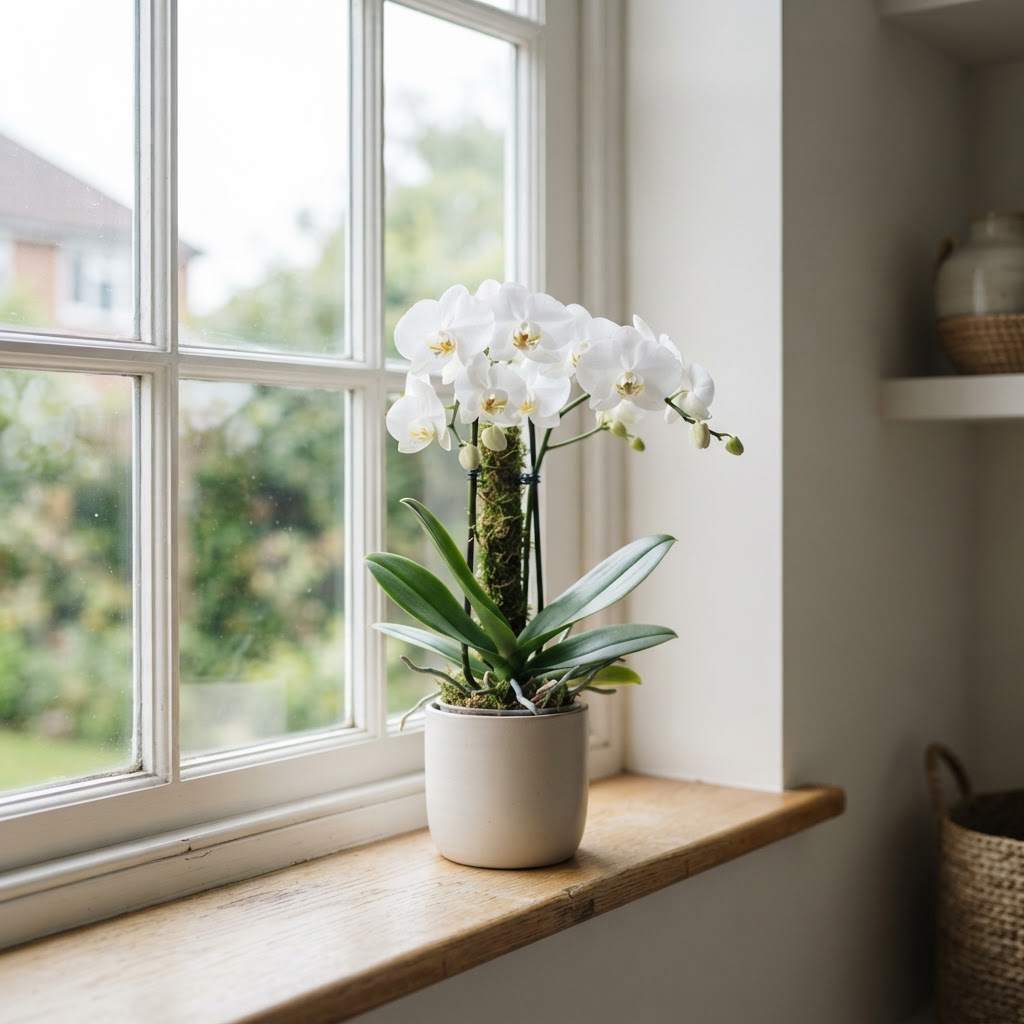
The moth orchid (Phalaenopsis) is one of my favourite flowering houseplants, and it is safe for cats. Its elegant sprays of flowers last for months and come back year after year with a little care. Water by soaking the pot for ten minutes and letting it drain, and keep it out of direct midday sun.
9. Ponytail Palm
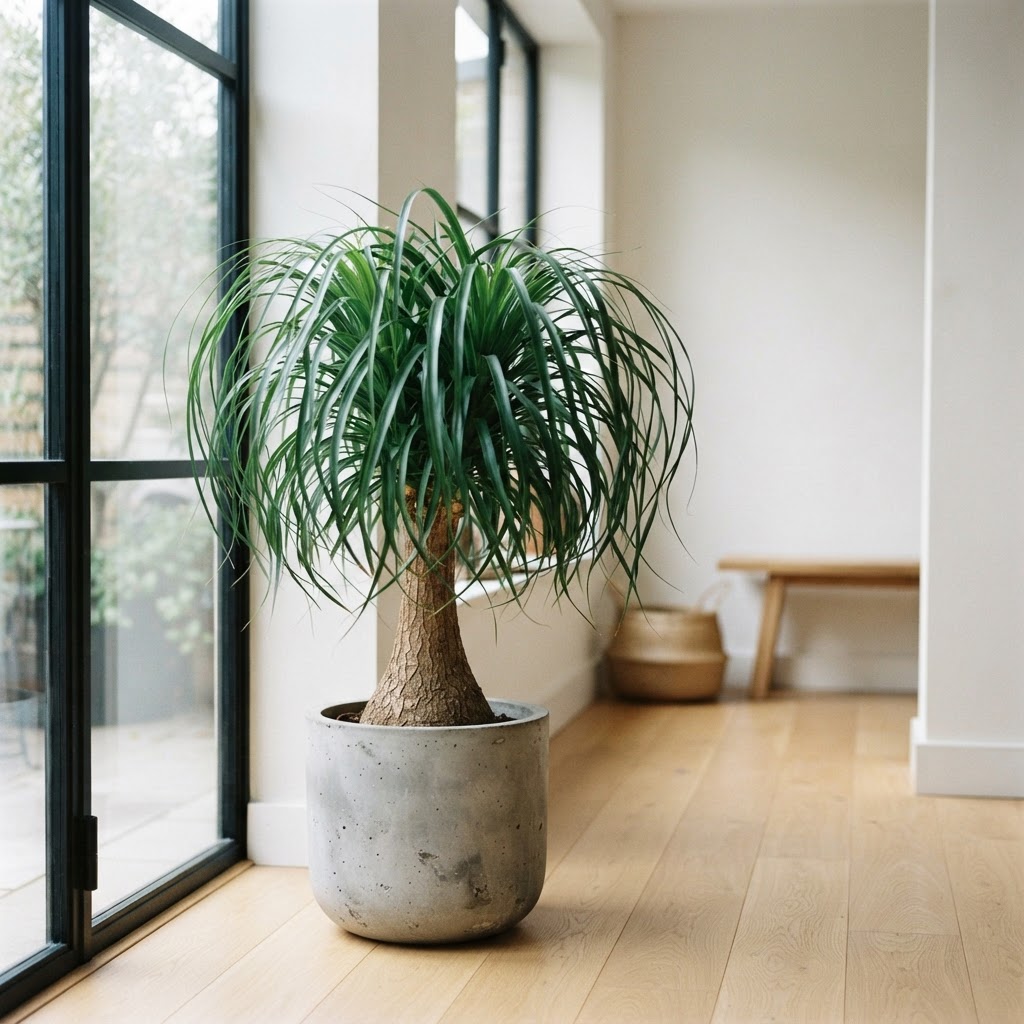
Despite its name, the ponytail palm (Beaucarnea recurvata) is not a true palm but a succulent with a swollen trunk that stores water. It is non toxic to cats, very forgiving and happy in a bright spot. The fountain of leaves gives it a playful, sculptural look.
10. African Violet
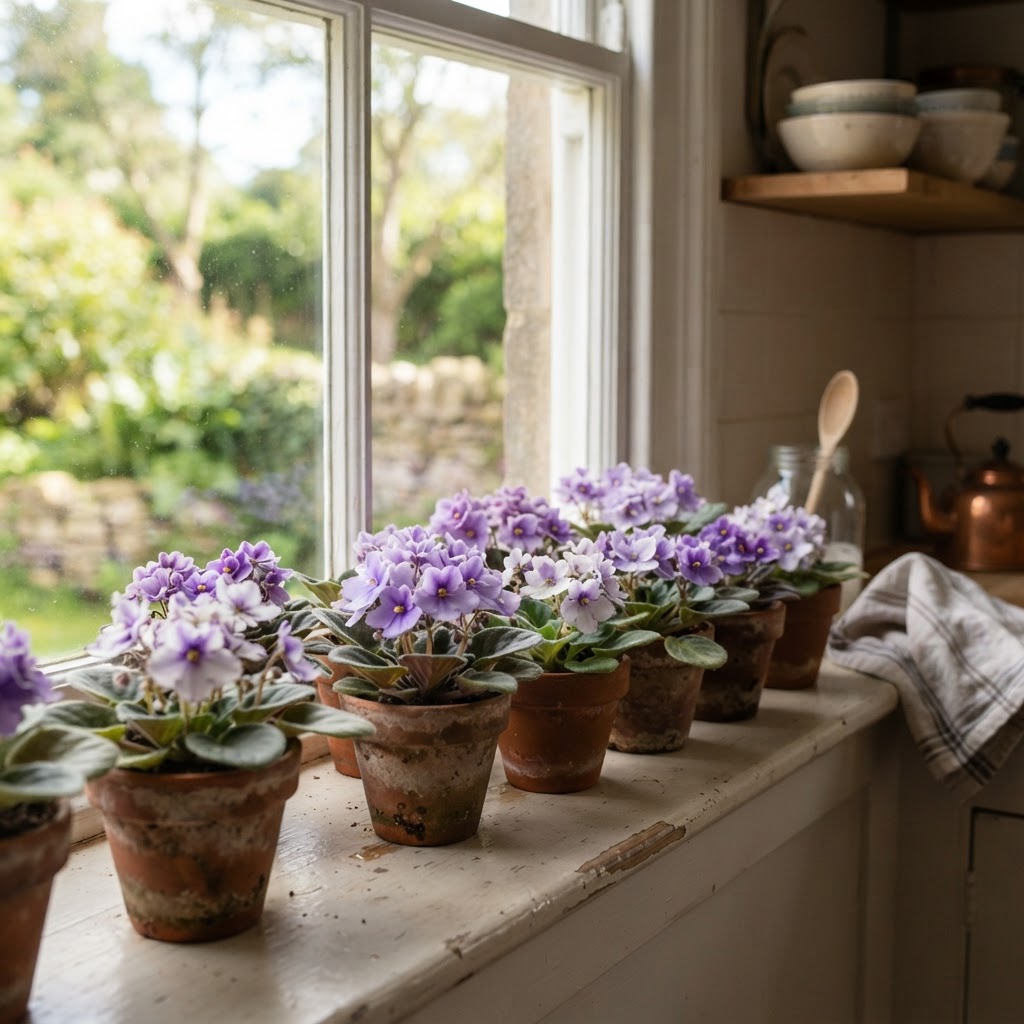
African violets bring pretty purple, pink or white flowers to a windowsill almost all year round, and they are safe for cats. Water from below so the fuzzy leaves stay dry, and give them bright but indirect light. A kitchen windowsill is often the perfect home.
11. Haworthia
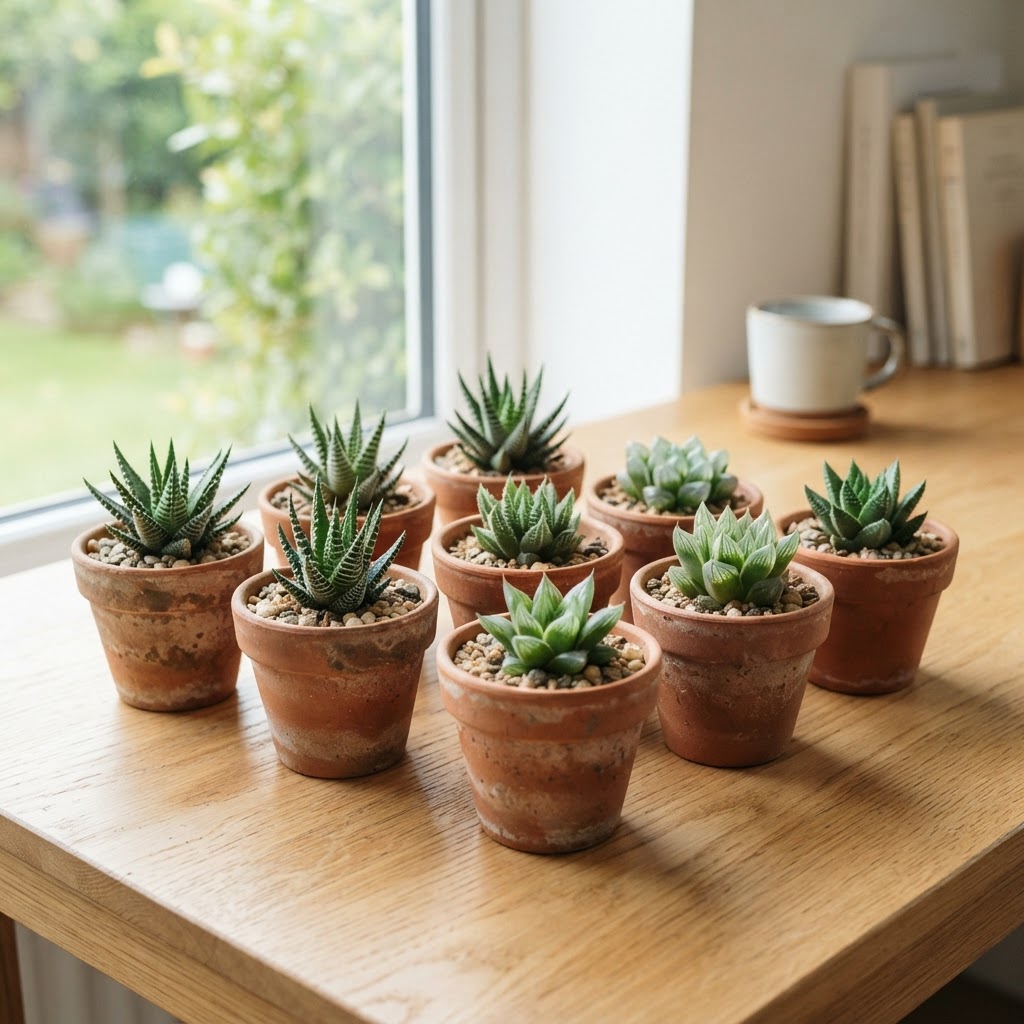
If you love succulents, haworthias are a safe alternative to aloe vera and jade plants, both of which are toxic to cats. Their striped, pointed rosettes look striking in small terracotta pots, and they need very little water. Give them bright light but not harsh afternoon sun.
12. Bromeliad
Bromeliads bring a burst of tropical colour with their bright flower bracts in red, pink, orange or yellow. They are non toxic to cats and easy to look after. Keep a little water in the central cup of leaves and refresh it every week or two.
13. Cast Iron Plant
True to its name, the cast iron plant (Aspidistra elatior) is almost indestructible. It tolerates shade, irregular watering and cooler rooms, and it is safe for cats. It was a favourite in Victorian parlours and still looks elegant in a dark hallway today.
14. Christmas Cactus
The Christmas cactus (Schlumbergera) flowers in winter with pink, red or white blooms and is non toxic to cats. It is a much safer festive choice than poinsettia or mistletoe. Keep it in a cool, bright spot in autumn to encourage flowers.
15. Hoya
Hoyas, sometimes called wax plants, have thick waxy leaves and clusters of starry, scented flowers. They are non toxic to cats and trail beautifully from a high shelf or hanging pot. They flower best when slightly pot bound and in bright light.
16. Polka Dot Plant
The polka dot plant (Hypoestes phyllostachya) has playful pink, red or white speckled leaves and is safe for cats. It is a fun way to add colour to a shelf or terrarium. Pinch out the tips to keep it bushy. For more small plants that suit glass gardens, see my post on terrarium plants.
17. Bird's Nest Fern
The bird's nest fern (Asplenium nidus) has bright green, wavy edged fronds that unfurl from a central rosette. It is non toxic to cats and loves the humidity of a bathroom. Water around the edge of the pot rather than into the centre of the plant.
Cat Safe Houseplants at a Glance
| Plant | Light | Watering | Best Room |
|---|---|---|---|
| Spider plant | Bright to medium | When top dries | Living room, kitchen |
| Boston fern | Indirect | Keep moist | Bathroom |
| Calathea | Medium, indirect | Keep moist | Living room, bedroom |
| Parlour palm | Low to medium | When top dries | Hallway, living room |
| Peperomia | Medium to bright | Let dry between | Desk, shelf |
| Moth orchid | Bright, indirect | Soak and drain | Windowsill |
| Ponytail palm | Bright | Sparingly | Sunny room |
| African violet | Bright, indirect | From below | Kitchen windowsill |
| Haworthia | Bright | Sparingly | Desk, windowsill |
| Cast iron plant | Low | When dry | Dark hallway |
Houseplants That Are Toxic to Cats
Some of the most popular houseplants are not safe for cats. If you already have them, move them to a room your cat cannot reach or rehome them.
| Plant | Risk to Cats |
|---|---|
| True lilies and daylilies | Extremely dangerous, can cause fatal kidney failure |
| Peace lily | Irritates the mouth and throat, causing drooling and vomiting |
| Devil's ivy (pothos) | Mouth irritation, drooling and vomiting |
| Monstera and philodendron | Mouth irritation, drooling and vomiting |
| Dieffenbachia | Painful mouth irritation and swelling |
| Snake plant | Vomiting and diarrhoea |
| Aloe vera | Vomiting and lethargy |
| Jade plant | Vomiting and lethargy |
| Sago palm | Severe, can cause liver failure |
| Dracaena | Vomiting and dilated pupils |
Lilies deserve a special warning. International Cat Care, the UK cat welfare charity, puts it starkly in its lily toxicity campaign: "All parts of the lily are toxic to cats." They add that lilies are "so poisonous that a cat can suffer fatal kidney failure just from nibbling a leaf." Even pollen brushed onto fur and licked off can be enough. Their advice is simple: "If you think your cat may have chewed on or ingested lily, seek veterinary care immediately."
If you love the look of lilies, my post on lily flower meaning is a lovely way to enjoy them without bringing them into a home with cats.
How to Keep Cats Away From Houseplants
Even with safe plants, most cat owners want to stop their pots being dug up or their leaves shredded. These simple tricks help:
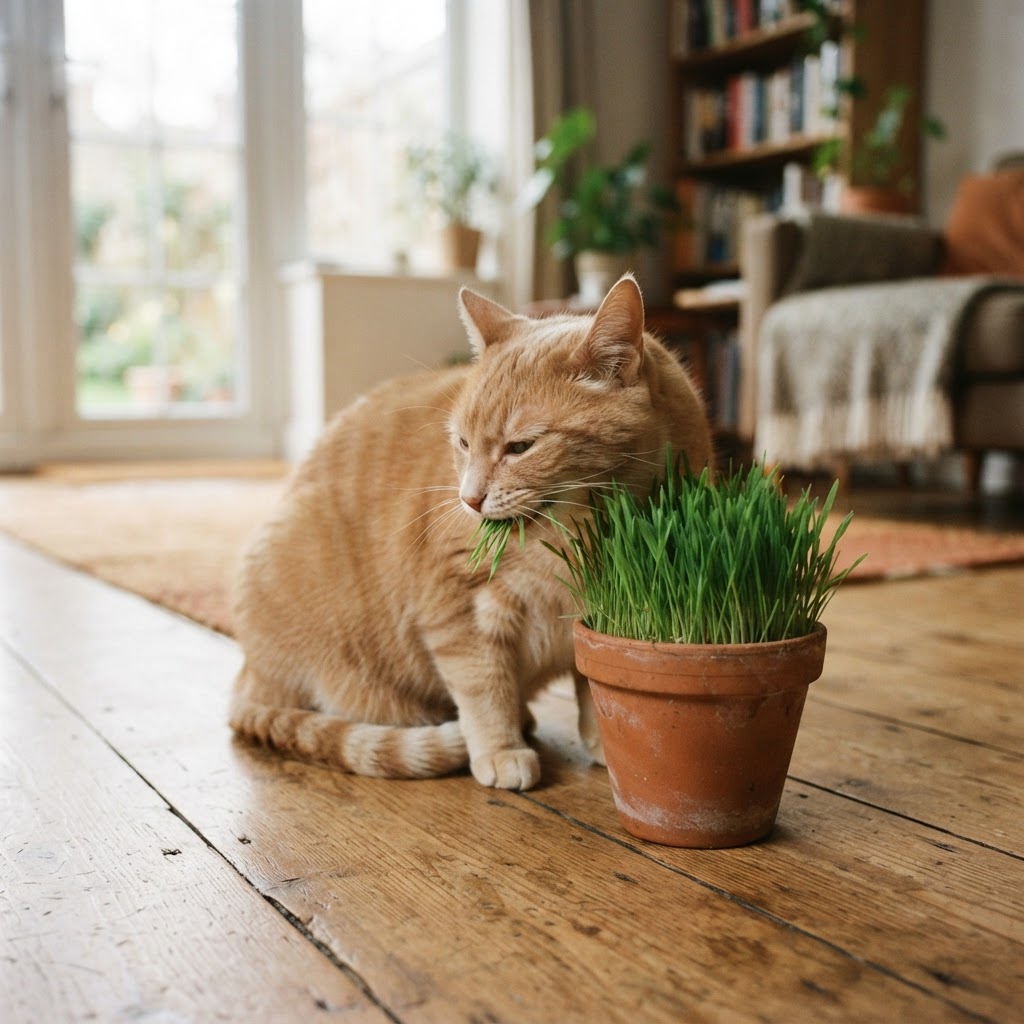
- Offer cat grass. A pot of cat grass gives your cat something it is allowed to chew, which often keeps it away from your other plants.
- Go high. Floating shelves, plant stands and hanging planters keep plants out of reach.
- Cover the soil. Pebbles, pine cones or a layer of decorative stones stop cats digging in pots.
- Use citrus. Many cats dislike the smell of citrus, so a few orange peels on the soil can deter them.
- Choose sturdy pots. Heavy ceramic or concrete pots are harder to knock over than lightweight plastic.
How I Style Plants in a Home with Cats
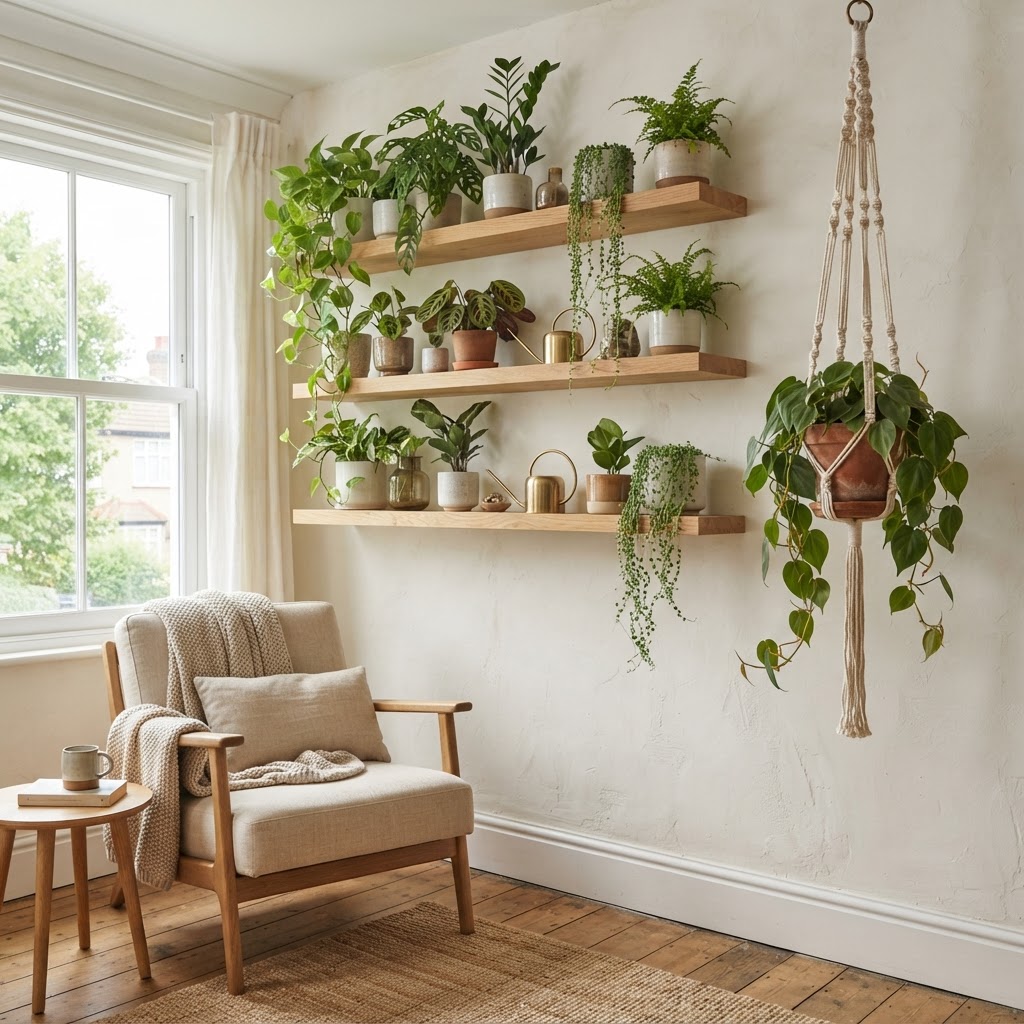
When I style a room for a client with cats, I treat cat safe plants as my starting palette rather than a restriction. Spider plants, calatheas, parlour palms and peperomias give me every leaf shape and shade of green I need, so the room never looks like a compromise.
As a florist, the first thing I check when a client has a cat is the flowers, not just the plants. Lilies are a staple of bouquets and funeral flowers, and I always swap them for roses, sunflowers, orchids or gerberas when I know a cat lives in the home. If someone sends you a bouquet with lilies, remove them straight away and sweep up any fallen pollen.
I like to layer plants at different heights too: a big parlour palm on the floor, trailing hoyas and spider plants on high shelves, and small peperomias and haworthias in groups on a sideboard. It looks generous and keeps the most tempting leaves out of reach.
Frequently Asked Questions
What indoor house plants are non toxic to cats?
Spider plants, Boston ferns, calatheas, prayer plants, parlour palms, areca palms, peperomias, moth orchids, ponytail palms, African violets, haworthias, bromeliads, cast iron plants, Christmas cactus, hoyas, polka dot plants and bird's nest ferns are all non toxic to cats.
Are spider plants safe for cats?
Yes, spider plants are non toxic to cats. Some cats love chewing the dangling leaves, and eating a lot may cause a mild tummy upset, so a hanging pot is a good idea.
Is a peace lily toxic to cats?
A peace lily is not a true lily, but it is toxic to cats. It contains crystals that irritate the mouth and throat, causing drooling, pawing at the mouth and vomiting. It does not cause the kidney failure linked to true lilies.
What should I do if my cat eats a toxic plant?
Contact your vet straight away and take the plant, or a photo of its label, with you. With lilies in particular, do not wait for symptoms, as early treatment makes a huge difference.
Are succulents safe for cats?
Some are and some are not. Haworthia, Christmas cactus and ponytail palm are safe, while aloe vera, jade plant and some euphorbias are toxic to cats.
Which palms are safe for cats?
The parlour palm, areca palm and ponytail palm are all non toxic to cats. Avoid the sago palm, which is highly toxic and can cause liver failure.
How do I stop my cat eating my houseplants?
Offer cat grass as an alternative, place plants on high shelves or in hanging planters, cover the soil with stones and choose heavy pots that are hard to knock over.
Bringing Cat Safe Plants Into Your Home
Choosing indoor house plants that are non toxic to cats means you can fill your home with greenery without worrying every time your cat explores a windowsill. Start with easy plants such as spider plants, parlour palms and peperomias, keep lilies well out of the house and add a pot of cat grass, and both you and your cat can enjoy a greener home.
If you would like help bringing plants, colour and texture into your home in a way that works for the whole family, pets included, I offer one hour design consultations where we can plan your rooms together. Book a consultation and let's create a home that feels calm, green and welcoming.
About the author
Magda Callery is a UK interior designer and florist with more than 15 years' experience designing homes, pubs, restaurants and bars, and her expert commentary has featured in Homes & Gardens, The Mirror and The Spruce. Explore more of the flowers & garden articles.
Continue reading

Garden Ideas Using Pallets: 13 Cheap DIY Projects
Thirteen garden ideas using pallets, from vertical planters and raised beds to sofas and compost bins, plus how to check a pallet is safe first.

13 Sensory Garden Ideas to Engage All Five Senses
Thirteen sensory garden ideas from a designer and florist, with plants for every sense, ideas for children and calm, autism friendly garden design.

Small Cottage Garden Ideas: 13 Ways to Get the Look
Small cottage garden ideas for UK gardens: 13 ways to get the English cottage look in a small space, plus the best cottage garden plants, shrubs and layout tips.