
13 Sensory Garden Ideas to Engage All Five Senses
Thirteen sensory garden ideas from a designer and florist, with plants for every sense, ideas for children and calm, autism friendly garden design.
By Magda Callery, interior designer and florist
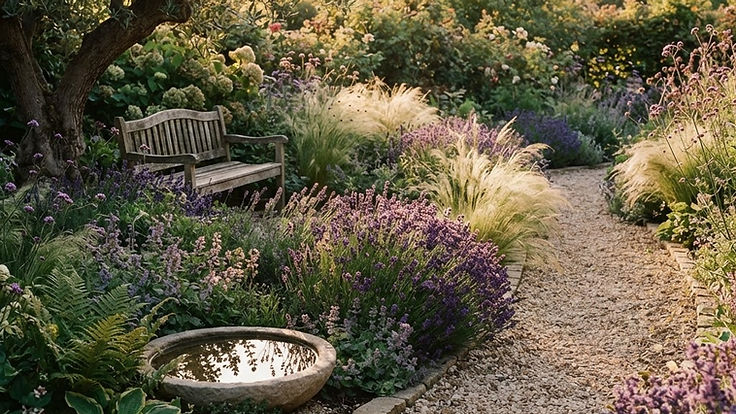
A sensory garden is simply a garden planned around how it feels to be in it, not just how it looks from the kitchen window. Soft leaves you want to stroke, herbs that release their scent as you brush past, grasses that whisper in the wind and water you can trail your fingers through. It sounds specialist, but the best sensory garden ideas work just as well in a small back garden as they do in a school or care home.
I have spent more than fifteen years designing homes, pubs and restaurants, and almost as long arranging flowers, and the thing both jobs have taught me is that people remember how a space made them feel. A garden is no different. Below are 13 sensory garden ideas, the plants I would use for each sense, and practical advice for children's sensory gardens and gardens for autistic children and adults.
What Is a Sensory Garden?
A sensory garden is an outdoor space designed to stimulate sight, sound, smell, touch and taste, usually with clear paths, places to sit and planting chosen for texture and scent as much as colour. The Sensory Trust, a UK charity that has worked on inclusive outdoor design for decades, puts it plainly: "Sensory gardens are an opportunity to put a focus on sensory experience." You can read their full sensory garden design guide, which is one of the most useful free resources on the subject.
What makes it different from an ordinary pretty border is density. As West Dean College of Arts and Conservation puts it in their guide to designing a sensory garden, "It's the concentration of different experiences that defines a sensory garden or trail." In other words, you are layering lots of small experiences close together so that every few steps there is something new to touch, smell or hear.
Sensory Garden Plants for Each Sense
Before the ideas themselves, here is the plant list I keep coming back to. Every plant below is easy to find in UK garden centres and happy in most gardens with reasonable sun.
| Sense | Plants to Try | Why They Work |
|---|---|---|
| Touch | Lamb's ear (Stachys byzantina), Mexican feather grass, sedums, soft ferns, pussy willow | Velvety, feathery, fleshy and smooth textures that invite touching |
| Smell | Lavender, rosemary, lemon balm, mint, jasmine, honeysuckle, sweet peas, scented roses | Scent released by brushing past or in warm evening air |
| Sound | Quaking grass (Briza), bamboo, silver birch, tall grasses, poppy seed heads | Rustle, rattle and movement in even a light breeze |
| Sight | Sunflowers, cosmos, alliums, nasturtiums, red and purple foliage | Strong colour, bold shapes and plants that track the sun |
| Taste | Strawberries, cherry tomatoes, chives, mint, nasturtium flowers, peas | Safe, familiar flavours that can be picked straight from the plant |
13 Sensory Garden Ideas
1. Plant a "Please Touch" Border
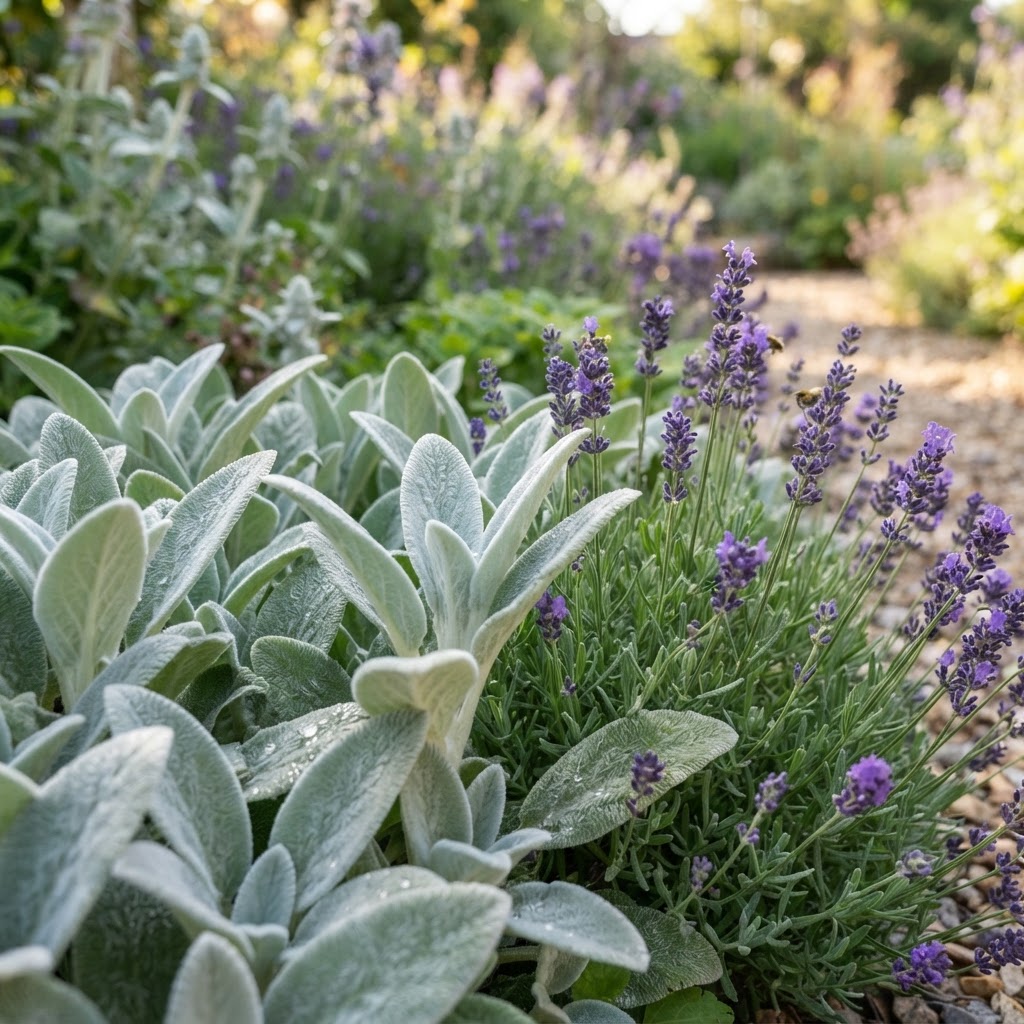
Most gardens quietly teach us not to touch. A sensory garden does the opposite. Plant a border right beside the path with soft, tactile plants such as lamb's ear, whose silvery leaves feel exactly like velvet, alongside lavender, Mexican feather grass and the fat, cool leaves of sedum. Keep it at hand height and avoid anything prickly or sharp along the edge so that nobody gets a nasty surprise.
Lavender is one of the hardest working plants in any sensory scheme because it gives you scent, colour, texture and bees all at once. If you are choosing a variety, this rundown of types of lavender is a good place to start.
2. Create a Brush Past Herb Bed
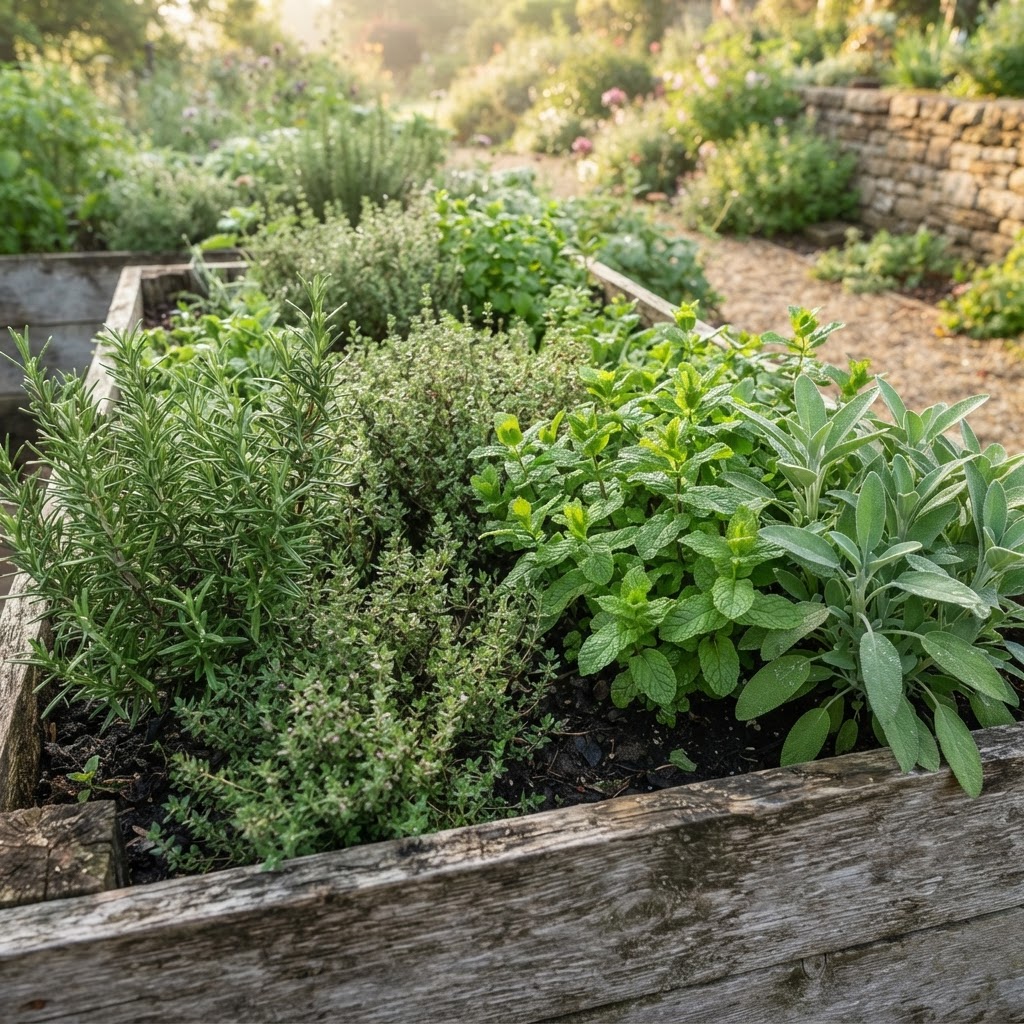
Herbs are the easiest way to add scent and taste in one go. Plant rosemary, sage, thyme, lemon balm and mint where people will naturally brush against them, such as the edge of a path or around a seat. Every time someone walks past, the oils are released and the whole corner smells wonderful.
Keep mint in a pot or a sunken container, as it spreads with real enthusiasm, and give rosemary and thyme the sunniest, best drained spot you have.
3. Use Grasses for Movement and Sound

Ornamental grasses are the quiet heroes of sensory garden design. They move in the lightest breeze, catch low sunlight beautifully and make a soft rustling sound that many people find calming. Quaking grass (Briza) has little seed heads that tremble and rattle, while Calamagrostis and Miscanthus give height and a gentle swish as you walk by.
Grasses also stay standing through autumn and winter, which means your garden still has texture and sound when most flowers have finished.
4. Add Water You Can Touch
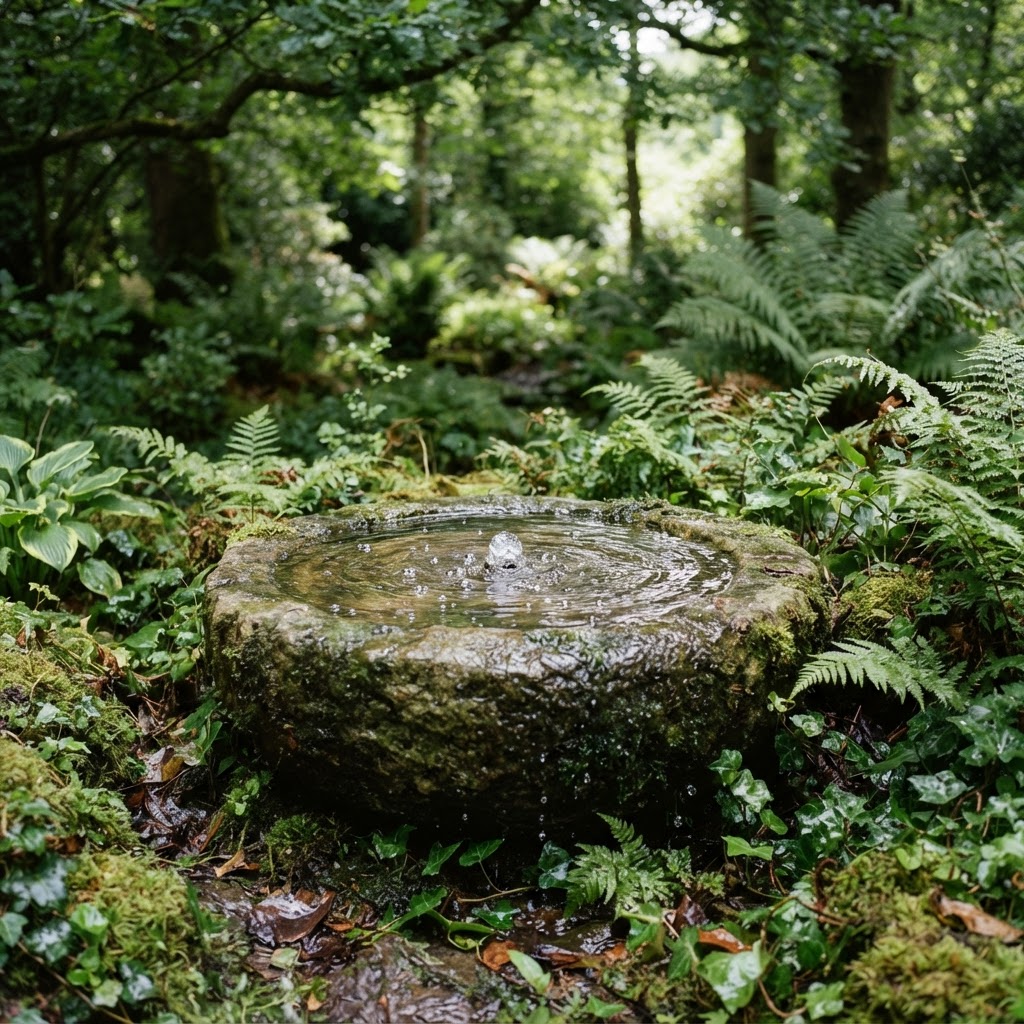
The sound of moving water is one of the most soothing things you can add to a garden, and in a sensory space it is worth making it something people can actually touch. A shallow bubbling stone, a self contained millstone fountain or a low water bowl all work well. Choose a design with no open depth if young children will use the garden, as even a few centimetres of standing water can be dangerous for toddlers.
A small solar fountain is a budget friendly option and needs no electrician.
5. Hang Wind Chimes and Bamboo Screens
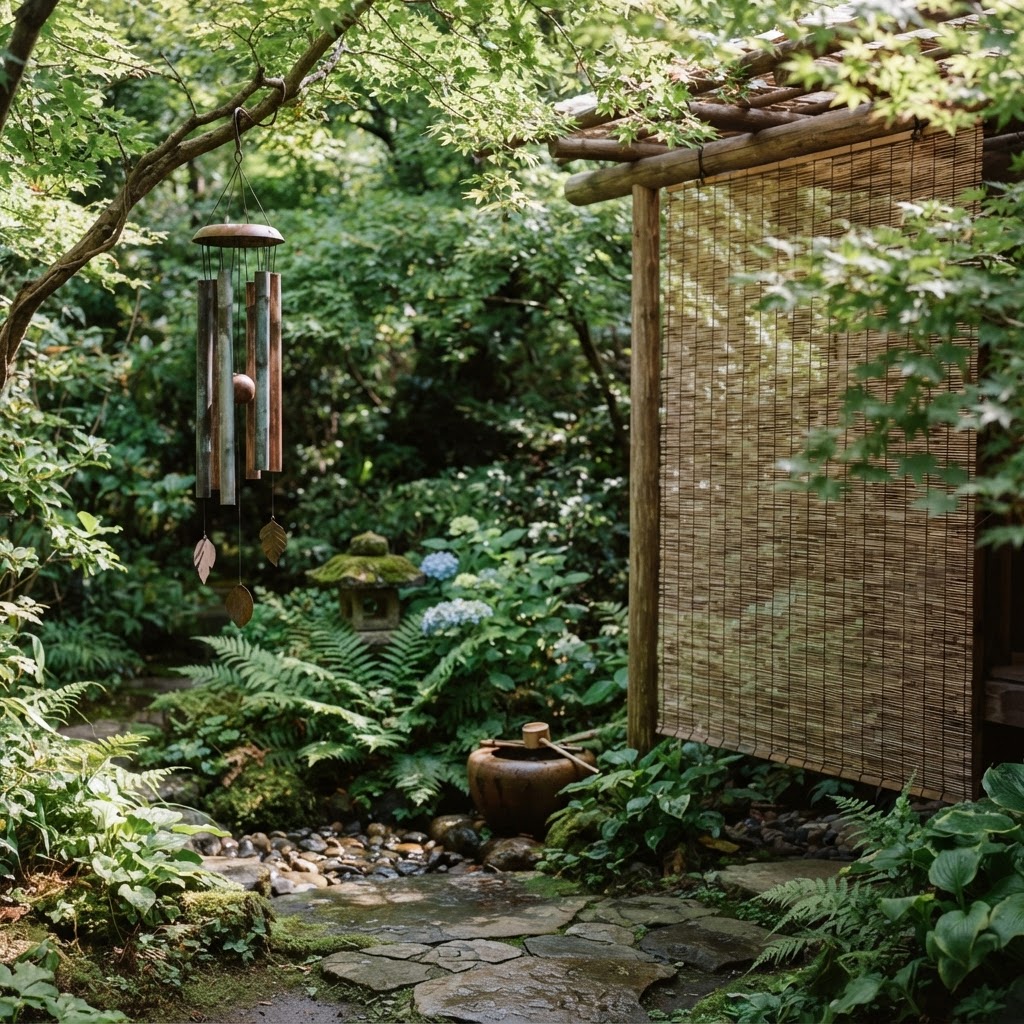
Sound does not have to come from plants. Wind chimes in wood, bamboo or metal give gentle music when the wind picks up, and a woven bamboo or reed screen adds a soft rustle as well as privacy. Pick chimes with a mellow tone rather than a high, tinkling one, especially if the garden is for someone who is sensitive to noise.
I like to hang chimes slightly away from the main seating area so they are a background sound rather than something right in your ear.
6. Lay a Textured Sensory Path
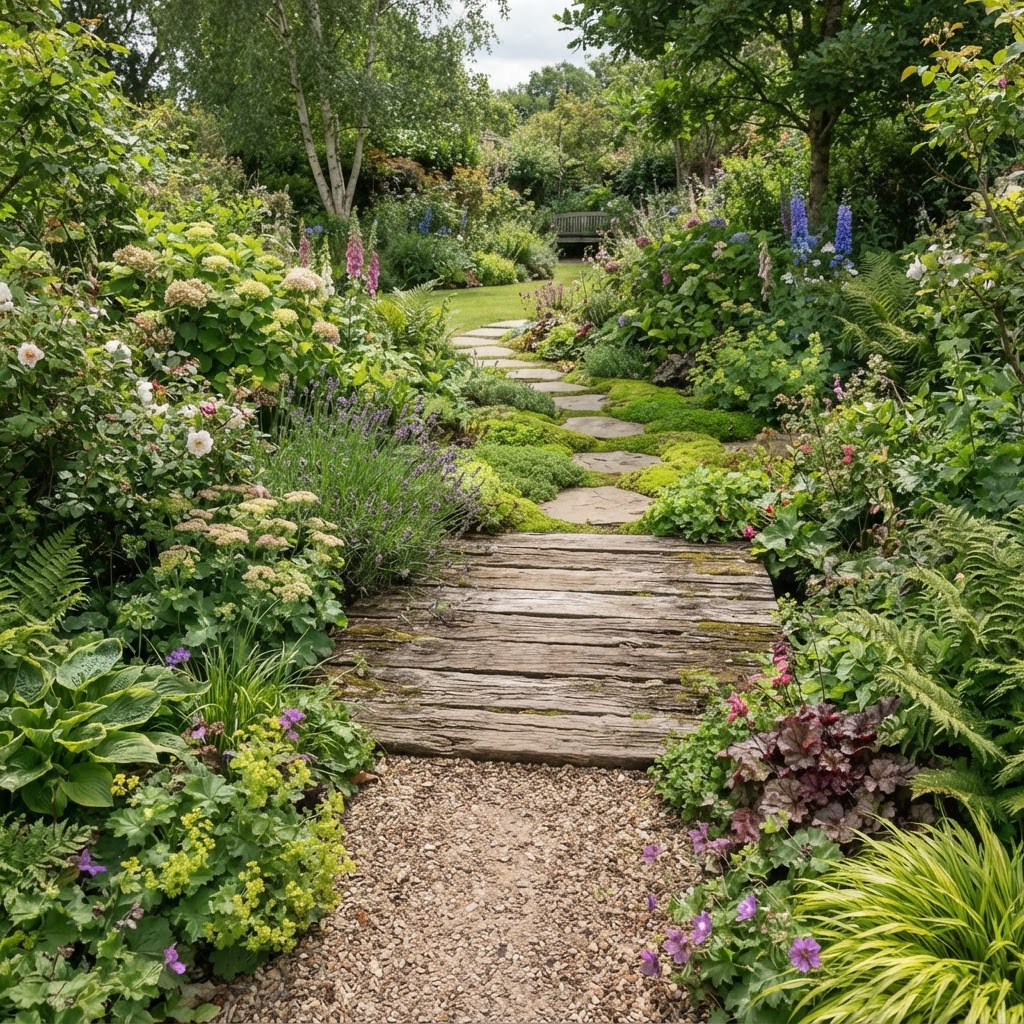
A path is a brilliant place to add texture underfoot. Switch between fine gravel, smooth stepping stones, timber boards, bark chippings and soft creeping thyme or moss between slabs. Each surface sounds and feels different, which makes simply walking through the garden an experience in itself.
Keep the main route firm, level and wide enough for a wheelchair or buggy, and save the more adventurous textures for a side loop. My piece on what hardscape landscaping is has more on choosing paving and path materials.
7. Build Raised Beds at Sitting Height
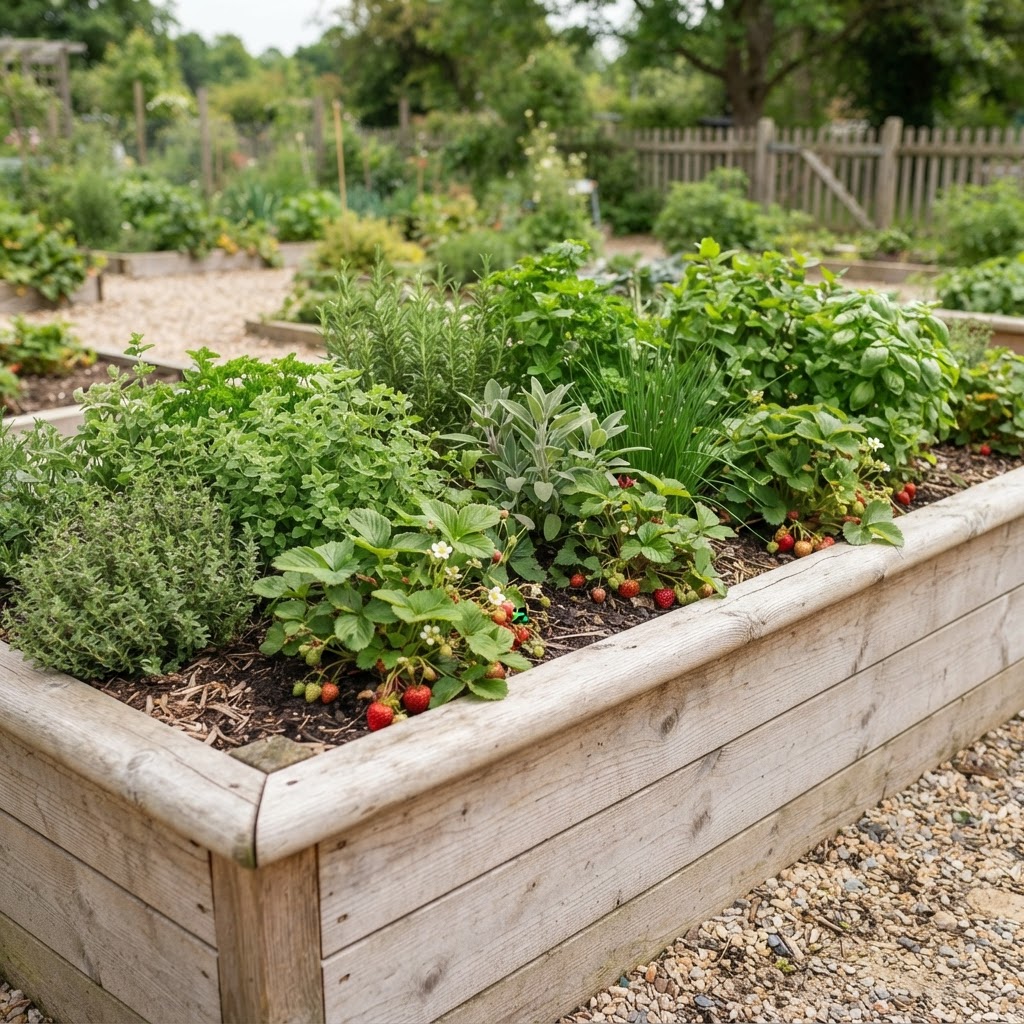
Raised beds bring plants closer to hands, noses and eyes, which is exactly what you want in a sensory garden. A bed around 60 to 75 centimetres tall is comfortable to reach from a chair or wheelchair, and a wide flat edge doubles as a perch. Fill them with strawberries, herbs and trailing plants that spill over the sides.
Raised beds are also kinder to older backs and knees, so they are a wise choice for gardens designed for grandparents and grandchildren to share.
8. Plant Bright, Bold Colour for Children
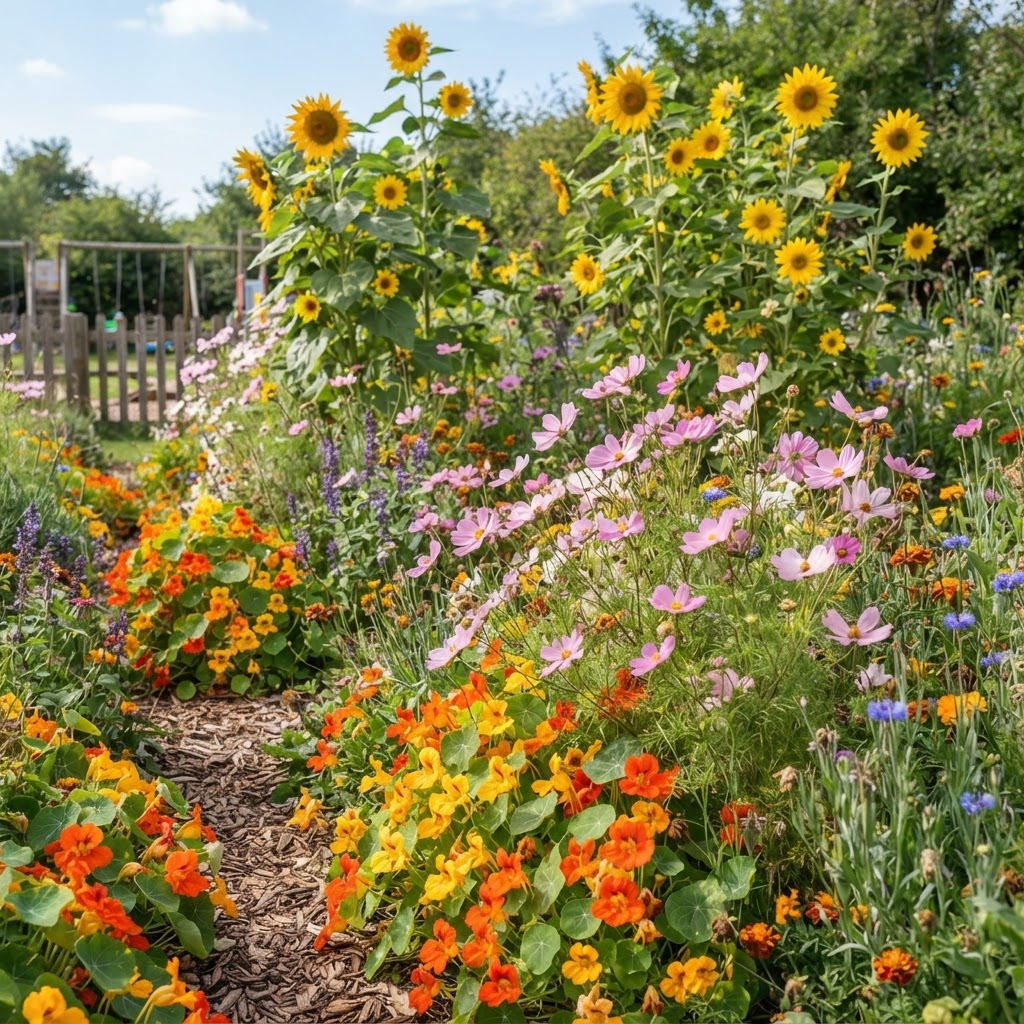
Children respond to strong colour and plants that do something dramatic. Sunflowers that grow taller than they are, cosmos that flower for months, orange nasturtiums and the round purple pompoms of alliums all hold their attention. Planting from seed adds another layer, because watching something grow from a seed is a sensory experience in its own right.
If you want a starting point, have a look at my posts on sunflower varieties and how to grow cosmos, both of which are easy wins with children.
9. Make a Scented Seating Arbour
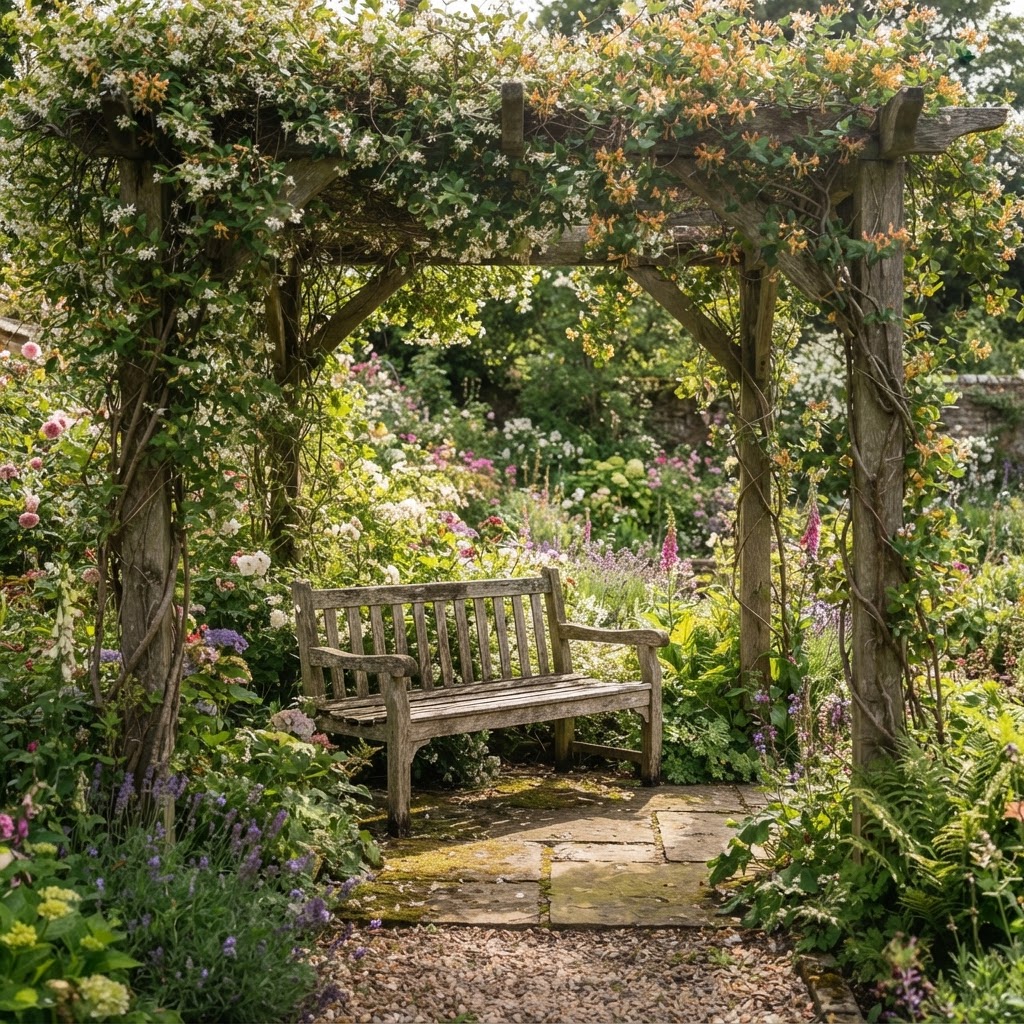
Somewhere comfortable to sit is non negotiable. The Sensory Trust notes that "Seating is one of the most important and most neglected features in landscape design." Place a bench under a pergola or arch and grow scented climbers over it, such as star jasmine, honeysuckle and a fragrant climbing rose, so that the air around you smells sweet on a warm evening.
For the climbers, have a look at my list of the most fragrant roses, and for dressing the structure itself, these pergola decorating ideas are a good next step.
10. Set Up a Mud Kitchen
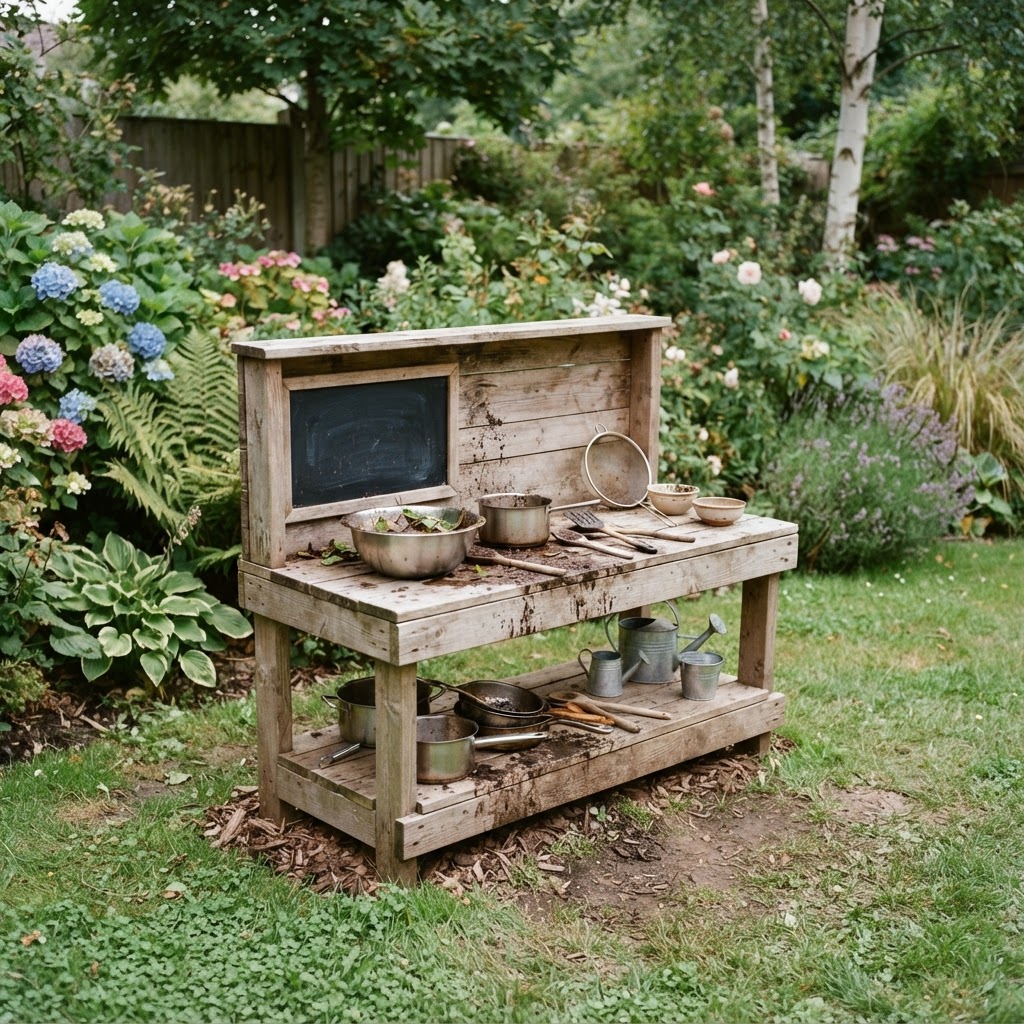
A mud kitchen is one of the best sensory garden ideas for kids. It is simply a small outdoor workbench with old pots, pans, spoons and containers where children can mix soil, water, petals and leaves into "recipes". It brings together touch, smell and imagination, and it keeps the messiest play in one easy to clean corner.
Many mud kitchens are made from reclaimed timber or pallets, which keeps the cost down. Place it near a water butt or outdoor tap and away from your best planting.
11. Invite Birds and Wildlife
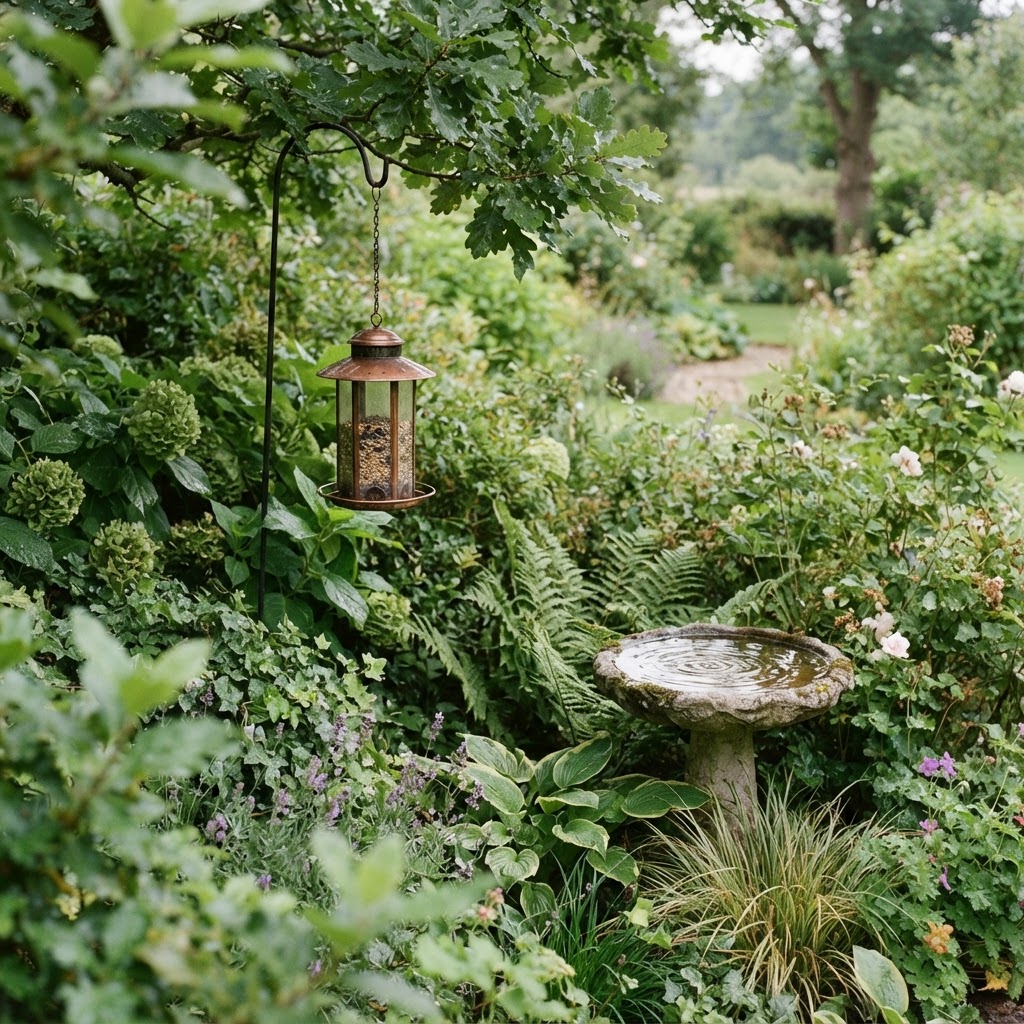
Wildlife brings sound and movement that no plant can match. A bird feeder and a shallow bird bath, placed where they can be seen from your seating area, bring birdsong and visitors throughout the year. Add nectar rich flowers such as lavender, salvia and butterfly bush to bring in bees and butterflies over the summer.
A small log pile or bug hotel in a shady corner gives children something to explore and adds a little wildness to the garden.
12. Grow a Taste Corner
Taste is the sense most often forgotten in garden design. A small taste corner with strawberries, cherry tomatoes, peas, chives, mint and edible nasturtium flowers lets people pick and eat straight from the plant. Label it clearly so everyone knows which plants are safe to eat, and keep it physically separate from ornamental borders.
13. Make a Garden Sensory Bin
A garden sensory bin is a large tray or shallow box filled with natural materials to explore by hand. It is a lovely idea for small gardens, balconies and rainy days under cover. Some of my favourite fillings:
- Dry soil or compost with a few small trowels and pots
- Smooth pebbles, pine cones and conkers in autumn
- Dried lavender heads, rose petals and rosemary sprigs for scent
- Bark chippings, seed pods and dried grasses for texture
- Water with floating leaves and petals on a warm day
Swap the contents with the seasons and the bin never gets boring.
Sensory Garden Ideas for Children
A children's sensory garden needs to be safe first and exciting second. Children explore with their hands and mouths, so plant choice really matters. Avoid poisonous plants such as foxglove, laburnum, yew, lily of the valley, daphne and monkshood anywhere children play, and steer clear of spiky plants such as berberis and pyracantha along paths.
Then build in things to do as well as things to look at. Mud kitchens, a small digging patch, sunflowers to measure against, a sensory bin, stepping stones and a hidey hole made from willow or tall grasses all encourage play. A sensory garden for kids should also be easy to supervise, with clear sightlines from the house or seating area.
Autism Sensory Garden Ideas
For autistic children and adults, a sensory garden can be wonderfully calming, but only if it is designed with care. Some people seek out sensory input while others are easily overwhelmed, and the same person can feel different from one day to the next. The answer is choice: a garden with both busy, stimulating areas and quiet, low sensory spaces to retreat to.
| Zone | What to Include | What to Avoid |
|---|---|---|
| Calm zone | Enclosed seating, soft green planting, gentle grasses, a hammock or swing, dappled shade | Strong scents, bright clashing colour, loud chimes |
| Active zone | Textured path, mud kitchen, sensory bin, water play, bright flowers | Sharp edges, slippery surfaces, toxic plants |
| Transition | Clear path, predictable layout, simple visual markers between zones | Sudden changes in surface or level without warning |
Predictability helps too. A clear layout, one obvious route around the garden and simple markers, such as a change of paving colour or an archway, help people understand where they are and what comes next. Keep scent and sound gentle in the calm zone, and remember that the Sensory Trust advice applies here more than anywhere: "Comfort is very important and often overlooked."
How I Plan a Sensory Garden
When I plan a sensory garden, I always start with the seat, not the plants. I ask where someone will sit, what they will see from there, what they will smell on a warm evening and what they can reach without getting up. Once that spot is right, the rest of the garden grows out from it.
As a florist, I choose plants for a sensory garden the same way I choose stems for a bouquet: one or two scented stars, plenty of soft texture to hold everything together, and something with movement so it never looks static. Lavender, lamb's ear and a few stems of quaking grass would make a lovely posy, and they make a lovely border for exactly the same reasons.
I also like to plan for every season. Spring bulbs and blossom, summer scent and colour, autumn seed heads and grasses, and winter structure with evergreens and birch bark mean the garden always has something to offer.
Sensory Garden Design Checklist
| Element | Simple Version | Bigger Budget Version |
|---|---|---|
| Path | Gravel with stepping stones | Mixed surface loop with level main route |
| Seating | Single bench | Arbour with scented climbers |
| Water | Bird bath or water bowl | Bubbling stone or millstone fountain |
| Sound | Wind chime and grasses | Bamboo screen, grasses and water feature |
| Play | Sensory bin | Mud kitchen, digging patch and willow den |
| Planting | Herb pots and lavender | Raised beds, scented borders and taste corner |
You do not need to do everything at once. Start with a comfortable seat, a few scented plants and a textured path, then add a new layer each season. If you are working with a small plot, my small cottage garden ideas are full of planting that suits a sensory scheme beautifully.
Frequently Asked Questions
What should be in a sensory garden?
A sensory garden should include plants and features for sight, sound, smell, touch and taste, along with a clear path and comfortable seating. Good examples are lavender and herbs for scent, lamb's ear and grasses for touch, water and chimes for sound, bright flowers for sight and strawberries or herbs for taste.
What are the best plants for a sensory garden?
Some of the best sensory garden plants are lavender, rosemary, lamb's ear, mint, lemon balm, quaking grass, Mexican feather grass, sunflowers, jasmine, honeysuckle and strawberries. They are easy to grow in the UK and each appeals to more than one sense.
How do you make a sensory garden for kids?
Choose safe, non toxic plants, add things to do such as a mud kitchen, digging patch and sensory bin, and include bright flowers that grow quickly, like sunflowers and nasturtiums. Keep the layout easy to supervise and avoid deep water and prickly plants.
What makes a good autism sensory garden?
A good autism sensory garden offers choice, with both active areas full of texture and play and calm, enclosed areas with gentle planting and quiet seating. A clear, predictable layout and soft sound and scent in the quieter zones help prevent sensory overload.
What is a garden sensory bin?
A garden sensory bin is a shallow tray or box filled with natural materials such as soil, pebbles, pine cones, dried lavender, petals and bark for children to explore with their hands. It is easy to set up and you can change the contents with the seasons.
Can you make a sensory garden in a small space?
Yes. A small sensory garden can be as simple as a bench surrounded by pots of herbs and lavender, a wind chime, a bird feeder and a sensory bin. Raised beds and wall planters make the most of limited room by bringing plants up to hand and nose height.
Which plants should you avoid in a sensory garden?
Avoid poisonous plants such as foxglove, laburnum, yew, lily of the valley, daphne and monkshood, especially where children will play. Prickly plants like berberis, pyracantha and holly should be kept well away from paths and seating.
Bringing Your Sensory Garden Together
The most memorable sensory gardens are not the biggest or the most expensive. They are the ones where every step brings something new to notice, whether that is the scent of rosemary, the rustle of grass or the cool touch of water. Start with somewhere comfortable to sit, layer in plants for each sense and add a new idea each season, and your garden will become a place people genuinely want to spend time in.
If you would like help planning a sensory garden for your family, a school or someone you care for, I offer one hour design consultations where we can work through the layout, planting and budget together. Book a consultation and let's create a garden that feels as good as it looks.
About the author
Magda Callery is a UK interior designer and florist with more than 15 years' experience designing homes, pubs, restaurants and bars, and her expert commentary has featured in Homes & Gardens, The Mirror and The Spruce. Explore more of the flowers & garden articles.
Continue reading

Garden Ideas Using Pallets: 13 Cheap DIY Projects
Thirteen garden ideas using pallets, from vertical planters and raised beds to sofas and compost bins, plus how to check a pallet is safe first.

Small Cottage Garden Ideas: 13 Ways to Get the Look
Small cottage garden ideas for UK gardens: 13 ways to get the English cottage look in a small space, plus the best cottage garden plants, shrubs and layout tips.


White Rose Symbolic Meaning: 13 Things White Roses Say
The white rose symbolic meaning, from a florist: purity, new beginnings, remembrance and more, plus white roses in history and when to give them.