
What Is Hardscape Landscaping? Hardscape vs Softscape
What is hardscape landscaping? The built parts of a garden, how hardscape differs from softscape, 13 common features, materials compared and drainage tips.
By Magda Callery, interior designer and florist
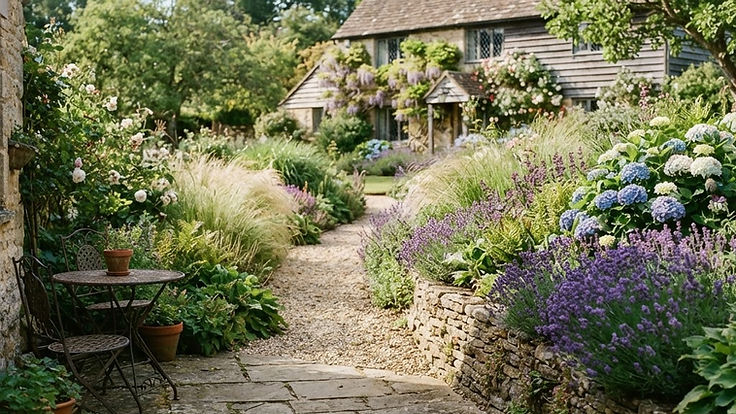
If you've started planning a garden makeover, you've probably come across the word hardscape. It's one of the most useful terms in garden design, because it describes the permanent, built structure of an outdoor space: the patios, paths, walls and steps that everything else grows around. Get the hardscape right and a garden feels organised, usable and beautiful all year. Get it wrong and no amount of planting will fix it.
In this guide I'll explain what hardscape landscaping is, how it differs from softscape and from landscaping in general, the most common hardscape features, the best materials, why drainage matters, how to balance hard and soft elements, and the mistakes to avoid.
The quick answer: hardscape landscaping is the non-living, built part of a garden or outdoor space, such as patios, paths, driveways, walls, steps, decks, pergolas, edging, fire pits and water features, made from materials like stone, brick, concrete, gravel and wood. Softscape is the living part: lawns, trees, shrubs, flowers and soil. Good landscaping combines the two.
What Is Hardscaping?
Hardscaping means designing and building the hard, permanent elements of an outdoor space. The word simply contrasts hard materials with the soft, living ones. Hardscape gives a garden its framework: it creates places to sit, routes to walk along, level areas on a slope, boundaries and focal points.
Because hardscape lasts for decades and is expensive to change, it's usually planned and built first. Planting comes afterwards, filling in, softening and bringing the structure to life.
Hardscape vs Softscape vs Landscaping
| Hardscape | Softscape | |
|---|---|---|
| What it is | Non-living, built elements | Living, growing elements |
| Examples | Patios, paths, walls, steps, decks, pergolas, edging, fire pits, water features | Lawns, trees, shrubs, flowers, hedges, ground cover |
| Materials | Stone, brick, concrete, gravel, porcelain, wood, metal | Plants, soil, turf, mulch |
| Changes over time | Very little; weathers slowly | Grows, flowers, changes with the seasons |
| Maintenance | Cleaning, sealing, occasional repair | Watering, pruning, weeding, feeding |
| When to install | First | After the hardscape is built |
What about landscaping? Landscaping is the umbrella term for shaping and improving an outdoor space as a whole. It includes both hardscape and softscape. So the difference between hardscape and landscape is that hardscape is one part of landscaping, the built part, while landscaping covers the entire design, living and non-living.
13 Common Hardscape Features
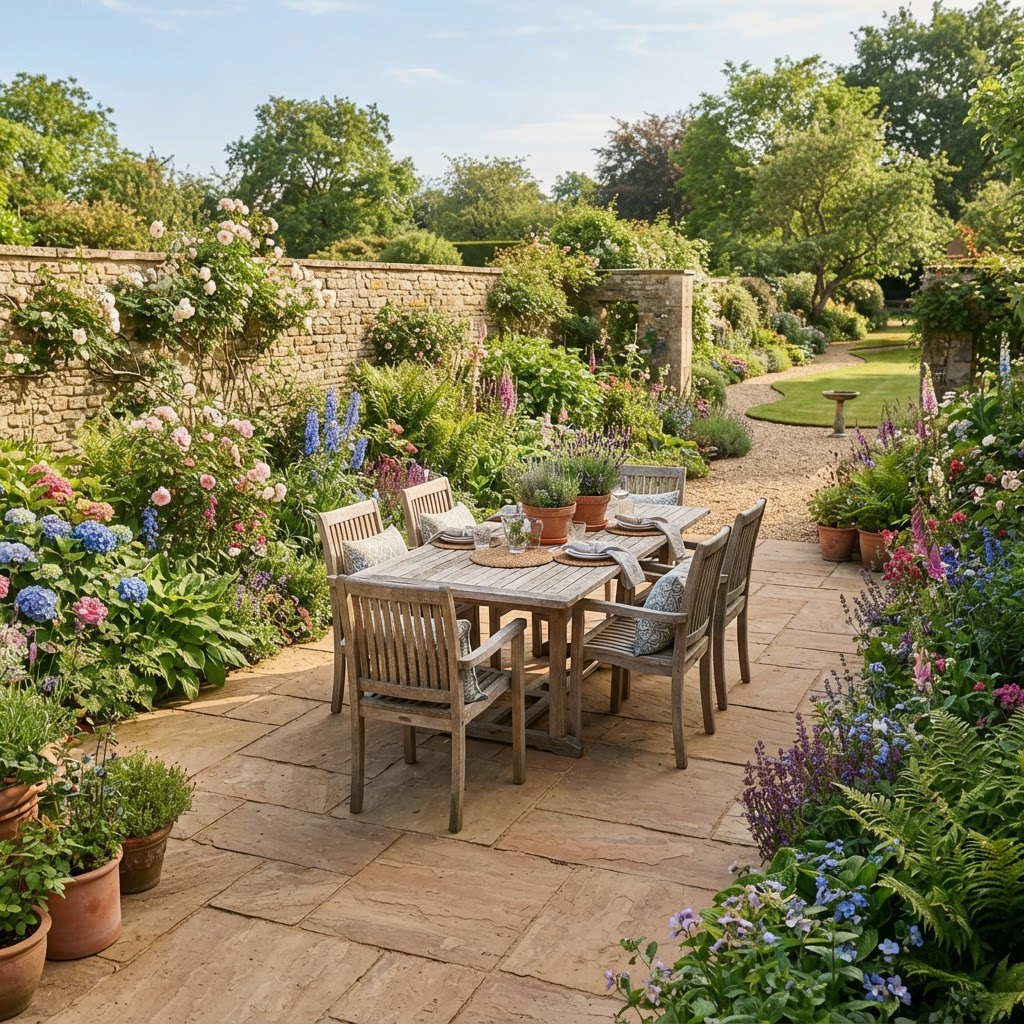
1. Patios. The heart of most gardens, a patio gives you a level, dry place to sit, eat and entertain. Natural stone, porcelain and concrete pavers are the most popular surfaces.
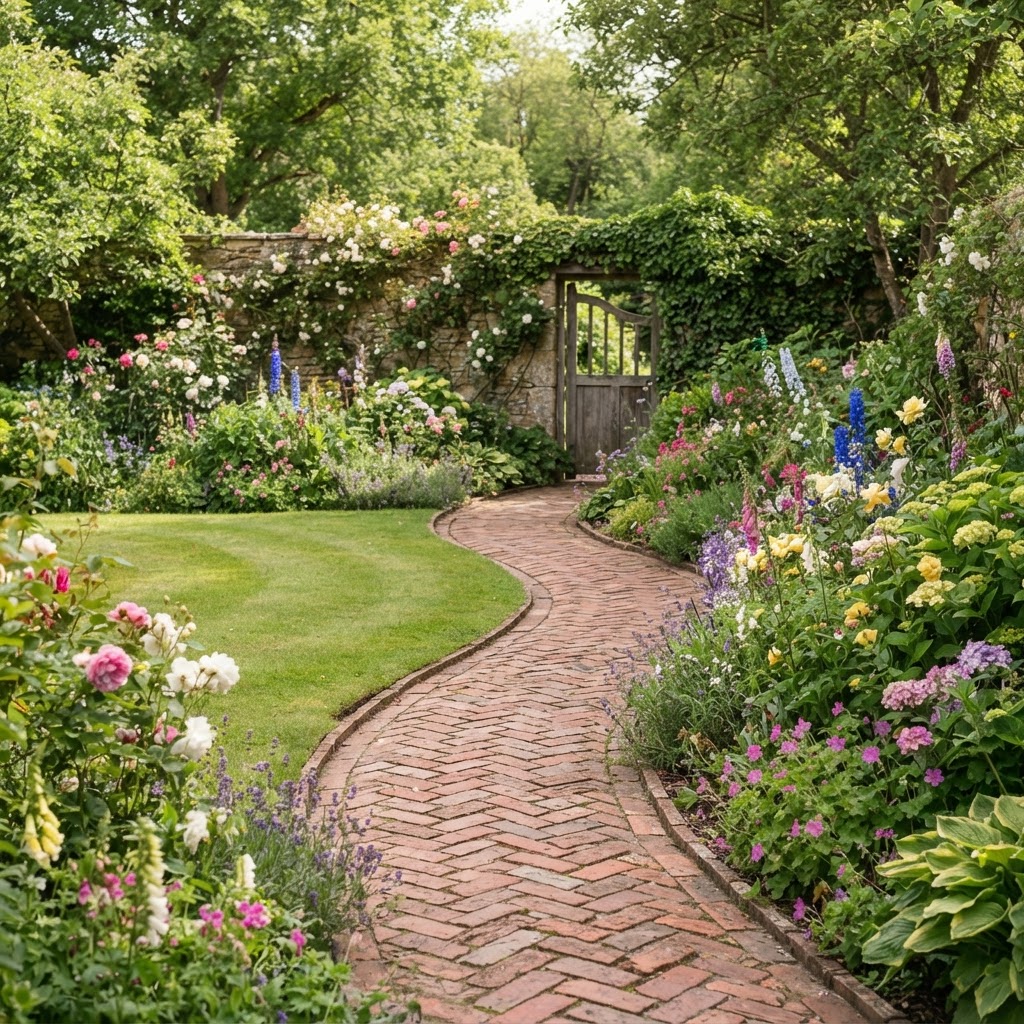
2. Paths and walkways. Paths guide people through a garden and protect lawns from wear. Curved paths feel relaxed and natural; straight paths feel formal and direct.
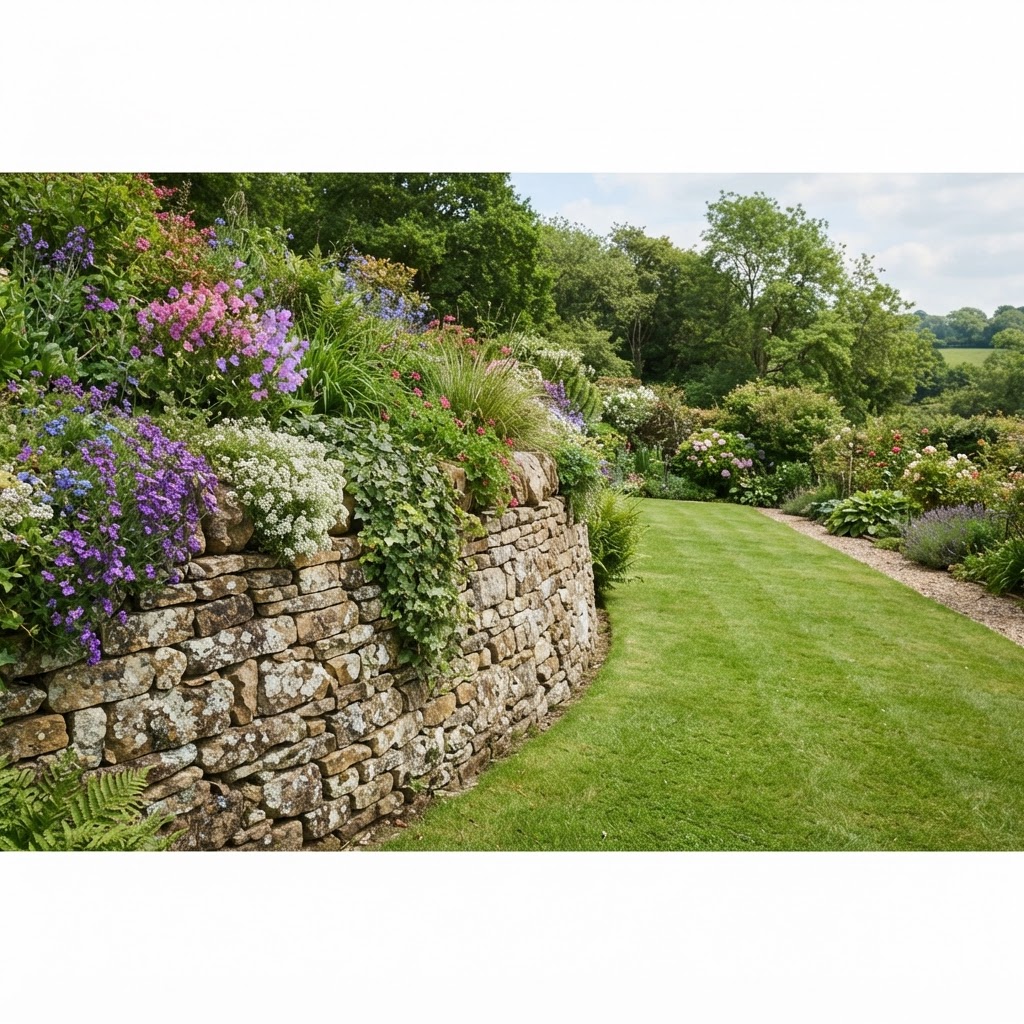
3. Retaining walls. On sloping sites, retaining walls hold back soil and create level terraces. Dry stone, brick, timber sleepers and concrete blocks are all common.
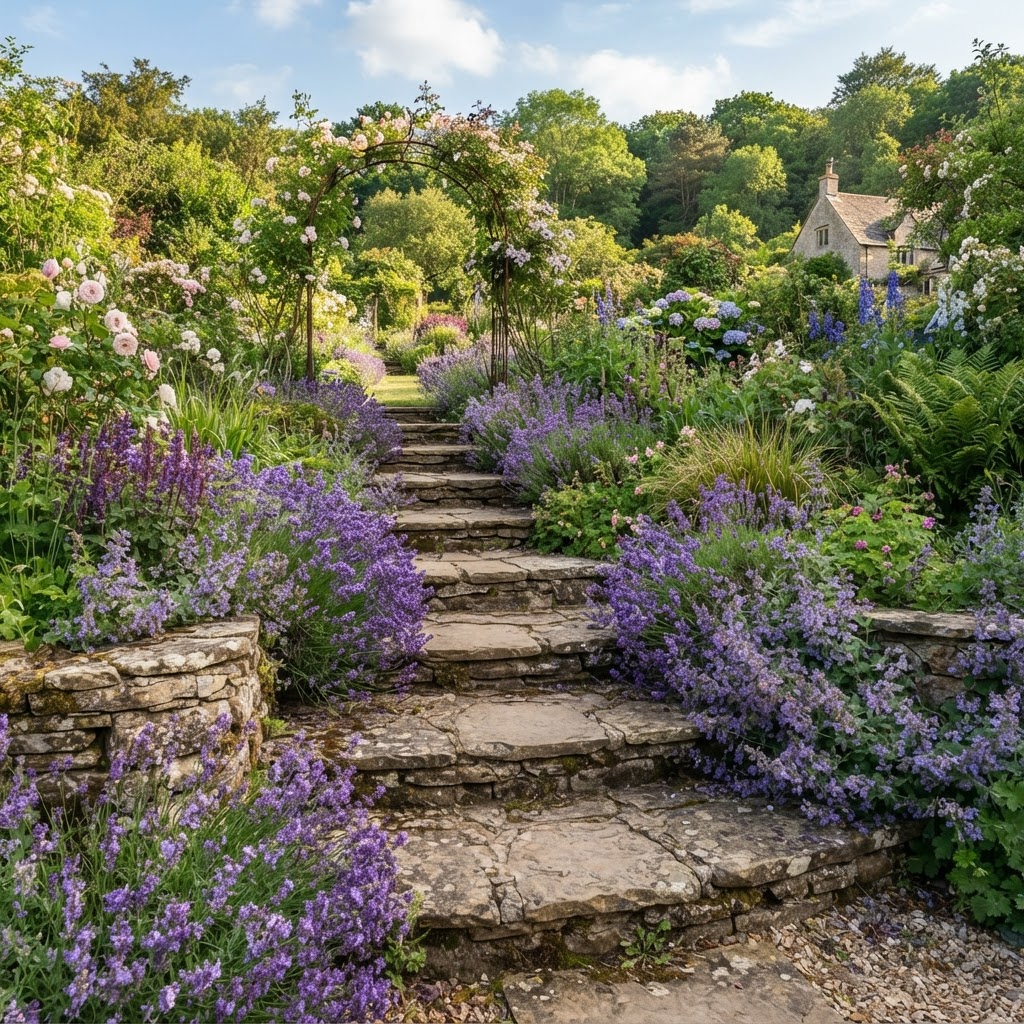
4. Garden steps. Steps connect levels safely and can become a feature in their own right, especially when planting spills over their edges.
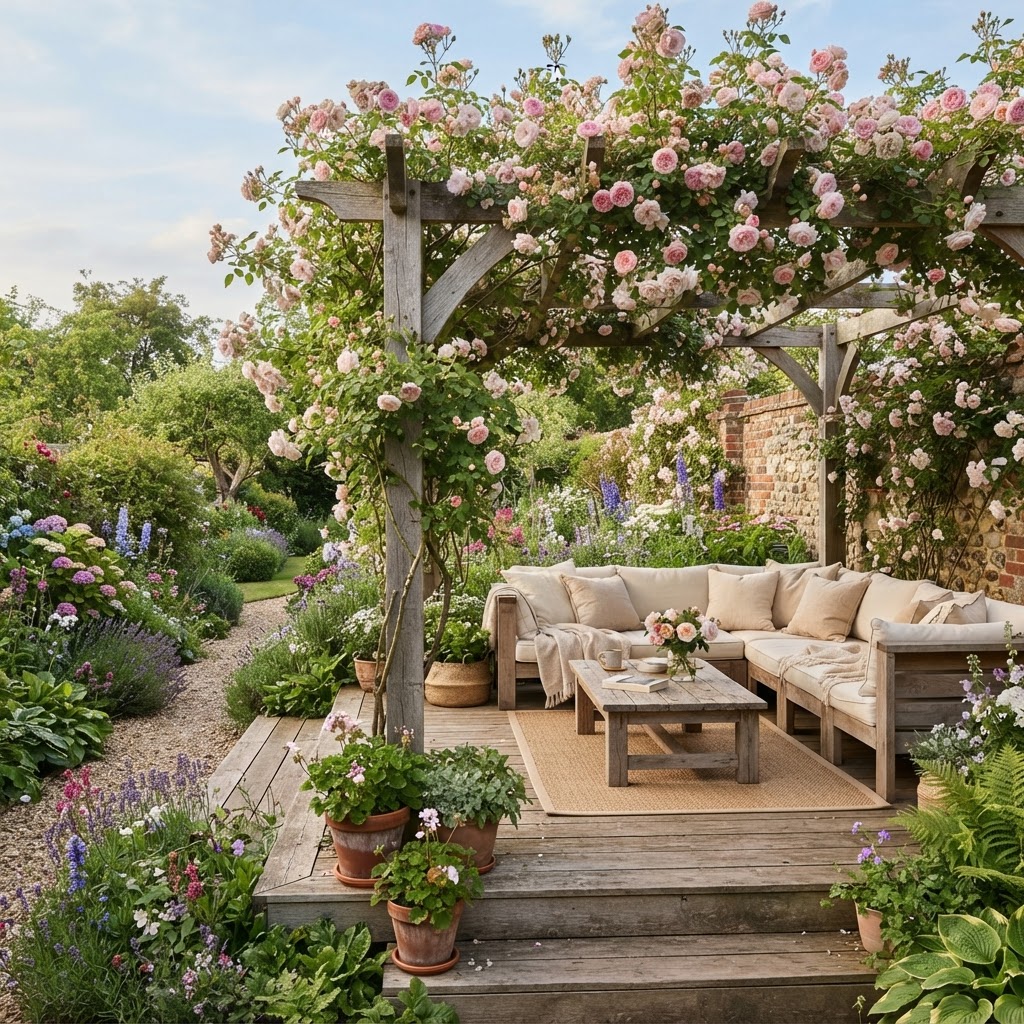
5. Decks. Timber or composite decks create a level outdoor room, especially on sloping ground or next to the house. The right deck railing ideas make a raised deck safe and stylish.
6. Pergolas and arbours. Structures that add height and shade and support climbing plants such as roses, wisteria and clematis.
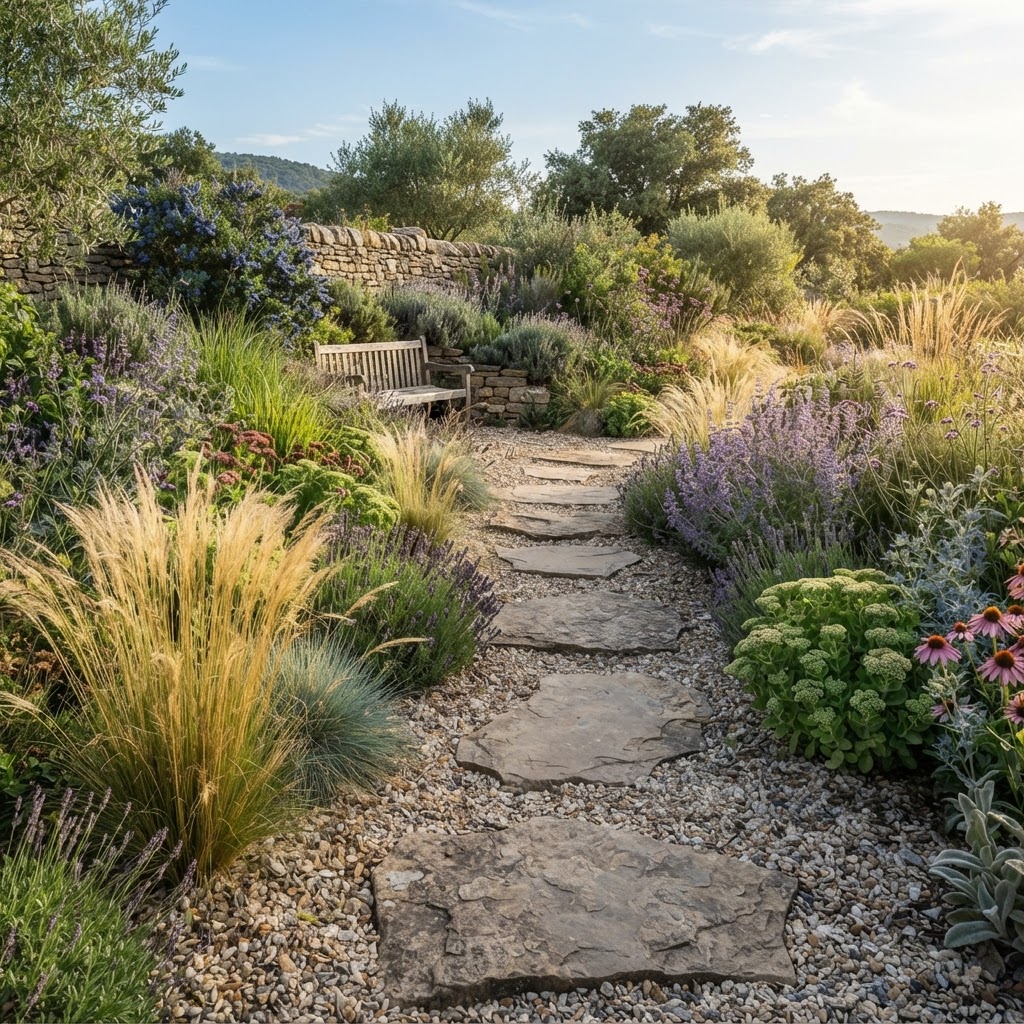
7. Gravel gardens and stepping stones. Gravel is affordable, drains well and suits drought-tolerant planting. Large stepping stones set into gravel make a simple, natural path.
8. Edging. Brick, steel, stone or timber edging gives lawns and borders a crisp outline and stops gravel and soil spilling onto paths.
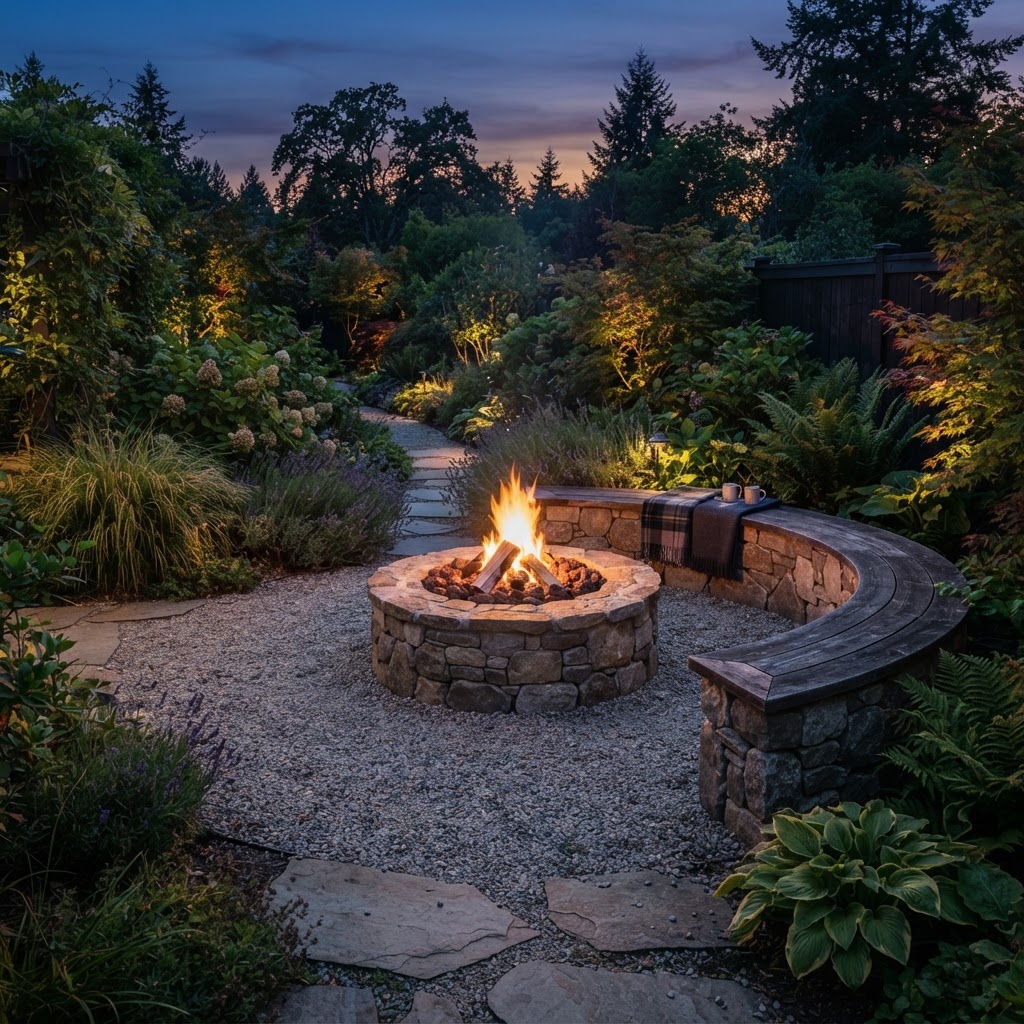
9. Fire pits. A built fire pit with stone or brick seating creates a natural gathering place for cool evenings.
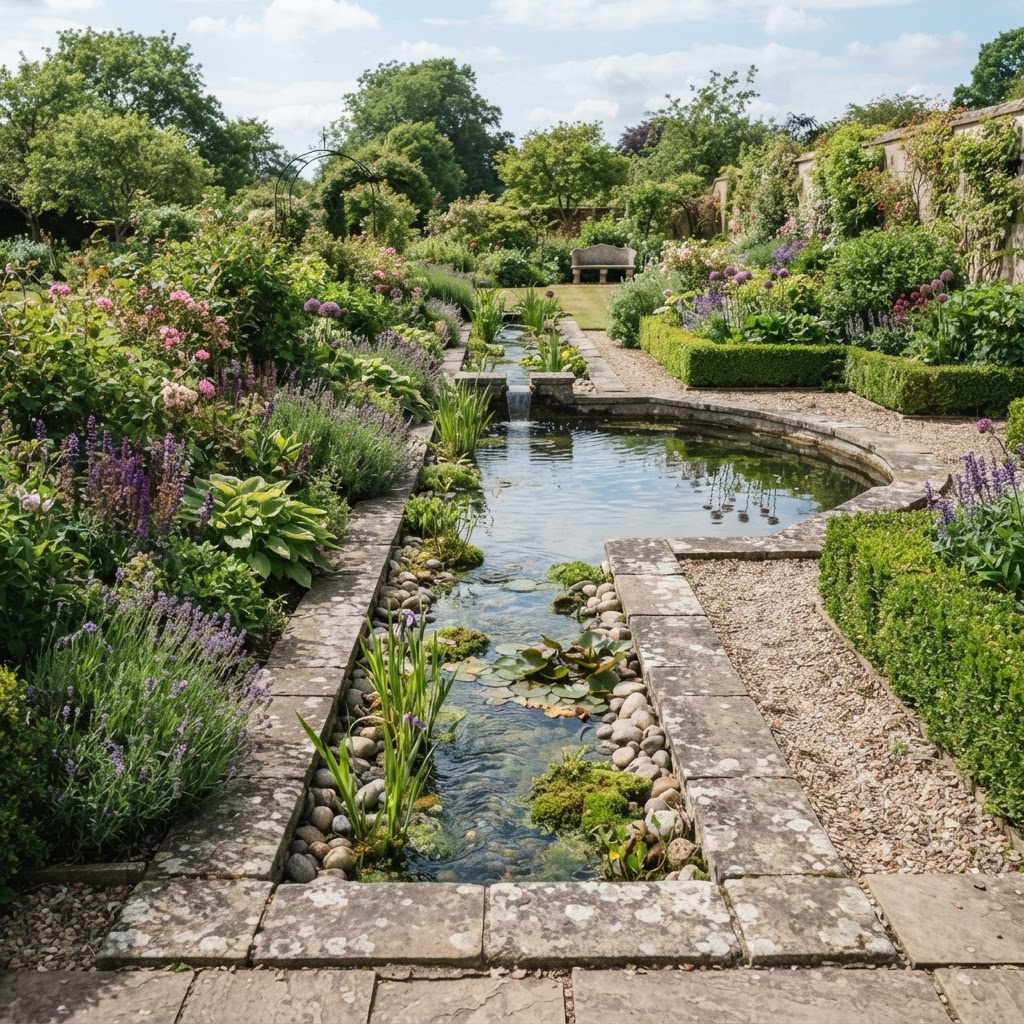
10. Water features. Ponds, rills, fountains and bird baths add sound, reflection and wildlife.
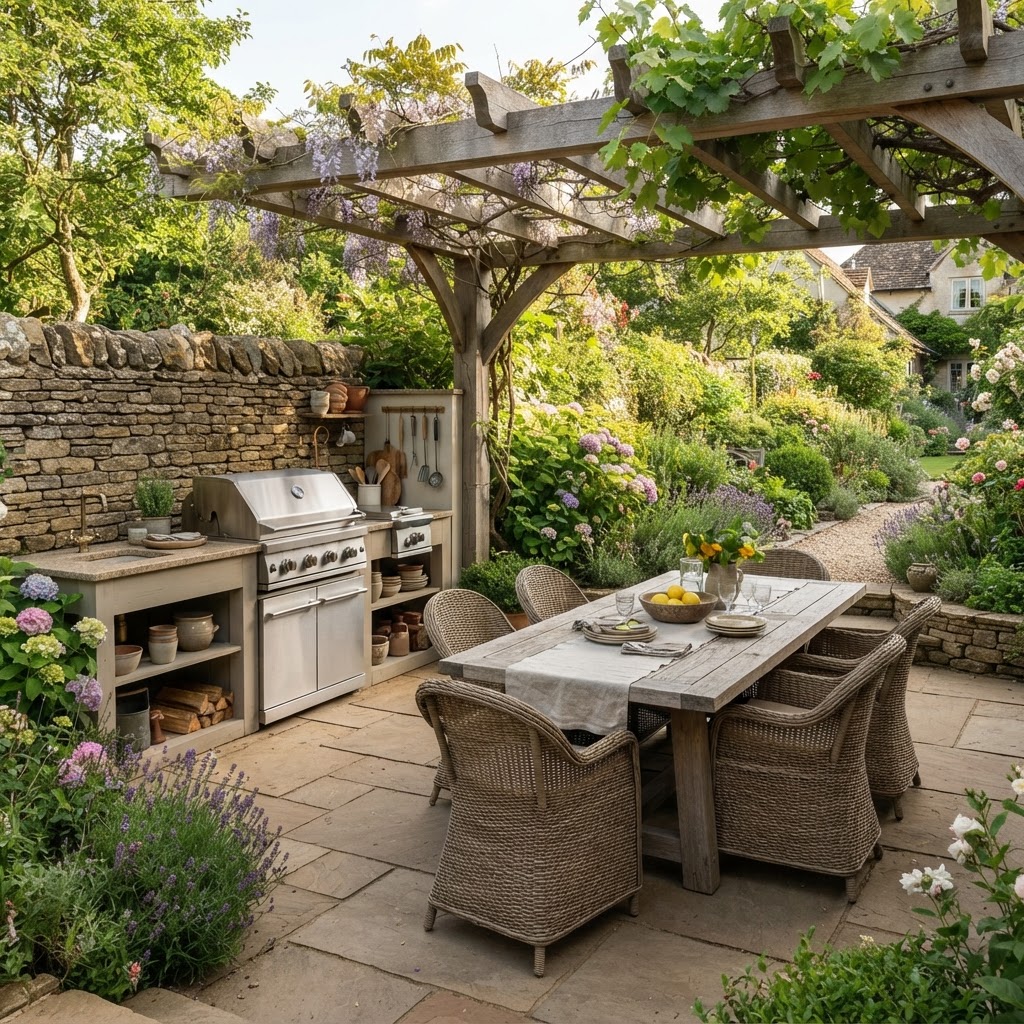
11. Outdoor kitchens and dining areas. Built-in barbecues, worktops and dining spaces extend the home outdoors. A tiled outdoor dining table is a lovely project for a smaller space.
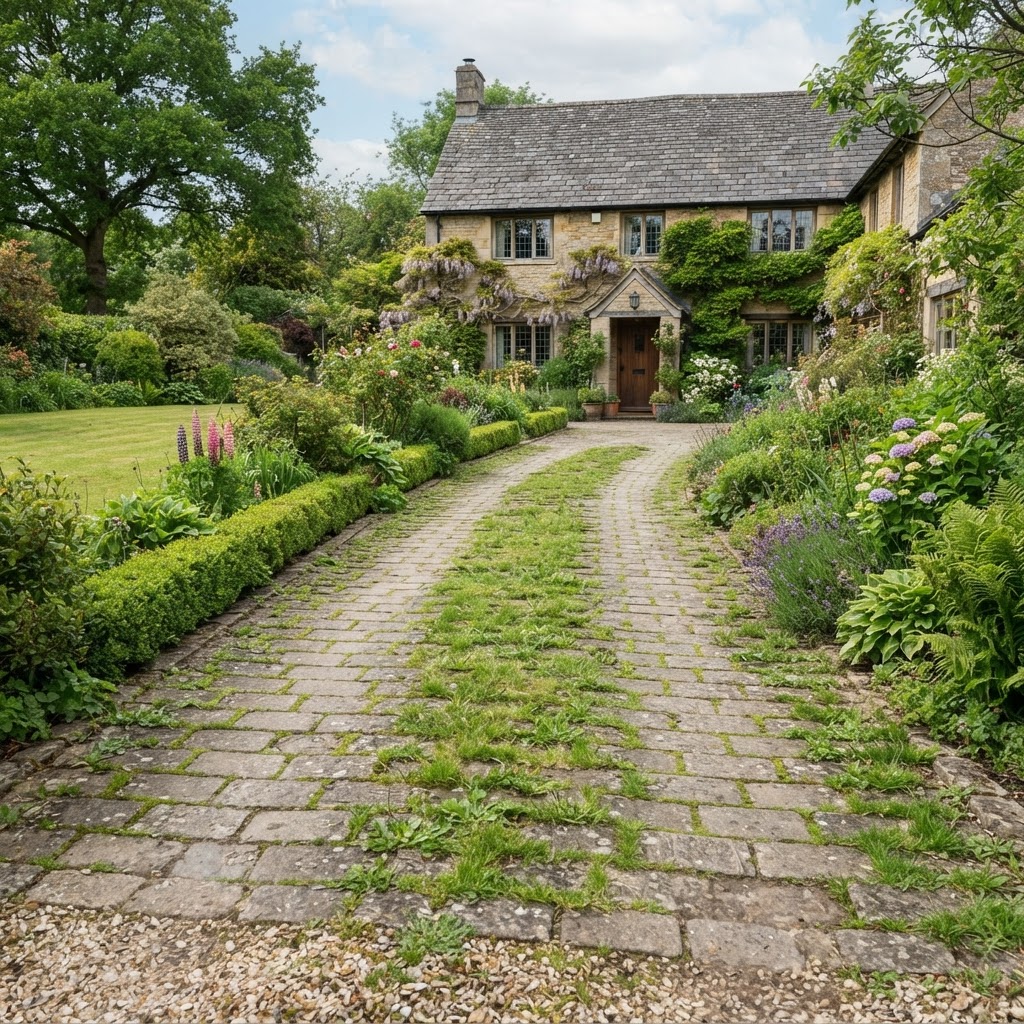
12. Driveways. A driveway is one of the largest hardscape surfaces of all. Permeable options such as gravel or grass-filled pavers help rain soak into the ground.
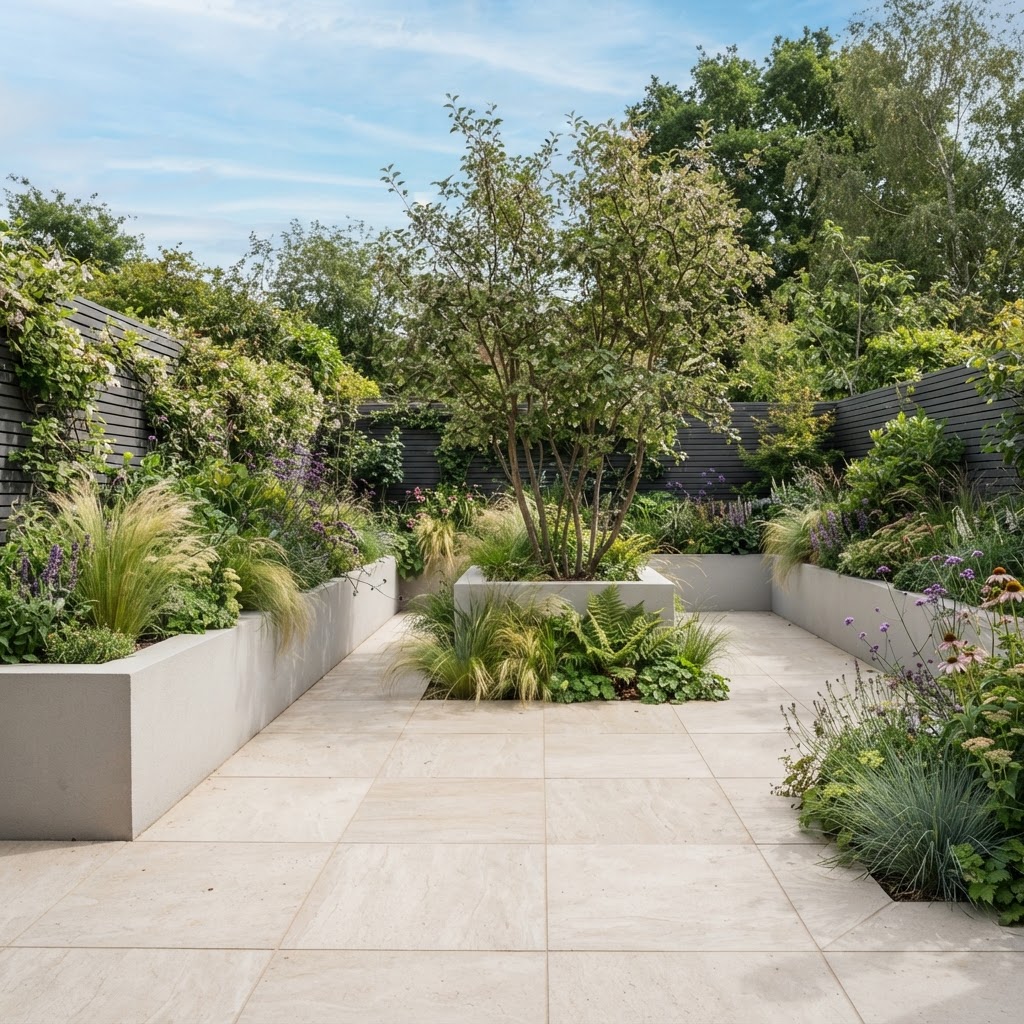
13. Fences, raised beds and boundaries. Fences, walls and raised beds define the edges and structure of a garden. Even simple garden fence ideas make a big difference to how a space feels.
Hardscape Materials Compared
| Material | Look | Durability | Maintenance | Relative cost |
|---|---|---|---|---|
| Natural stone (sandstone, limestone, slate, granite) | Timeless and varied | Excellent | Low to medium; some stones need sealing | High |
| Brick and clay pavers | Warm and traditional | Excellent | Low | Medium to high |
| Concrete pavers | Versatile, many styles | Very good | Low | Medium |
| Poured concrete | Clean and modern | Good, can crack | Low | Low to medium |
| Porcelain paving | Sleek, consistent, modern | Excellent, stain resistant | Very low | High |
| Gravel | Relaxed and natural | Good, needs topping up | Low to medium | Low |
| Timber | Warm and natural | Good with treatment | Medium; needs oiling or staining | Medium |
| Composite decking | Wood-like and consistent | Very good | Low | Medium to high |
A designer's tip: choose hardscape materials that echo your house. Brick paths suit brick houses, limestone suits pale render, and slate or dark porcelain suits modern homes. On a white brick house, reclaimed brick or pale stone paving ties the garden to the building.
Why Drainage Matters
Large areas of solid paving stop rain soaking into the ground, sending it towards drains, lawns or the house instead. Permeable materials help. As the US Environmental Protection Agency explains in its guidance on stormwater management, "permeable surfaces, unlike impermeable surfaces such as asphalt or concrete, allow stormwater to infiltrate."
- Choose permeable options such as gravel, permeable block paving or grass-filled pavers for driveways and large areas.
- Slope paving away from the house so water doesn't collect against the walls.
- Leave planting pockets in large patios so rain has somewhere to go.
- Check local rules. In some areas, paving over a front garden with impermeable materials needs permission.
How to Balance Hardscape and Softscape
- Plan the hardscape first. Decide where you'll sit, walk and park, then design the planting around it.
- Aim for balance. Too much hardscape feels cold and hot in summer; too little can leave a garden muddy and hard to use.
- Soften the edges. Let plants spill over paths and walls, and plant climbers on pergolas and fences.
- Use planting to frame hardscape. Borders around a patio make it feel enclosed and cosy.
- Choose plants that suit the space. Tough, long-flowering flowers for landscaping such as lavender, catmint and hydrangeas look wonderful beside stone and brick.
- Add trees and shrubs for height, such as one of the trees with red berries for winter colour.
What Affects the Cost of Hardscaping?
Hardscaping is usually the most expensive part of a garden project, because it involves materials, groundwork and skilled labour. The main factors are:
- The size of the area and how much excavation is needed.
- The material. Natural stone and porcelain cost more than gravel or concrete.
- The site. Slopes, poor access and drainage problems all add to the cost.
- Labour. Retaining walls, steps and complex patterns take longer to build.
Get several detailed quotes, and spend most where it matters: on the main patio and the routes you use every day. If you're also planning a pool, pool designs for small backyards need careful hardscape planning around them.
Common Mistakes to Avoid
| Mistake | Why it's a problem | What to do instead |
|---|---|---|
| Ignoring drainage | Puddles, flooding and damp walls | Slope paving and use permeable materials |
| Patios that are too small | Furniture doesn't fit | Measure your furniture and add circulation space |
| Too many materials | Looks busy and disjointed | Stick to two or three that suit the house |
| Paths that are too narrow | Awkward to use | Allow room for two people side by side on main paths |
| Hard edges everywhere | Feels cold and unwelcoming | Soften with planting and climbers |
| Planting first | Plants get damaged during building | Build the hardscape first |
Frequently Asked Questions
What is hardscape landscaping?
Hardscape landscaping is the non-living, built part of an outdoor space, such as patios, paths, walls, steps, decks, pergolas and water features, made from materials like stone, brick, concrete, gravel and wood.
What is the difference between hardscape and landscape?
Landscaping is the whole design of an outdoor space, both living and non-living. Hardscape is the built, non-living part of it, while softscape is the planting.
What is softscape?
Softscape is the living part of a garden: lawns, trees, shrubs, flowers, hedges and the soil they grow in.
Is a deck considered hardscape?
Yes. Decks, pergolas, fences and other built wooden structures are all hardscape.
Is mulch hardscape or softscape?
Organic mulch such as bark is usually treated as part of the softscape, because it's used in planting areas. Gravel and stone used as ground cover are hardscape.
Should hardscape or softscape be done first?
Hardscape is usually built first, because construction can damage plants and lawns. Planting follows once the structure is in place.
What is the most low-maintenance hardscape material?
Porcelain paving and good quality concrete pavers need very little maintenance, apart from occasional cleaning.
The Framework of a Beautiful Garden
Hardscape is the framework that makes a garden usable and beautiful in every season. Plan it carefully, choose materials that suit your house and your climate, take drainage seriously, and soften it with generous planting.
And if you'd like help connecting your home and garden, from exterior colours to the view from your windows, you can book a one-hour online interior design consultation with me.
About the author
Magda Callery is a UK interior designer and florist with more than 15 years' experience designing homes, pubs, restaurants and bars, and her expert commentary has featured in Homes & Gardens, The Mirror and The Spruce. Explore more of the flowers & garden articles.
Continue reading

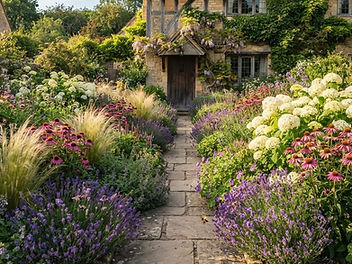
What Flowers Are Good for Landscaping? 21 Easy Picks
What flowers are good for landscaping? 21 easy, low-maintenance perennials, shrubs, annuals and bulbs, plus how to combine them for real kerb appeal.

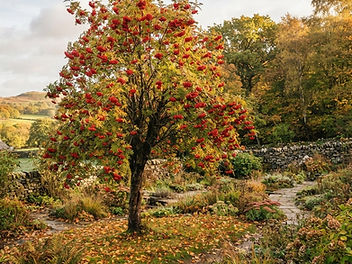
Trees With Red Berries: 17 Trees to Identify and Grow
17 trees with red berries, from rowan and holly to strawberry tree and yew: how to identify them, which are poisonous and which suit small gardens.

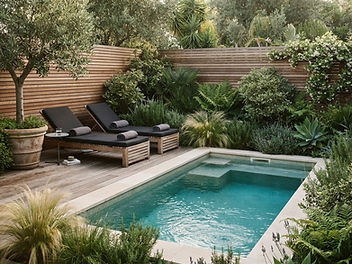
Pool Designs for Small Backyards: 21 Smart Ideas
21 pool designs for small backyards, from plunge pools, cocktail pools and lap pools to spools, container pools and natural swimming ponds, plus what to check first, typical costs, safety rules, planting and the mistakes to avoid.