
Butterfly Bush: How to Grow Buddleia and Is It Invasive?
How to grow and prune a butterfly bush, whether buddleia is invasive, how good it really is for butterflies, and 13 of the best varieties.
By Magda Callery, interior designer and florist
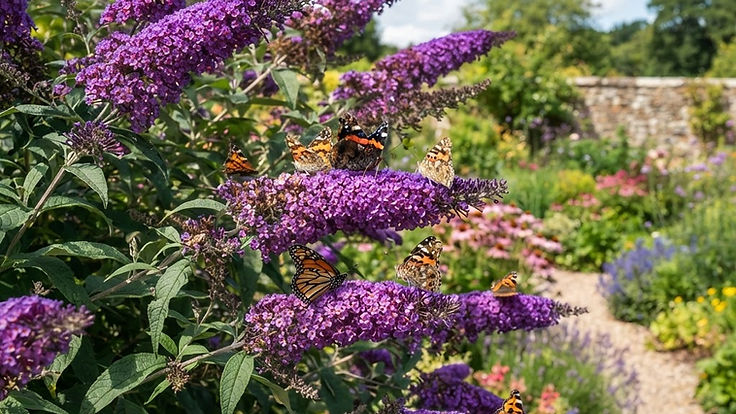
Few shrubs are as easy or as generous as the butterfly bush. Its long cones of honey-scented flowers in purple, white, pink and red appear from midsummer into autumn, and on a sunny day they're covered in butterflies. It grows fast, flowers on new wood and thrives on neglect. But the butterfly bush also has a darker side: in some places it seeds itself so freely that it has become an invasive weed.
In this guide I'll explain how to grow and prune a butterfly bush, whether it's invasive and how to grow it responsibly, how good it really is for butterflies, and 13 of the best varieties, including compact and seedless forms.
The quick answer: butterfly bush (Buddleja davidii, often spelled buddleia) is a fast-growing deciduous shrub that needs full sun and well-drained soil. Prune it hard in early spring, deadhead the flowers to stop it self-seeding, and choose sterile or low-seed varieties if you live where it's invasive. It's an excellent nectar plant for adult butterflies, but it doesn't feed their caterpillars.
Butterfly Bush at a Glance
| Butterfly bush (Buddleja davidii) | |
|---|---|
| Plant type | Fast-growing deciduous shrub |
| Size | Typically 6 to 8 ft high and 5 to 8 ft wide (about 2 to 2.5 m), smaller for dwarf varieties |
| Flowers | Long, scented panicles in purple, blue, pink, red and white |
| Flowering | Midsummer to autumn |
| Sun | Full sun, at least six hours a day |
| Soil | Well-drained; tolerates poor and chalky soil |
| Hardiness | Cold hardy in most of the UK; may die back to the ground in cold winters |
| Native to | China |
The Morton Arboretum's profile of butterfly bush notes that it "thrives in full sun" and, in colder climates, "will die back to ground in winter" before regrowing in spring.
Is Butterfly Bush Invasive?
It can be. Butterfly bush produces huge amounts of light, wind-blown seed, and it colonises railway lines, waste ground, old walls, riverbanks and quarries. In the UK it's a familiar sight on railway embankments and city wasteland.
In parts of the United States it's regulated. Washington State's Noxious Weed Control Board explains that it forms "dense thickets, especially along river banks and gravel bars," and that "one cultivar produces an estimated 40,000 seeds per flower head." In Washington, it's a quarantined species "except for 'accepted sterile cultivars'," according to the board's page on butterfly bush.
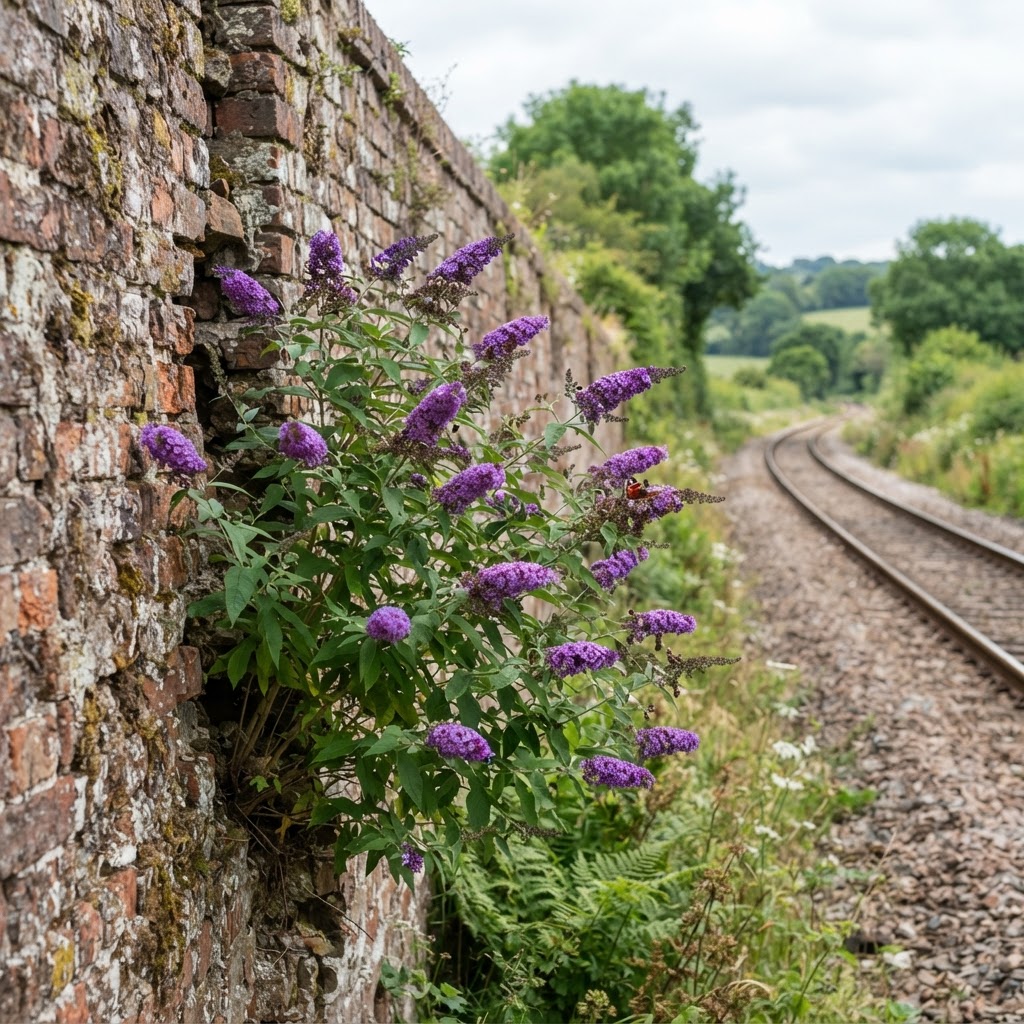
How to grow it responsibly:
- Check local rules before planting, especially in the Pacific Northwest of the US.
- Choose sterile or low-seed varieties where they're available.
- Deadhead faded flowers before they set seed.
- Pull up seedlings as soon as you see them.
- Don't plant near rivers, railways or wild land, where seed can escape easily.
Is Butterfly Bush Good for Butterflies?
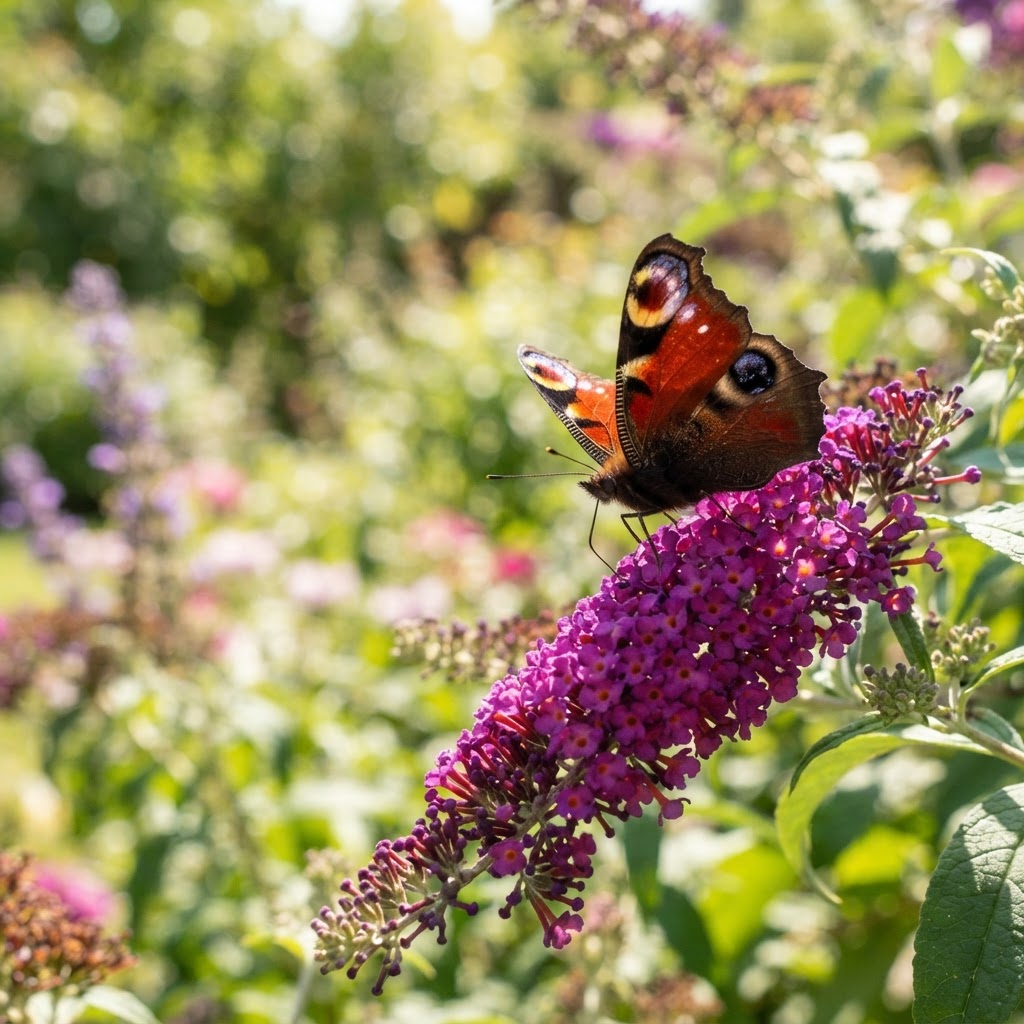
For adult butterflies, yes. Its flowers are packed with nectar and attract peacocks, red admirals, painted ladies, commas, swallowtails and many moths and bees. But the Morton Arboretum notes that it "will not support development of butterfly larvae (caterpillars)." Butterflies need specific host plants for their caterpillars, such as nettles, milkweeds, native grasses and trees.
So a butterfly bush is a wonderful nectar station, but it works best as part of a garden that also includes host plants and native flowers. Combine it with other long-flowering flowers for landscaping and a wild corner of native plants.
13 Beautiful Butterfly Bush Varieties
Classic Buddleja davidii varieties
1. 'Black Knight'. Very dark violet flowers with an orange eye; one of the richest colours.
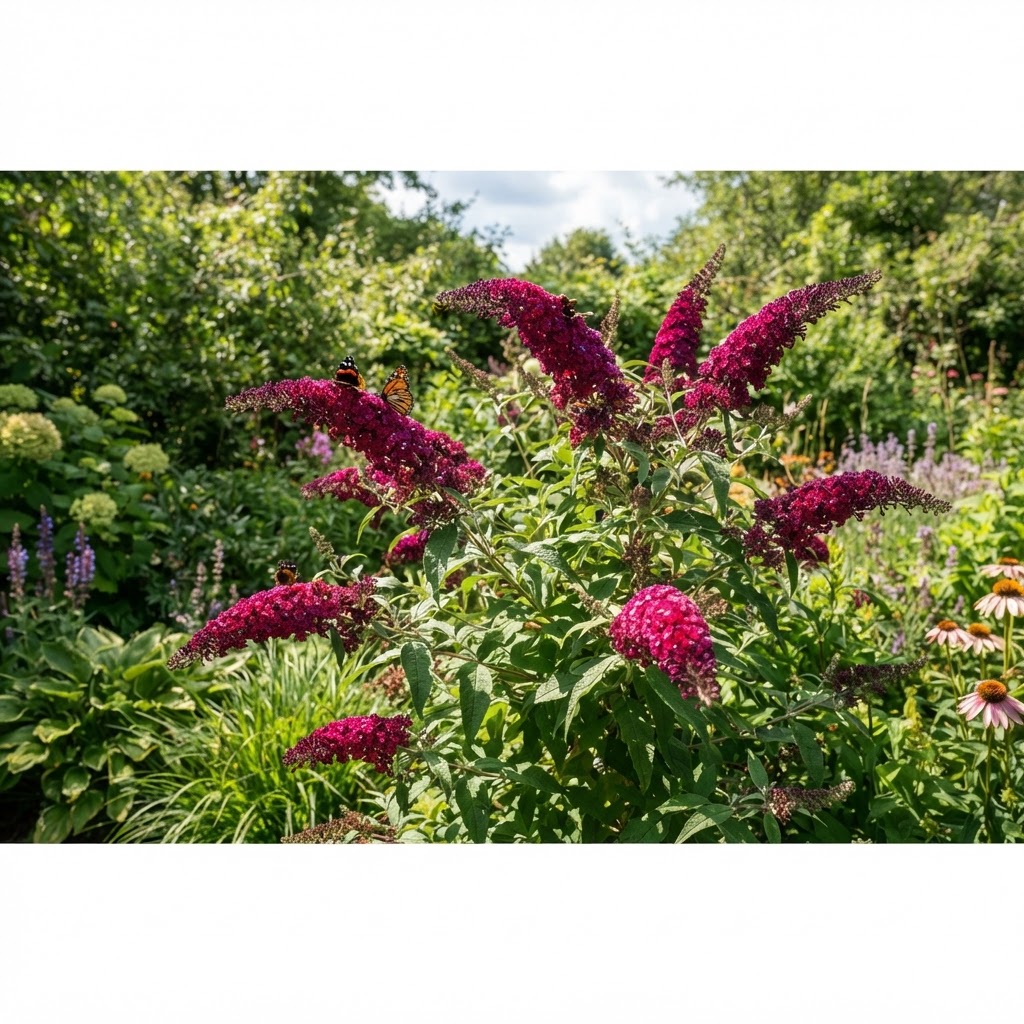
2. 'Royal Red'. Large, red-purple flower spikes that look bold against green foliage.
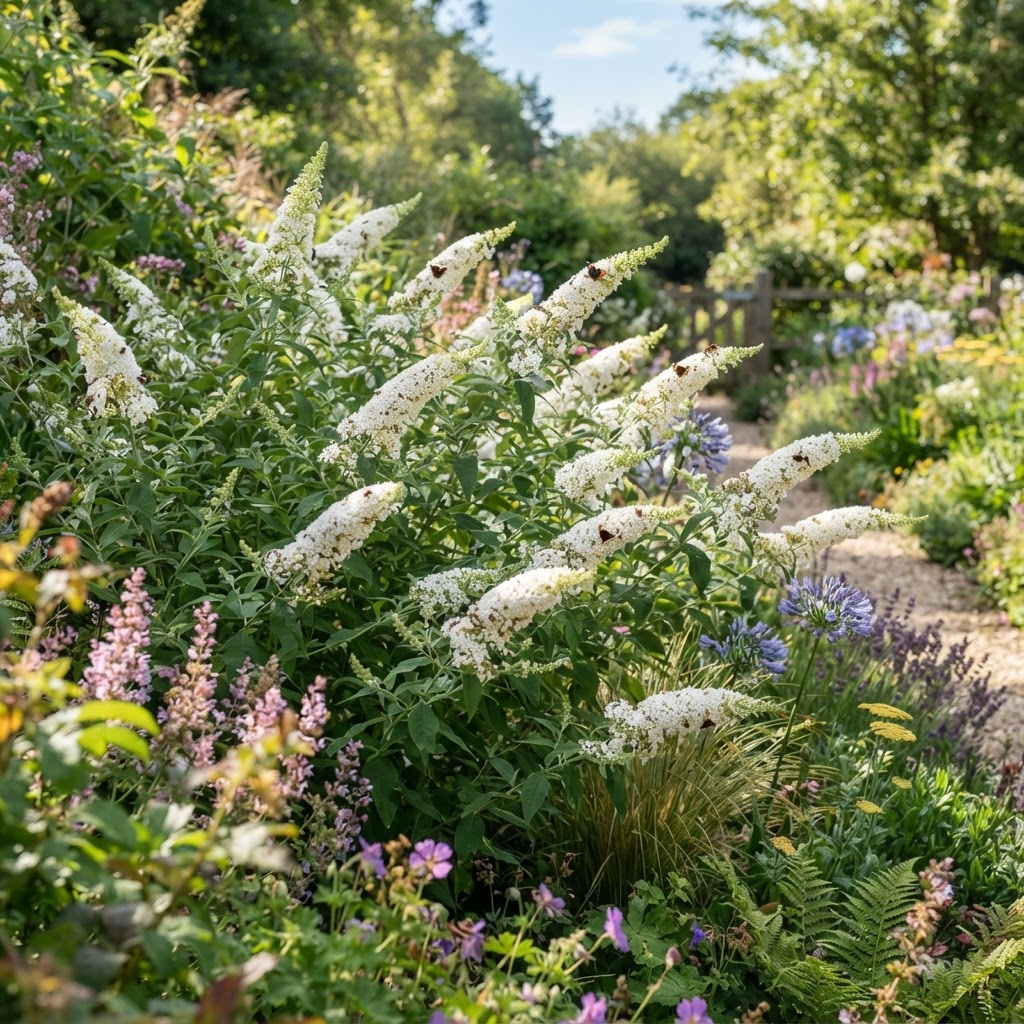
3. 'White Profusion'. Long, pure white panicles with a yellow eye and a strong honey scent.
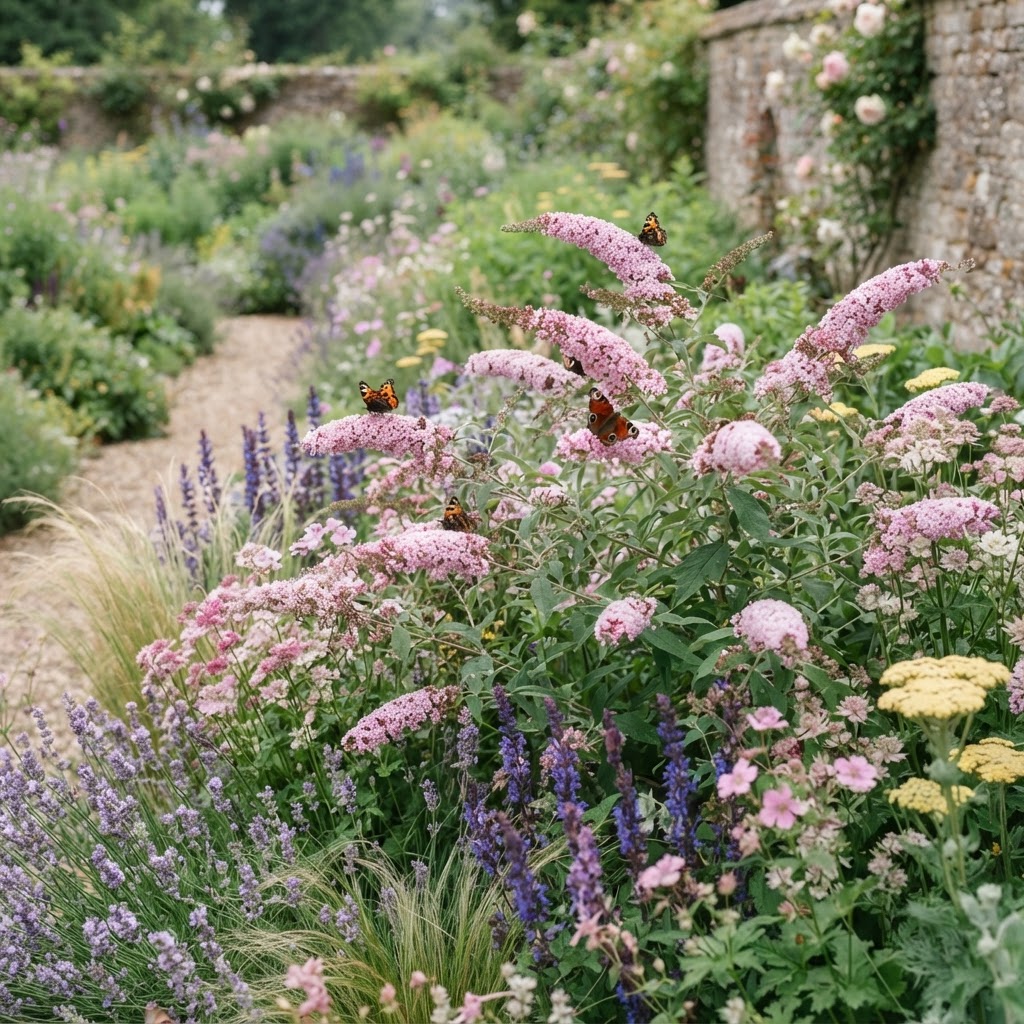
4. 'Pink Delight'. Large, soft pink spikes that suit pastel planting schemes.
5. 'Empire Blue'. Violet-blue flowers with an orange eye on an upright shrub.
6. 'Dartmoor'. Magenta-purple flowers in branched, many-headed panicles that look like fireworks.
7. 'Harlequin'. Red-purple flowers with cream-edged, variegated leaves.
Compact and dwarf varieties
8. 'Nanho Blue'. A compact variety with slender, soft blue spikes and narrow, silvery leaves. It's ideal for smaller gardens and large pots.
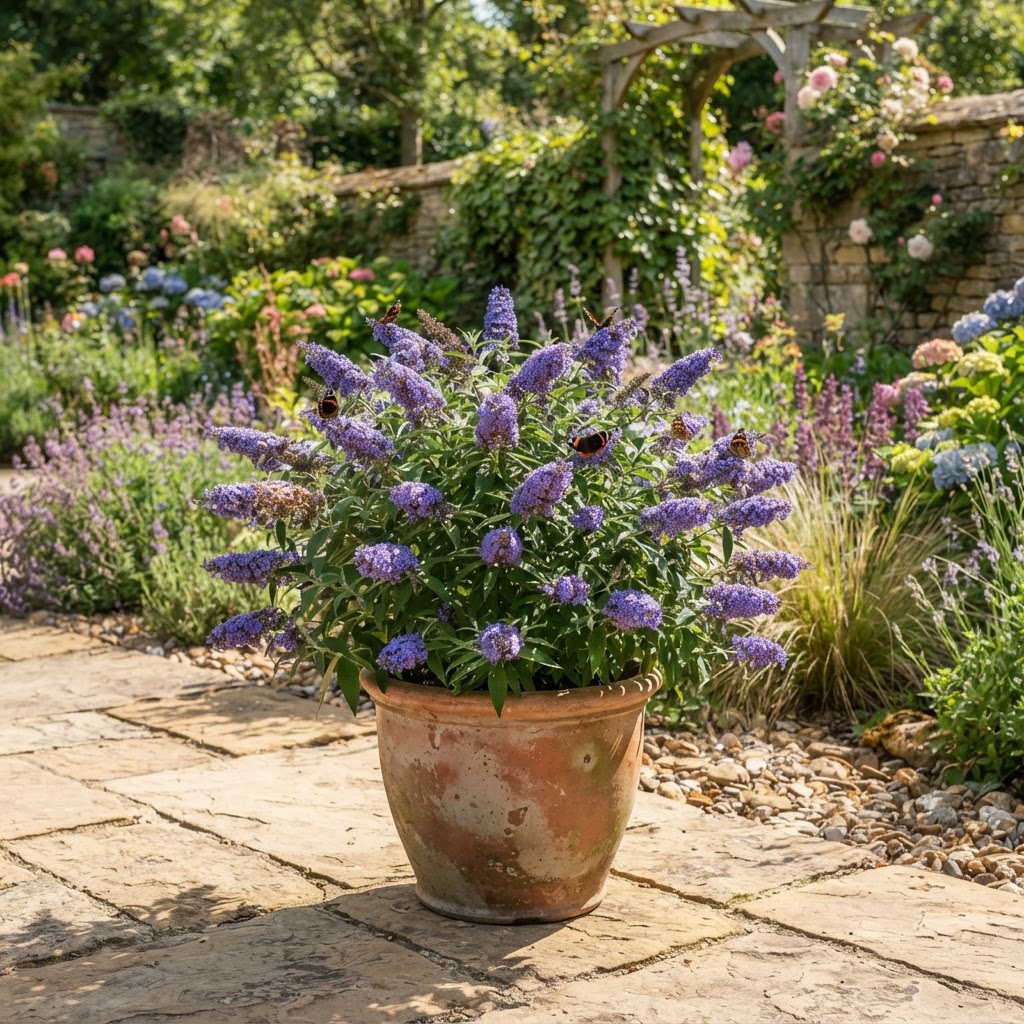
9. Dwarf and low-seed varieties. Breeders have introduced compact, low-seed and seedless butterfly bushes that stay under about 1.2 m and are better suited to small gardens and places where the species is invasive. Check labels for "sterile" or "seedless."
Other butterfly bushes
10. 'Lochinch'. A hybrid with lavender-blue flowers and attractive silvery-grey leaves.
11. 'Sungold' (Buddleja × weyeriana). Unusual, round clusters of golden yellow-orange flowers on arching stems.
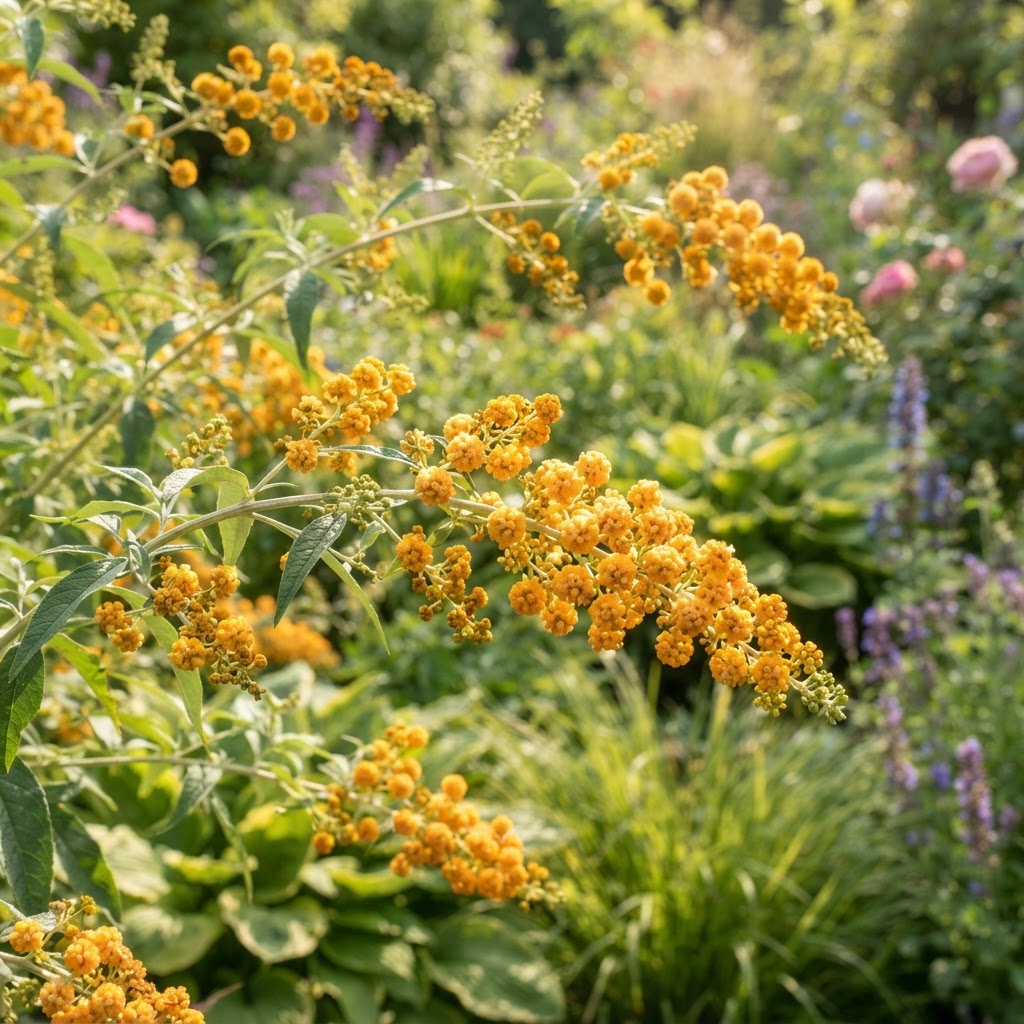
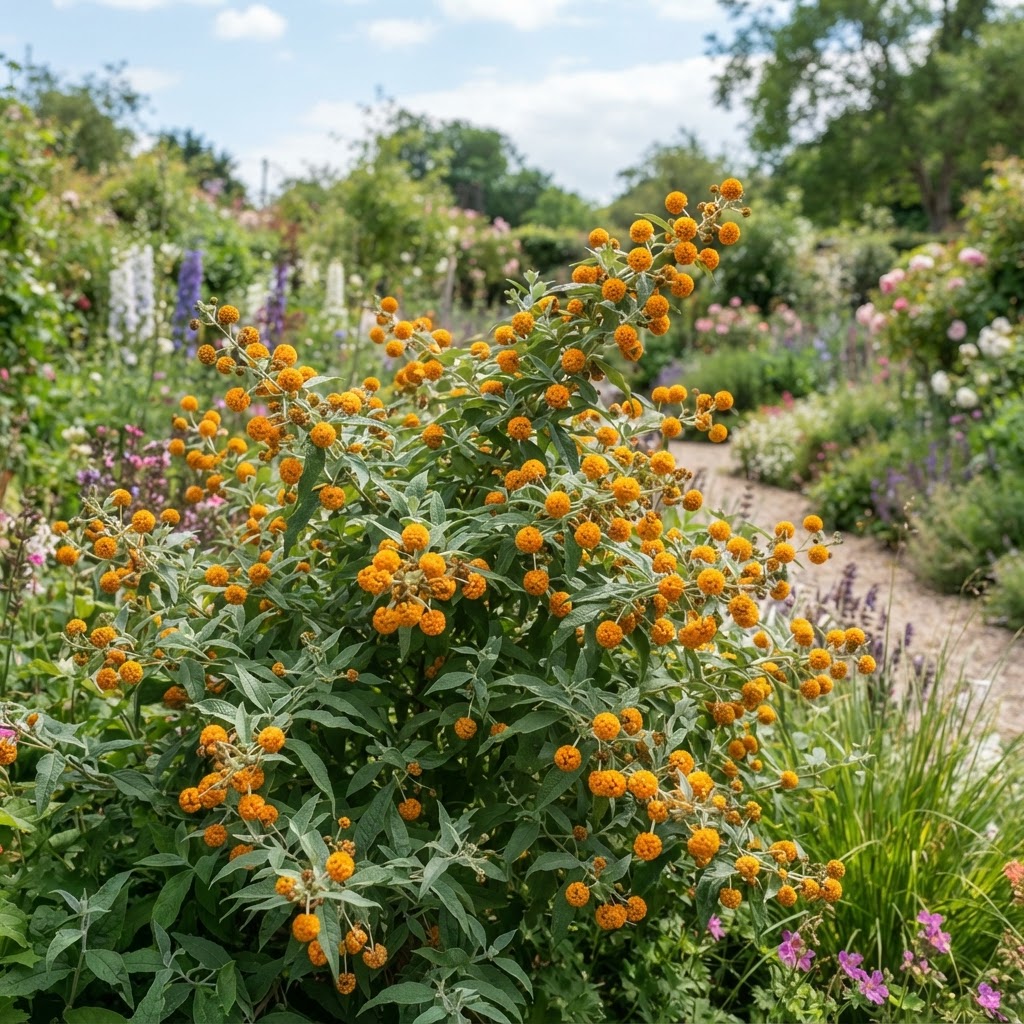
12. Orange ball tree (Buddleja globosa). A large, semi-evergreen shrub with bright orange, ball-shaped flowers in early summer.
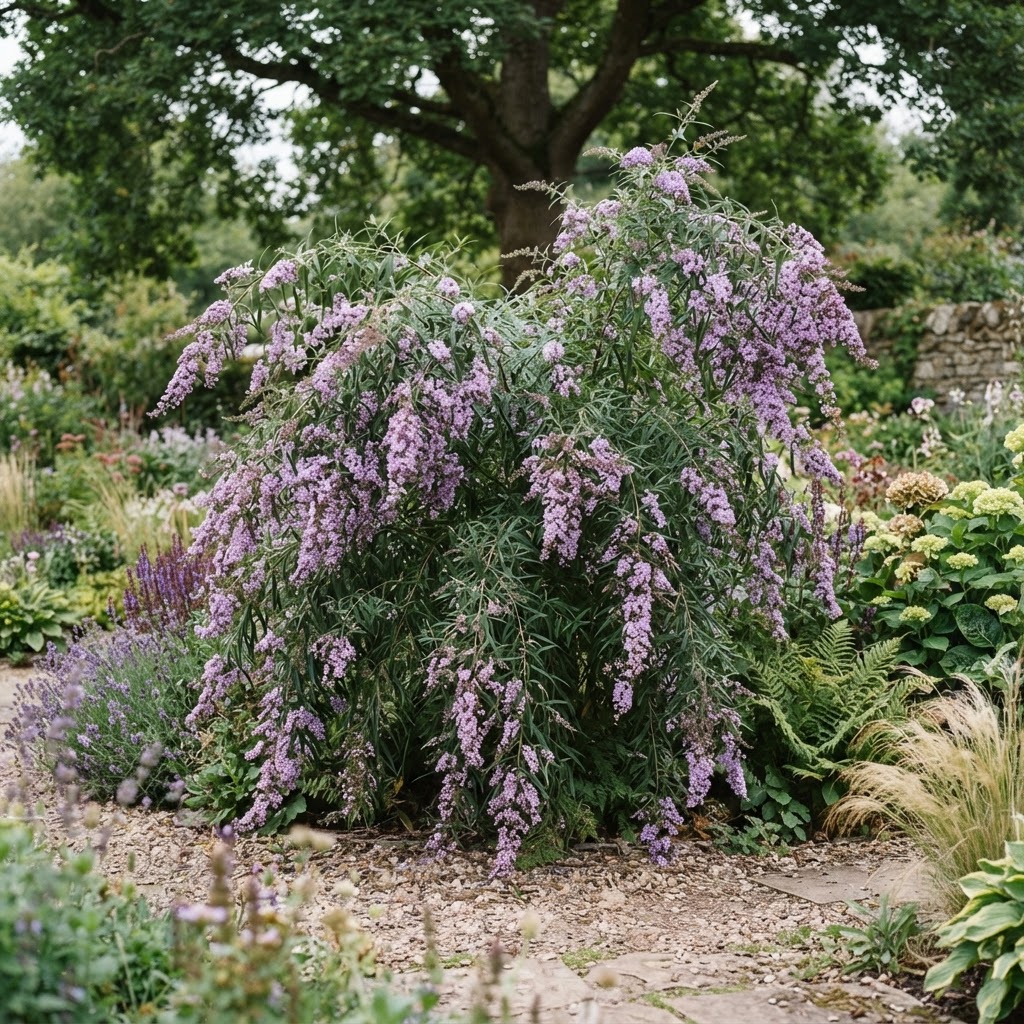
13. Fountain butterfly bush (Buddleja alternifolia). Graceful, weeping stems covered in small lilac flowers in early summer. It can be trained as a small standard tree.
How to Grow a Butterfly Bush
- Sun. Plant in full sun. In shade, plants become leggy and flower poorly.
- Soil. Any well-drained soil, including poor, stony and chalky ground. Avoid heavy, waterlogged soil.
- Planting. Plant in spring or autumn, and water well until established.
- Feeding. Not usually necessary; too much feeding gives soft growth and fewer flowers.
- Watering. Established plants are very drought tolerant.
- Spacing. Allow room for the full-grown size, or choose a compact variety for small spaces.
How to Prune a Butterfly Bush
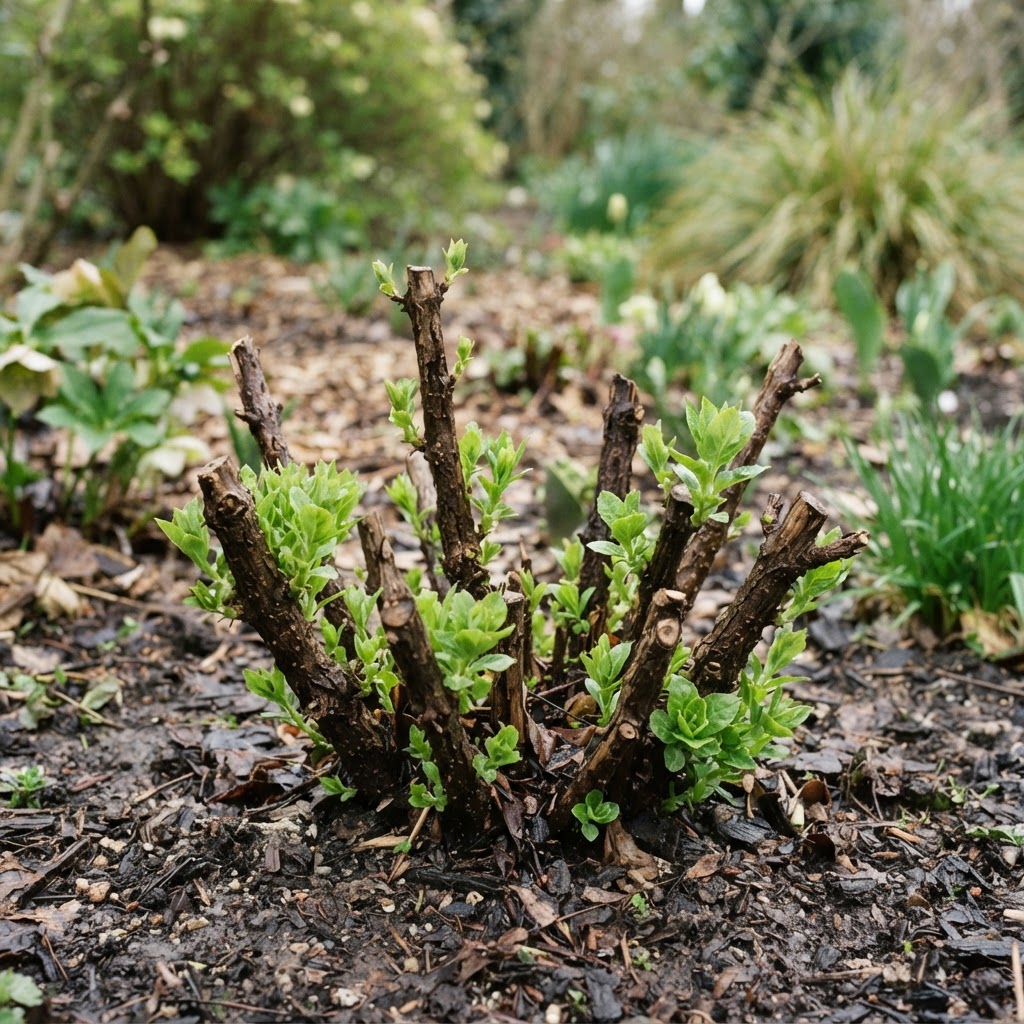
Buddleja davidii flowers on new growth, so it responds well to hard pruning.
- Prune in early spring, as new buds start to show.
- Cut stems back hard to a low framework of woody stems, around 30 to 60 cm from the ground.
- Remove dead, weak and crossing stems completely.
- Deadhead through summer to encourage more flowers and stop self-seeding.
Buddleja globosa and Buddleja alternifolia flower on older wood, so prune them lightly straight after flowering instead.
Planting Ideas
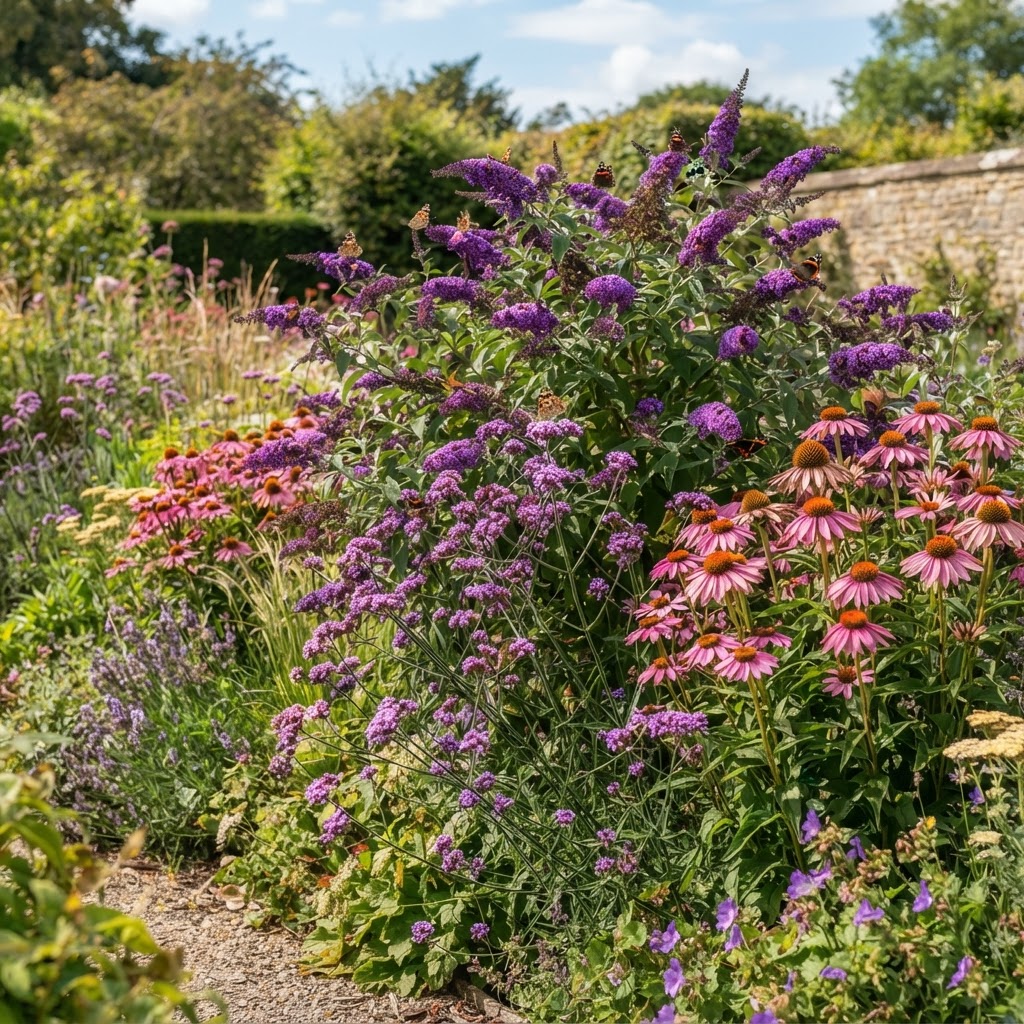
- A butterfly border. Combine butterfly bush with verbena, scabious, sedums, marjoram, echinacea and asters, alongside native host plants.
- A scented corner. Plant one near a seat or patio to enjoy the honey scent in late summer.
- With other shrubs. A lilac tree flowers in spring and a butterfly bush from midsummer, so together they cover months of the year.
- In a cottage garden. Pair it with foxgloves, roses and lavender for a relaxed, romantic look.
Common Mistakes to Avoid
| Mistake | Why it's a problem | What to do instead |
|---|---|---|
| Letting it set seed | Spreads into wild places | Deadhead, and choose low-seed varieties |
| Not pruning | Tall, woody shrub with few flowers low down | Prune hard every early spring |
| Pruning in autumn | Frost can damage the cut stems | Wait until early spring |
| Planting in shade | Leggy growth and few flowers | Choose full sun |
| Relying on it alone for butterflies | Caterpillars can't feed on it | Add native host plants |
| Ignoring local rules | It's restricted in some areas | Check before you plant |
Frequently Asked Questions
Is butterfly bush invasive?
It can be. It self-seeds freely and is considered invasive in some areas, including parts of the US Pacific Northwest. Deadhead it, choose sterile or low-seed varieties, and check local rules.
When should you prune a butterfly bush?
Prune Buddleja davidii hard in early spring, as new growth begins. Prune globosa and alternifolia lightly after flowering.
Does butterfly bush come back every year?
Yes. It's a perennial shrub. In cold winters it may die back to the ground, but it usually regrows from the base in spring.
How fast does a butterfly bush grow?
Very fast. It can grow over a metre in a single season after hard pruning.
Is butterfly bush good for butterflies?
It's an excellent nectar source for adult butterflies, but it doesn't support caterpillars, so plant native host plants too.
Can you grow butterfly bush in a pot?
Yes, choose a compact or dwarf variety, use a large pot with good drainage, and water regularly in summer.
Is buddleia the same as butterfly bush?
Yes. Buddleia (or Buddleja, the botanical spelling) is the same plant, commonly called butterfly bush.
Beautiful, Easy and Best Grown With Care
A butterfly bush brings colour, scent and butterflies to a sunny garden with very little effort. Prune it hard each spring, deadhead it through summer, choose a well-behaved variety where it's invasive, and plant native host plants alongside it, and you'll enjoy all of its beauty with none of the problems.
And if you'd like help designing a garden that feels connected to your home, you can book a one-hour online interior design consultation with me.
About the author
Magda Callery is a UK interior designer and florist with more than 15 years' experience designing homes, pubs, restaurants and bars, and her expert commentary has featured in Homes & Gardens, The Mirror and The Spruce. Explore more of the flowers & garden articles.
Continue reading


Garden Statues: 17 Ideas for Placing Sculpture in a Garden
17 garden statue and sculpture ideas, how to choose and place garden statues, the best materials compared, and how to care for them.


Types of Lavender: 13 Best Varieties and How to Grow Them
The main types of lavender, 13 of the best lavender varieties, how fast lavender grows, and how to plant, prune, grow in pots and dry lavender.

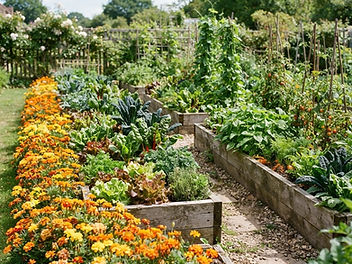
Marigold Varieties: 17 Types of Marigold to Grow
17 marigold varieties to grow, from tall African and compact French marigolds to edible signets and calendula, plus growing tips and their role in Day of the Dead.