
Marigold Varieties: 17 Types of Marigold to Grow
17 marigold varieties to grow, from tall African and compact French marigolds to edible signets and calendula, plus growing tips and their role in Day of the Dead.
By Magda Callery, interior designer and florist
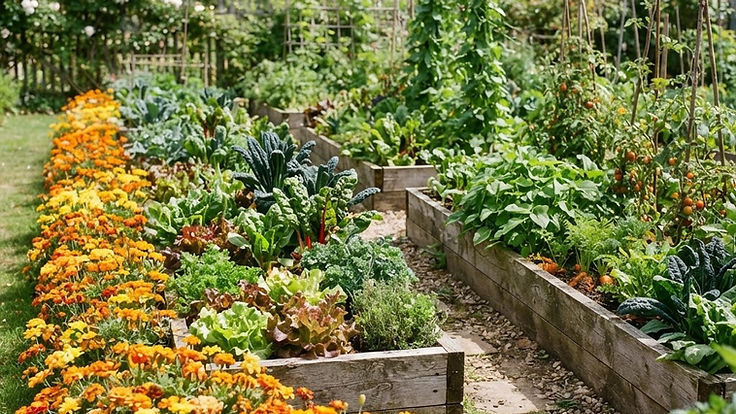
Marigolds are one of the most cheerful, hard-working flowers you can grow. They flower from early summer until the first frost, cope with heat and poor soil, and come in sunny shades of orange, gold, lemon, rust, mahogany and cream. Some are tall enough for the back of a border, others small enough to edge a path, and a few are even edible. But "marigold" covers several different plants, so it helps to know which is which.
In this guide I'll explain the main types of marigold, share 17 marigold varieties worth growing, show you how to grow marigolds from seed, and explain their role in companion planting and in Mexico's Día de los Muertos.
The quick answer: the main types of marigold are African marigolds (Tagetes erecta), which are tall with large pompon flowers; French marigolds (Tagetes patula), which are compact and bushy; and signet marigolds (Tagetes tenuifolia), which are small with lacy leaves and edible flowers. Pot marigold (calendula) is a different plant. All need full sun and well-drained soil, and they flower more if you deadhead them.
Types of Marigold
| Type | Botanical name | Height | Flowers | Best for |
|---|---|---|---|---|
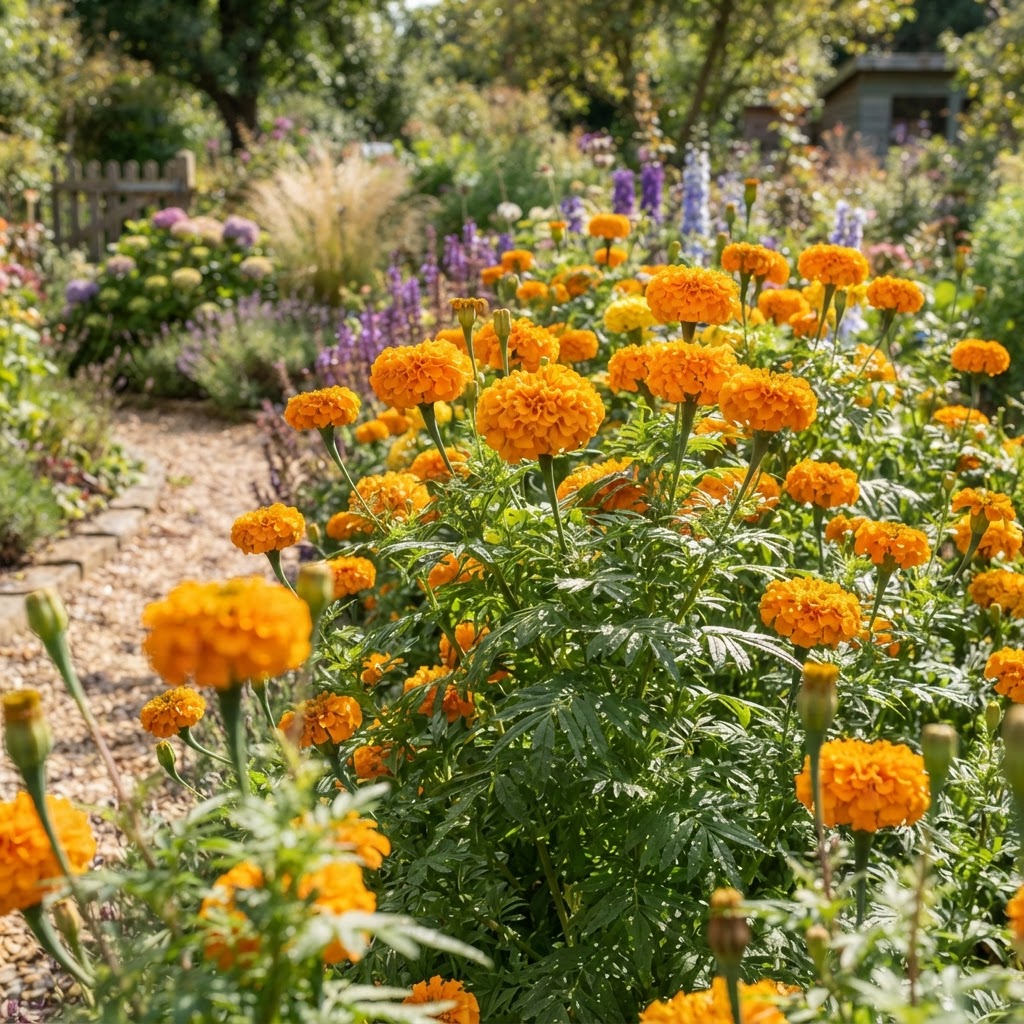
| African marigold | Tagetes erecta | Tall, about 3 to 4 ft | Large, double pompons | Back of borders, cutting, festivals |
| French marigold | Tagetes patula | Compact, about 6 to 12 in | Small doubles, crested or singles | Edging, pots, vegetable gardens |
| Signet marigold | Tagetes tenuifolia | Smallest, under 6 in | Tiny single flowers | Edging, containers, edible flowers |
| Triploid marigold | Tagetes erecta × patula | Medium | Large flowers, little seed | Long flowering in heat |
| Pot marigold | Calendula officinalis | About 12 to 24 in | Daisy-like, orange and yellow | Cottage gardens, edible petals |
The height ranges come from University of Wisconsin-Madison Extension's guide to marigolds, which describes French marigolds as "compact (~6-12″ height)," African marigolds as "taller (~3-4′ height)" and signets as "the smallest in size (<6″ height)." It also notes that calendula is "sometimes referred to as Pot Marigold" but that "these two plants should not be confused."
17 Marigold Varieties to Grow
African marigolds (Tagetes erecta)
1. Classic orange African marigolds. Big, fully double pompons of bright orange or gold on tall, sturdy stems. They're dramatic in borders and long-lasting in a vase.
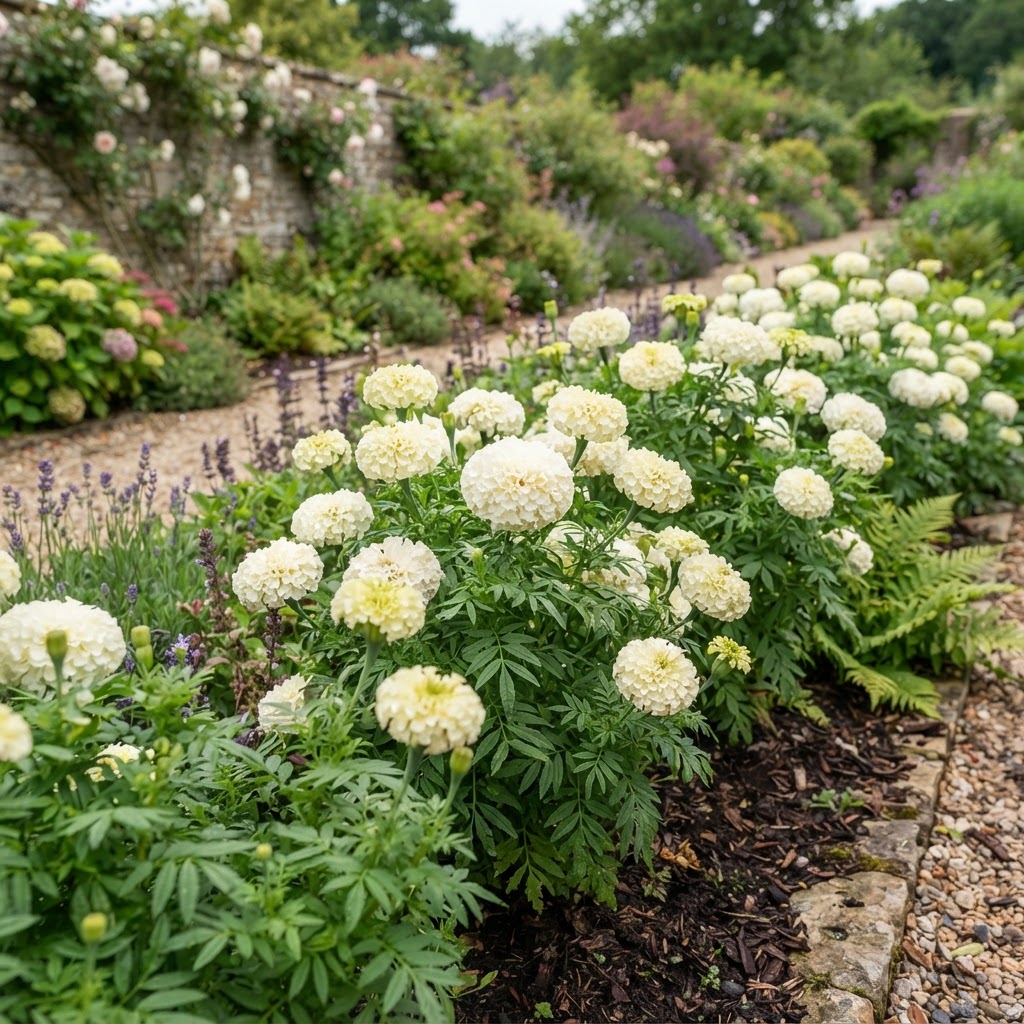
2. Cream and white African marigolds. Varieties such as 'Vanilla' and 'Kilimanjaro White' have large, creamy white pompons that suit soft, elegant planting schemes.
3. Cempasúchil. The tall, intensely orange marigold grown in Mexico for Día de los Muertos, with a strong, distinctive scent.
4. 'Crackerjack'. An old, tall mix of orange, gold and yellow doubles, lovely for a cutting garden.
French marigolds (Tagetes patula)
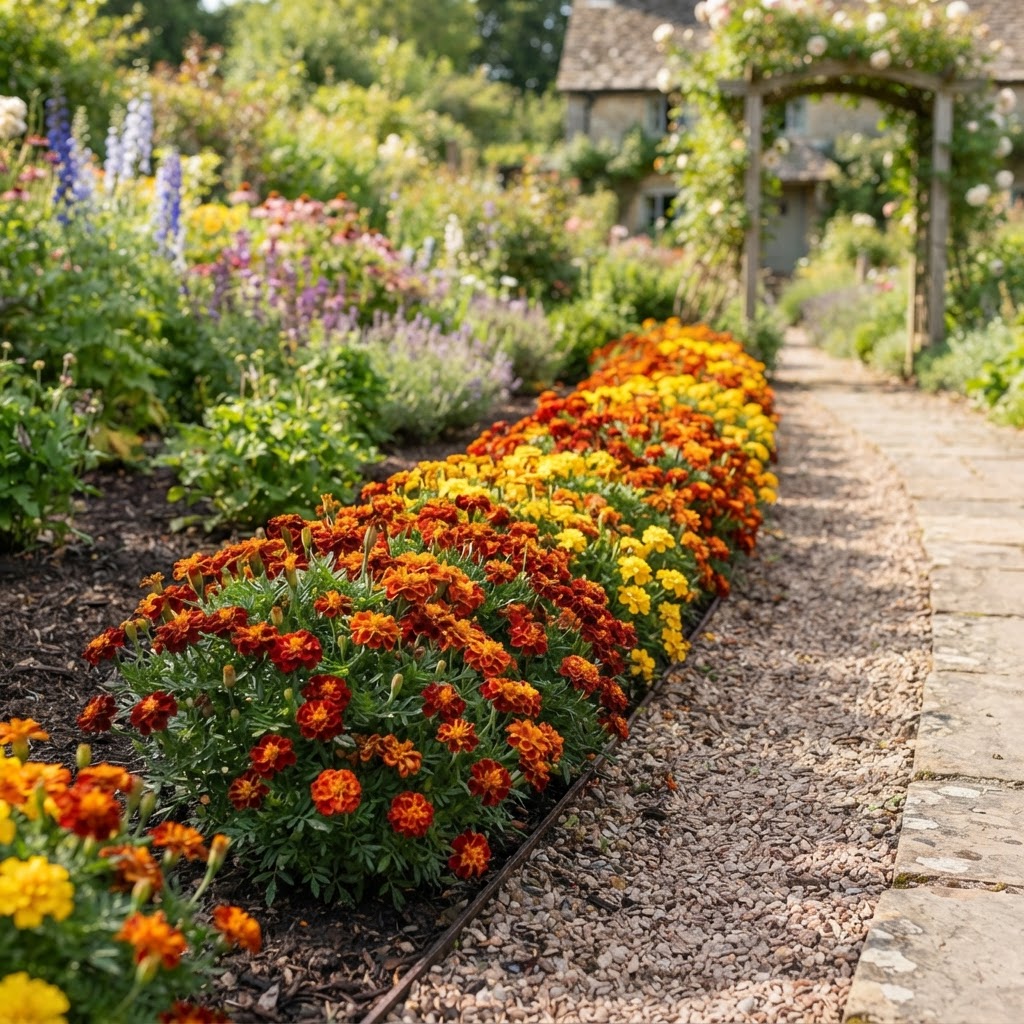
5. Classic French marigolds. Compact, bushy plants covered in small double flowers in orange, yellow and mahogany. They're perfect for edging and pots.
6. 'Naughty Marietta'. Single golden yellow flowers with a striking maroon blotch at the base of each petal.
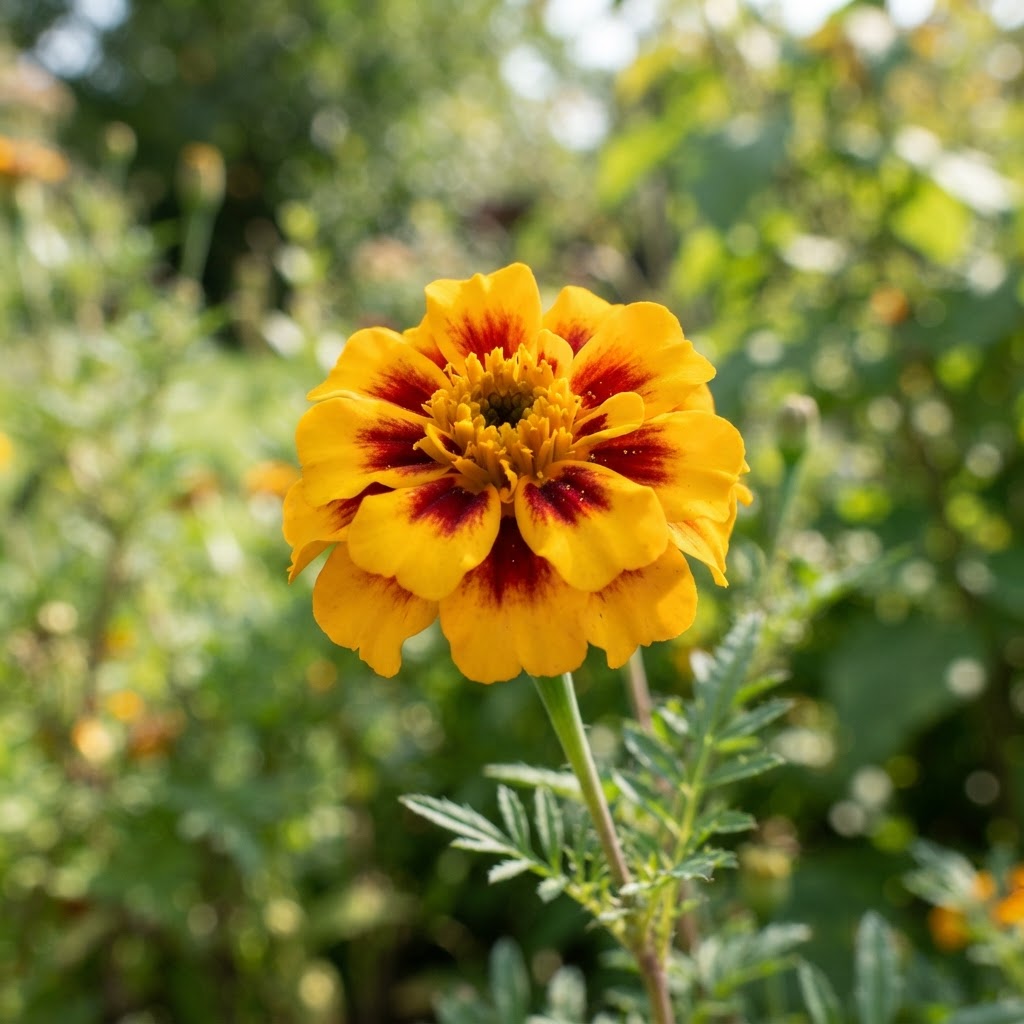
7. 'Strawberry Blonde'. Flowers open in shades of rose, red and cream, so each plant shows a mix of soft, unusual colours.
8. 'Mr Majestic'. Single flowers striped in gold and mahogany, like a pinwheel.
9. 'Queen Sophia'. Rusty red double flowers edged in gold.
10. Single French marigolds. Simple, open flowers in yellow, orange and red, which are especially good for bees and other pollinators.
Signet marigolds (Tagetes tenuifolia)
11. 'Lemon Gem'. A mound of fine, lacy leaves covered in tiny lemon-yellow flowers. The leaves have a citrus scent.
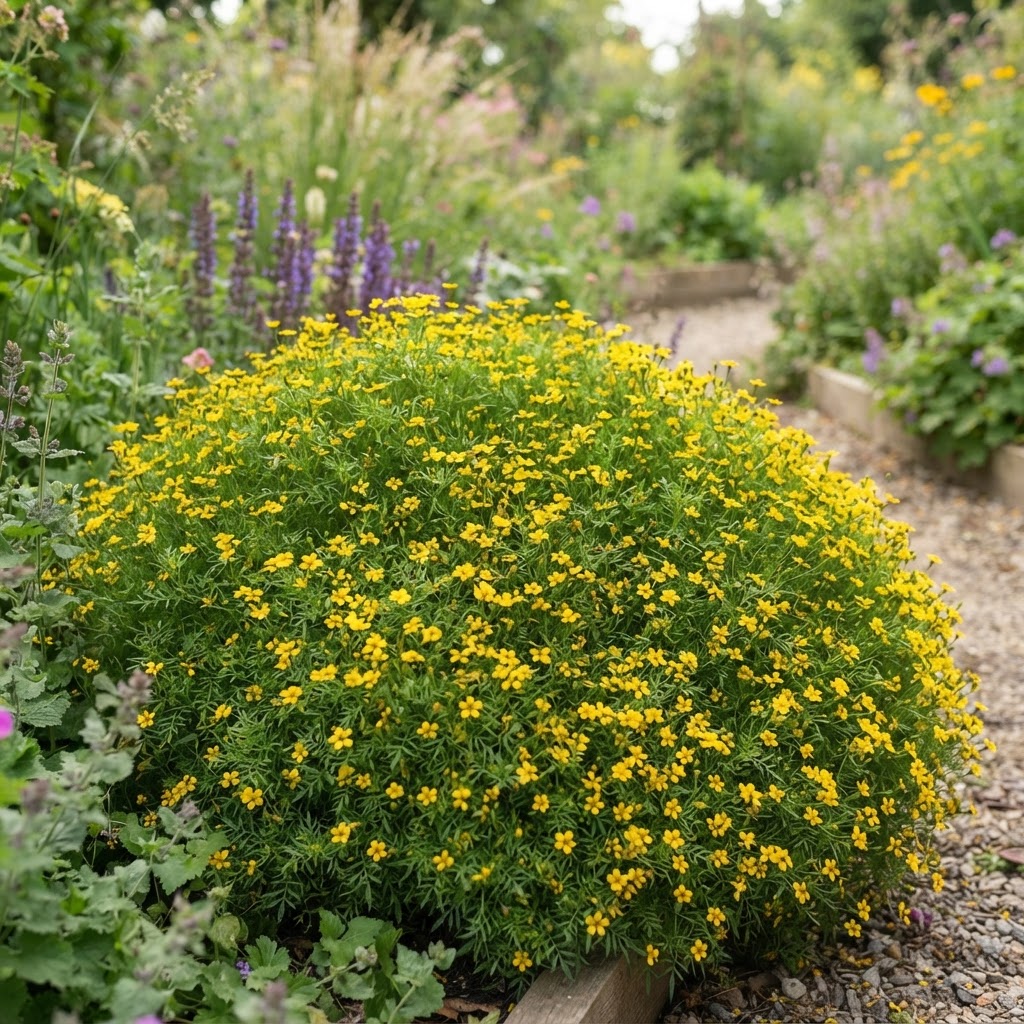
12. 'Tangerine Gem'. The same neat habit with bright orange flowers.
13. 'Red Gem'. Small, rusty red flowers with gold centres.
Other marigolds
14. Triploid marigolds. Crosses between African and French marigolds that set little seed, so they keep flowering through hot summers.
15. Mexican mint marigold (Tagetes lucida). A perennial with small golden flowers and aniseed-scented leaves, used as a tarragon substitute in warm climates.
16. Pot marigold (Calendula officinalis). Not a Tagetes at all, but a hardy annual with daisy-like orange and yellow flowers. Its petals are edible and it self-seeds freely.
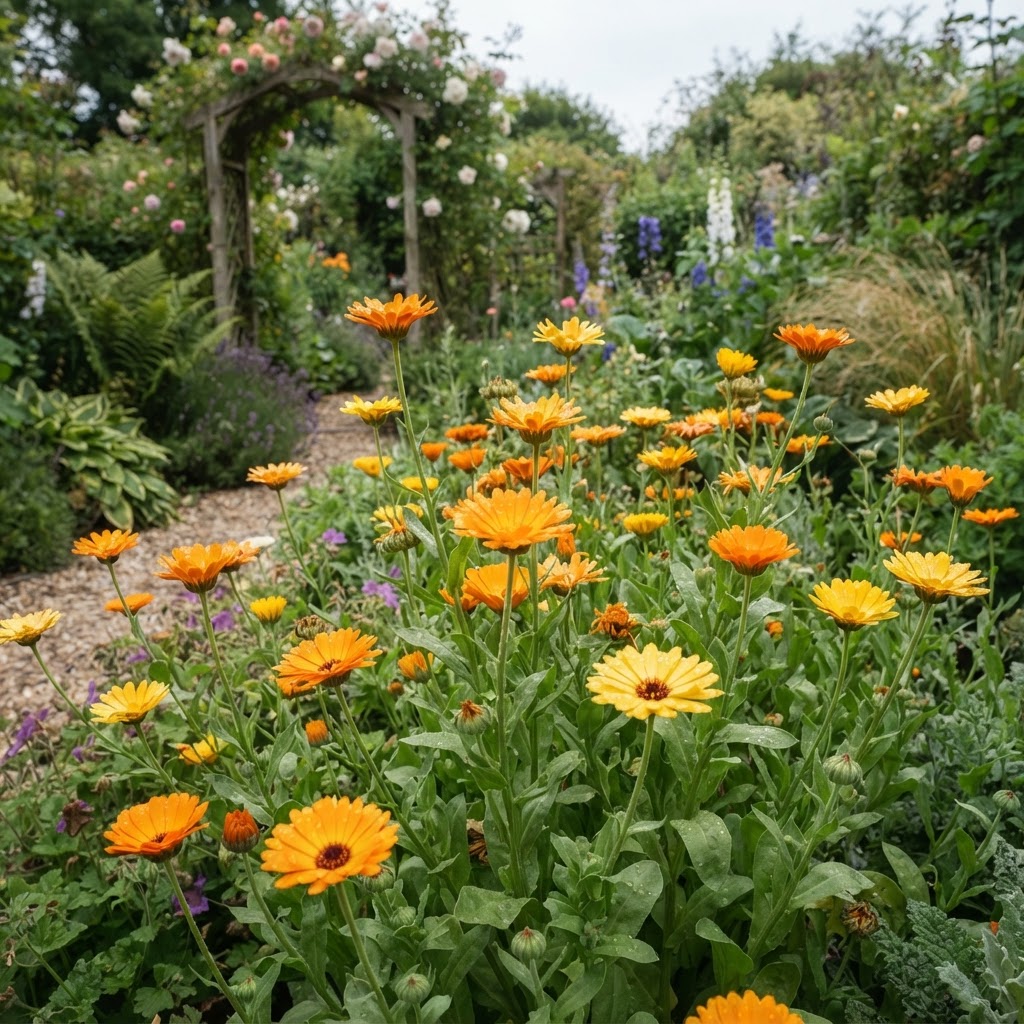
17. Corn marigold (Glebionis segetum). A golden yellow wildflower of cornfields, lovely in a meadow mix with poppies and cornflowers.
How to Grow Marigolds From Seed
- Start indoors about six to eight weeks before your last frost, or sow directly outdoors once the soil has warmed.
- Sow thinly and cover the seed lightly with compost.
- Keep warm and moist; seeds usually germinate within a week or two.
- Harden off young plants before planting out after the last frost.
- Plant in full sun, spacing French and signet marigolds about 20 to 25 cm apart, and African marigolds about 30 to 45 cm apart.
- Deadhead regularly. The UW-Madison guide advises that you "deadhead old blooms to encourage new blooms and reduce disease prevalence."
Marigolds are easy, fast annuals that fit beautifully alongside zinnias and cosmos in a cutting patch.
Marigolds and Companion Planting
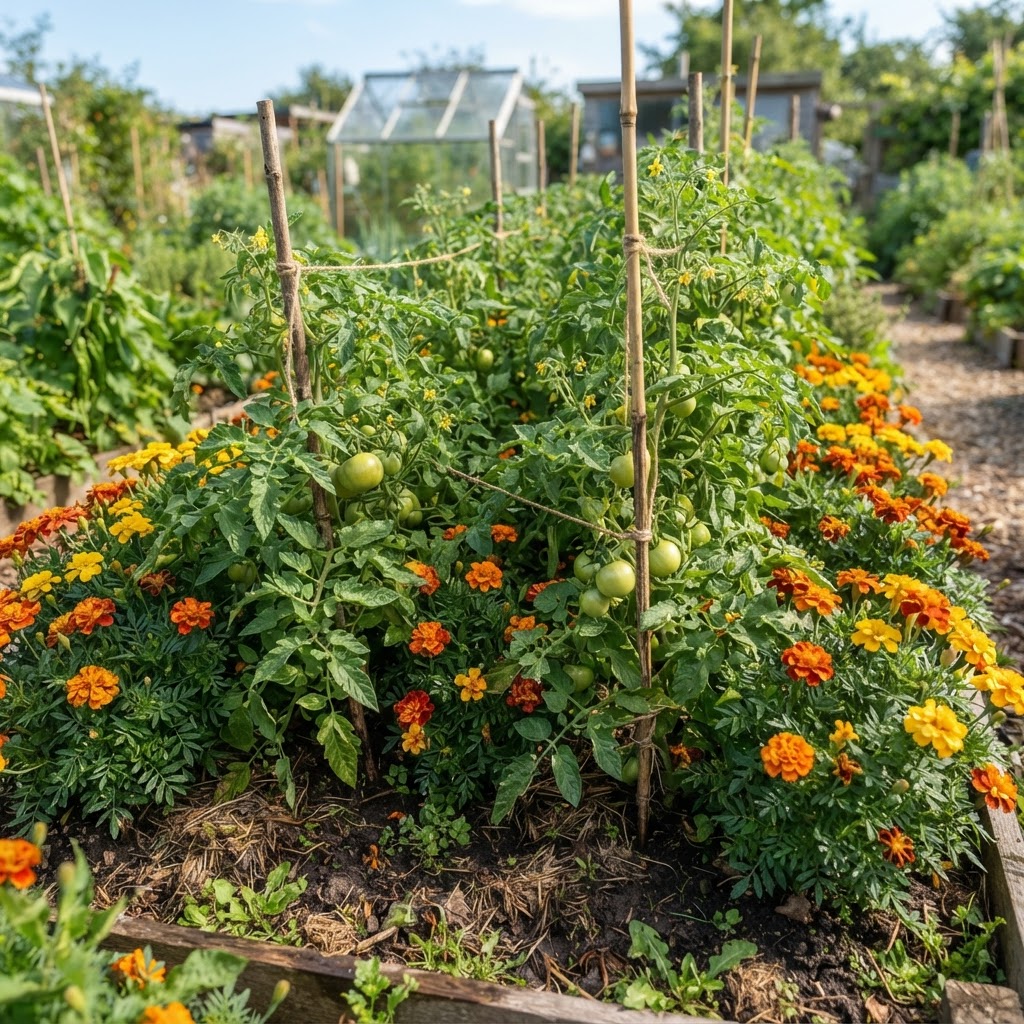
Marigolds have long been planted among vegetables. The strongest evidence is for root-knot nematodes: the UW-Madison guide notes that "cover cropping with French marigolds has been shown to reduce the number of root-knot nematodes in soil." For that effect, marigolds need to be grown densely as a cover crop for a season, rather than dotted around as a few plants. Even so, a row of marigolds brings colour to a vegetable garden and attracts pollinators and hoverflies.
Marigolds and Día de los Muertos
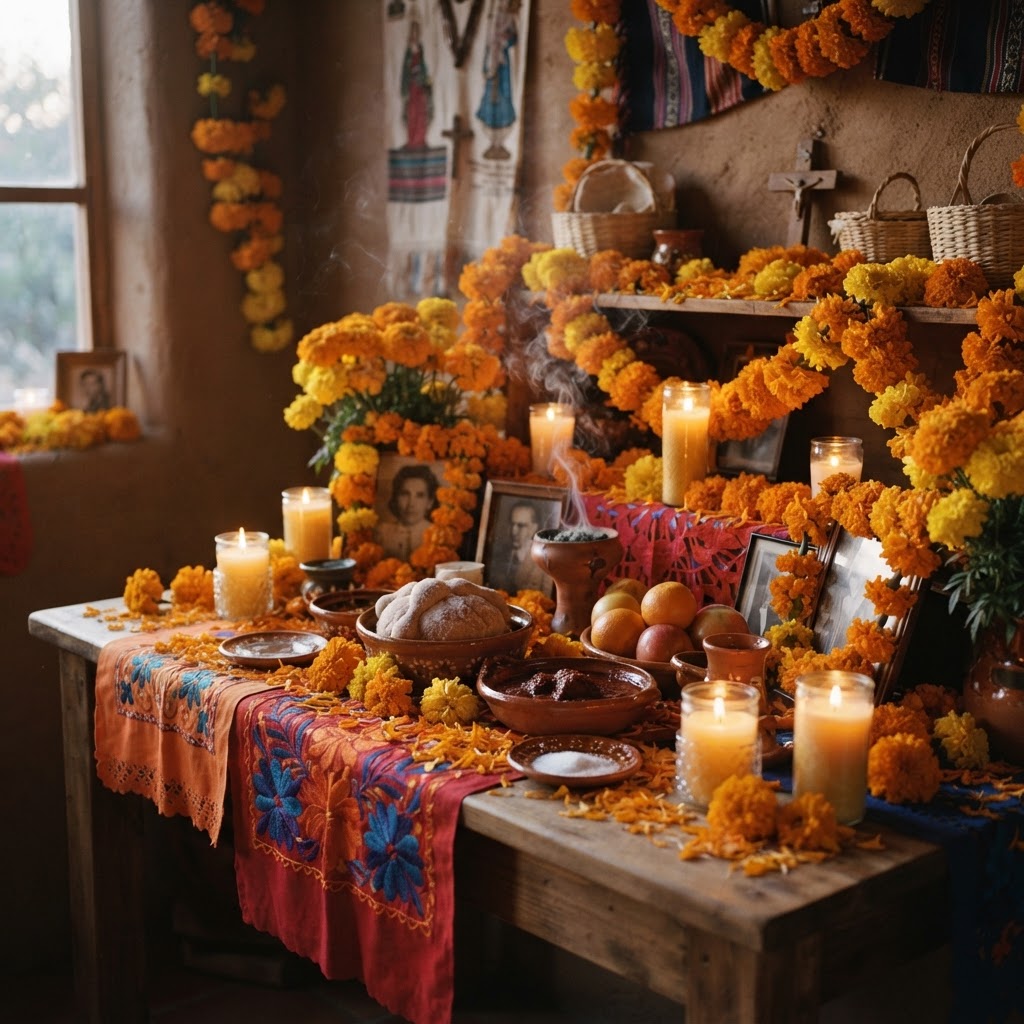
In Mexico, orange cempasúchil marigolds are the flower of Día de los Muertos, celebrated at the beginning of November. Petals, garlands and arches of marigolds decorate family altars and graves. A family guide from the Walters Art Museum explains that their "bright colors and distinct smell are believed to help guide spirits of the dead back to earth," as described in its paper marigolds activity.
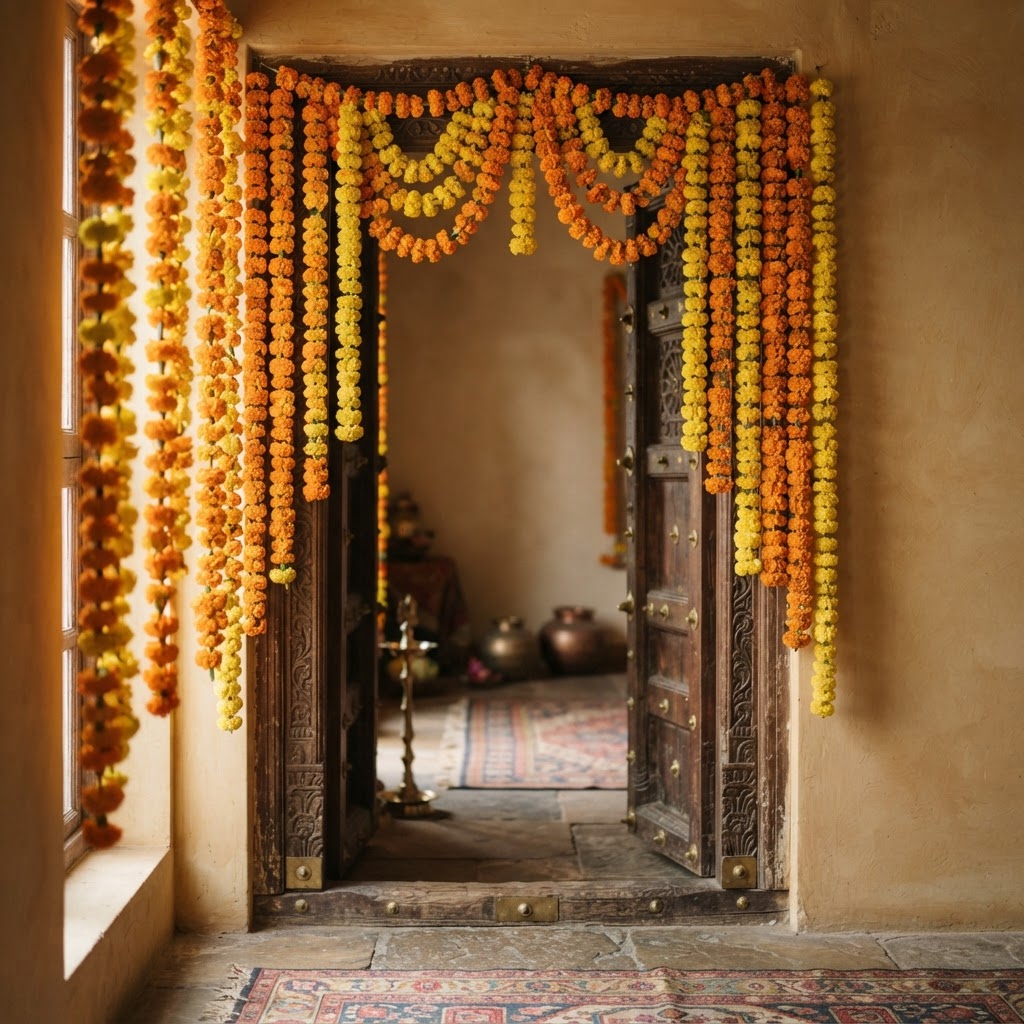
Marigold garlands are also central to celebrations in India, where strings of orange and yellow flowers decorate homes, doorways and temples. They're a beautiful addition to autumn decoration ideas at home.
Marigolds as Cut Flowers and Color
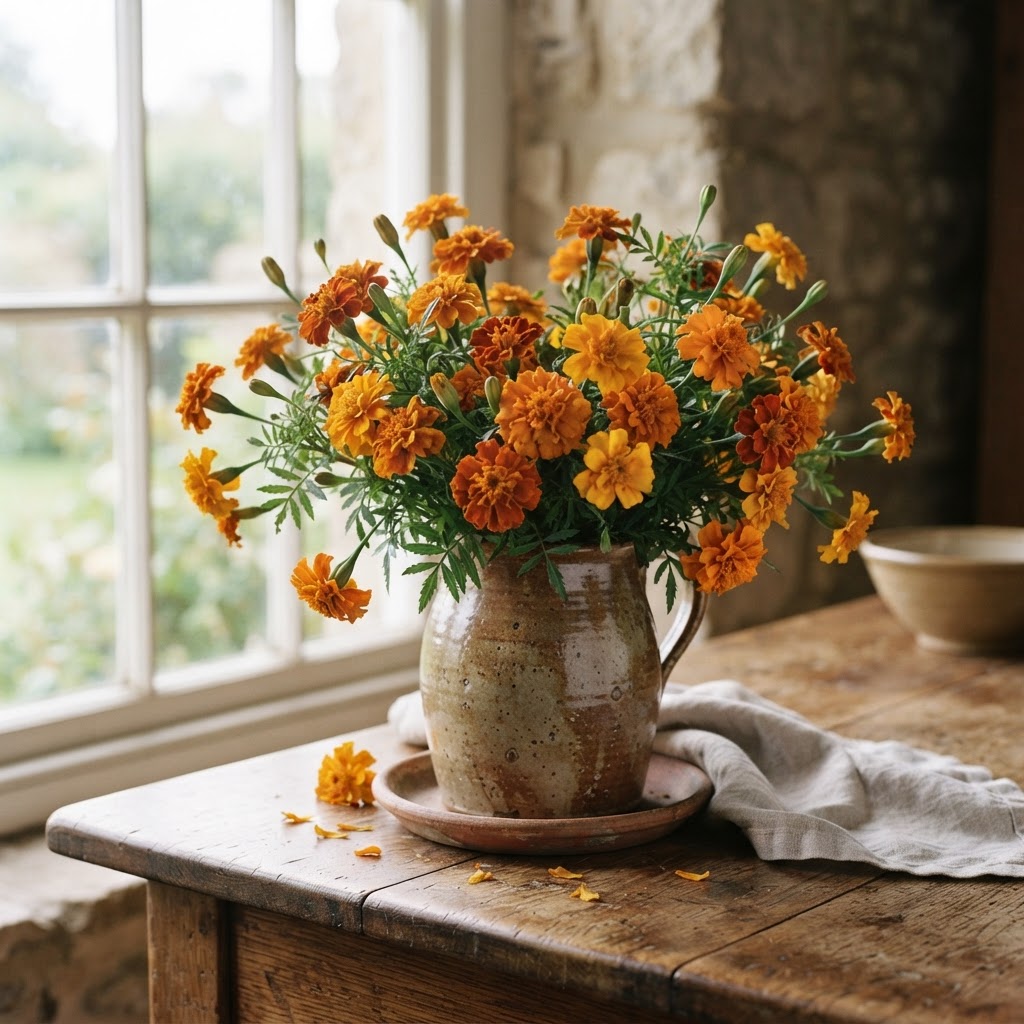
African marigolds last well in a vase, especially if you strip the lower leaves, which can smell strongly in water. Their warm oranges and golds suit rustic jugs and autumn schemes, and they pair beautifully with interiors in mustard and terracotta. Like other yellow flowers, they're associated with warmth, joy and the sun.
How to Save Marigold Seeds
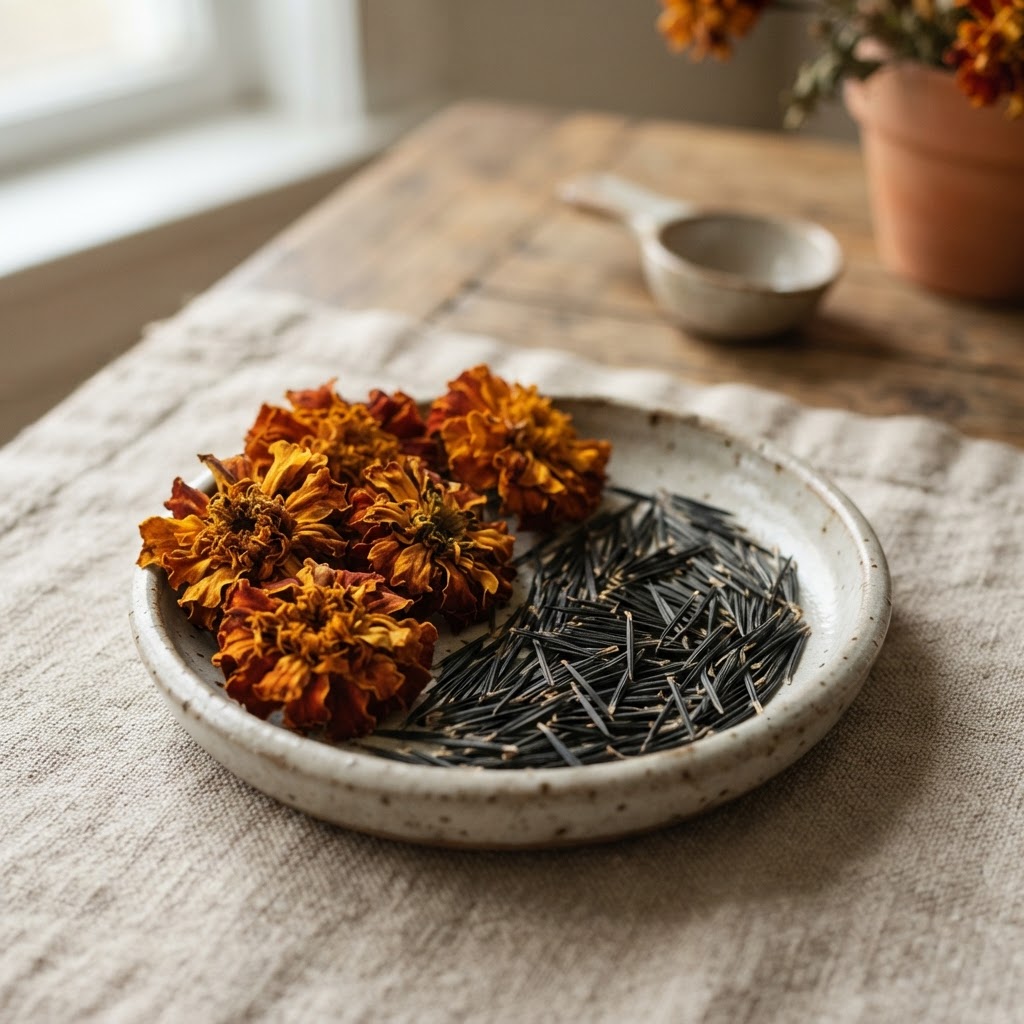
Leave a few flowers on the plant until the petals have dried and the seed heads are brown and papery. Pull the long, thin seeds out of the dried flower heads, let them dry for a few more days, and store them in a labelled paper envelope. Seed from hybrid and triploid varieties may not come true.
Common Mistakes to Avoid
| Mistake | Why it's a problem | What to do instead |
|---|---|---|
| Planting out too early | Marigolds are frost tender | Wait until after the last frost |
| Growing in shade | Few flowers and leggy plants | Choose full sun |
| Overwatering | Rot and mildew | Water at the base, and let soil dry slightly |
| Not deadheading | Fewer flowers and more disease | Remove faded blooms regularly |
| Confusing calendula and Tagetes | Different plants with different uses | Check the botanical name |
| Expecting a few plants to stop nematodes | Too few plants to have an effect | Grow French marigolds densely as a cover crop |
Frequently Asked Questions
What are the main types of marigold?
African marigolds (Tagetes erecta), French marigolds (Tagetes patula) and signet marigolds (Tagetes tenuifolia). Pot marigold, or calendula, is a different plant.
What is the difference between African and French marigolds?
African marigolds are tall with large pompon flowers, while French marigolds are compact and bushy with smaller flowers in a wider range of patterns.
Do marigolds come back every year?
Most marigolds are annuals, but they're easy to grow again from saved seed. Calendula often self-seeds.
Are marigolds edible?
Signet marigold flowers and calendula petals are edible and often used to decorate salads and cakes. Only eat flowers you're sure are safe and haven't been sprayed.
Do marigolds keep pests away?
French marigolds grown densely as a cover crop can reduce root-knot nematodes in soil. A few scattered plants have much less effect, but they still attract pollinators.
Why are marigolds used for Day of the Dead?
Their bright colour and strong scent are believed to help guide the spirits of the dead back to their families.
When do marigolds bloom?
From early summer until the first frost, especially if you deadhead them regularly.
Sunshine in Flower Form
Marigolds are easy, generous and full of colour. Choose tall African marigolds for drama, compact French marigolds for edging, or dainty signets for pots and edible flowers, give them sun and a little deadheading, and they'll keep flowering until the frost. For more easy flowers from seed, try poppies or long-flowering flowers for landscaping.
And if you'd like help bringing warm, sunny colour into your home and garden, you can book a one-hour online interior design consultation with me.
About the author
Magda Callery is a UK interior designer and florist with more than 15 years' experience designing homes, pubs, restaurants and bars, and her expert commentary has featured in Homes & Gardens, The Mirror and The Spruce. Explore more of the flowers & garden articles.
Continue reading


Garden Statues: 17 Ideas for Placing Sculpture in a Garden
17 garden statue and sculpture ideas, how to choose and place garden statues, the best materials compared, and how to care for them.


Types of Lavender: 13 Best Varieties and How to Grow Them
The main types of lavender, 13 of the best lavender varieties, how fast lavender grows, and how to plant, prune, grow in pots and dry lavender.


Butterfly Bush: How to Grow Buddleia and Is It Invasive?
How to grow and prune a butterfly bush, whether buddleia is invasive, how good it really is for butterflies, and 13 of the best varieties.