
Growing Poppies From Seed: How to Sow, Grow and Save Seed
How to grow poppies from seed: when and how to sow, 13 poppies to grow, thinning seedlings, saving your own seed and the mistakes to avoid.
By Magda Callery, interior designer and florist
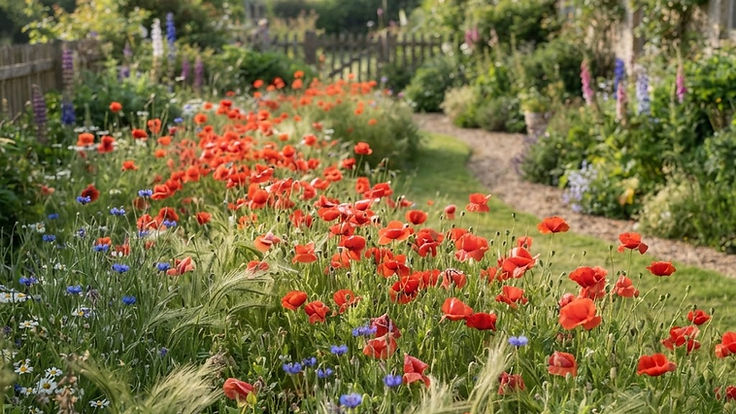
Few flowers are as easy, cheap and rewarding to grow from seed as poppies. A pinch of seed scattered in autumn or early spring can turn into a sweep of silky red, pink, white or apricot flowers by early summer, followed by sculptural seed heads that are almost as beautiful. Poppies also self-sow, so once you have them, they tend to return year after year.
In this guide I'll explain the main types of poppy to grow from seed, when and how to sow them, how to thin and care for the seedlings, how to save your own seed, and the mistakes to avoid.
The quick answer: sow most poppy seeds directly where they're to flower, in late autumn or very early spring, on the surface of fine, weed-free soil in a sunny spot. Don't cover them deeply, because they germinate best with light. Thin the seedlings, don't try to transplant them, and save seed once the pods are dry and rattle.
Types of Poppy to Grow From Seed
| Poppy | Life cycle | Colours | Sow |
|---|---|---|---|
| Field or corn poppy (Papaver rhoeas) | Hardy annual | Scarlet | Autumn or early spring |
| Shirley poppies | Hardy annual | Pastel pink, white, coral, lilac | Autumn or early spring |
| Breadseed poppy (Papaver somniferum) | Hardy annual | Mauve, pink, red, white, near-black | Autumn or early spring |
| Iceland poppy (Papaver nudicaule) | Short-lived perennial, grown as biennial | Orange, yellow, white, pink | Late summer or early spring |
| Oriental poppy (Papaver orientale) | Perennial | Scarlet, pink, white, plum | Spring, or buy plants |
| California poppy (Eschscholzia californica) | Annual | Orange, yellow, cream | Spring or autumn |
| Welsh poppy (Papaver cambricum) | Perennial | Yellow, orange | Spring or autumn |
13 Poppies to Grow From Seed
Annual poppies
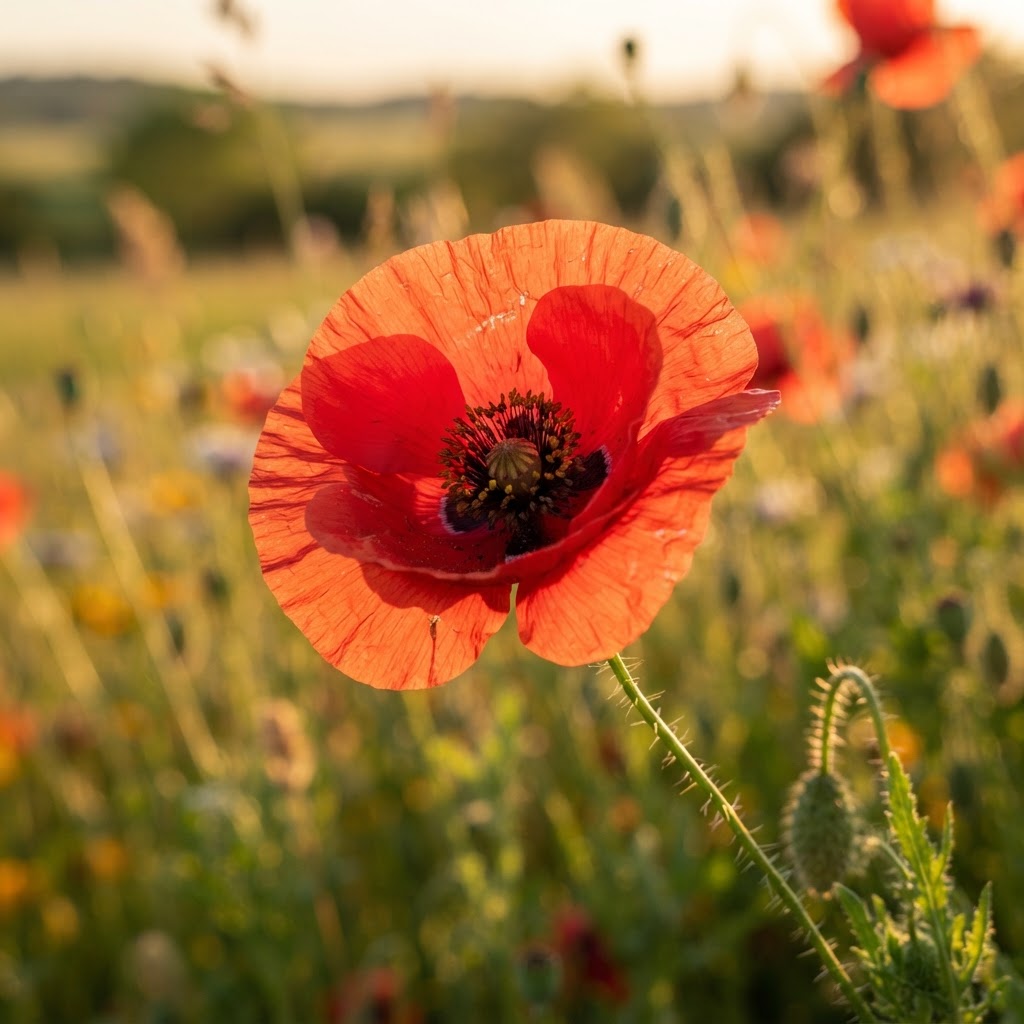
1. Field or corn poppy. The classic scarlet poppy of cornfields and wildflower meadows. It's the easiest of all and loves freshly disturbed soil.
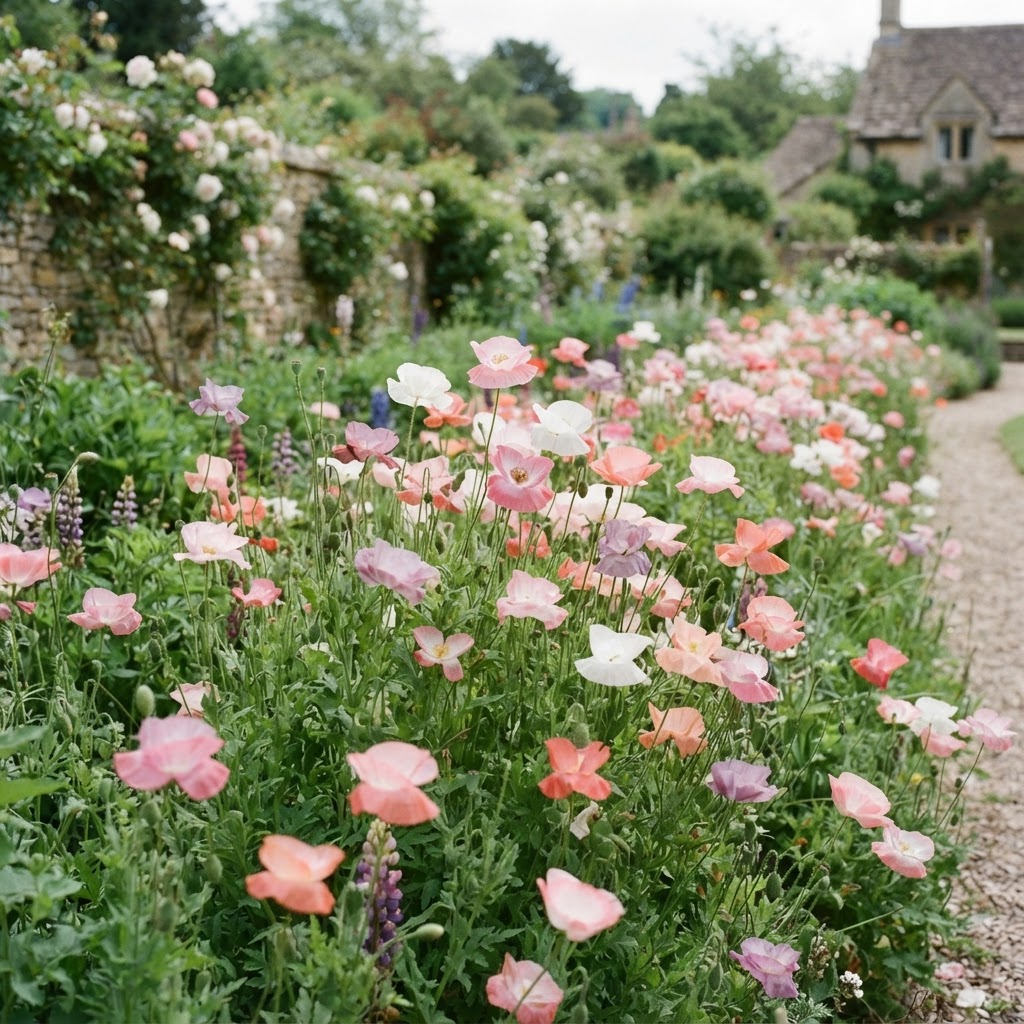
2. Shirley poppies. Bred from the field poppy, Shirley poppies have silky petals in soft pinks, whites, corals and lilacs, often with picotee edges.
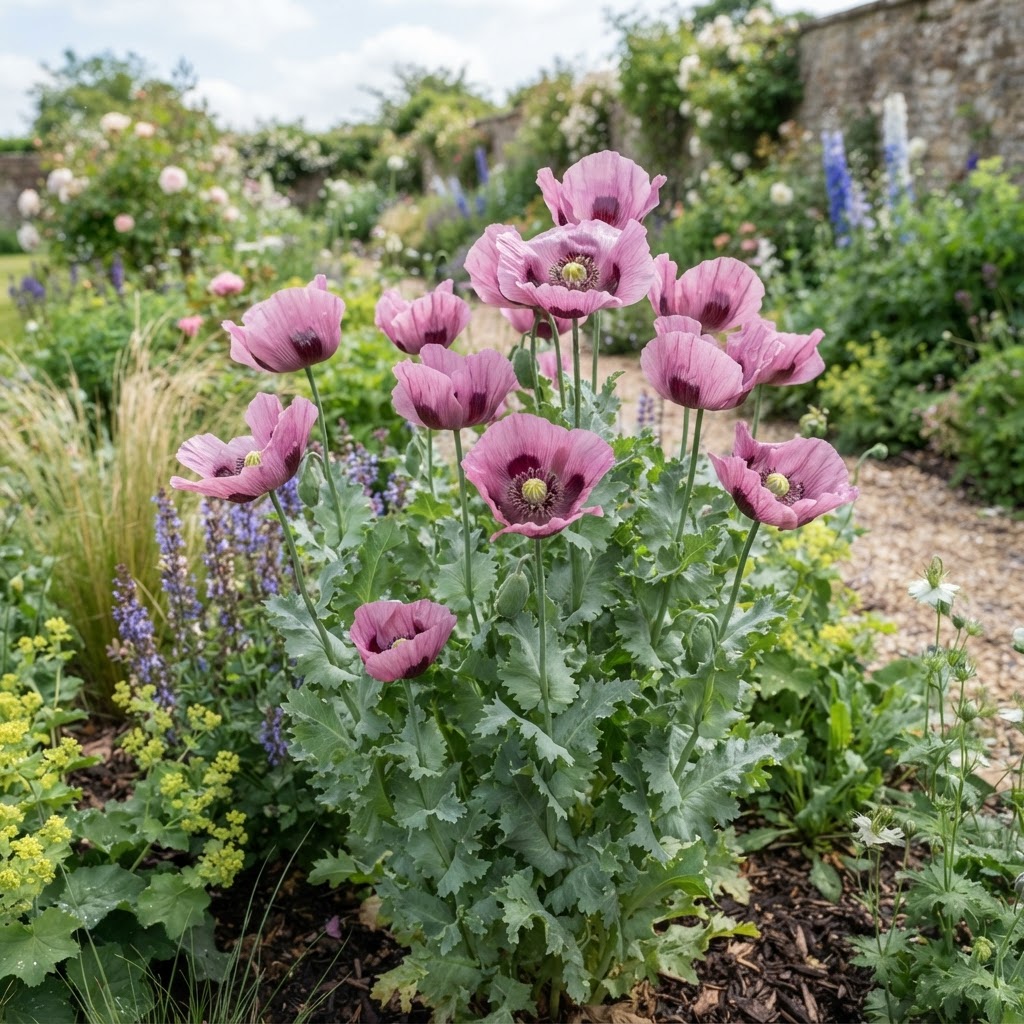
3. Breadseed poppy. Large, papery flowers in mauve, pink, red and white above blue-grey leaves, followed by big, decorative seed pods.
4. Peony-flowered poppies. Double forms of the breadseed poppy with fully ruffled, pompon flowers. They look extraordinary in a cottage border.
5. 'Lauren's Grape'. A popular single breadseed poppy in deep plum-purple that looks wonderful with silver foliage.
6. Ladybird poppy (Papaver commutatum). Bright red flowers with a black spot at the base of each petal, just like a ladybird.
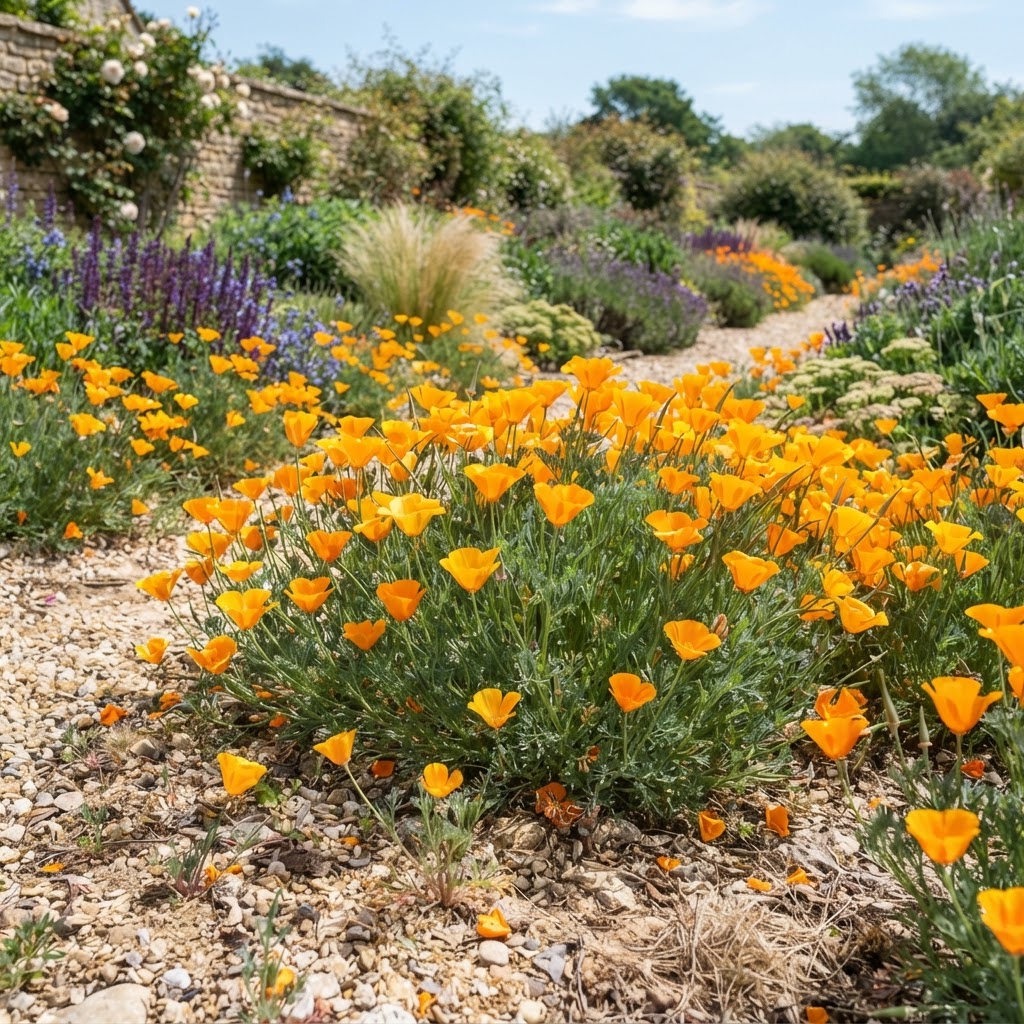
7. California poppy. Not a true Papaver, but just as easy. Silky orange, yellow or cream flowers open in sunshine and close at night. It thrives in poor, dry soil and gravel gardens.
Perennial and biennial poppies
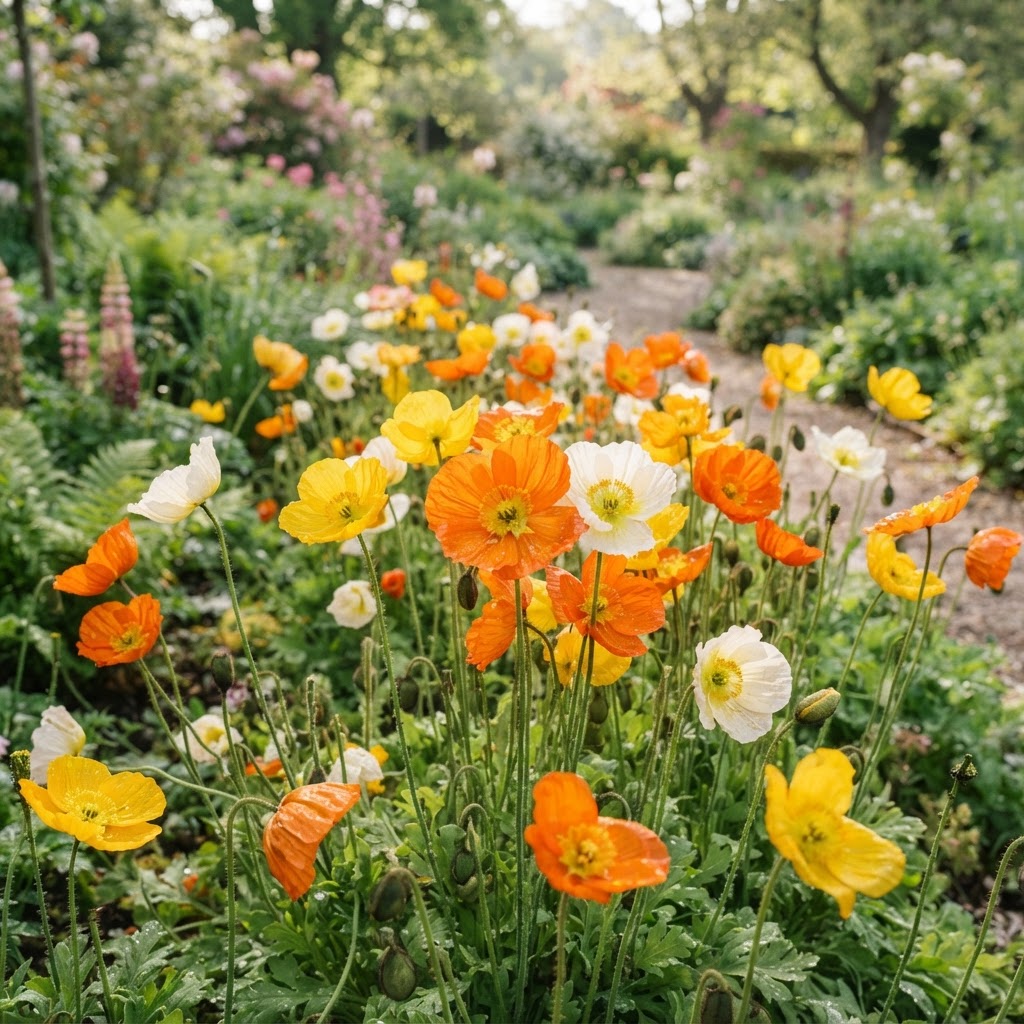
8. Iceland poppy. Crinkled, tissue-paper flowers in bright orange, yellow, white and pink on slender stems. They make lovely cut flowers.
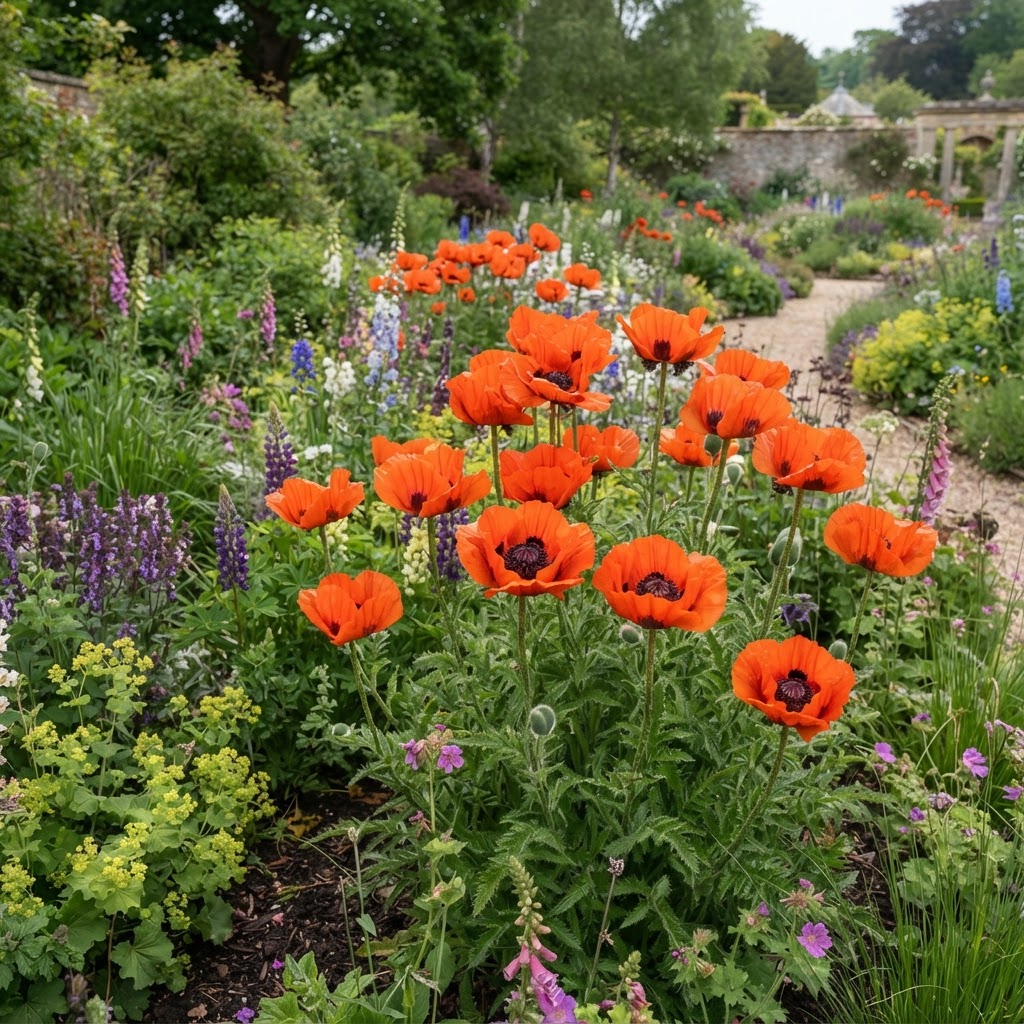
9. Oriental poppy. Huge, dramatic flowers, often scarlet with black blotches, in early summer. They're slower from seed, so many gardeners buy plants instead.
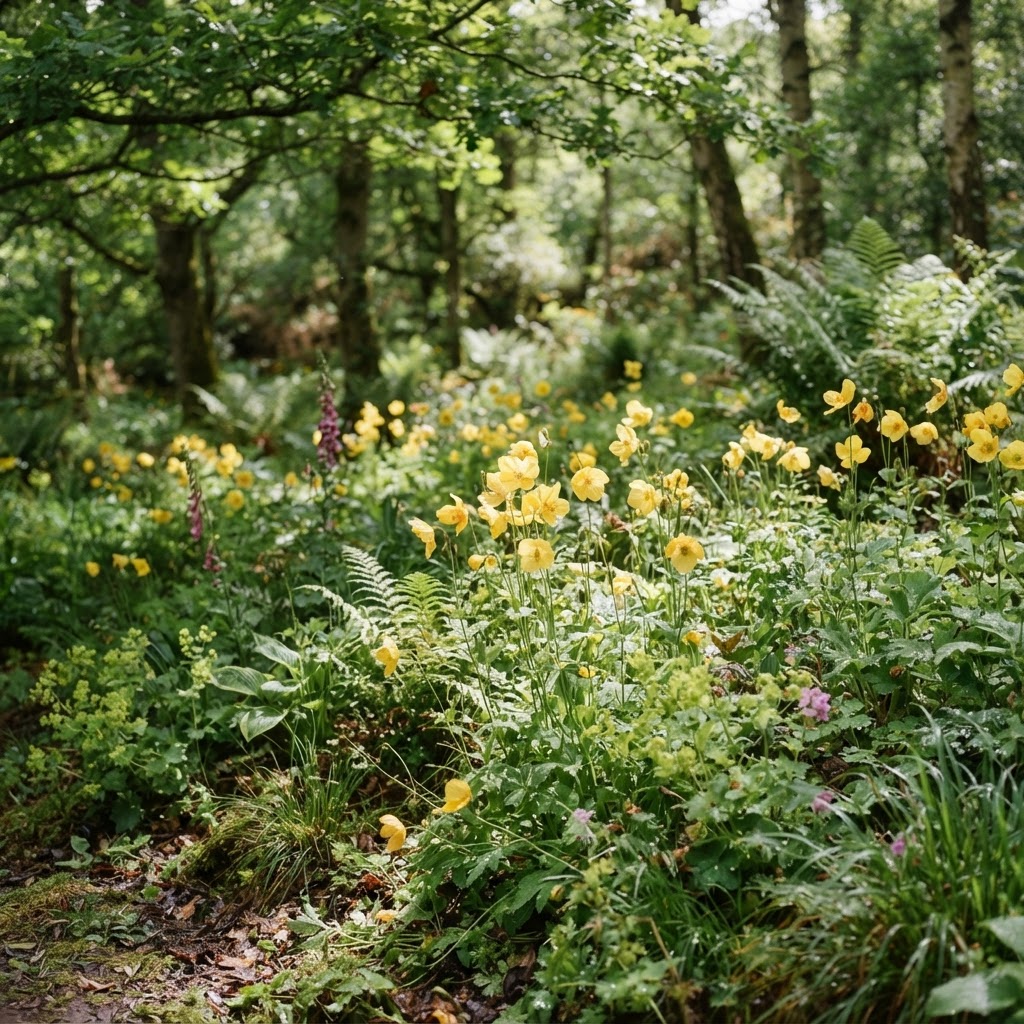
10. Welsh poppy. Cheerful yellow or orange poppies that are happy in light shade and self-sow freely through borders.
11. Atlas poppy (Papaver atlanticum). Soft orange flowers above silvery, hairy leaves. It's a long-flowering perennial for dry, sunny spots.
12. Alpine poppy (Papaver alpinum). A tiny, dainty poppy for rock gardens, gravel and the cracks in paving.
13. Himalayan blue poppy (Meconopsis). Famous for its sky-blue flowers. It's a challenge, needing cool, moist, acid soil and shelter, but it's a dream for keen gardeners.
When to Sow Poppy Seeds
| Time | Best for | Why |
|---|---|---|
| Late autumn | Annual poppies | Winter cold and frost help the seed germinate in spring |
| Early spring | Annual poppies, California poppies | Seedlings grow quickly in cool weather |
| Late summer | Iceland poppies | Plants establish before winter for flowers next year |
| Spring | Perennial poppies | Gives seedlings a full season to grow |
Utah State University Extension's guide to seed poppy in the garden advises sowing "either in late fall or very early spring," because freezing and thawing help germination, and notes that "seedlings are cold hardy." Sowing in successive batches a few weeks apart gives you a longer flowering season.
How to Sow Poppy Seeds
- Choose a sunny spot. Most poppies need full sun and well-drained soil. They don't need rich soil.
- Prepare the ground. Remove weeds and rake the soil to a fine, crumbly surface.
- Mix the seed with sand. Poppy seed is tiny, so mixing it with dry sand helps you sow thinly and see where it's landed.
- Sow on the surface. Scatter the seed and press it gently onto the soil, or cover it with only the thinnest layer of fine soil. Poppies germinate best with some light.
- Water gently with a fine rose so the seed isn't washed away.
- Label the area so you don't weed out the seedlings.
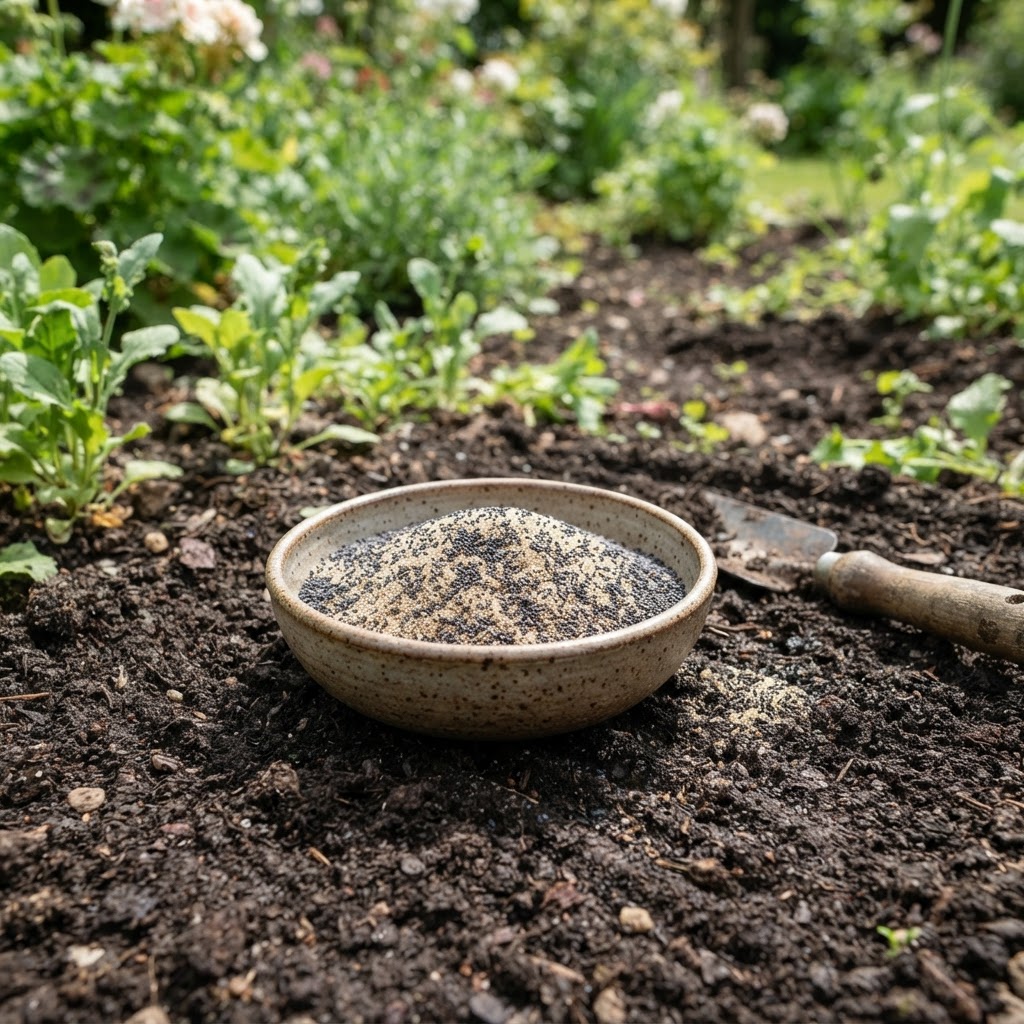
Don't transplant. As Utah State University Extension puts it, "poppies do not transplant well," because they dislike root disturbance. Sow them where they're to flower, or in small modules you can plant out without disturbing the roots.
Thinning and Caring for Seedlings
Poppy seedlings usually appear within a few weeks, sometimes longer after autumn sowing. Thin them so each plant has space to grow, to around 10 to 15 cm apart for most annual poppies, while they're still small.
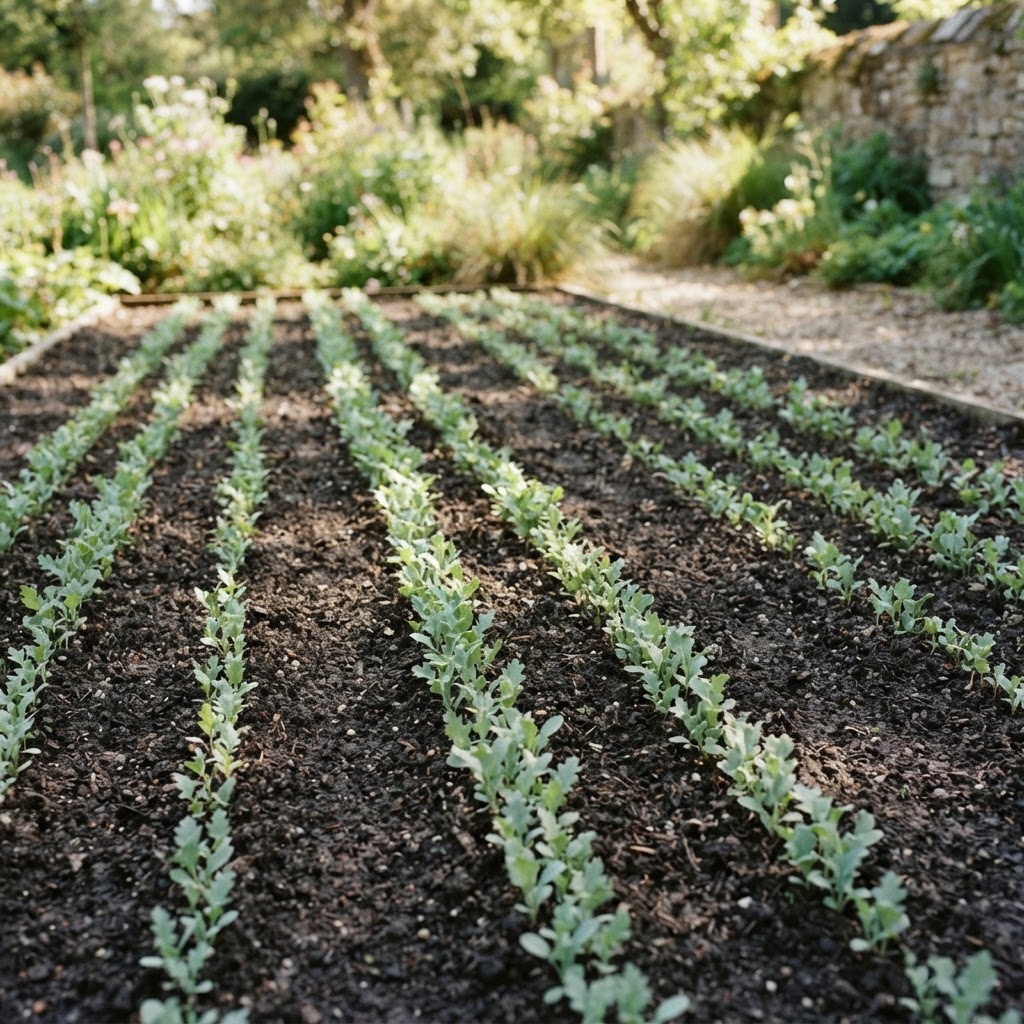
- Water only in long dry spells; poppies cope well with drought once established.
- Don't feed. Rich soil gives lots of leaves and floppy plants.
- Stake tall breadseed poppies in exposed gardens.
- Deadhead for more flowers, or leave some pods to ripen if you want seed or self-sown plants.
How to Save Poppy Seeds
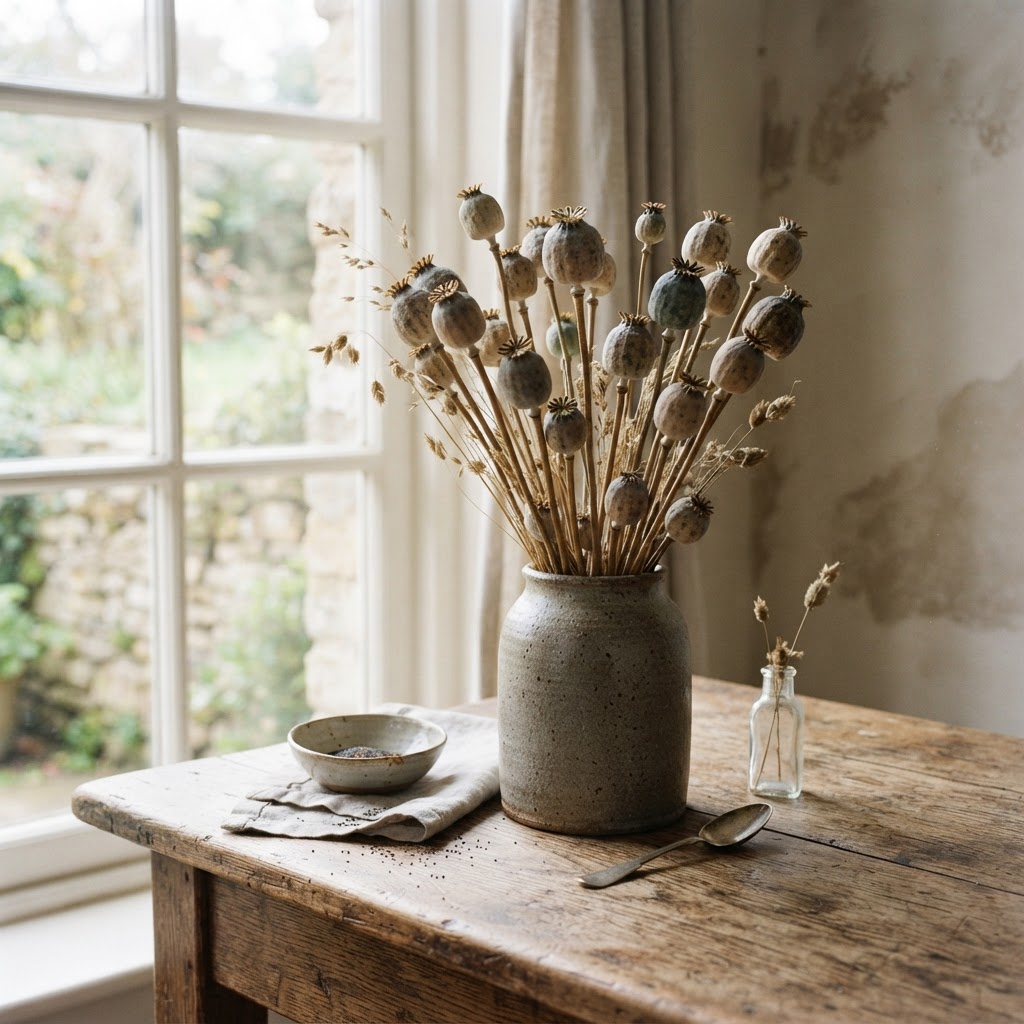
Poppy seed heads are like tiny pepper pots. Leave them on the plant until they're dry, papery and brown, and you can hear the seeds rattle. Cut them on a dry day, turn them upside down over a paper bag and shake out the seed. Store it in a labelled paper envelope somewhere cool and dry, ready to sow in autumn or spring.
The dried seed heads also look wonderful in arrangements, and they're a beautiful addition to winter displays.
A note on breadseed poppies: rules about growing Papaver somniferum vary between countries. The Utah State guide says that "seed poppy can be grown legally for garden and seed production purposes," but it's worth checking your local regulations.
Poppies as Cut Flowers
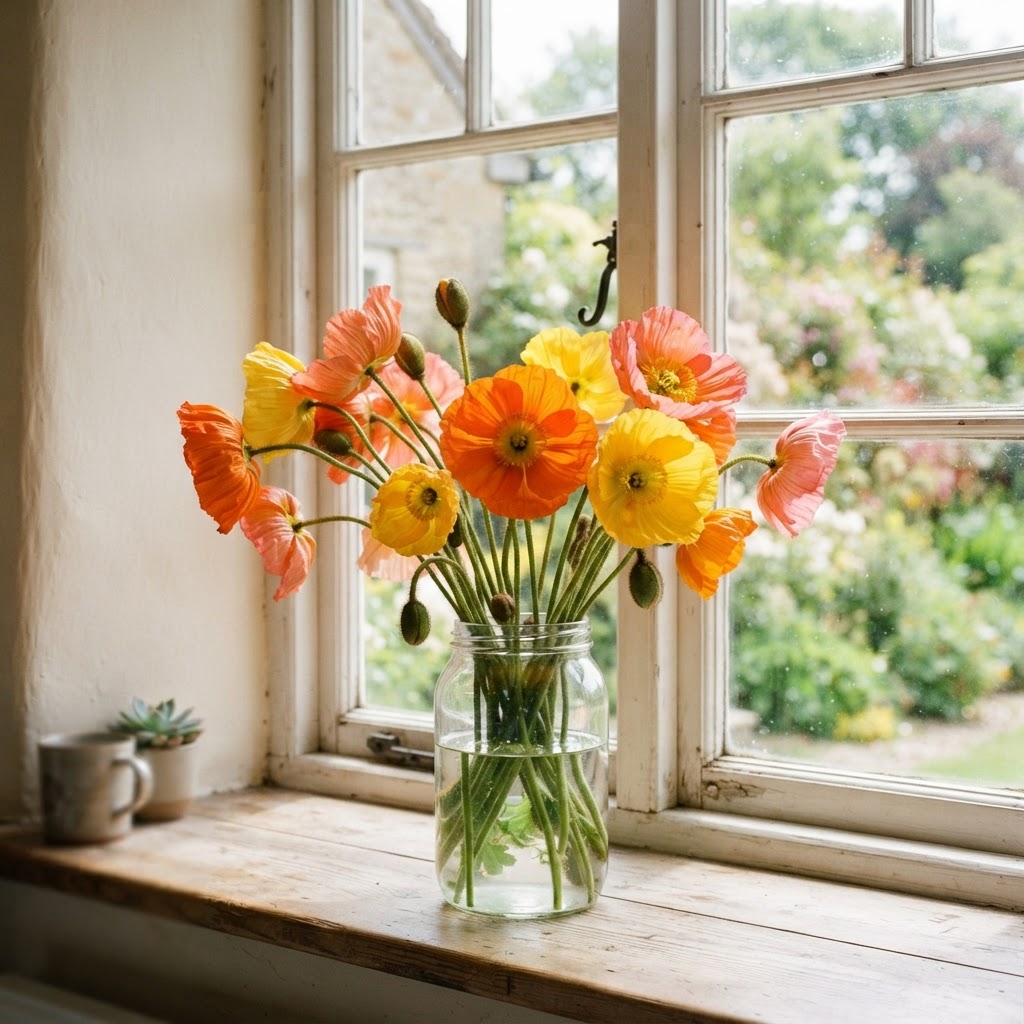
Poppies can last several days in a vase if you cut them when the buds are just starting to split and show colour. Sear the cut stems in boiling water for a few seconds, or over a flame, to seal them, then arrange them in cool water.
The Poppy as a Symbol of Remembrance
The red field poppy became a symbol of remembrance after the First World War. According to the Imperial War Museums' article on why we wear poppies, poppies "flourished in the soil churned up by the fighting and shelling" on the Western Front, and they inspired the Canadian doctor John McCrae to write his poem "In Flanders Fields" in 1915.
Planting Ideas for Poppies
- A wildflower meadow. Mix field poppies with cornflowers, corn marigolds and grasses for a classic cornfield look.
- A cottage border. Shirley and breadseed poppies fill gaps between roses, salvias and alliums.
- A gravel garden. California and alpine poppies love the sharp drainage of gravel, which suits a hardscape of paths and terraces.
- A cutting patch. Grow Iceland poppies alongside easy annuals such as zinnias and cosmos.
For longer-lasting colour around them, combine poppies with tough perennials and other flowers for landscaping.
Common Mistakes to Avoid
| Mistake | Why it's a problem | What to do instead |
|---|---|---|
| Burying the seed | Seeds need light to germinate | Sow on the surface or cover very lightly |
| Sowing too thickly | Crowded, weak seedlings | Mix seed with sand and thin early |
| Transplanting seedlings | Poppies hate root disturbance | Sow where they'll flower |
| Rich, heavily fed soil | Floppy plants and fewer flowers | Sow in ordinary, unfed soil |
| Sowing in shade | Leggy plants and few flowers | Choose full sun |
| Weeding too early | Seedlings get pulled up | Label rows and learn the seedling leaves |
Frequently Asked Questions
When should I plant poppy seeds?
Sow annual poppies in late autumn or very early spring. Autumn sowing gives the seed a cold period that helps germination.
Do poppy seeds need light to germinate?
Most do. Sow them on the surface or cover them with only a very thin layer of fine soil.
How long do poppy seeds take to germinate?
Usually two to four weeks in cool spring conditions. Autumn-sown seed may wait until late winter or spring to germinate.
Can you start poppies indoors?
It's possible in small modules, but poppies dislike root disturbance, so direct sowing usually gives better results.
Do poppies come back every year?
Annual poppies flower once and die, but they self-sow freely, so new plants usually appear the following year. Oriental, Welsh and Atlas poppies are perennials.
How far apart should poppies be?
Thin most annual poppies to around 10 to 15 cm apart.
How do I save poppy seeds?
Wait until the pods are dry and the seeds rattle, then cut them and shake the seed into a paper bag. Store it somewhere cool and dry.
A Packet of Seed, a Summer of Color
Poppies are one of the simplest joys in the garden. Scatter the seed on bare, sunny soil this autumn or early next spring, thin the seedlings, let a few pods ripen, and you'll have poppies for years to come.
And if you'd like help planning a garden that connects beautifully with your home, you can book a one-hour online interior design consultation with me.
About the author
Magda Callery is a UK interior designer and florist with more than 15 years' experience designing homes, pubs, restaurants and bars, and her expert commentary has featured in Homes & Gardens, The Mirror and The Spruce. Explore more of the flowers & garden articles.
Continue reading


Garden Statues: 17 Ideas for Placing Sculpture in a Garden
17 garden statue and sculpture ideas, how to choose and place garden statues, the best materials compared, and how to care for them.


Types of Lavender: 13 Best Varieties and How to Grow Them
The main types of lavender, 13 of the best lavender varieties, how fast lavender grows, and how to plant, prune, grow in pots and dry lavender.

Marigold Varieties: 17 Types of Marigold to Grow
17 marigold varieties to grow, from tall African and compact French marigolds to edible signets and calendula, plus growing tips and their role in Day of the Dead.