
Lilac Tree: Types, Care and When Lilacs Bloom
Everything about the lilac tree: lilac tree vs lilac bush, when lilacs bloom, 13 beautiful varieties, and how to plant, prune and grow lilacs that flower.
By Magda Callery, interior designer and florist

Few plants announce late spring like a lilac in full bloom. The cone-shaped clusters of purple, white or pink flowers and that heady, nostalgic scent drift across gardens for a few precious weeks every year. In Poland, where I grew up, lilac (bez) fills village gardens and roadsides every May, and a jug of cut lilac on the kitchen table is one of my favourite signs of the season.
In this guide I'll explain the difference between a lilac tree and a lilac bush, when lilacs bloom, 13 of the most beautiful lilac varieties, how to plant, grow and prune a lilac, why a lilac might not flower, and how to enjoy lilac flowers indoors.
The quick answer: most lilacs are large, multi-stemmed shrubs, but they can be grown as small trees, and the Japanese tree lilac is a true tree. Lilacs need at least six hours of sun, well-drained soil that's neutral to slightly alkaline, and pruning straight after flowering. They bloom for two to three weeks in mid to late spring.
Lilac at a Glance
| Common lilac (Syringa vulgaris) | |
|---|---|
| Plant type | Deciduous shrub or small multi-stemmed tree |
| Height and spread | About 8 to 15 ft tall and 6 to 12 ft wide (2.5 to 4.5 m by 2 to 3.5 m) |
| Flowers | Fragrant panicles in purple, lilac, white, pink, magenta or pale yellow |
| Bloom time | Mid to late spring, usually April to May in the UK |
| Sun | Full sun, at least six hours a day |
| Soil | Well-drained, neutral to slightly alkaline |
| Hardiness | Very cold hardy; thrives where winters are cold |
| Lifespan | Very long-lived; old lilacs can flower for generations |
Lilac Tree vs Lilac Bush
| Lilac bush | Lilac tree | |
|---|---|---|
| Shape | Many stems from the base | One or a few trunks with a rounded crown |
| Examples | Common lilac, Korean dwarf lilac, Miss Kim | Japanese tree lilac, standard (single-stem) lilacs, old common lilacs trained to a trunk |
| Best for | Hedges, screens and borders | Small gardens, lawns and front gardens |
| Upkeep | Remove old stems and suckers | Remove suckers to keep a clean trunk |
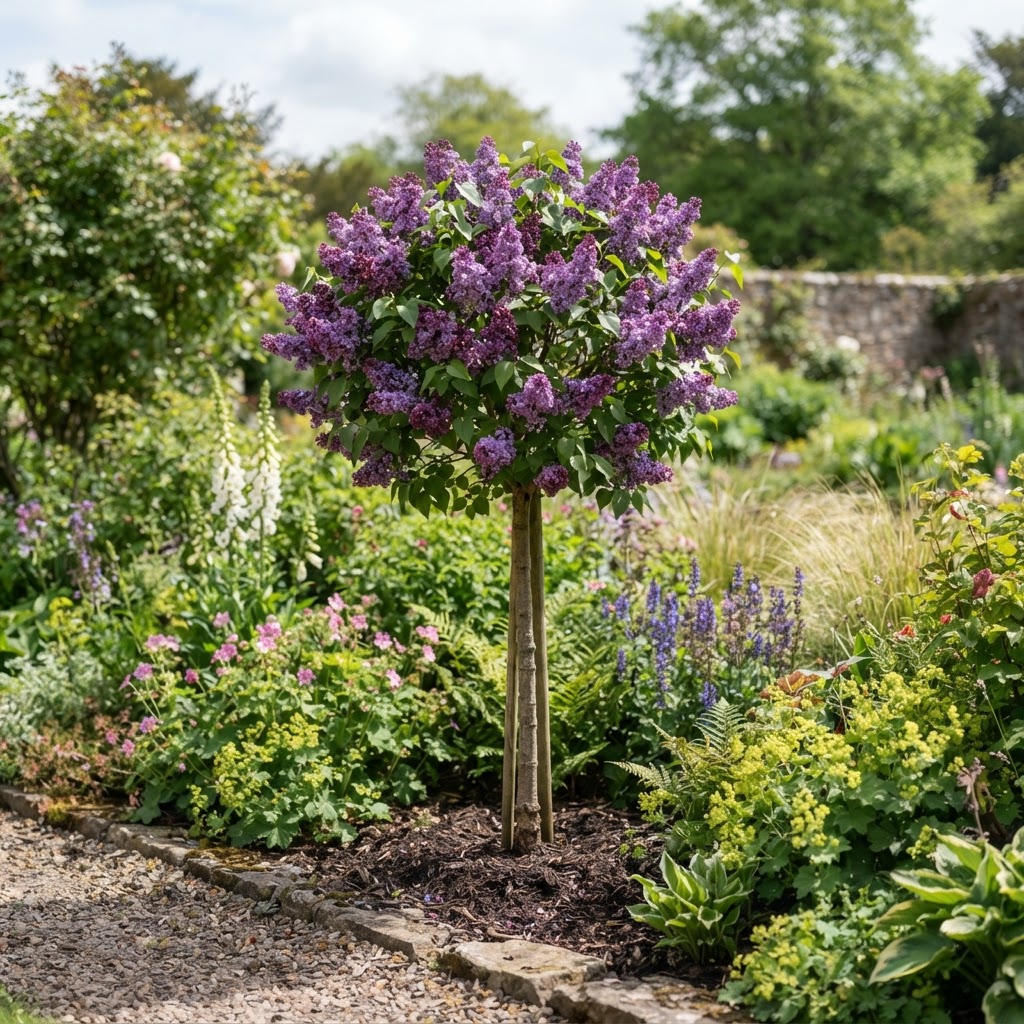
So is a lilac a tree or a bush? Botanically, most lilacs are shrubs. But an old common lilac with its lower branches removed looks like a small tree, nurseries sell lilacs grafted onto a single stem as standards, and the Japanese tree lilac naturally grows as a small tree.
When Do Lilacs Bloom?
Common lilacs flower in mid to late spring, usually in April and May in the UK and from April to early June in much of North America, depending on the climate. Each plant blooms for around two to three weeks. You can stretch the season to six weeks or more by growing early, mid and late varieties:
- Early: hyacinth-flowered lilacs (Syringa × hyacinthiflora).
- Mid-season: common lilac and its many cultivars.
- Late: Miss Kim, Preston lilacs and, last of all, the Japanese tree lilac in early summer.
Lilacs flower at the same time as many late tulips and just before peonies come into season, so the two make a wonderful late spring partnership in a border or a vase.
13 Beautiful Lilac Varieties
Common lilacs
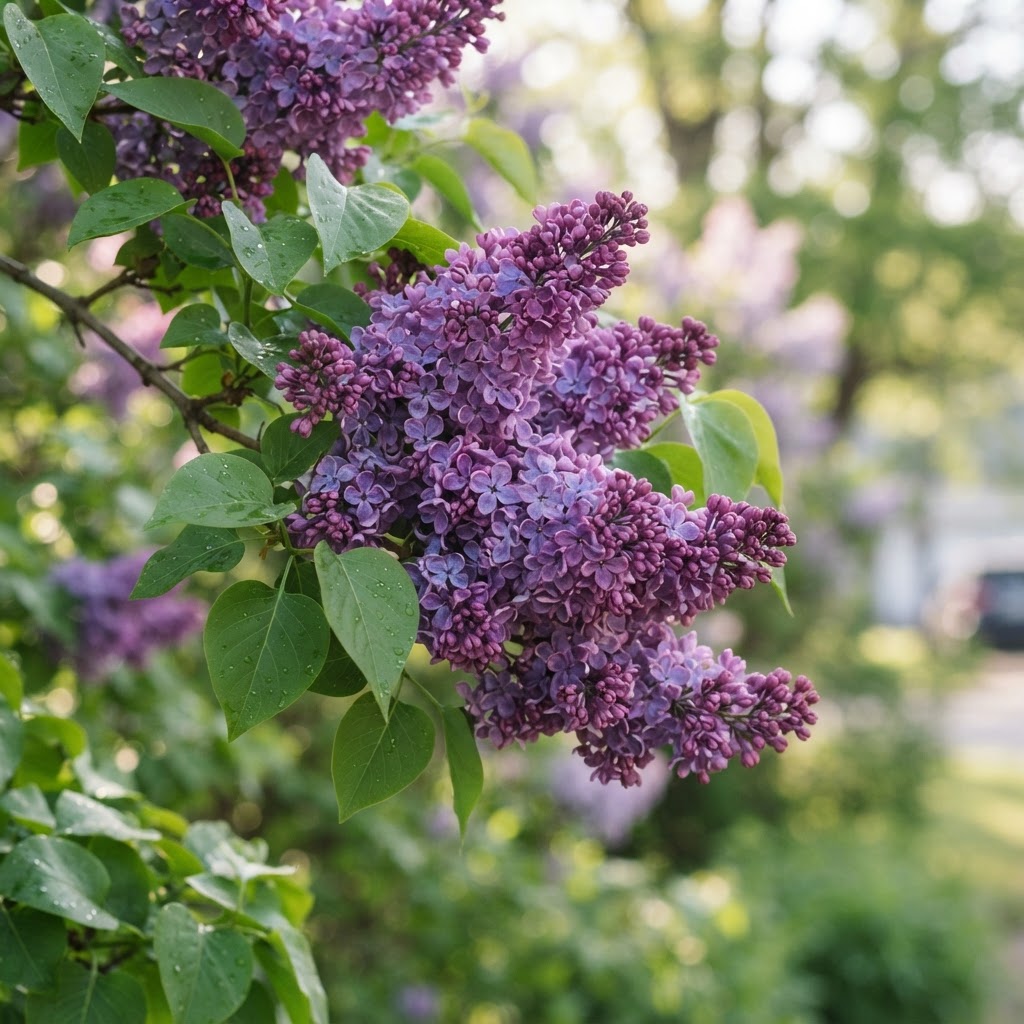
1. Common lilac (Syringa vulgaris). The classic, old-fashioned lilac, with single, sweetly scented lavender-purple flowers. It's tough, long-lived and often found in old gardens.
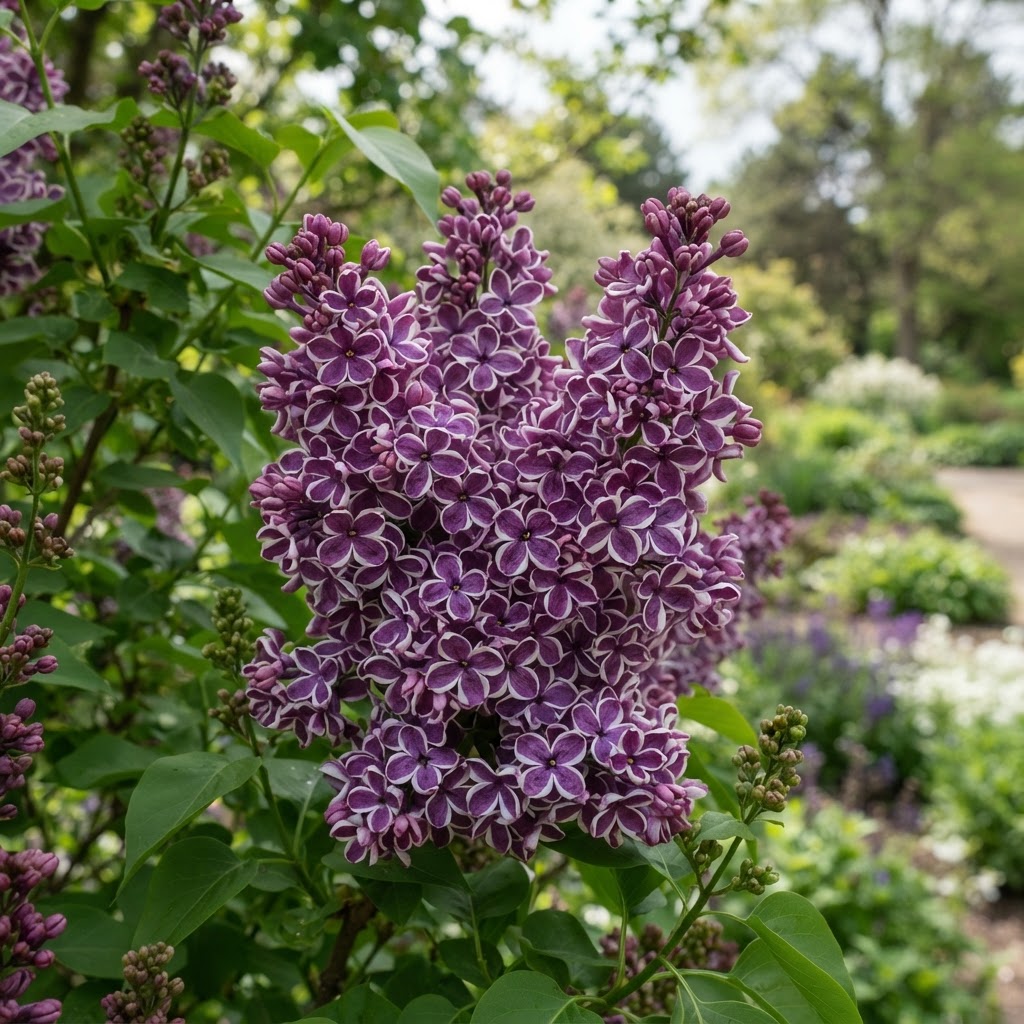
2. 'Sensation'. A striking bicolour with deep purple florets edged in white, so each cluster looks outlined.
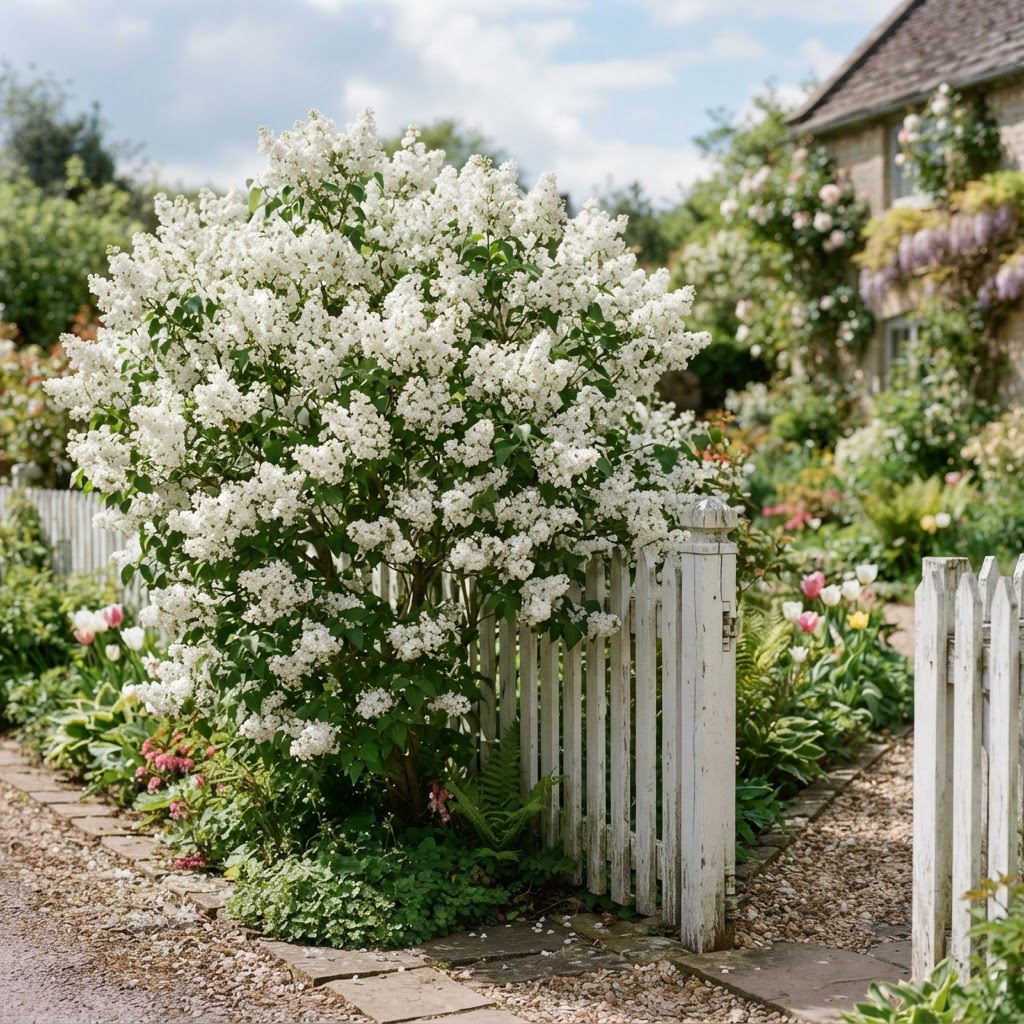
3. 'Madame Lemoine'. A much-loved double white lilac with dense, creamy clusters and a strong scent. It's lovely in a white garden.
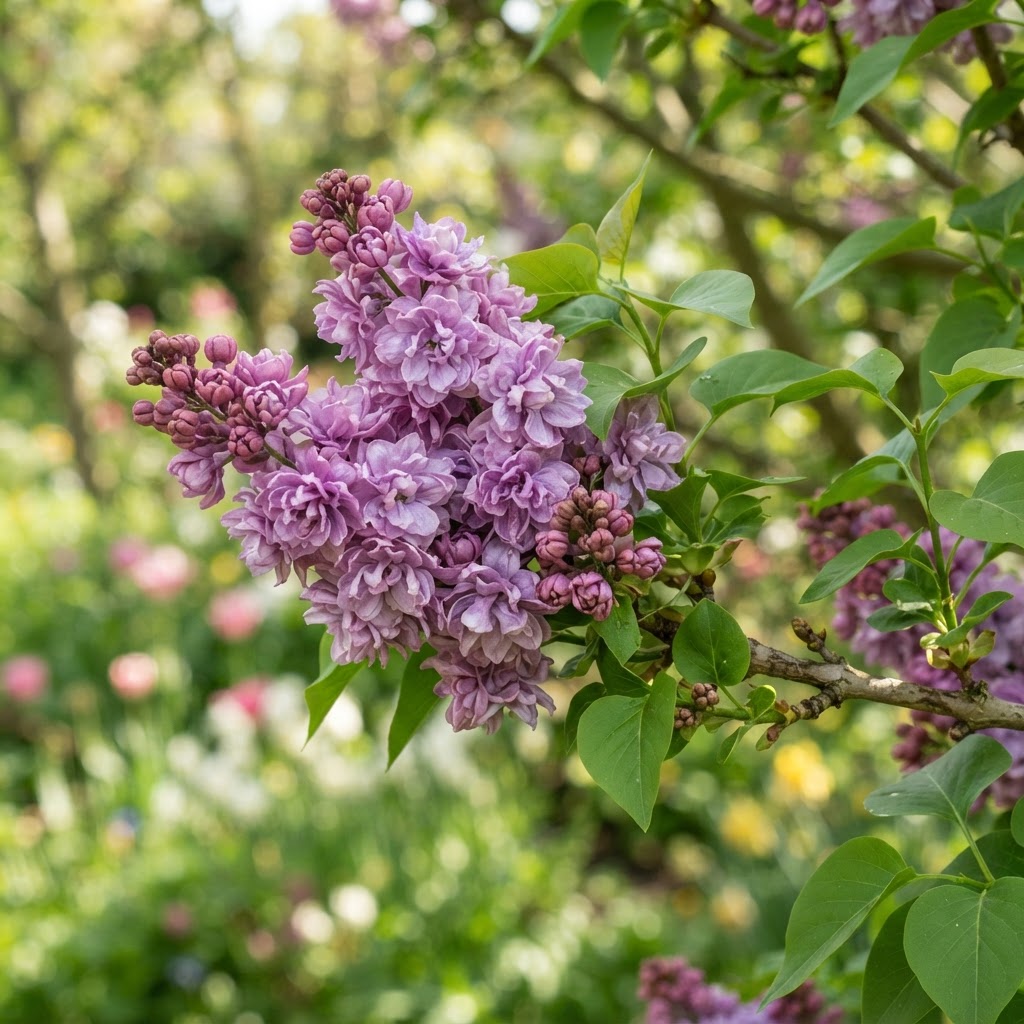
4. 'Charles Joly'. Rich, double, magenta-purple flowers that look luxurious in a vase.
5. 'Katherine Havemeyer'. Large, double, lavender-pink flowers with a wonderful fragrance.
6. 'Primrose'. An unusual lilac with pale, creamy yellow flowers. It's subtle and charming in a cottage garden.
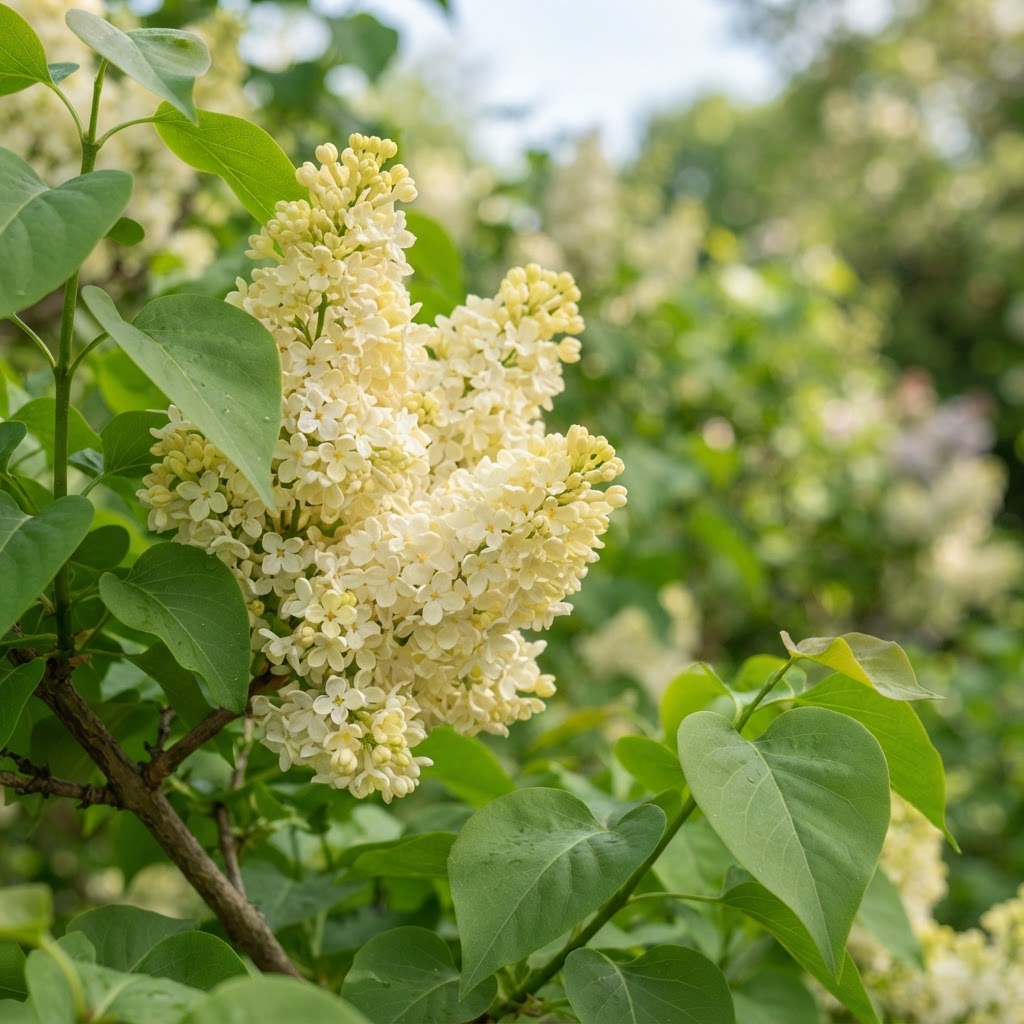
7. 'Beauty of Moscow'. Pink buds open to double, pearly white flowers, giving a soft, two-tone effect.
Compact lilacs for small gardens
8. Korean dwarf lilac (Syringa meyeri 'Palibin'). A neat, rounded shrub with small leaves and pale pink flowers. It's one of the best lilacs for small gardens and large pots.
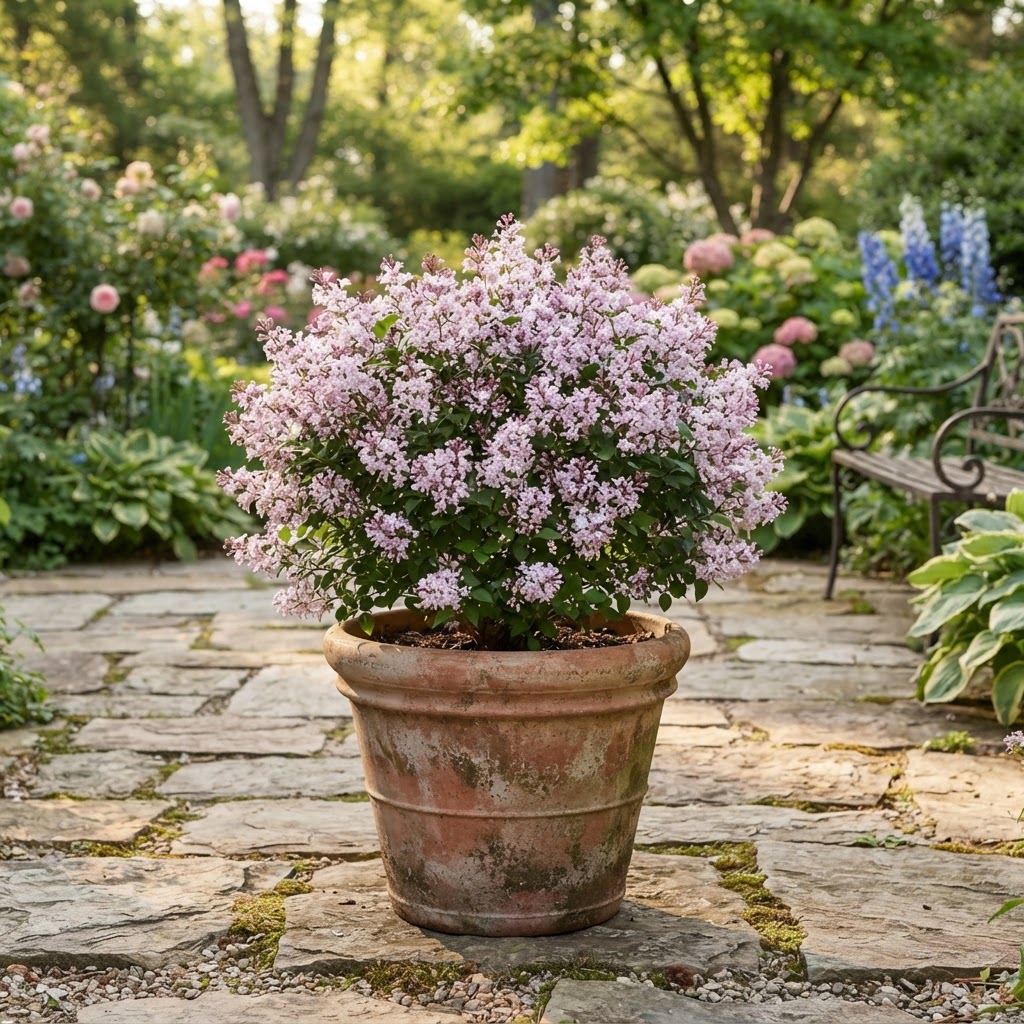
9. 'Miss Kim'. A compact, late-flowering lilac with fragrant, icy lilac flowers and good autumn leaf colour.
10. Persian lilac (Syringa × persica). A smaller, graceful lilac with slender leaves and loose, airy clusters of pale lilac flowers.
Lilac trees and late lilacs
11. Japanese tree lilac (Syringa reticulata). A true small tree with large plumes of creamy white flowers in early summer, after other lilacs have finished. It's a lovely choice for a lawn or a front garden.
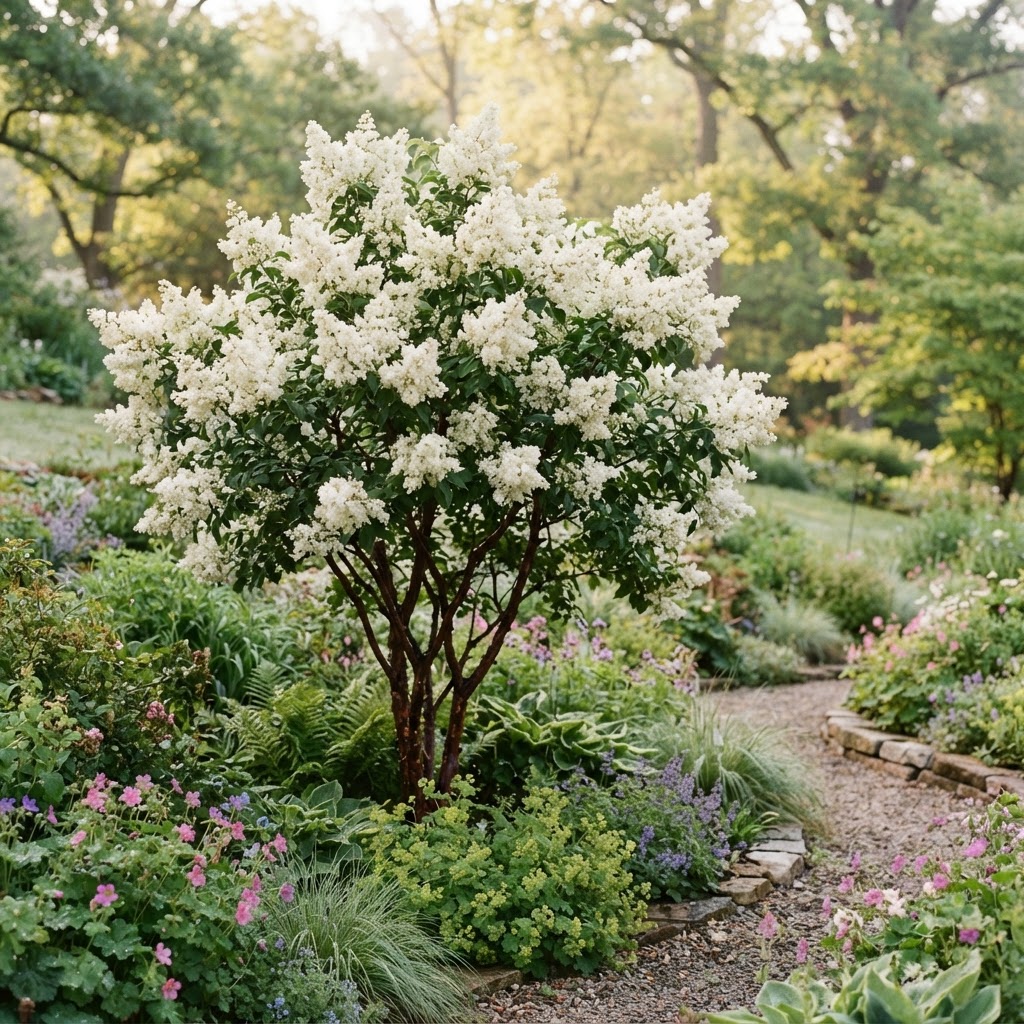
12. Preston lilacs (Syringa × prestoniae). Very hardy, late-flowering hybrids that extend the lilac season by a couple of weeks.
13. Hyacinth-flowered lilacs (Syringa × hyacinthiflora). The earliest lilacs to bloom, often a week or more before the common lilac.
How to Plant and Grow a Lilac
- Choose a sunny spot. University of Minnesota Extension's guide to growing lilacs advises: "Make sure your lilac has 6 or more hours of full sun per day." In shade, lilacs grow leggy and flower poorly.
- Check the soil. Lilacs like well-drained soil with a pH around neutral to slightly alkaline. They hate wet, heavy ground.
- Give it space. A common lilac can grow several metres wide, so plant it well away from walls and other shrubs to allow good air flow.
- Plant in autumn or early spring. Water well in the first year, then only in long dry spells.
- Don't overfeed. Too much nitrogen, including fertiliser that runs off from a lawn, encourages leaves at the expense of flowers.
- Be patient. Young lilacs can take a few years to settle in before they flower well.
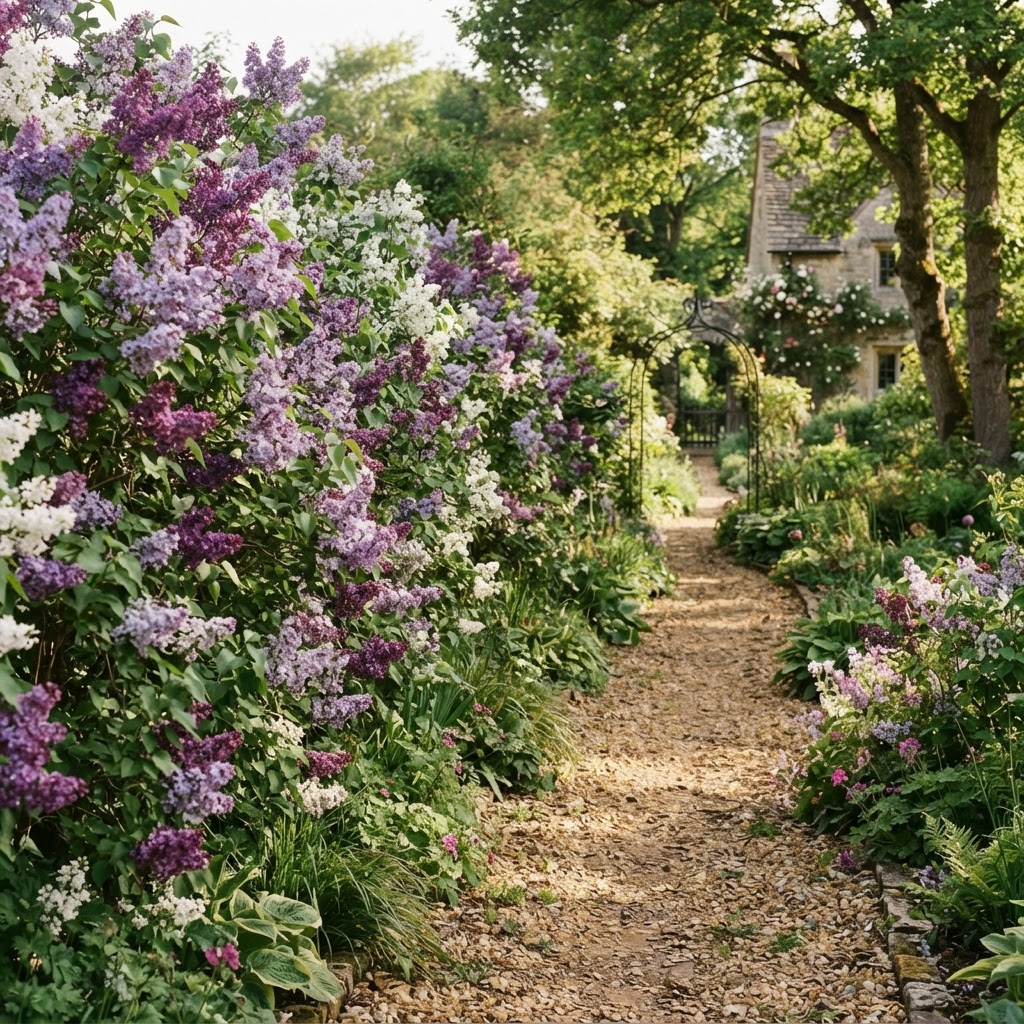
A lilac hedge makes a beautiful, fragrant screen and a softer alternative to garden fence ideas along a boundary.
How to Prune a Lilac
Timing is everything. As University of Minnesota Extension explains, "Lilacs set flower buds for the next year right after blooming is finished, so prune immediately after flowering." Prune in autumn or winter and you'll cut off next spring's flowers.
- Deadhead after flowering. Snip off faded flower clusters if you can reach them.
- Remove old stems. On established shrubs, cut out up to a third of the oldest, thickest stems at the base each year to keep the plant young and flowering.
- Remove suckers. Pull or cut away suckers from the base, unless you want to thicken a hedge.
- Shape a lilac tree. To grow a lilac as a tree, choose one to three strong stems, remove the others and any lower side branches, and keep removing suckers.
Why Isn't My Lilac Blooming?
| Cause | What to do |
|---|---|
| Too much shade | Move it, or cut back surrounding plants to let in more sun |
| Pruned at the wrong time | Prune only straight after flowering |
| Too much nitrogen | Stop feeding and keep lawn fertiliser away |
| Too young | Give a new lilac a few years to establish |
| Old, overgrown stems | Renew the shrub by removing a third of the old stems each year |
| Very wet soil | Improve drainage or move the plant |
Powdery mildew often appears on lilac leaves in late summer. It looks unsightly but is usually cosmetic, and good air flow helps.
Lilac Flowers in the Home
Cut lilacs fill a room with scent, but they can wilt quickly unless you prepare them well:
- Cut in the cool of the morning, when about half the florets on each cluster are open.
- Strip off most of the leaves, which draw water away from the flowers.
- Cut the stems at an angle and split the base a few centimetres to help them drink.
- Put them straight into cool, deep water and keep the vase away from heat and direct sun.
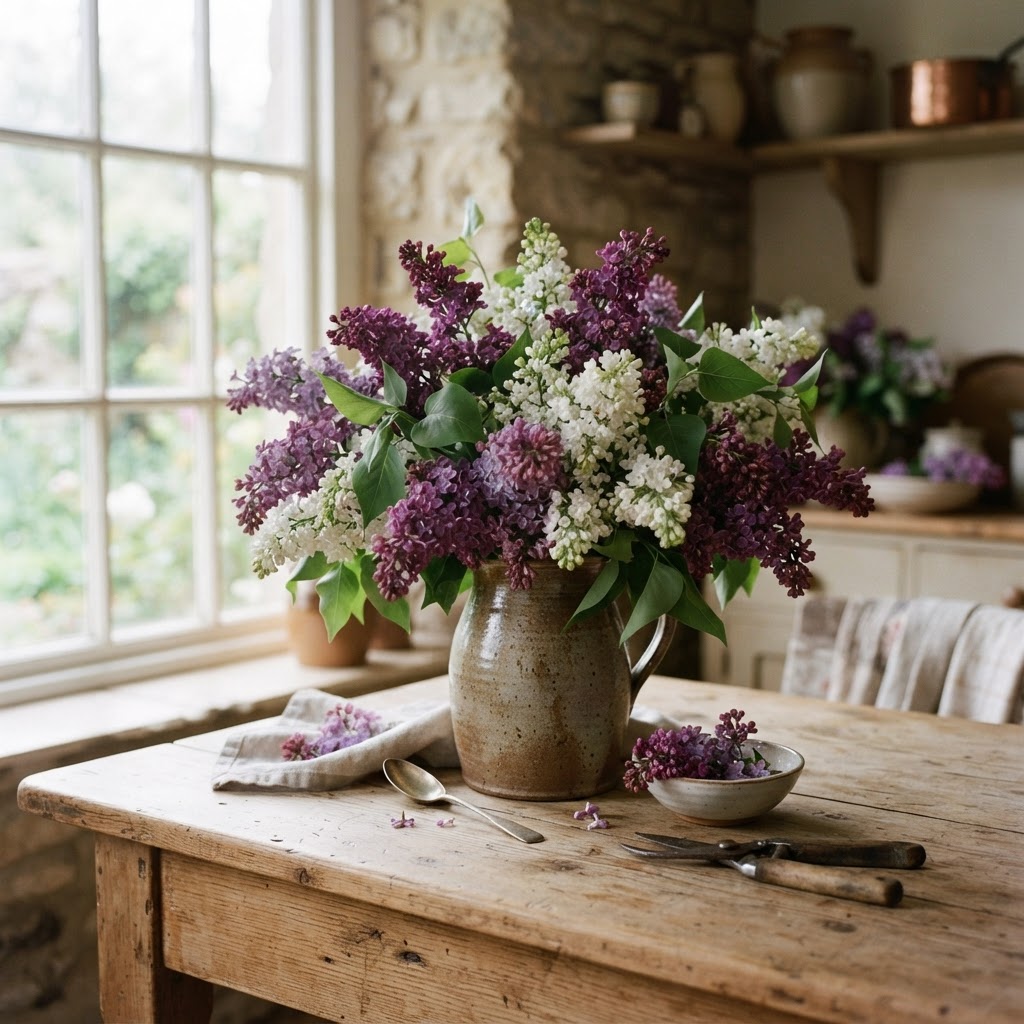
Lilacs look wonderful in a simple jug, or mixed with tulips, peonies and guelder rose. They've inspired painters too; Vincent van Gogh painted a lilac bush in the garden at Saint-Rémy in 1889, one of many famous flower paintings inspired by spring blossom. For more ways to style flowers at home, explore decorating with fresh flowers.
Lilac meaning: in the Victorian language of flowers, purple lilac was associated with first love and white lilac with innocence and youth.
Lilac in the Garden
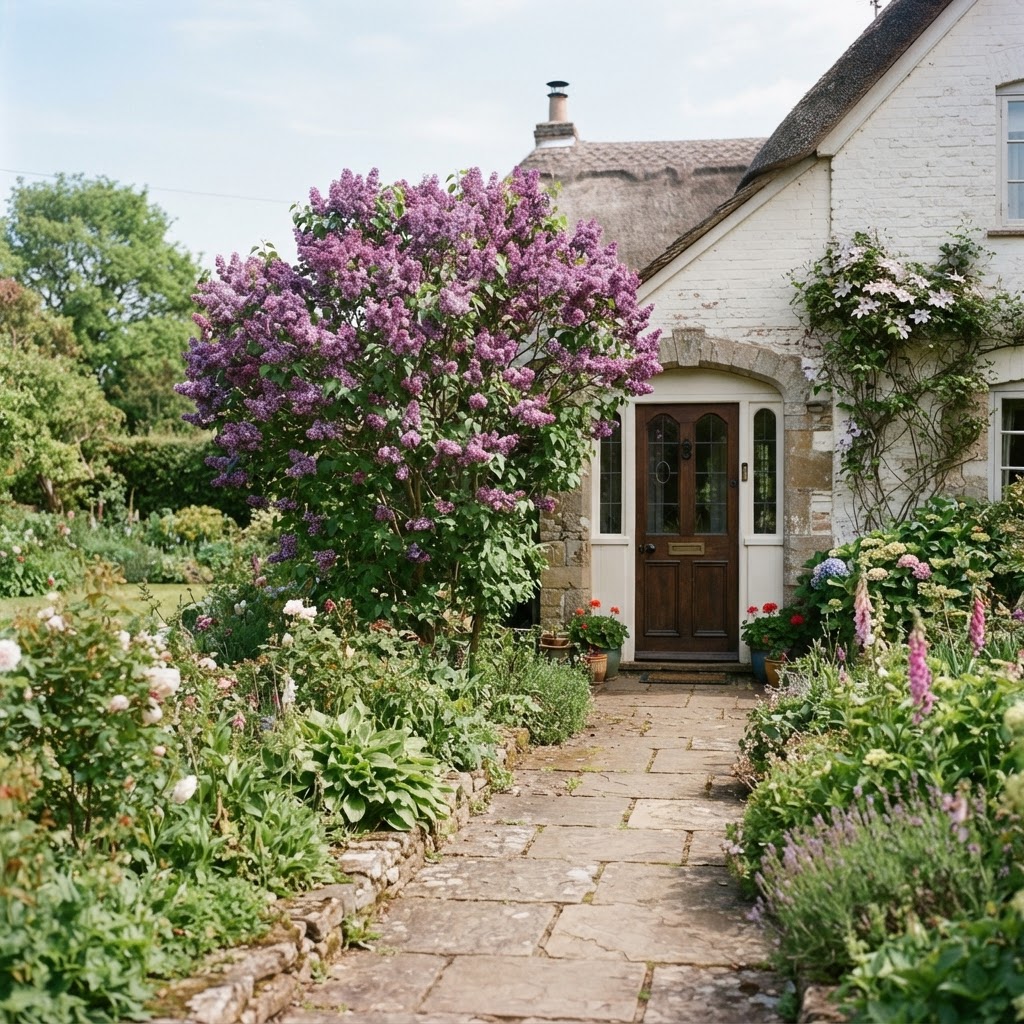
Plant a lilac where you'll catch its scent: by a gate, a path, a patio or under a window. Underplant it with spring bulbs, and pair it with roses and hardy perennials for colour later in the year. Lilacs sit well among other long-lived, low-maintenance flowers for landscaping, and for winter interest, plant one of the trees with red berries nearby.
Frequently Asked Questions
Is a lilac a tree or a bush?
Most lilacs are large shrubs, but they can be trained as small trees, and the Japanese tree lilac naturally grows as a tree.
How big does a lilac tree get?
A common lilac usually reaches about 8 to 15 ft (2.5 to 4.5 m). Dwarf varieties such as 'Palibin' stay much smaller, while a Japanese tree lilac can grow larger.
When do lilacs bloom?
Mid to late spring, usually April to May in the UK. The Japanese tree lilac flowers later, in early summer.
How long do lilacs bloom?
Each plant flowers for about two to three weeks. Growing early, mid and late varieties extends the season.
Why is my lilac not blooming?
The most common reasons are too much shade, pruning at the wrong time, too much nitrogen, or a young plant that hasn't settled in yet.
When should you prune a lilac?
Immediately after it finishes flowering, because lilacs form next year's flower buds soon afterwards.
Do lilacs like sun or shade?
Sun. They need at least six hours of direct sun a day to flower well.
A Season Worth Waiting For
A lilac rewards very little care with weeks of colour and some of the most beautiful scent in the garden. Give it sun, good drainage and pruning at the right time, choose a variety that suits your space, and it can flower for generations.
And if you'd like help connecting your garden, your views and your interiors, you can book a one-hour online interior design consultation with me.
About the author
Magda Callery is a UK interior designer and florist with more than 15 years' experience designing homes, pubs, restaurants and bars, and her expert commentary has featured in Homes & Gardens, The Mirror and The Spruce. Explore more of the flowers & garden articles.
Continue reading


Lily Flower Meaning: What Lilies Symbolize by Color
What lilies symbolise, the meaning of white, pink, red, yellow, orange and purple lilies, lily types from Easter to calla, and the best lilies for every occasion.


Best Terrarium Plants: 19 Plants for Closed and Open Jars
The 19 best plants to grow inside a terrarium, from fittonia, moss and ferns for closed jars to succulents and air plants for open ones, plus how to make one.

What Is Hardscape Landscaping? Hardscape vs Softscape
What is hardscape landscaping? The built parts of a garden, how hardscape differs from softscape, 13 common features, materials compared and drainage tips.