
French Casement Windows: Styles, Pros, Cons and Ideas
What French casement windows are, how they differ from casement and double-hung windows, their pros and cons, 13 beautiful ideas and how to dress them with curtains and blinds.
By Magda Callery, interior designer and florist
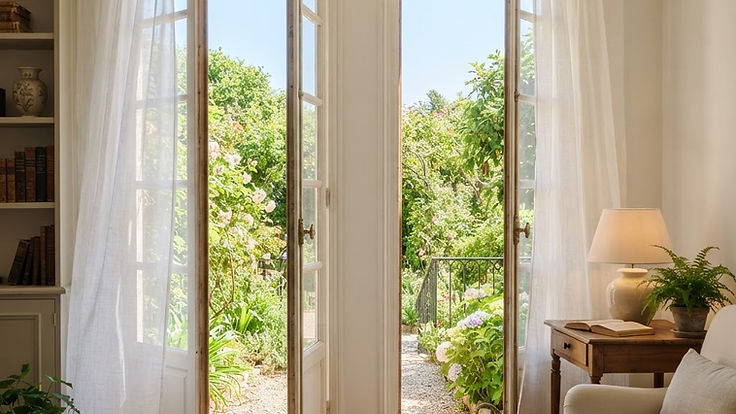
There's something wonderfully romantic about flinging open a pair of windows onto a sunny garden or a busy street below. That's the magic of French casement windows: two tall sashes that swing open from the middle with no post between them, filling the room with light and air. They're a classic of Parisian apartments and Provençal farmhouses, and they bring the same easy elegance to homes everywhere.
In this guide I'll explain what French casement windows are and how they differ from standard casement and double-hung windows, their pros and cons, 13 beautiful ways to use them, how to dress them with curtains and blinds, and the mistakes to avoid.
The quick answer: French casement windows are a pair of side-hinged casement sashes that open from the centre, with no fixed post (mullion) between them, so you get a completely clear opening. In Europe they usually open inwards and lock with a tall espagnolette bolt; in America they often crank outwards. They suit traditional, farmhouse, Mediterranean and modern homes, give excellent ventilation and views, and seal tightly when closed, but they need clear space to swing open.
What Are French Casement Windows?
A standard casement window is hinged on one side and swings open like a door. A French casement has two casements side by side, hinged on the outer edges, that meet in the middle. Because there's no centre post, opening both sashes leaves the whole window clear, a little like a pair of miniature French doors.
| Window type | How it opens | Centre post | Best for |
|---|---|---|---|
| French casement | Two sashes swing open from the centre | No | Wide views, ventilation, period charm |
| Standard casement | One sash hinged on one side | N/A | Smaller openings, kitchens, bathrooms |
| Double-hung | Two sashes slide up and down | Meeting rail | Traditional homes, safety with children |
| French doors | Two glazed doors open from the centre | No | Access to a garden or balcony |
The way a window opens is part of a building's character. The City of Lincoln's historic preservation guidelines for windows note that details such as "how the window operates (e.g., double hung, casement, awning, or hopper) are significant," so in an older home it's worth keeping the original type.
Pros and Cons of French Casement Windows
| Pros | Cons |
|---|---|
| A wide, unobstructed view with no centre post | Inward-opening sashes need clear space inside |
| Excellent ventilation when both sashes are open | Outward-opening sashes can catch the wind |
| Seal tightly when closed, which helps with draughts | Curtains and blinds need careful planning |
| Easy to clean from inside on inward-opening styles | Usually cost more than standard windows |
| Elegant, timeless look | Screens can be trickier to fit |
13 Beautiful Ways to Use French Casement Windows
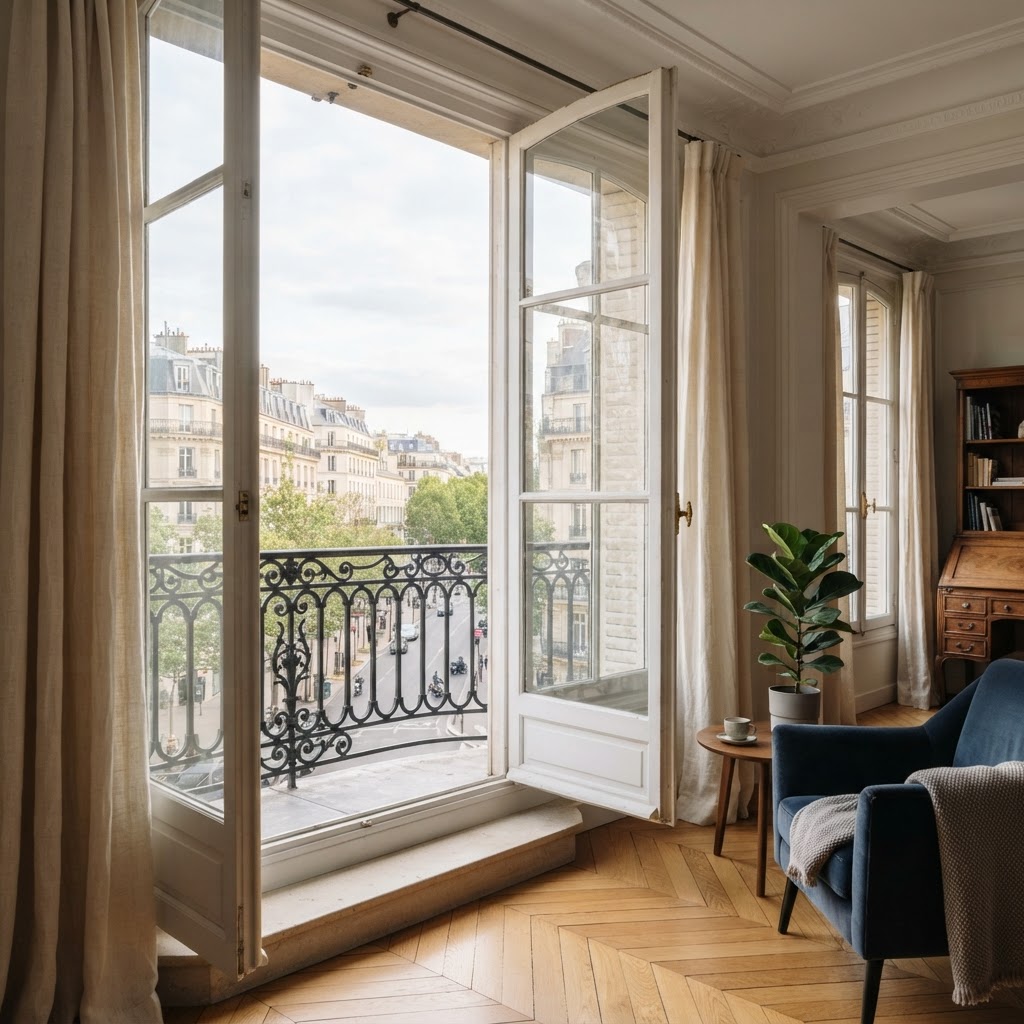
1. Tall windows with a Juliet balcony. Floor-to-ceiling French casements with a slim iron railing outside are the classic Parisian look. They make a bedroom or living room feel taller and bring in a wonderful sense of the outdoors.
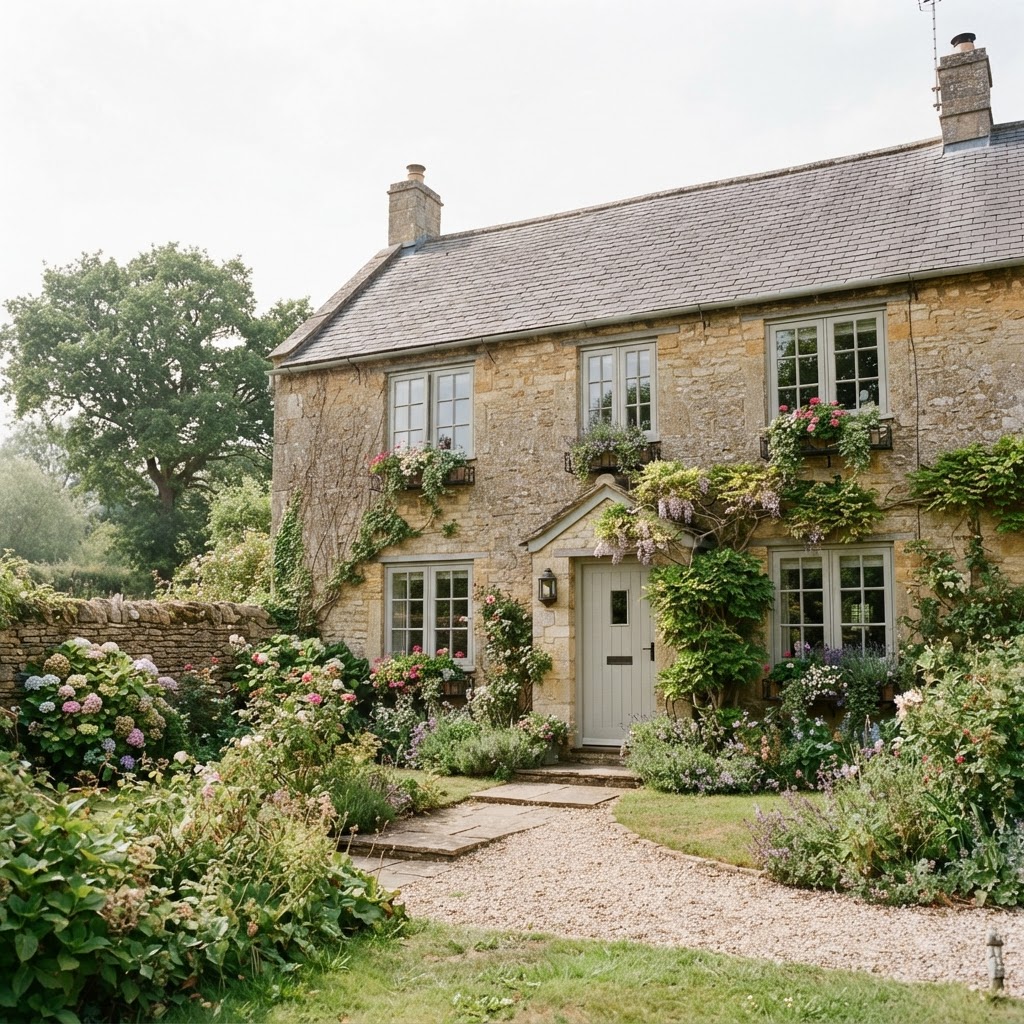
2. Painted frames on a stone house. Soft grey, sage or putty paint on timber casements looks beautiful against stone or brick walls, especially with window boxes below.
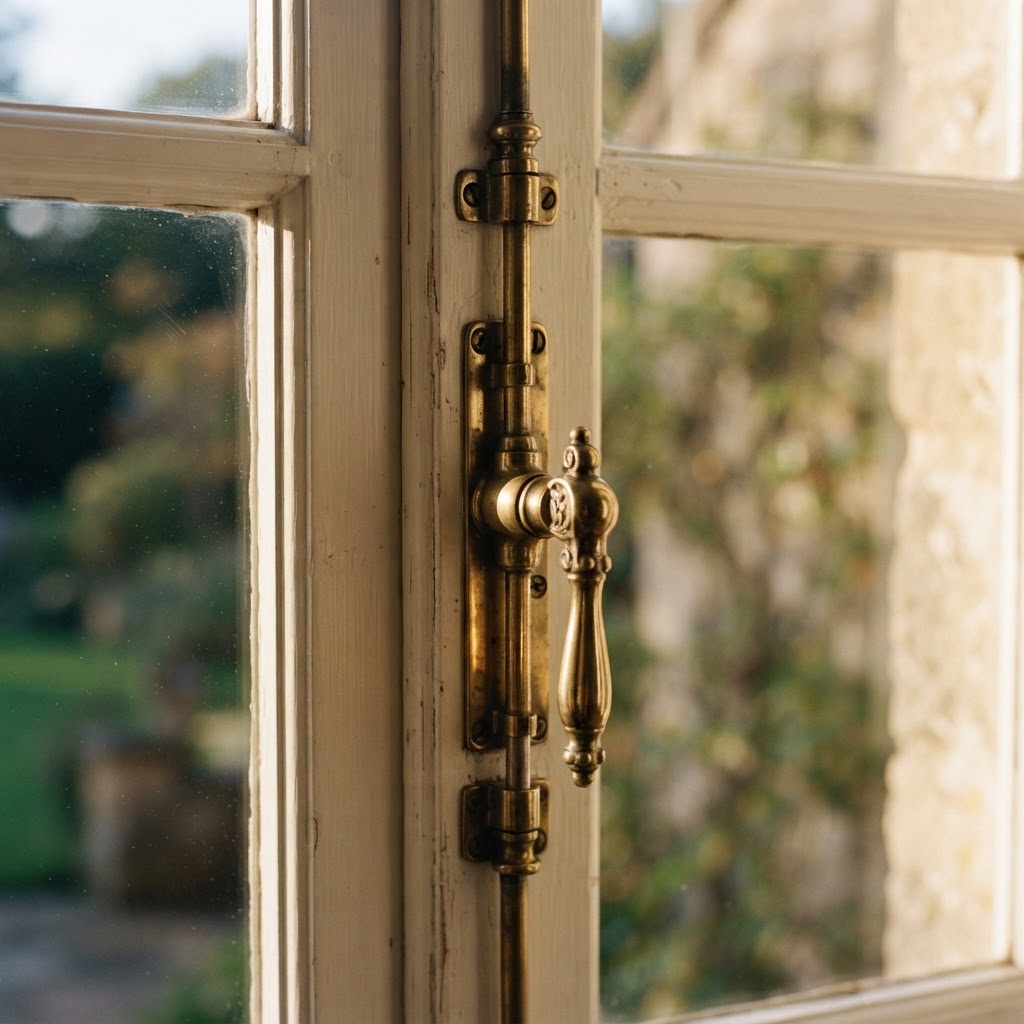
3. Brass espagnolette hardware. An espagnolette is the long bolt that runs up the edge of the sash and locks into the top and bottom of the frame with a turn of the handle. In polished or antique brass, it's both a practical lock and a lovely detail.
4. Black steel casements. Slim black steel or aluminium French casements give a crisp, industrial edge to a modern kitchen or extension, and they pair beautifully with black window frames elsewhere in the house.
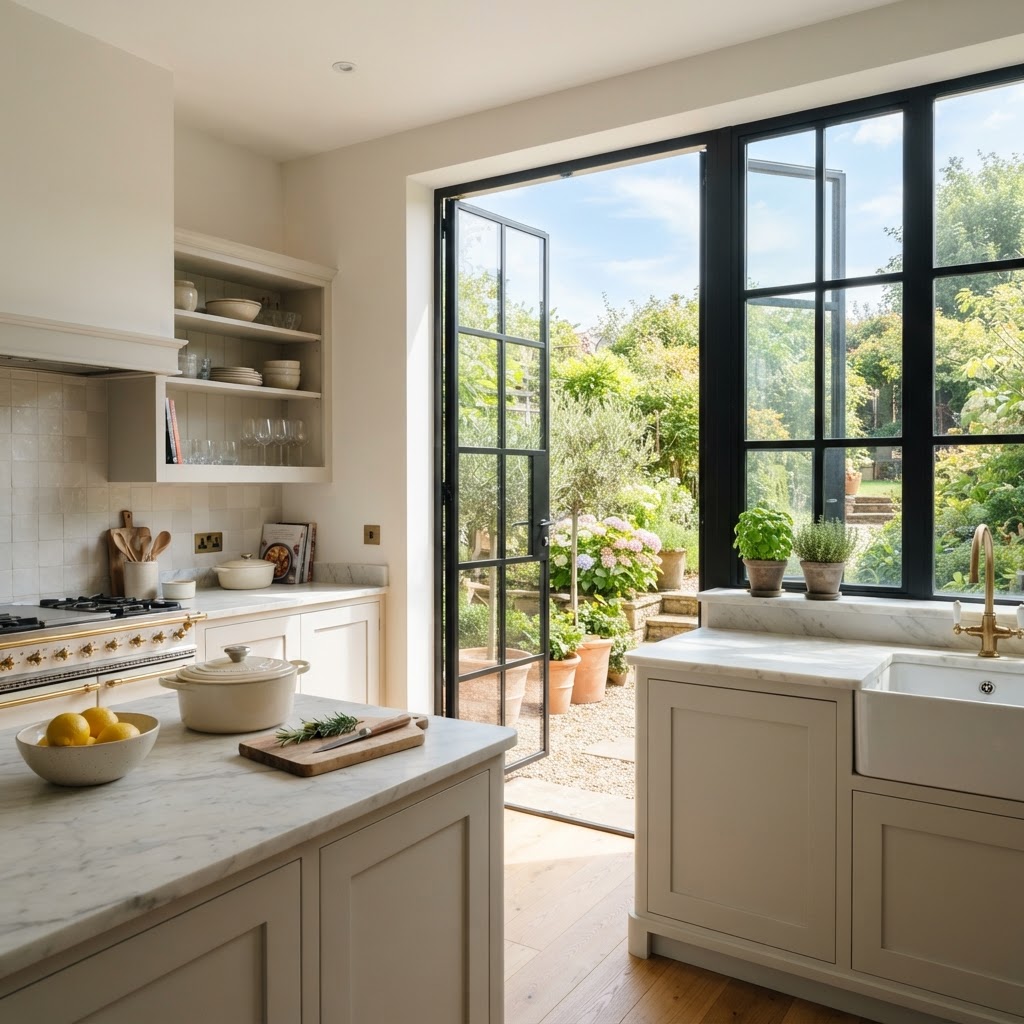
5. Over the kitchen sink. Outward-opening or tilt-and-turn French casements over a sink let you open the window wide without leaning over the taps, and they're perfect for a garden view while you wash up.
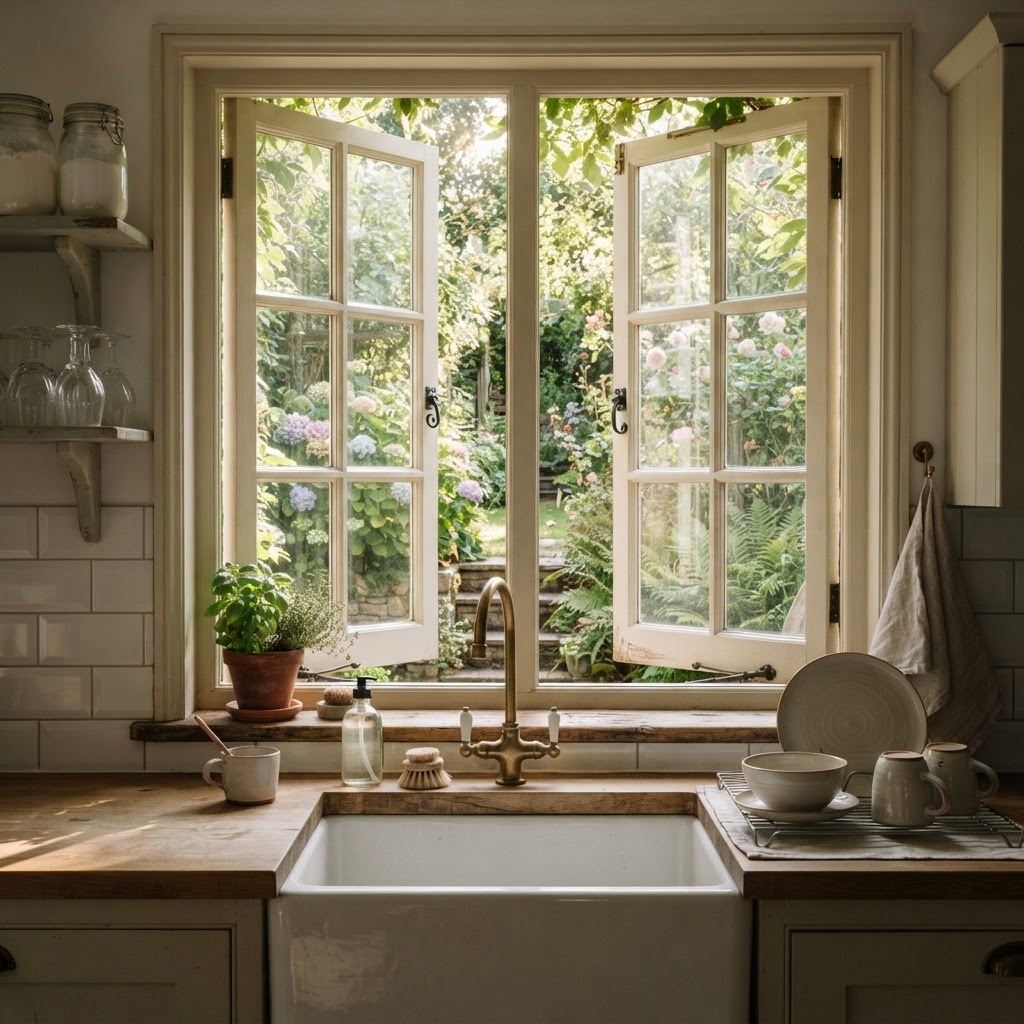
6. Farmhouse kitchens. Simple wooden casements with a window box of herbs feel relaxed and rustic, and they work as well in a cottage as in a farmhouse window scheme.
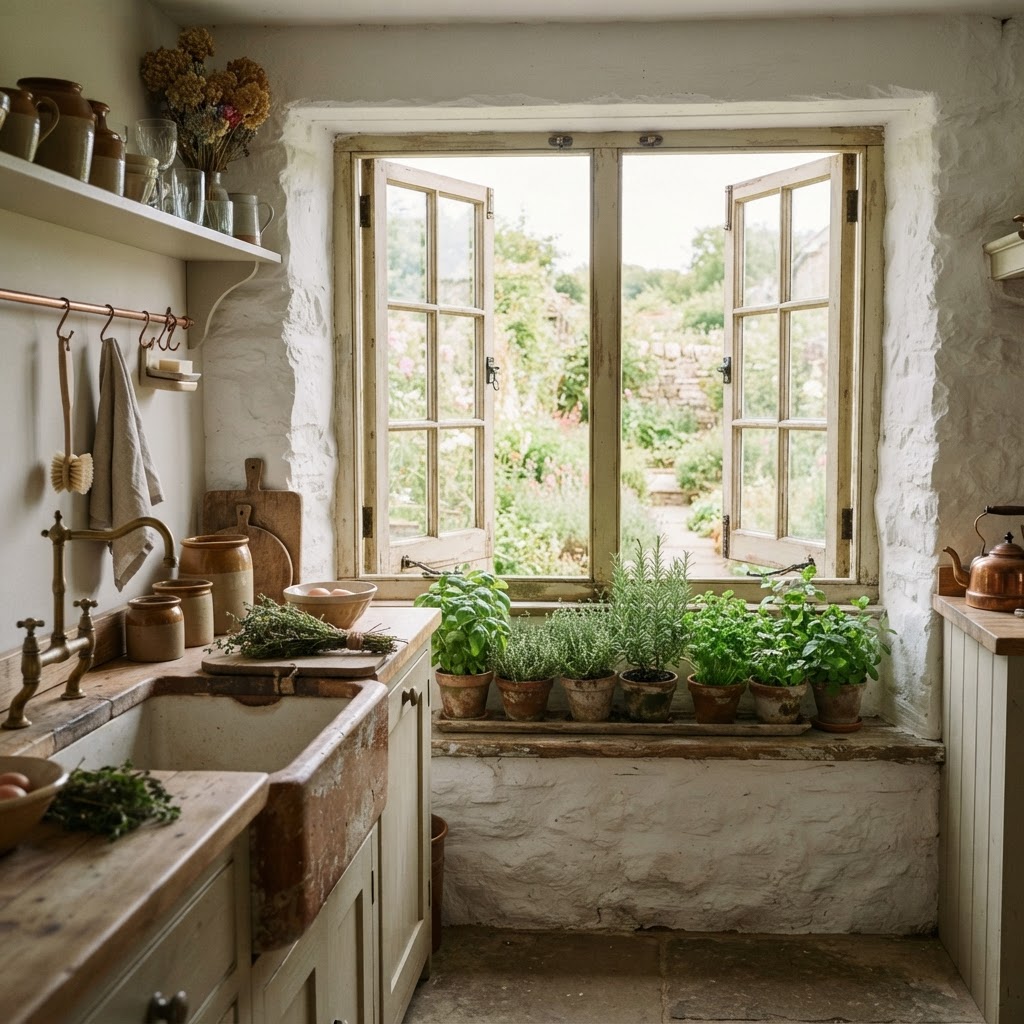
7. Bedrooms with sheer curtains. Sheer linen curtains drifting in front of open French casements make a bedroom feel calm and breezy, especially on a summer morning.
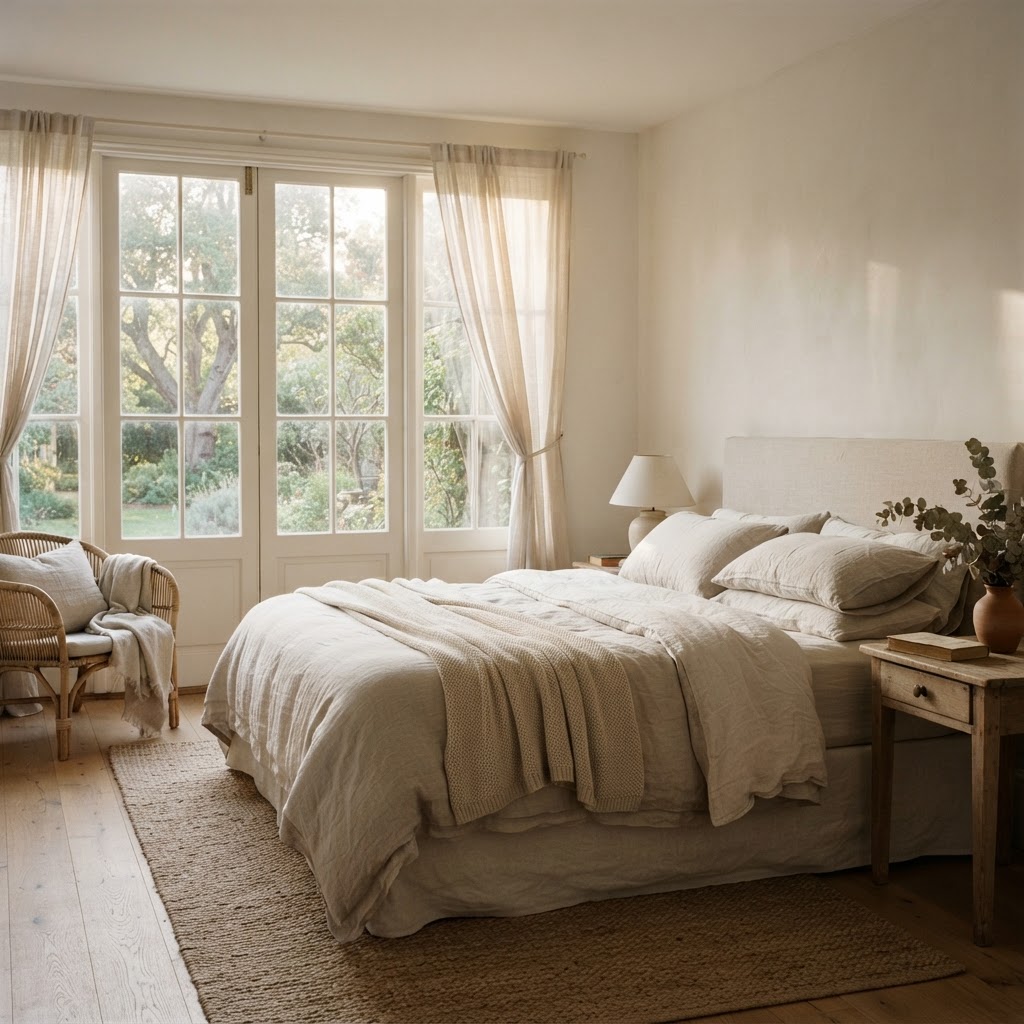
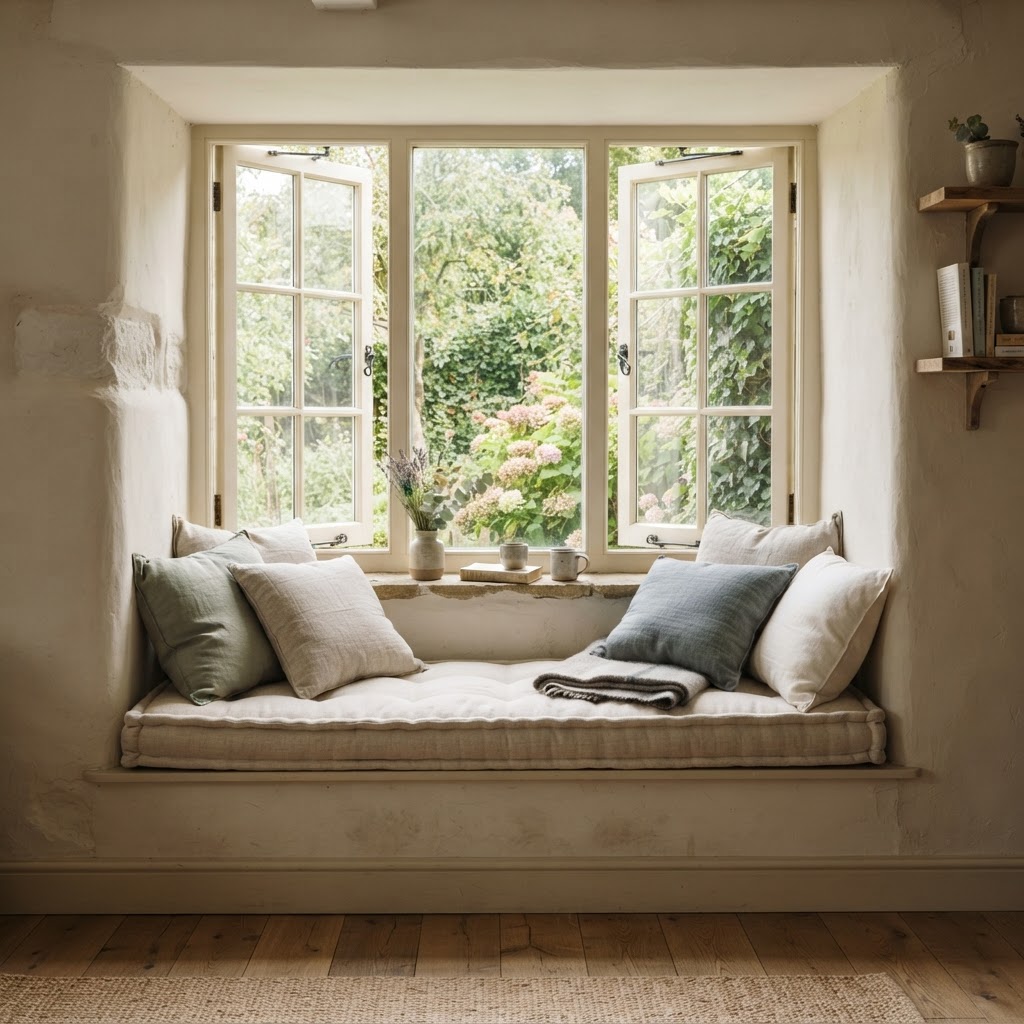
8. A window seat. A cushioned seat beneath a pair of French casements creates a cosy spot to read with the windows thrown open.
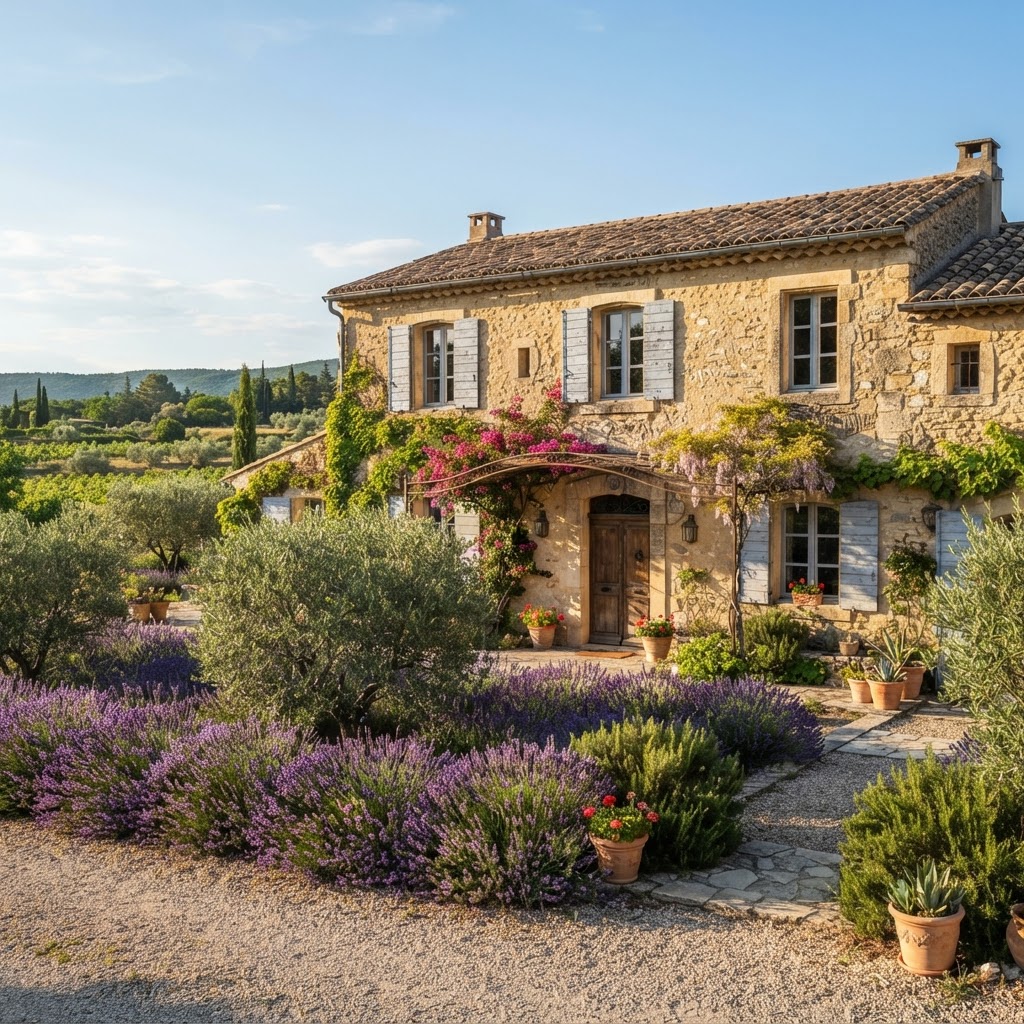
9. Provençal style with shutters. Pale blue, sage or lavender shutters around French casements on a stone or rendered house are pure southern France. The same rules for choosing shutter colors apply here.
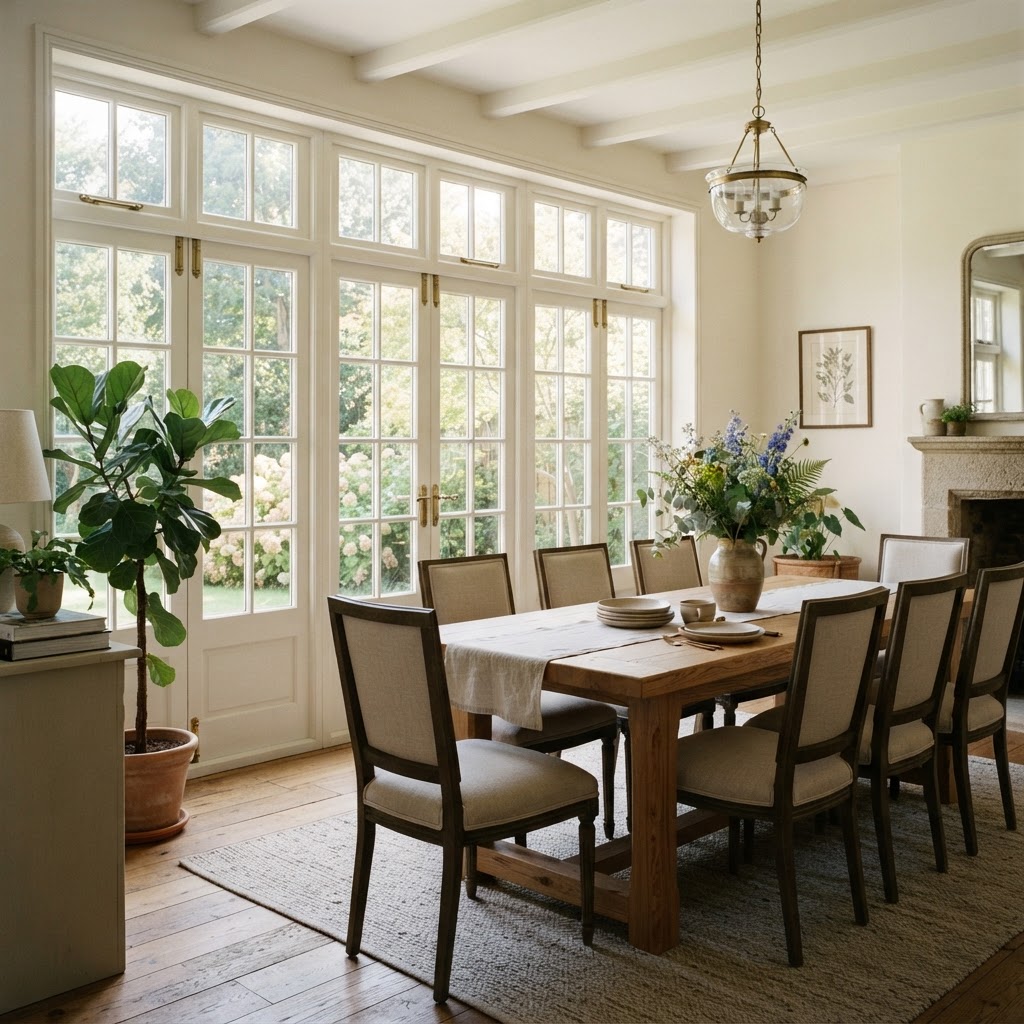
10. Divided lights. Small panes separated by glazing bars, or muntins, give French casements a traditional, elegant look. Lincoln's guidelines also note that "true divided light windows are preferred" on historic homes, where each pane is a separate piece of glass.
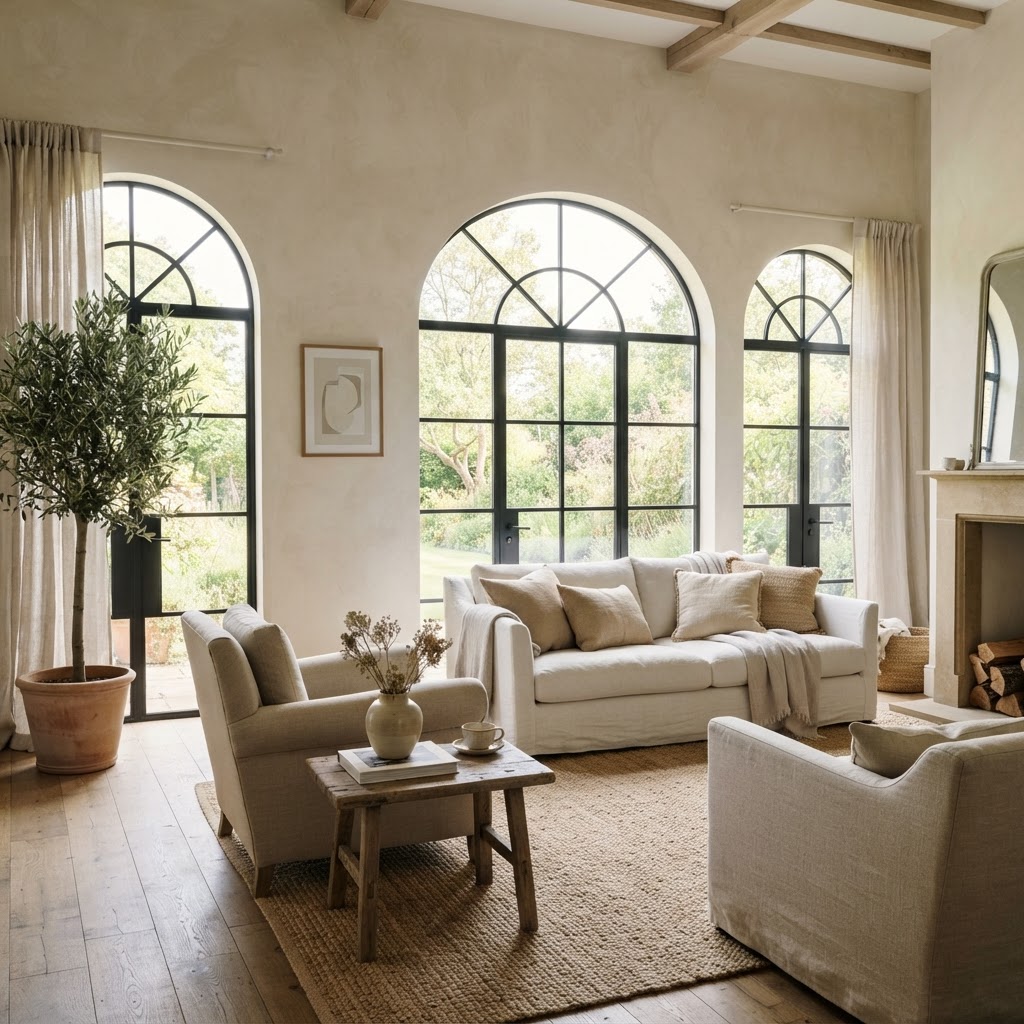
11. Arched tops. French casements with an arched or half-round top add softness and grandeur to a living room or stairwell, and they work beautifully alongside round windows elsewhere in the house.
12. Retractable insect screens. Inward-opening casements make it easy to fit fixed or retractable screens on the outside, so you can keep the windows open on summer evenings without letting in insects.
13. Outward-opening casements in small rooms. In a small bedroom or bathroom where there's no space for sashes to swing inwards, outward-opening French casements with friction stays give you the same clear opening without taking up floor space.
How to Dress French Casement Windows
The way the sashes open decides what you can hang.
- Inward-opening windows: use curtains on a pole that extends well beyond the frame so they can be pulled clear, or fit slim blinds to each sash so they move with it, as on blinds for French doors.
- Outward-opening windows: you can use Roman blinds or roller blinds inside the recess, as well as curtains.
- Sheers and cafe curtains: a sheer or a cafe curtain on the lower half gives privacy while keeping the look light.
- Shutters: interior shutters fitted to the frame, or exterior shutters, suit traditional and Mediterranean homes.
Simple trim helps the windows shine; flat or lightly moulded window trim styles look best with French casements.
Why I Love French Casement Windows
After more than 15 years of designing homes, pubs and restaurants, French casements are one of my favourite windows for bringing a room to life. In a cafe or restaurant, throwing them open on a sunny day blurs the line between inside and out, which is exactly the feeling of a classic French cafe interior. At home, they do the same for a kitchen or bedroom.
- Plan furniture around the swing. With inward-opening casements, keep sills and the area in front of the window clear.
- Choose hardware you love. Handles and espagnolettes are touched every day, so they should feel good in the hand.
- Paint the inside of the frames. A soft colour on the inside of the sashes looks lovely when the windows are open.
Common Mistakes to Avoid
| Mistake | Why it's a problem | What to do instead |
|---|---|---|
| Inward-opening windows behind furniture | The sashes can't open | Keep the area in front of the window clear |
| Curtains on a short pole | They block the sashes | Extend the pole well beyond the frame |
| Replacing originals with a different window type | Spoils the character of an old house | Replace like for like |
| Cheap, flimsy hardware | It loosens and lets in draughts | Choose solid espagnolettes and hinges |
| No restrictors in children's rooms | A fall risk on upper floors | Fit window restrictors |
| Forgetting screens | Insects come in on summer nights | Plan for fixed or retractable screens |
Frequently Asked Questions
What is a French casement window?
A French casement window is a pair of side-hinged casement sashes that open from the centre, with no fixed post between them, giving a completely clear opening.
Do French casement windows open in or out?
Both are possible. Traditional European French casements open inwards, while many American versions open outwards with a crank or friction stays.
What is the difference between French casement windows and French doors?
French casement windows are windows set into a wall above floor level, while French doors are full-height glazed doors that you can walk through.
Do French casement windows have a center post?
No. The two sashes meet in the middle without a fixed post, which is what makes the opening so wide and clear.
Are French casement windows energy efficient?
Casement windows press against their seals when closed, so modern double- or triple-glazed French casements can be very energy efficient.
What is an espagnolette?
An espagnolette is a long locking bolt that runs along the edge of a casement sash and secures it at the top and bottom of the frame when you turn the handle.
Can you put screens on French casement windows?
Yes. Inward-opening casements can have screens fitted on the outside, while outward-opening casements need screens on the inside, often retractable.
Windows That Open Up Your Home
French casement windows bring light, air and a touch of European charm to any room. Choose the right opening direction for your space, invest in good hardware, dress them so they can open freely, and enjoy the simple pleasure of throwing them wide on a sunny day.
And if you'd like help choosing windows, colours and window treatments for your home, you can book a one-hour online interior design consultation with me.
About the author
Magda Callery is a UK interior designer and florist with more than 15 years' experience designing homes, pubs, restaurants and bars, and her expert commentary has featured in Homes & Gardens, The Mirror and The Spruce. Explore more of the decorating articles.
Continue reading

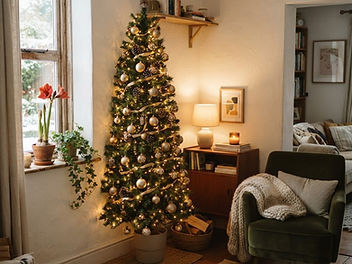
Flat Back Christmas Tree: 13 Ideas for Small Spaces
What a flat back Christmas tree is, how it compares with slim and half trees, how to choose the right size, 13 ideas for small spaces and how to decorate it so it looks full.

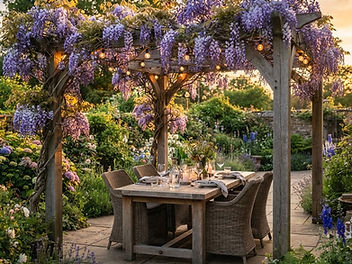
Pergola Decorating Ideas: 17 Ways to Style a Pergola
17 pergola decorating ideas, from climbing roses, clematis and grapevines to festoon lights, curtains, shade canopies and outdoor kitchens, plus the best plants for a pergola.

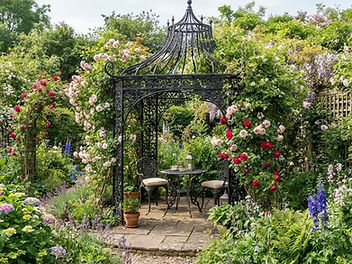
Garden Pagoda: 13 Stylish Ideas and Buying Tips
What a garden pagoda is, how it differs from a gazebo and a pergola, 13 garden pagoda ideas, the best climbing plants to grow over one and how to choose the right pagoda.