
Small Details That Make a Space Feel More Organised
Organisation is not just about what you remove. It is about how everything works together visually, and the small details that quietly bring order to a room.
By Magda Callery, interior designer

When people think about having an organised space, they often think about cleaning, decluttering, or buying storage solutions. While those things matter, they are only part of the equation. A space can be technically clean and still feel chaotic. On the other hand, some spaces feel calm and organised even without being perfectly tidy.
The difference often comes down to small details.
Organisation is not just about what you remove. It is about how everything works together visually. The way elements are arranged, the materials you choose, and how light interacts with the space all influence whether a room feels structured or overwhelming. Small design decisions can have a bigger impact than major changes.
Visual Simplicity Creates Mental Clarity
One of the key factors behind a space that feels organised is visual simplicity. When there are too many competing elements (colours, textures, shapes, or objects) the brain has to work harder to process everything. This creates a subtle sense of stress, even if the room is clean.
Reducing visual noise makes a space feel more controlled and intentional. This doesn't mean removing everything or creating an empty environment. It means being selective. Choosing fewer elements, but making sure each one has a purpose.
Even something as simple as window treatments can influence this. Clean, minimal options like roller blinds help reduce visual clutter because they don't add unnecessary layers or heavy textures. They sit close to the window, maintain straight lines, and allow the space to feel more structured without drawing attention to themselves. They're also far easier to keep clean than heavy drapes: one of several design choices I cover in how to prevent dust in a room.
Light as a Structuring Element
Light is often underestimated when it comes to organisation. We tend to think of it as something that simply illuminates a space, but it actually shapes how we perceive order and clarity.
A well-lit room feels more open, easier to understand, and less chaotic. Shadows, uneven lighting, or overly dark areas can make a space feel fragmented. When light is distributed evenly, the room feels more cohesive.
Small details like how light enters the room, how it is filtered, and how it interacts with surfaces make a difference. Soft, controlled light creates a calmer atmosphere. It reduces harsh contrasts and makes transitions between areas feel smoother.
This is why managing light properly is part of creating an organised environment. It's not just about brightness: it's about balance.
Consistency in Materials and Colours
Another detail that contributes to a sense of organisation is consistency. When a space uses too many different materials, finishes, or colours, it can feel disjointed. Even if everything is in its place, the room lacks cohesion.
Keeping a consistent palette helps create visual order. This doesn't mean everything has to match perfectly, but there should be a sense of harmony. Similar tones, complementary materials, and repeated textures help the space feel connected.
For example, using similar fabrics across cushions, curtains, or upholstery can unify the room. The goal is not uniformity, but coherence. When elements relate to each other, the space feels more intentional.
Defined Spaces Without Physical Barriers
In many homes, especially smaller ones, a single room often serves multiple functions. Living areas, workspaces, and relaxation zones can overlap. Without clear structure, this can quickly feel disorganised.
However, you don't always need walls or furniture to define spaces.
Small visual cues can do the job. Rugs, lighting, or even the direction of furniture can create subtle boundaries. Fabrics also play a role here. Light materials can separate areas without closing them off, maintaining a sense of openness while still adding structure.
The key is to create distinction without fragmentation. When spaces are clearly defined but still connected, the room feels organised rather than divided.
The Role of Straight Lines and Alignment
Another often overlooked detail is alignment.
Spaces that feel organised tend to have a sense of order in how elements are positioned. Straight lines, aligned edges, and consistent spacing create a visual rhythm that the brain finds easy to process.
When objects are slightly off, uneven, or randomly placed, the space can feel messy, even if it's technically clean.
Simple adjustments can make a big difference. Aligning furniture, keeping consistent margins, or choosing design elements with clean lines helps reinforce that sense of order.
Reducing Unnecessary Layers
Layering can add depth and interest to a space, but too much of it can have the opposite effect. Excessive layering (multiple textiles, overlapping decorations, or too many accessories) can make a room feel busy and cluttered.
In smaller spaces especially, reducing layers helps create clarity.
This applies to fabrics, furniture, and decorative elements. Choosing one or two strong elements is often more effective than combining many smaller ones. When everything competes for attention, nothing stands out.
An organised space gives each element room to breathe.
Functional Objects That Also Simplify
Another important detail is functionality.
Objects that serve a clear purpose and integrate well into the space contribute to a sense of order. When everything has a role, the room feels more intentional.
This is why functional design is so powerful. Elements like storage, lighting, or window treatments should not only work well but also support the overall visual structure.
The best choices are often the simplest ones. They solve a problem without adding complexity.
The Importance of Empty Space
One of the most underrated aspects of organisation is empty space.
We often feel the need to fill every corner, every wall, every surface. But empty space is not wasted space. It is what allows everything else to stand out.
When there is room around objects, the space feels more breathable and less overwhelming. It creates contrast and gives the eye a place to rest.
This is essential in making a room feel organised. Without empty space, even well-designed rooms can feel crowded.
In Japan this idea even has a name, ma, the space between things. I explore it, along with genkan entrances, shoji screens and hidden storage, in my guide to Japanese house design.
Moving house? My home essentials checklist shows what to buy for your first night, week and month, so your new home starts organised.
Lining drawers and shelves with leftover wallpaper is one of my favourite small details. If you're taking down peel and stick panels, read my guide on whether you can reuse peel and stick wallpaper.
Small details make a big difference in a nursery too. My baby girl nursery ideas share storage ideas that keep a baby's room calm.
About the author
Magda Callery is a UK interior designer with more than 15 years' experience designing homes, pubs, restaurants and bars, and her expert commentary has featured in Homes & Gardens, The Mirror and The Spruce. Explore more of the interior design articles.
Continue reading

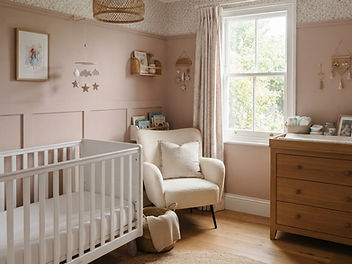
Baby Girl Nursery Ideas: 30 Rooms She'll Grow Into
30 baby girl nursery ideas from an interior designer: soft colour palettes beyond pink, wallpaper, furniture, lighting and storage, plus nursery safety and a room she'll grow into.


French Cafe Interior Design: Get the Parisian Look
How to bring French café interior design home, with the key elements, colours, a little history, 25 ideas for kitchens, nooks and gardens, and how to avoid a themed look.

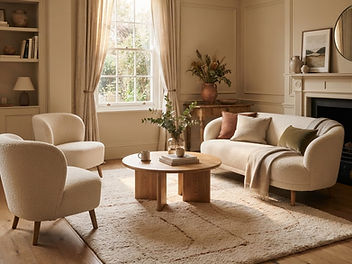
Living Room Rug Ideas: 30 Ways to Choose and Style
30 rugs for living room ideas from an interior designer, with a rug size chart in cm and feet, the three classic layouts, materials compared and styling tips.