
Home Essentials Checklist: What You Need for a New Home
The ultimate UK home essentials checklist from an interior designer: what to buy for your first night, first week and first month, room-by-room checklists, safety essentials, moving-in admin and the designer touches that make a house feel like home.
By Magda Callery, interior designer
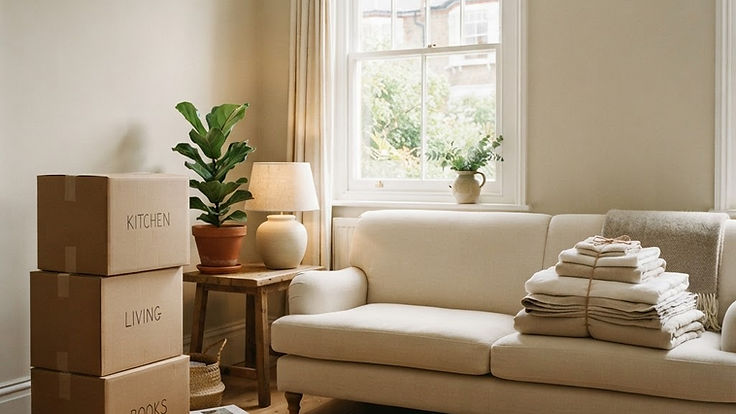
Moving into a new home is exciting, but it can also be overwhelming. Between unpacking boxes and setting up utilities, it's easy to either forget something essential, like a tin opener or toilet roll on the first night, or spend a fortune on things you didn't really need.
As an interior designer, I help people set up homes all the time, and the secret is simple: buy in the right order. In this guide I'll share the complete home essentials checklist for UK homes, organised by what you need on the first night, in the first week, in the first month and what can wait. You'll also find room-by-room checklists, the safety essentials and moving-in admin people often forget, budget tips, and the designer details that turn a house into a home.
How to Use This Home Essentials Checklist
The biggest mistake people make when moving is buying everything at once. Instead, follow this order:
| Timeline | Focus | Examples |
|---|---|---|
| First night | Survival basics | Bedding, toilet roll, kettle, mugs, phone charger, light bulbs |
| First week | Everyday living | Cookware, cleaning kit, bath towels, bins, basic tools |
| First month | Comfort and function | Curtains or blinds, lamps, storage, rugs, laundry kit |
| Later | Style and upgrades | Art, statement furniture, extra appliances, garden furniture |
Living in a home for a few weeks before buying furniture and decor helps you understand how the light moves, how you use each room and what you actually need.
The First Night Box
Pack one clearly labelled box (or suitcase) that travels with you, not in the removal van. It should contain everything you need for the first 24 hours:
- Bedding: sheets, duvet, pillows and pillowcases
- Towels and toiletries
- Toilet roll and hand soap
- Kettle, mugs, tea, coffee, sugar and long life milk
- Phone chargers and an extension lead
- A few light bulbs (bayonet and screw fittings) and a torch
- Basic tools: screwdriver set, scissors, tape measure and a box cutter
- Bin bags and a roll of kitchen paper
- Washing up liquid, a sponge and a tea towel
- Snacks, bottled water and a takeaway menu
- Medication, a basic first aid kit and paracetamol
- Important documents, keys and your moving paperwork
- A change of clothes and pyjamas
- Cleaning wipes and a multi-surface spray
Safety Essentials for Your New Home
Safety comes before style. On moving day, or as soon as possible afterwards:
- Smoke alarms: check there's a working alarm on every floor and test it. In England, landlords must provide a smoke alarm on each storey of a rented home. In Scotland, all homes must have interlinked smoke and heat alarms.
- Carbon monoxide alarm: fit one in any room with a fuel burning appliance such as a gas boiler or wood burner. In England, landlords must provide one in rooms with a fixed combustion appliance (other than a gas cooker).
- Fire blanket and extinguisher in or near the kitchen.
- First aid kit that everyone in the household knows where to find.
- Find the stopcock, fuse box and gas meter so you can turn off water, electricity and gas quickly in an emergency.
- Change the locks, or at least check who has spare keys, especially in a home you've bought.
- Book a boiler service if you don't know when it was last checked.
- Use a torch, not candles, while you work out the electrics.
Moving-In Admin Checklist (UK)
These aren't things you buy, but they're the essentials people most often forget:
- Take meter readings for gas, electricity and water on moving day, and photograph them.
- Contact the existing energy supplier, or switch to a new one.
- Register for council tax with your local council.
- Set up broadband as early as possible, as installation can take a couple of weeks.
- Arrange contents insurance from the day you move in (and buildings insurance if you own the home).
- Buy a TV Licence if you watch live TV or BBC iPlayer.
- Update your address with your bank, employer, DVLA, HMRC and subscriptions.
- Register with a local GP and dentist.
- Register to vote at your new address.
- Set up Royal Mail redirection for a few months.
- Find out your bin collection days and recycling rules.
Room-by-Room Home Essentials Checklist
Kitchen essentials
Cooking
- Two or three good saucepans with lids
- Non-stick frying pan
- Baking tray and roasting tin
- Ovenproof dish
- Colander and sieve
- Mixing bowl and measuring jug
- Chopping boards (one for raw meat, one for everything else)
- Chef's knife, bread knife and a small paring knife
- Wooden spoon, spatula, ladle, slotted spoon, whisk and tongs
- Tin opener, bottle opener, vegetable peeler and grater
- Kitchen scissors and oven gloves
Eating and drinking
- Plates, bowls and side plates (enough for your household plus two)
- Mugs and glasses
- Cutlery set
- Serving bowl and serving spoons
Appliances
- Kettle and toaster
- Microwave (if not built in)
- Optional later: slow cooker, blender or air fryer, only if you'll really use them
Storage and cleaning
- Food storage containers
- Foil, cling film or reusable wraps, and food bags
- Kitchen bin and recycling bins
- Washing up bowl, dish rack, sponges and tea towels
- Dishwasher tablets if you have a dishwasher
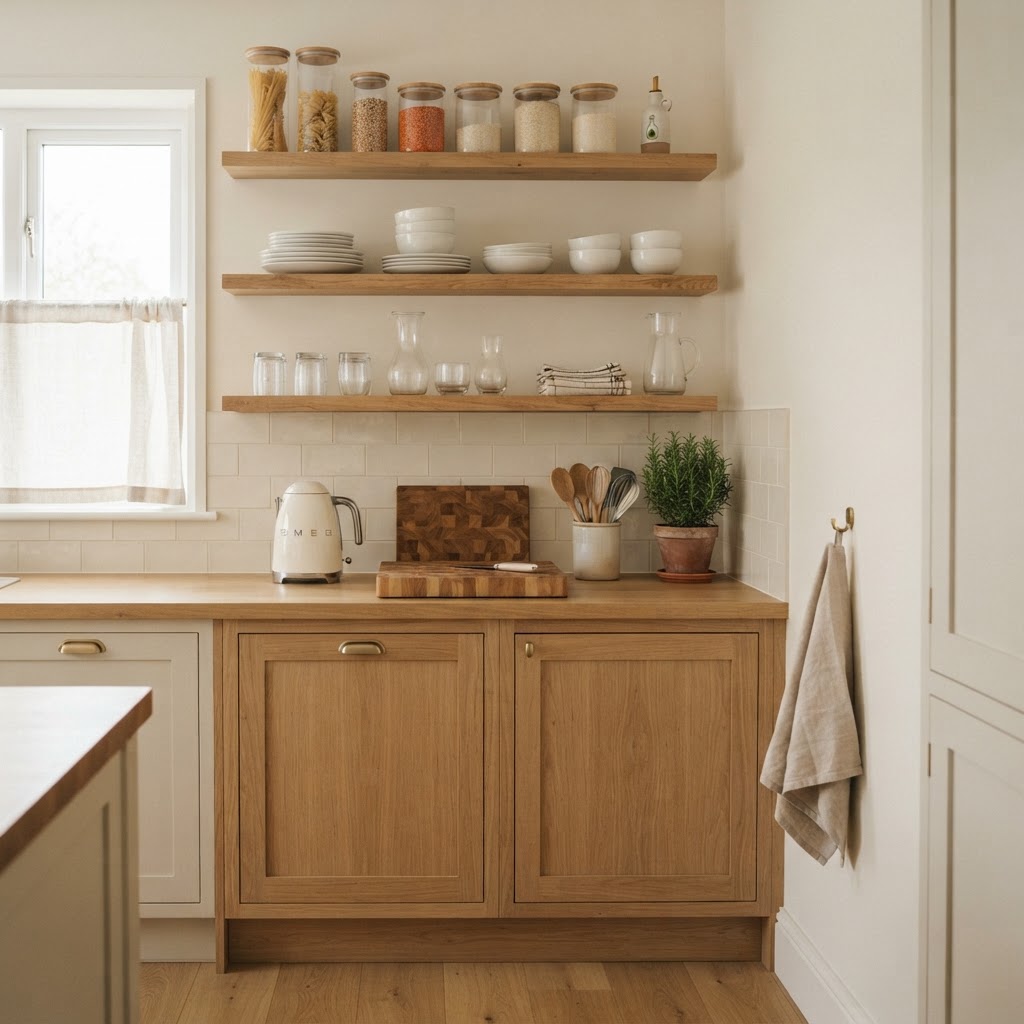
Bathroom essentials
- Bath towels, hand towels and a bath mat
- Shower curtain or screen, if needed
- Toilet brush and holder
- Bathroom bin
- Soap dispenser and toothbrush holder
- Storage for toiletries, such as a cabinet or caddy
- Toilet roll, and plenty of it
- Plunger
- Mirror, if there isn't one
- Bathroom cleaner, limescale remover and a cloth
Good ventilation matters in British bathrooms. If the extractor fan is weak or missing, it's worth sorting early to prevent damp and mould. My guide to the Japanese soaking tub has more on ventilation and bathroom design.
Bedroom essentials
- A good mattress (the one thing worth investing in)
- Bed frame
- Two sets of sheets, so one can be in the wash
- Duvet and pillows, plus protectors
- Blackout blinds or lined curtains
- Bedside table and lamp
- Wardrobe or clothes rail and matching hangers
- Laundry basket
- Full-length mirror
If you'd like your bed to look as good as it feels, my guide to what a bed sham is shows how to layer pillows like a designer, and my cosy autumn bedroom ideas are full of warm, restful touches.
Living room essentials
- Sofa or comfortable seating
- Coffee table or side tables
- Curtains or blinds
- At least two lamps, so you're not relying on a single ceiling light
- A rug, especially on hard floors
- TV and media unit, or bookshelves
- Throws and cushions
- Extension leads and cable tidies
Measure the room, doorways and stairs before buying a sofa. My small living room ideas explain how to plan the layout and choose furniture at the right scale.
Home office essentials
- Desk at a comfortable height
- Supportive, adjustable chair
- Desk lamp
- Monitor or laptop stand
- Extension lead and cable management
- Storage for paperwork
My home office design ideas cover where to put a desk in any size of home.
Cleaning and laundry essentials
- Vacuum cleaner
- Mop and bucket
- Dustpan and brush
- Microfibre cloths
- Multi-surface, glass, bathroom and kitchen cleaners
- Rubber gloves
- Washing powder or liquid
- Clothes airer
- Iron and ironing board, or a handheld steamer
- Laundry basket
A new home is the perfect fresh start for a cleaning routine. My guide on how to prevent dust in a room explains how to keep it that way.
Tools and DIY essentials
- Screwdriver set
- Hammer
- Tape measure
- Spirit level
- Adjustable spanner
- Pliers
- Utility knife
- Assorted screws, nails, wall plugs and picture hooks
- Cordless drill (or borrow one at first)
- Step ladder
- Torch and spare batteries
- Spare fuses and light bulbs
Garden and outdoor essentials
- Doormat, inside and out
- Bins and recycling boxes, if not provided
- Hose or watering can
- Basic garden tools: trowel, fork, secateurs and a rake
- Outdoor light, if the entrance is dark
Garden furniture and bigger projects can wait. When you're ready, my cheap garden fence ideas show how to improve a garden on a budget.
The Designer Essentials That Make a House Feel Like Home
Once the practical essentials are covered, these are the pieces I always recommend to clients first. They make the biggest difference to how a home feels for the least money.
- Lamps. A single overhead light makes any room feel flat. Two or three lamps at different heights, with warm bulbs, instantly make a home feel welcoming.
- Curtains and blinds. They add privacy, warmth and softness. Hang curtain poles higher and wider than the window to make rooms feel bigger.
- A large rug. It anchors furniture, softens sound and makes hard floors feel cosy.
- Good bedding. You use it every day, so it's worth buying well.
- A mirror. It bounces light around and makes small rooms feel larger.
- Plants. A few easy houseplants, such as a pothos, snake plant or peace lily, bring life into a new home.
- Something on the walls. Even one large print or a framed photo makes a house feel lived in. My guide to famous flower paintings explains how to find beautiful, affordable prints.
- Scent. A candle or diffuser in the hallway makes a home smell like yours.
- Fresh flowers. A small bunch on the kitchen table is an instant welcome. See my guide to decorating with fresh flowers.
- A colour plan. Before you paint anything, decide on a whole-home palette so every room flows. My step-by-step guide to choosing the perfect colour palette shows you how.
Essential, Nice to Have or Wait?
| Item | Essential now | Nice to have | Wait and see |
|---|---|---|---|
| Mattress and bedding | ✓ | ||
| Kettle, toaster and basic cookware | ✓ | ||
| Curtains or blinds | ✓ | ||
| Smoke and CO alarms | ✓ | ||
| Vacuum and cleaning kit | ✓ | ||
| Lamps | ✓ | ||
| Rug | ✓ | ||
| Storage furniture | ✓ | ||
| Sofa | ✓ | ||
| Dining table | ✓ | ||
| Statement furniture | ✓ | ||
| Wall art | ✓ | ||
| Extra kitchen gadgets | ✓ | ||
| Garden furniture | ✓ | ||
| Paint and wallpaper | ✓ |
Live with the space before choosing paint and wallpaper. When you're ready, our wallpaper calculator works out how many rolls you need.
How to Buy Home Essentials on a Budget
- Make a list and stick to it. Use this checklist and tick things off, so you don't double buy.
- Prioritise what you touch every day. Spend more on your mattress, sofa, kettle and a good knife; save on decorative extras.
- Shop secondhand. Facebook Marketplace, charity shops, Freecycle and local selling groups are full of furniture, crockery and tools.
- Upcycle. A tired chest of drawers or table can look brand new with paint and new handles. My guide to upcycled furniture is full of ideas.
- Ask family and friends. Many people have spare kitchenware, tools and bedding.
- Buy one room at a time. Finishing a single room, usually the bedroom, makes the rest of the home feel manageable.
- Wait for the sales for bigger items such as sofas and appliances.
- Borrow before you buy for tools you'll rarely use, such as drills and ladders.
Common Mistakes When Buying for a New Home
- Buying furniture before measuring rooms, doorways and stairs.
- Buying a full set of matching furniture in one go.
- Forgetting curtain poles and light bulbs.
- Filling the kitchen with gadgets you'll rarely use.
- Choosing paint colours before living in the space.
- Overlooking storage, so clutter builds up from day one.
- Skipping contents insurance during the move.
Keep Your New Home Organised From Day One
Moving is the best opportunity you'll ever have to start organised:
- Unpack the kitchen, bathroom and bedroom first.
- Give everything a home as you unpack, rather than leaving boxes in a spare room.
- Use matching hangers, drawer dividers and storage boxes.
- Keep surfaces clear and store everyday clutter behind closed doors.
- Donate anything you didn't miss during the move.
The ideas in small details that make a space feel more organised are a great place to start.
Frequently Asked Questions
What are the most important home essentials?
The most important home essentials are a bed and bedding, towels and toiletries, a kettle and basic kitchenware, cleaning supplies, a basic toolkit, light bulbs, curtains or blinds, and working smoke and carbon monoxide alarms.
What should I buy first when moving into a new house?
Start with a first night box: bedding, toilet roll, a kettle and mugs, phone chargers, light bulbs, basic tools, bin bags and cleaning supplies. Then buy kitchen and cleaning essentials in the first week, and furniture and decor once you've lived in the space.
What do people forget to buy for a new home?
People often forget a tin opener, light bulbs, a toilet brush, bin bags, a shower curtain, curtain poles, extension leads, a plunger, a basic toolkit and a first aid kit.
How much does it cost to furnish a new home?
It varies hugely depending on the size of your home and your budget. You can keep costs down by buying essentials first, shopping secondhand, upcycling and furnishing one room at a time.
What admin do I need to do when I move house in the UK?
Take meter readings, register for council tax, set up energy, water and broadband, arrange insurance, update your address with your bank and the DVLA, register with a GP, register to vote and buy a TV Licence if you need one.
What makes a new house feel like home?
Lamps with warm bulbs, curtains, a rug, good bedding, plants, a few personal pictures, fresh flowers and a familiar scent make a new house feel like home quickly.
Make Your New House a Home
Setting up a new home is easier when you buy in the right order: survival basics first, everyday essentials next, then comfort and style once you know the space. Use this checklist, take your time with the bigger decisions, and focus on the details that make it feel like yours.
If you'd like help planning your new home, from layout and colour to furniture and finishing touches, you can book a one-hour online interior design consultation with me. For more ideas, browse my interior design articles.
Moving into a studio flat? My guide to small studio apartment ideas shows how to fit everything on this list into one room.
Expecting a baby? My baby girl nursery ideas cover colours, furniture, storage and nursery safety for a room she'll grow into.
About the author
Magda Callery is a UK interior designer with more than 15 years' experience designing homes, pubs, restaurants and bars, and her expert commentary has featured in Homes & Gardens, The Mirror and The Spruce. Explore more of the lifestyle articles.
Continue reading

Blossom and Bloom: The Art of Decorating with Fresh Flowers
Fresh flowers can instantly breathe life into a room. Here's how to choose, arrange and care for blooms that elevate your home throughout the seasons.


Top 5 Holiday Destinations for British People in 2024
Spain, Italy, France, Portugal and Thailand: the five holiday destinations British families love most, with Magda's picks for beaches, city breaks and culture.


How to Remove Musty Smell From Wood Furniture
A step-by-step guide to getting rid of a musty smell in old wood furniture and drawers, with the methods that work, what doesn't, mould safety and how to stop it coming back.