
Japanese Soaking Tub: A Complete Guide to Ofuro Baths for UK Homes
Deep, compact and made for slow evenings: everything you need to know about Japanese soaking tubs, from sizes and materials to fitting one in a British bathroom and styling the room around it.
By Magda Callery, interior designer
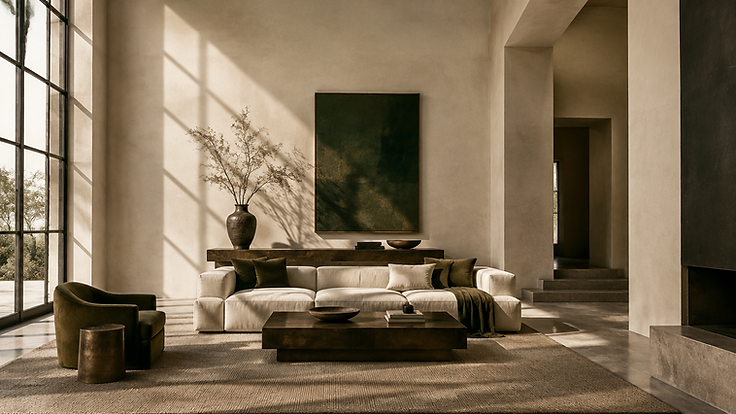
There is a reason a Japanese soaking tub tops so many dream bathroom wish lists. Instead of lying back in a long, shallow bath with your knees poking out, you sit upright in deep, hot water that comes right up to your shoulders. It feels less like washing and more like a small daily retreat.
In Japan this kind of bath is called an ofuro, and bathing in it is a ritual rather than a chore. As an interior designer I'm asked about them more and more, often by clients with small British bathrooms who assume a statement bath is out of reach. The good news is that a Japanese soaking tub is often the best fit for exactly those rooms. In this guide I'll explain what makes these tubs different, the sizes and materials to choose from, what to check before fitting one in a UK home, and how to style the room around it.
What Is a Japanese Soaking Tub?
A Japanese soaking tub (ofuro or furo) is a short, deep bath designed for sitting upright rather than lying down. Traditional versions are made from fragrant timber such as hinoki cypress, while modern ones come in acrylic, stone resin, copper and stainless steel.
The key differences from a standard Western bath are:
- Depth: the water is deep enough to cover your shoulders while you sit, typically well over half a metre deep compared with a much shallower standard bath.
- Footprint: many are only around 1 to 1.3 metres long, so they take up far less floor space than a typical British bath of about 1.7 metres.
- Posture: you sit with your knees bent, often on a built-in seat or step, so your whole body is immersed.
- Purpose: the tub is for relaxing in, not for getting clean. You wash first.
The Ofuro Bathing Ritual
Understanding the ritual explains the design. In a traditional Japanese bathroom, you shower and wash thoroughly first, usually sitting on a small stool outside the tub. Only once you're clean do you step into the bath to soak. Because the water stays clean, the same bath can be shared by the whole household in turn, and a fitted lid keeps it hot between bathers. Many modern Japanese baths even have a reheat function to bring the water back up to temperature.
That's why Japanese bathrooms are usually wet rooms: the whole floor is designed to get wet, with the shower and tub side by side. It's the same philosophy I described in my guide to Japanese house design, where calm, ritual and natural materials shape every room.
You don't have to follow the ritual exactly to enjoy a soaking tub, but borrowing a little of it (a quick shower first, a warm, dim room, no phone) makes the experience feel completely different.
Benefits of a Japanese Soaking Tub
- Full-body immersion: shoulders and neck are underwater, which is far more warming and relaxing than a shallow bath.
- Space saving: a compact footprint means a deep, luxurious bath can fit in a small bathroom, an en suite or even a corner.
- Holds heat well: a deep, compact volume of water loses heat more slowly than a wide, shallow bath, especially with a lid.
- A calmer daily routine: a soak before bed is a simple wind-down ritual. Pair it with the homemade treatments in my DIY natural beauty and skincare recipes for a proper spa evening at home.
- Design impact: a sculptural deep tub becomes the focal point of the room, the way a single object does in a Japanese tokonoma.
Japanese Soaking Tub Sizes
Sizes vary between makers, so always check the exact dimensions, but as a rough guide:
- Compact (one person): around 90cm to 110cm long and 60cm to 75cm wide. Ideal for small bathrooms, en suites and corners.
- Standard (one generous or two snug): around 110cm to 130cm long and 70cm to 85cm wide.
- Large or two person: 140cm and longer, often custom built in timber or tiled in place.
Depth is what matters most. Look at the internal depth and the overflow height, because the overflow decides how deep the water can actually go. For the true ofuro feeling you want water at shoulder height when seated, which for most adults means an internal depth of roughly 55cm to 70cm. If you're tall, sit in a tub in a showroom before you buy if you can.
Materials: Choosing the Right Soaking Tub
Hinoki wood
Hinoki is the traditional choice: a pale, fine-grained Japanese cypress with a soft lemony scent that is released by the warm water. It's naturally resistant to rot and feels warm to the touch. The trade-off is maintenance. Timber tubs prefer to be used regularly, need careful cleaning, don't suit bath oils, bubble bath or strong bath salts, and are usually the most expensive option. They also need good ventilation to dry properly between uses.
Acrylic
Acrylic is light, affordable, warm to the touch and easy to clean, which makes it the practical choice for most UK bathrooms, especially upstairs where weight matters. It can scratch, but small marks can usually be polished out.
Stone resin
Stone resin (sometimes called solid surface or cast mineral) gives a smooth, matt, sculptural look and holds heat well. It's heavy, so check your floor before choosing one, but it's one of the best ways to get a spa feel.
Copper and stainless steel
Copper looks dramatic and develops a warm patina over time, while stainless steel is sleek, durable and very hygienic. Metal conducts heat, so these tubs can feel cool to sit in at first and work best with a lid to keep the water hot.
Tiled or concrete
A built-in tub tiled in place or cast in microcement can be made to any size, including sunken designs set into the floor. This is the most bespoke route and usually part of a full bathroom renovation, ideally with a professional wet room installer.
Fitting a Japanese Soaking Tub in a UK Bathroom
This is where I see the most mistakes, so it's worth checking these points before you fall in love with a tub.
1. Floor loading
Water weighs 1kg per litre. A deep soaking tub can hold several hundred litres, and once you add the weight of the tub itself and the person in it, the total can easily reach half a tonne concentrated on a small area. On a ground floor slab this is rarely a problem, but in an upstairs bathroom with timber joists, ask a builder or structural engineer to check the floor, especially for stone resin, cast iron or concrete tubs.
2. Hot water supply
A deep tub needs a lot of hot water in one go. With a hot water cylinder, check that it holds enough to fill the tub at a comfortable temperature. With a combi boiler, the bath will fill more slowly because it's limited by the boiler's flow rate, so look at the litres per minute your boiler delivers. A plumber can tell you quickly whether your system will cope.
3. Getting in and out
High sides look beautiful but can be awkward to step over. A built-in seat inside the tub, a timber step outside or a sunken installation all make access easier, and a grab rail is worth considering if anyone in the household has limited mobility.
4. Waterproofing and the wet room option
If you want the authentic Japanese layout, with a shower area next to the tub and a floor that can get wet, the room will need to be properly tanked (waterproofed) with a correctly sloped floor and drain. That's specialist work, but it creates the most beautiful bathrooms. If a full wet room isn't possible, a walk-in shower with a glass screen next to the tub gives a similar look.
5. Ventilation
Deep, hot baths create a lot of steam. Good extraction protects your walls and ceiling from damp and mould, and it's essential for timber tubs. Bathrooms in England need mechanical extraction under the Building Regulations, so make sure your fan is up to the job. Lower humidity also helps keep the room fresh and less dusty, which I cover in my guide on how to prevent dust in a room.
6. Small and awkward spaces
A compact soaking tub can transform a bathroom that would only fit a short bath or a shower. Corner models, square tubs and tubs with an integrated seat all make the most of limited floor space. For more ideas on making a little room work harder, see my smart interior design tips to maximise your small space.
How to Style a Japanese-Inspired Bathroom
The tub is only half the story. These details create the calm, spa-like feeling that makes an ofuro so special:
- Keep the palette natural. Pale timber, warm stone, soft white, charcoal and muted green. My step-by-step guide to choosing the perfect colour palette will help you build one.
- Use texture rather than pattern. Matt tiles, limewash or microcement walls, slatted timber and linen towels give depth without visual noise.
- Add a timber stool and bucket. A hinoki or teak bath stool and wooden bath accessories nod to the traditional ritual and look beautiful even when not in use.
- Hide everything else. Closed storage for toiletries and cleaning products keeps surfaces clear. My article on small details that make a space feel more organised has plenty of ideas.
- Soften the light. Warm, dimmable lighting, frosted glass or a light-filtering blind turns an evening soak into a ritual. Bright overhead spotlights do the opposite.
- Bring nature in. A humidity-loving plant such as a fern or pothos, a single branch in a vase or a window framing greenery outside. The ideas in the art of decorating with fresh flowers work beautifully in a bathroom too.
- Celebrate imperfection. Handmade ceramic soap dishes, a reclaimed timber shelf or an upcycled vanity unit bring wabi-sabi warmth.
- Choose bathroom-safe wallcoverings. If you love the look of grasscloth or textured paper, use a vinyl or specialist bathroom-grade version away from direct splashes, and work out how many rolls you need with our wallpaper calculator.
Japanese Soaking Tub vs Standard Bath
| Feature | Japanese soaking tub | Standard British bath |
|---|---|---|
| Bathing position | Seated upright | Lying back |
| Typical length | About 1m to 1.3m | About 1.7m |
| Water depth | Shoulder height when seated | Shallower, shoulders often out |
| Best for | Relaxing, small bathrooms, statement design | Families, bathing children, lying down |
| Watch out for | Floor loading, hot water volume, high sides | Takes more floor space |
If your household relies on the bath for bathing small children, a standard bath (or a soaking tub plus a separate shower) may be more practical. For couples, single people and en suites, a soaking tub is often the better choice.
Frequently Asked Questions
What is a Japanese soaking tub called?
It's called an ofuro or furo in Japanese. Wooden versions made from hinoki cypress are often called hinoki baths.
How deep is a Japanese soaking tub?
Deep enough to cover your shoulders while you sit upright. For most adults that means an internal depth of roughly 55cm to 70cm, though it varies by model, so check the overflow height as well as the internal depth.
Can you fit a Japanese soaking tub in a small bathroom?
Yes, and that's one of their biggest advantages. Compact models can be around a metre long, so they fit into bathrooms and en suites that couldn't take a full-length bath, while still giving a deeper soak.
Are Japanese soaking tubs comfortable?
Most people find them very comfortable once they're used to sitting rather than lying down. Look for a tub with a built-in seat or a sloped back, and try one for size if you can.
Do Japanese soaking tubs use more water than a normal bath?
Not always. Because they're short, many compact soaking tubs hold a similar volume to a well-filled standard bath, but larger or very deep models can use noticeably more, so check the capacity and make sure your hot water system can cope.
Can you shower in a Japanese soaking tub?
Traditionally you shower outside the tub and only soak in it. Some modern tubs can take a shower screen or curtain, but the authentic layout pairs the tub with a separate shower area or wet room.
How do you look after a hinoki wood tub?
Use it regularly, rinse and wipe it after use, keep the bathroom well ventilated so it dries evenly, and avoid bath oils, bubble bath, bleach and strong bath salts. Follow the maker's care instructions for occasional treatment.
Planning Your Own Soaking Tub Bathroom
A Japanese soaking tub is one of the simplest ways to make a bathroom feel like a retreat, and it can work in surprisingly small spaces. The key is planning: check the floor, the hot water supply and the layout before you choose the tub, then keep the styling calm, natural and uncluttered.
If you'd like help planning a Japanese-inspired bathroom or any other room, you can book a one-hour online interior design consultation with me. For more inspiration, browse my interior design articles or read the full guide to Japanese house design.
About the author
Magda Callery is a UK interior designer with more than 15 years' experience designing homes, pubs, restaurants and bars, and her expert commentary has featured in Homes & Gardens, The Mirror and The Spruce. Explore more of the interior design articles.
Continue reading

Japanese House Design: 12 Key Elements and How to Bring Them Home
Calm, light and deeply connected to nature: the principles behind Japanese house design, from the genkan and shoji screens to the idea of ma, and how to borrow them for a British home.


How to Prevent Dust in a Room: 15 Designer-Approved Ways to Keep It Dust-Free
Dusted on Sunday, dusty again by Wednesday? Here's how to stop dust getting in, choose furnishings that don't hold on to it, and clean so it doesn't come straight back, from a UK interior designer.


Why Office Artwork Matters: Branding, Productivity and Workplace Design
Artwork isn't just decoration. It's a silent communicator of your brand values, and getting it right transforms how clients and employees experience your space.