
Small Studio Apartment Ideas: 35 Ways to Make It Work
35 small studio apartment ideas from an interior designer: layouts, bed solutions, storage, the measurements that matter and renter-friendly tips.
By Magda Callery, interior designer
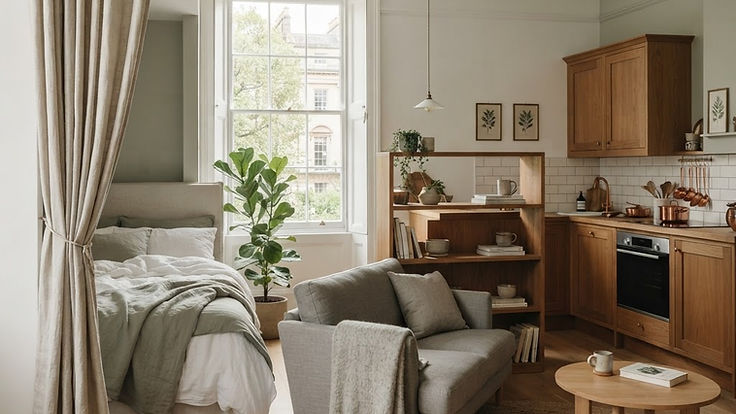
A small studio apartment asks one room to be everything: bedroom, living room, kitchen, office and dining room. It can feel impossible, but some of the most beautiful homes I've worked on have been studio flats. With the right layout, a few clever pieces of furniture and a calm colour palette, a single room can feel organised, generous and completely yours.
In this guide I'll share 35 small studio apartment ideas, grouped by the problems you actually face: where to put the bed, how to zone one room, where to store everything and how to make it feel bigger. You'll also find layouts, the measurements designers use, renter-friendly options, budget tips and a checklist to plan your own space.
How Small Is a Small Studio?
In England, the government's Nationally Described Space Standard sets 39 square metres as the minimum floor area for a new one-person flat, or 37 square metres with a shower room instead of a bathroom. Many studio flats, especially older conversions, are smaller than that, so if your studio feels tight, you're not imagining it.
| Studio size | What usually fits | Focus on |
|---|---|---|
| Under 25m² | A sofa bed or wall bed, a small table, compact kitchen | Furniture that does two jobs, vertical storage |
| 25 to 35m² | A small double bed, a two-seater sofa, a dining table for two | Clear zones and a room divider |
| 35 to 45m² | A double bed, a sofa, a desk and a dining table | Defining each zone so it doesn't feel cluttered |
Plan Before You Buy Anything
The biggest mistake in a small studio is buying furniture first and making it fit later. Instead:
- Draw a floor plan. Measure the room, windows, doors, radiators and sockets, and sketch them on squared paper or a free online planner.
- List what you do at home. Sleep, work, cook, eat, relax, have friends over, exercise. Each activity needs a place, but not every activity needs its own furniture.
- Decide what's fixed. The kitchen, bathroom door and windows can't move, so plan around them.
- Mark the walkways before you place any furniture.
- Use painter's tape to mark furniture sizes on the floor before buying.
Designer measurements for small spaces
These are the rules of thumb I use with clients to keep a small room comfortable.
| Space | Aim for |
|---|---|
| Main walkways | 75 to 90cm |
| Between sofa and coffee table | 40 to 45cm |
| Beside a bed, to get in and out | At least 50 to 60cm on one side |
| In front of kitchen units | 100 to 120cm |
| Behind a dining chair, to pull it out | About 75cm |
| In front of a wardrobe | About 70 to 90cm, depending on the doors |
5 Small Studio Apartment Layouts That Work
| Layout | How it works | Best for |
|---|---|---|
| Bed at the far end | Living area near the door, bed tucked away at the back, ideally by the window | Long, rectangular studios |
| Bed in an alcove | The bed fits into a recess, with a curtain or divider in front | Period conversions with chimney breasts or recesses |
| Divided with shelving | An open bookcase splits the room into sleeping and living zones | Square studios of 25m² or more |
| Bed that disappears | A wall bed or sofa bed frees the floor during the day | Studios under 25m² |
| Raised sleeping area | A loft bed or platform with living, storage or a desk underneath | Studios with high ceilings |
The golden rule: keep the bed out of the direct line of sight from the front door. It instantly makes the space feel like a home rather than a bedsit.
35 Small Studio Apartment Ideas
Zoning a single room
- Use an open bookcase as a divider. It separates the bed from the living area but still lets light through. Choose one that's finished on both sides.
- Hang a ceiling curtain. A ceiling track with a linen curtain around the bed creates a cosy sleeping nook you can open in the day.
- Define zones with rugs. A rug under the sofa and coffee table instantly creates a living room within the room.
- Change the lighting in each zone. A pendant over the dining table, a floor lamp by the sofa and wall lights by the bed make each area feel separate.
- Use a sofa as a wall. Float the sofa with its back to the bed, so it marks the edge of the living area.
- Try a half-height divider. A low cabinet, a slatted screen or a glazed partition divides the room without blocking light.
Where to put the bed
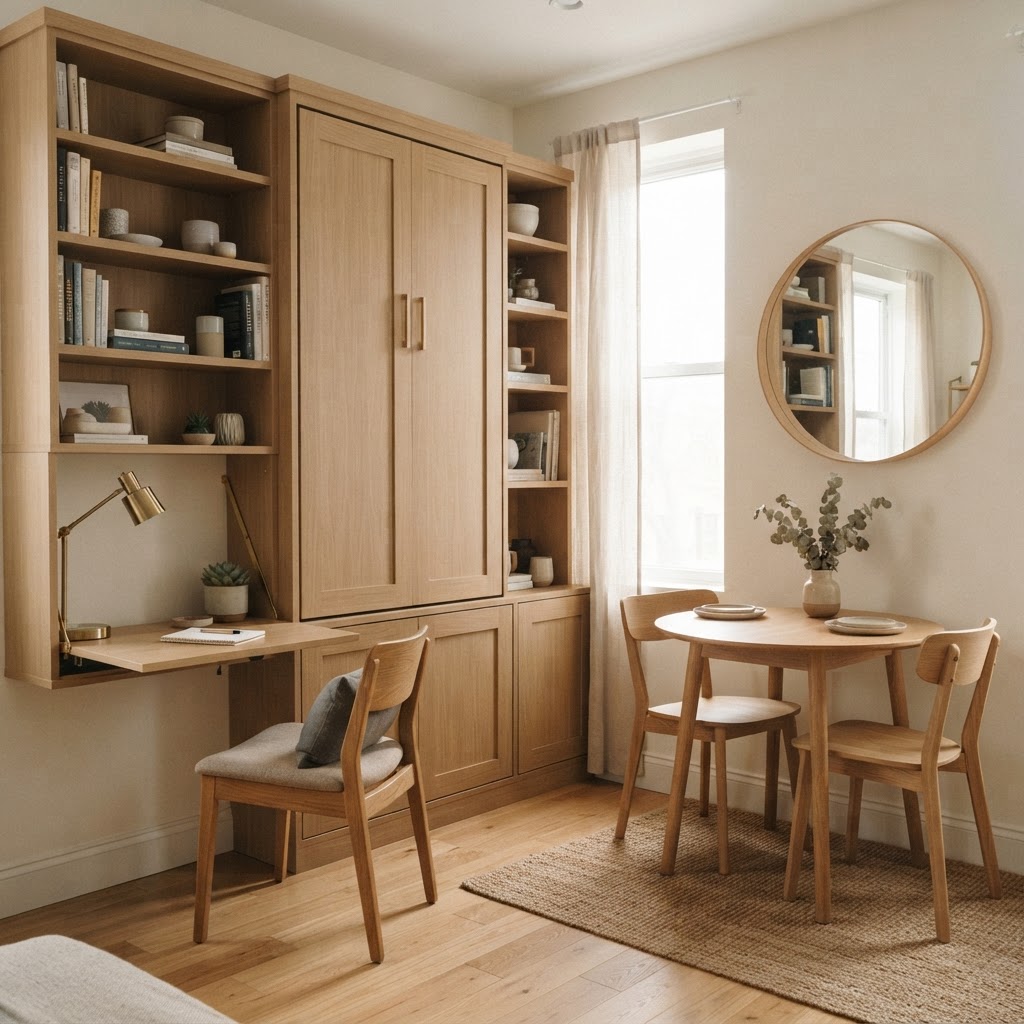
- Choose a wall bed. A wall bed (also called a Murphy bed) folds up into a cabinet in the day, giving you back the whole floor. It must be fixed securely to a solid wall, so have it professionally fitted.
- Go for a good sofa bed. Modern sofa beds are far more comfortable than they used to be. Choose one with a proper mattress, and check that you'll actually open it every night.
- Use a daybed. A daybed works as a sofa in the day and a single bed at night, and looks smarter than most sofa beds.
- Raise the bed. A loft bed or high sleeper frees the space underneath for a desk, wardrobe or sofa. Make sure you have enough headroom to sit up in bed comfortably, and add a guard rail.
- Build a platform. A raised platform with drawers underneath creates a clear sleeping zone and masses of storage.
- Tuck the bed into an alcove and dress it like a little room, with wall lights, a curtain and a cosy headboard. Layered pillow shams make it look beautiful when it's on show all day; see my guide to what a bed sham is.
| Bed option | Space saved | Comfort | Cost | Renter friendly? |
|---|---|---|---|---|
| Sofa bed | High | Medium | Low to mid | Yes |
| Daybed | Medium | Medium | Low to mid | Yes |
| Wall bed | Very high | High | Mid to high | Usually needs permission |
| Loft bed or high sleeper | High | High | Low to mid | Yes, if freestanding |
| Platform with storage | Medium | High | Mid to high | Usually needs permission |
| Bed in an alcove | Low | High | Low | Yes |
Storage ideas
- Go up. Shelves to the ceiling, tall wardrobes and high cupboards use space you'd otherwise waste.
- Store under the bed. Choose an ottoman bed or a bed with drawers. It's the biggest storage space in most studios.
- Build in around the door. Shelves or a shallow cupboard over and around the front door are a classic designer trick.
- Use the hallway wall. Even 25cm deep shelves or hooks by the door keep coats, bags and keys off the floor.
- Choose closed storage over open. Too many open shelves look cluttered in a small room. Mix open shelves for pretty things with cupboards for everything else.
- Use baskets and boxes in matching materials, so storage looks calm and intentional.
- Edit regularly. In a studio, everything you own is on show. A quick declutter each season makes a huge difference. My guide to small details that make a space feel more organised has lots of simple ideas.
Furniture that works harder
- Choose furniture that does two jobs. A storage ottoman, a bench with lift-up seats, a coffee table that rises to dining height or a console that extends into a table.
- Use a drop-leaf or extending table. Keep it small for one, and open it up when friends come over.
- Fold-down wall desk. A wall-mounted desk folds away at the end of the working day, which helps you switch off. My home office design ideas explain how to fit a workspace into any home.
- Pick leggy furniture. Sofas, chairs and cabinets on legs let you see more floor, which makes the room feel bigger.
- Choose a smaller sofa with slim arms. A compact two-seater with narrow arms gives you more seat for less space.
- Use nesting and stacking pieces. Nesting side tables and stacking stools are there when you need them and tucked away when you don't.
Kitchens in a studio
- Make the kitchen disappear. Handleless cupboards painted the same colour as the walls, or doors that close over the kitchen, help it blend in.
- Add a slim island or trolley. A narrow kitchen trolley on wheels adds worktop space and can double as a breakfast bar.
- Keep worktops clear. Store small appliances in cupboards, and keep out only what you use every day.
Light, colour and mirrors
- Choose a calm, consistent palette. Using the same few colours throughout makes one room feel bigger and less busy. Soft whites, warm neutrals, sage and earthy shades work beautifully. My guides to the best green paint colours and terracotta colour have shades to try, and my step-by-step guide to choosing a colour palette will help you plan.
- Paint walls and ceiling the same colour to blur the edges of the room and make it feel taller.
- Hang a large mirror opposite or beside a window to bounce daylight around.
- Hang curtains high and wide. Fit the pole close to the ceiling and wider than the window, with curtains just touching the floor.
- Layer your lighting. A single ceiling light makes a studio feel flat. Add a floor lamp, table lamps and wall lights with warm bulbs.
Making it feel like home
- Add one statement piece. A bold rug, a beautiful headboard or a wall of wallpaper gives a small studio personality. If you're renting, peel and stick wallpaper is a great option; read my honest guide on whether you can reuse peel and stick wallpaper before you buy, and use our wallpaper calculator to work out how much you need.
- Bring in plants and texture. Linen, wool, wood, rattan and a few plants stop a small room feeling cramped or clinical.
For more ideas that also work in a studio, see my guides to small living room ideas and smart interior design tips to maximise a small space.
Renter-Friendly Small Studio Ideas
- Use freestanding shelving as a divider instead of building a partition.
- Fit tension rods or ceiling hooks for curtains, if your agreement allows.
- Choose a freestanding loft bed or sofa bed rather than a fitted wall bed.
- Use removable hooks and adhesive strips instead of drilling.
- Swap ceiling light shades and add plug-in wall lights.
- Try peel and stick wallpaper on one wall, after patch testing a small area.
- Add a large rug to cover tired flooring.
Always check your tenancy agreement and ask your landlord before making changes, as you could be charged for any damage when you move out.
Small Studio Ideas on a Budget
| Budget | Ideas |
|---|---|
| Free | Declutter, rearrange the layout, move the bed out of sight of the door |
| Under £100 | Rugs, a ceiling curtain, a mirror, lamps, baskets |
| £100 to £500 | A sofa bed, a freestanding bookcase divider, a drop-leaf table, a storage bench |
| Investment | A fitted wall bed, built-in storage, a bespoke platform bed |
Secondhand and upcycled furniture is perfect for a studio, as you can often find solid, compact pieces for less. My guide to upcycled furniture is full of ideas.
Common Small Studio Mistakes
- Buying furniture that's too big, especially sofas and beds, without measuring first.
- Pushing everything against the walls. Floating the sofa can create a better layout.
- Too many small pieces, which look cluttered. Fewer, well-chosen pieces feel calmer.
- Only one ceiling light. Layered lighting is essential.
- Too many colours. Stick to a small palette.
- Not enough closed storage, so clutter takes over.
- Putting the bed in full view of the front door.
Your Small Studio Checklist
- Measure the room, windows, doors, radiators and sockets
- List the activities you need space for
- Choose a layout and mark walkways
- Decide on your bed solution
- Plan storage: under the bed, up the walls and by the door
- Choose a calm palette of three to five colours
- Plan lighting for each zone
- Mark furniture sizes on the floor with tape before buying
- Add a rug, curtains, plants and one statement piece
If you've just moved in, my home essentials checklist covers everything else you'll need, and my guide on how to prevent dust in a room helps keep a small space fresh.
Frequently Asked Questions
How do I make a small studio apartment look bigger?
Use a light, consistent colour palette, hang a large mirror near the window, hang curtains high and wide, choose leggy furniture, keep surfaces clear and add layered lighting. Fewer, larger pieces look calmer than lots of small ones.
Where should the bed go in a studio apartment?
Ideally away from the front door and out of its direct line of sight, such as at the far end of the room, in an alcove or behind a divider. In very small studios, a wall bed or sofa bed frees up the floor during the day.
How do you divide a studio apartment?
Use an open bookcase, a ceiling curtain, a half-height cabinet or screen, rugs to define zones, or a sofa with its back to the bed. Different lighting in each zone also helps separate them.
How do you fit a desk in a small studio?
Try a fold-down wall desk, a slim console that doubles as a desk, or a desk under a loft bed. Choose a chair that tucks fully under the desk.
What is the best bed for a small studio apartment?
For very small studios, a wall bed saves the most space. A good sofa bed or daybed is a cheaper, renter-friendly alternative, and a loft bed works well if you have high ceilings.
How big is a studio apartment in the UK?
Sizes vary, but the Nationally Described Space Standard for new homes in England sets a minimum of 37 square metres for a one-person flat with a shower room. Many older studios are smaller.
Make Your Studio Feel Like Home
A small studio apartment works best when every piece earns its place. Plan the layout first, give each activity its own zone, choose furniture that does two jobs, store vertically and keep the palette calm. Then add the details that make it yours.
If you'd like help planning your studio, from the layout to the finishing touches, you can book a one-hour online interior design consultation with me. For more ideas, browse my interior design articles.
About the author
Magda Callery is a UK interior designer with more than 15 years' experience designing homes, pubs, restaurants and bars, and her expert commentary has featured in Homes & Gardens, The Mirror and The Spruce. Explore more of the interior design articles.
Continue reading

Types of Architecture: 32 Architectural Styles Explained
A complete guide to the different types of architecture: 32 architectural styles from Classical to contemporary, with dates, key features, famous examples, a timeline and how to identify the style of any building.

Gaming Room Colour Ideas: The Best Wall Colours for Gamers
The best gaming room colours from an interior designer: why darker walls reduce glare, how to pair paint with RGB lighting, five gaming room schemes to copy and ideas for shared rooms and teen bedrooms.

Home Office Design Ideas: A Designer's Guide for UK Homes
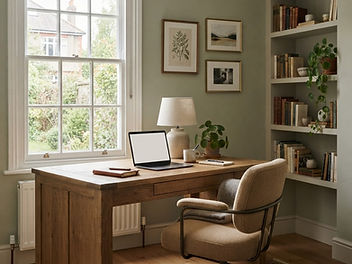
Home office design ideas for real British homes, from box rooms and alcoves to cupboard offices and garden rooms, with layout, lighting, colour, storage and video call tips from an interior designer.