
How to Remove Black Mould From Wallpaper Safely
How to remove black mould from wallpaper safely, the right method for vinyl, paper and peel and stick wallpaper, when to strip the paper instead, why wallpaper keeps going black and how to stop mould coming back.
By Magda Callery, interior designer and florist
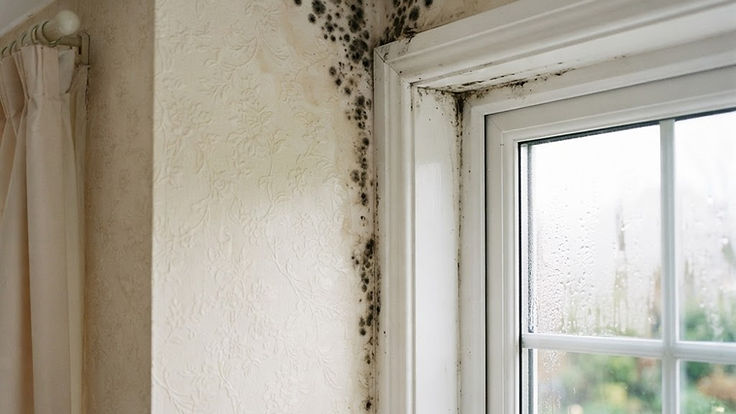
Black spots creeping across the wallpaper in a corner, behind a wardrobe or around a window are one of the most common problems in British homes, especially in autumn and winter when windows stay shut and condensation builds up. The good news is that small patches of surface mould can usually be cleaned off safely. The important part is knowing when cleaning isn't enough, when the paper has to come off, and how to stop the mould coming back.
In this guide I'll explain how to remove black mould from wallpaper step by step, how the method changes for different types of wallpaper, when to strip the paper instead, why wallpaper keeps going black and how to prevent it for good.
Before You Start: How Bad Is It?
| What you see | What it usually means | What to do |
|---|---|---|
| A few small black or grey spots on the surface | Surface mould from condensation | Clean it and improve ventilation |
| Spots that wipe off but return within weeks | Ongoing condensation or a cold spot | Clean, then tackle the cause |
| Bubbling, peeling or soft paper, or a musty smell | Moisture and mould behind the paper | Strip the paper and treat the wall |
| Mould covering a large area | A significant moisture problem | Get professional help |
| Mould alongside a leak, tide marks or crumbling plaster | Penetrating or rising damp, or a leak | Fix the source first; call a professional |
As a guide, the US Environmental Protection Agency says that if the mouldy area is "less than about 10 square feet" (roughly a metre square), you can usually tackle it yourself, according to its guide to mould and moisture. Anything larger, anything linked to a leak or damp in the structure, or mould in the home of someone with asthma, allergies or a weakened immune system is a job for a professional.
Safety First
Mould spores can irritate your airways, eyes and skin, so protect yourself before you start. Stafford Borough Council advises that you "wear rubber gloves, goggles without ventilation / air holes and a protective mask which covers your nose and mouth".
- Open the windows before, during and after cleaning, but close the door to the rest of the house.
- Don't brush or dry wipe the mould. The council warns that brushing "releases spores into the air that may cause you breathing problems".
- Never mix cleaning products. Mixing bleach with vinegar, ammonia or other acidic cleaners can release toxic gases. Use one product, rinse, and let it dry before trying another.
- Remove soft furnishings such as cushions and clothes from the area, or cover the floor with an old sheet.
- Bag up cloths and throw them away afterwards.
How to Remove Black Mould From Wallpaper
The method depends on your wallpaper, so check the type first. Vinyl and washable papers feel smooth, slightly plasticky and wipe clean; paper and non-woven papers are matt and soak up a drop of water.
| Wallpaper type | How to clean mould | Notes |
|---|---|---|
| Vinyl or scrubbable wallpaper | Diluted bleach, a mould spray or a fungicidal wash | Test on a hidden area first, as some prints fade |
| Washable non-woven wallpaper | Mild detergent or a fungicidal wash, gently dabbed | Avoid soaking the paper |
| Traditional paper wallpaper | Very gentle dabbing only | Often stains permanently; stripping may be better |
| Painted textured paper such as Anaglypta | Treat like a painted wall | Repaint with a fungicidal or anti-mould paint |
| Peel and stick wallpaper | Peel off the affected panel | Clean the wall underneath, let it dry and replace the panel |
For vinyl and washable wallpaper
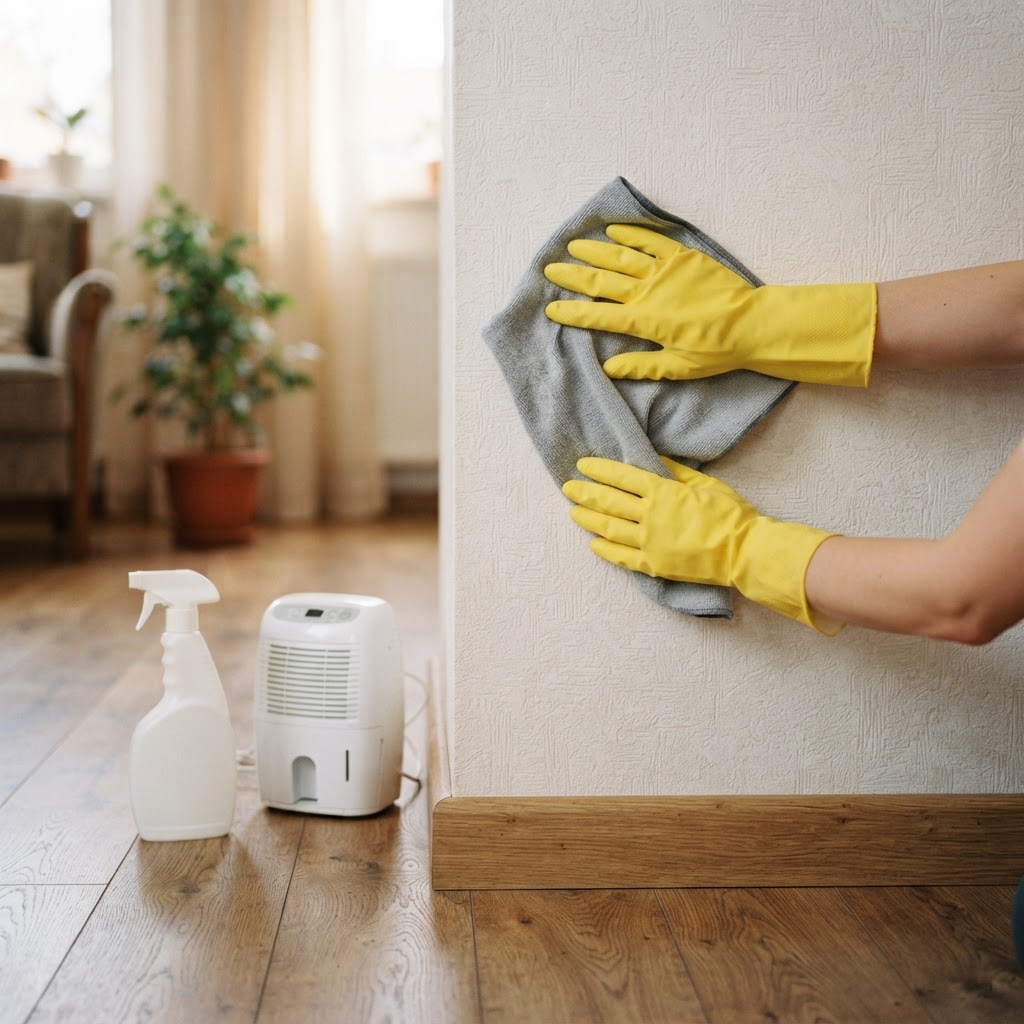
- Put on your gloves, goggles and mask and open the window.
- Vacuum loose spores gently with a brush attachment, then empty the vacuum outside, or skip straight to step 3 if the mould is light.
- Mix your cleaner. Use a ready-made mould remover, a fungicidal wash or a mild detergent such as washing up liquid in warm water. For stubborn spots on vinyl, a diluted bleach solution can work, but test a hidden area first.
- Dab, don't scrub. Apply the cleaner with a damp cloth or sponge, working from the outside of the patch inwards so you don't spread the spores.
- Leave it to work for the time stated on the product.
- Wipe with clean water using a fresh cloth, then pat the paper dry.
- Dry the room with the window open, a dehumidifier or gentle heating.
- Vacuum the room once it's dry to pick up any disturbed spores.
For paper wallpaper
Paper wallpaper absorbs water, so it can blister, tear and stain if you use too much liquid. Lightly dab the area with a cloth barely dampened with a mild detergent or a fungicidal wash, then pat dry straight away. If the black marks remain, the mould has stained the paper or is growing behind it, and it's time to strip that section.
What about vinegar?
White vinegar is a popular natural option. Stafford Borough Council suggests diluting it "with one part water to one part vinegar", leaving it on for an hour and then wiping with a damp cloth. It suits vinyl papers better than delicate ones, and remember: never use vinegar and bleach on the same patch without rinsing and drying in between.
When to Strip the Wallpaper Instead
Cleaning only works on the surface. Take the paper off if:
- The mould keeps coming back in the same place within weeks.
- The paper is bubbling, peeling or soft, which suggests moisture behind it.
- There's a musty smell even after cleaning.
- The stains won't lift, especially on paper wallpaper.
How to strip mouldy wallpaper
- Wear your protective kit and ventilate the room.
- Lightly mist the paper with water to keep spores down while you work.
- Peel or steam the paper off and put it straight into a bin bag.
- Treat the wall with a fungicidal wash and let it dry completely. A dehumidifier helps.
- Find and fix the cause before you redecorate (see below).
- Redecorate with mould-resistant products. Stafford Borough Council suggests redecorating "using a fungicidal paint or wallpaper paste". In a bathroom, a washable vinyl is the right choice, and plenty of bathroom wallpaper ideas use one.
Why Does My Wallpaper Keep Going Black?
Mould needs moisture to grow, so if your wallpaper keeps going black, something is keeping that wall damp.
| Cause | Signs | How to fix it |
|---|---|---|
| Condensation | Mould in corners, around windows and on cold outside walls; worse in winter | Ventilate, heat steadily and reduce moisture |
| Furniture against a cold wall | Black patches behind wardrobes, beds and sofas | Move furniture a few centimetres away from the wall |
| Poor ventilation in the bathroom or kitchen | Mould near the ceiling and around the shower | Use extractor fans and open windows |
| Drying clothes indoors | Steamy windows and damp air | Dry clothes outside, in a ventilated room or in a vented dryer |
| A leak | Patches near pipes, gutters or the roof, often with tide marks | Repair the leak, then dry and treat the wall |
| Penetrating or rising damp | Damp patches, flaking plaster, salt marks near the skirting | Call a damp specialist or surveyor |
Damp in basements and cellars is a different problem, often coming through the masonry itself, and needs treating at the source with masonry waterproofers such as Behr Dry Plus or Drylok.
How to Stop Mould Coming Back
- Ventilate every day. Open windows for a few minutes each morning, use extractor fans and keep trickle vents open.
- Keep the heating steady in cold weather rather than letting rooms get very cold, as cold walls attract condensation.
- Use a dehumidifier in rooms that stay damp.
- Cover pans when cooking and close the kitchen and bathroom doors while they're steamy.
- Leave a gap between furniture and outside walls.
- Wipe condensation off windows and sills each morning.
- Choose the right paper. In bathrooms and kitchens, choose a washable vinyl and a mould-resistant paste.
Mould rarely stops at the walls; it can also creep onto furniture and fabrics. If you've spotted it elsewhere, you might also need to know how to remove mould from a leather sofa or how to get rid of a musty smell in wooden furniture.
If you rent, report mould to your landlord in writing, with photos. In England, social landlords now have legal deadlines to investigate and fix damp and mould hazards under Awaab's Law, which came into force in October 2025.
Common Mistakes to Avoid
| Mistake | Why it's a problem | What to do instead |
|---|---|---|
| Dry brushing the mould | Spreads spores into the air | Dab with a damp cloth |
| Soaking paper wallpaper | Blisters and stains the paper | Use a barely damp cloth, or strip it |
| Mixing bleach and vinegar | Can release toxic gas | Use one product at a time |
| Painting or papering over mould | It grows straight back through | Remove, treat and dry first |
| Cleaning without fixing the cause | The mould returns | Tackle condensation, leaks or damp |
Frequently Asked Questions
How do you get black mould off wallpaper?
Wear gloves, goggles and a mask, open the window, then gently dab the mould with a mould remover, fungicidal wash or mild detergent. Wipe with clean water, dry the area well and tackle the cause of the moisture.
Can you use bleach on wallpaper?
On vinyl or scrubbable wallpaper, a diluted bleach solution can remove mould, but test a hidden area first because it can fade some prints. Avoid bleach on traditional paper wallpaper, and never mix it with vinegar or other cleaners.
Why does my wallpaper keep going black?
Usually because of condensation on a cold wall, poor ventilation or furniture pushed against an outside wall. Leaks and damp in the wall can also cause it. Mould returns until the source of moisture is fixed.
Should I remove wallpaper with mould on it?
Yes, if the mould keeps returning, the paper is bubbling or peeling, there's a musty smell or the stains won't lift. These signs suggest mould is growing behind the paper.
Is black mould on wallpaper dangerous?
Mould can cause breathing problems, allergic reactions and irritation, particularly for babies, older people and anyone with asthma, allergies or a weakened immune system. Deal with it promptly and get professional help for large areas.
Does vinegar kill mould on wallpaper?
Diluted white vinegar can help on vinyl wallpaper. Mix one part vinegar to one part water, leave it for an hour, then wipe with a damp cloth. Don't combine it with bleach.
A Fresh Start for Your Walls
Small patches of black mould on wallpaper can usually be cleaned off safely with the right method for your paper. The real win is stopping it coming back: ventilate, keep rooms evenly warm, move furniture off cold walls and fix any leaks or damp before you redecorate.
For more practical home advice, explore the decorating section, and if you're redecorating after a mould problem and would like help choosing colours and wallpapers, you can book a one-hour online interior design consultation with me.
About the author
Magda Callery is a UK interior designer and florist with more than 15 years' experience designing homes, pubs, restaurants and bars, and her expert commentary has featured in Homes & Gardens, The Mirror and The Spruce. Explore more of the decorating articles.
Continue reading

Is Self Adhesive Wallpaper Any Good? Honest Guide
An honest guide to self adhesive wallpaper: whether peel and stick wallpaper is any good, the pros and cons, where it works and where to avoid it, how it compares with traditional wallpaper, how to apply it and whether it can go over existing wallpaper.

How to Whiten Wood: Bleach, Limewash and Whitewash
How to whiten wood the right way: when to use two-part wood bleach, oxalic acid or chlorine bleach, how to whitewash, lime and white-oil wood, which woods work best and how to stop whitened wood turning yellow.

How to Antique a Mirror: 2 Easy DIY Methods
How to antique a mirror at home: why old mirrors look the way they do, an easy spray method on clear glass, how to age an existing mirror, safety rules and where antiqued mirrors look best.