
Mum Varieties: 17 Heirloom Chrysanthemums to Grow
17 heirloom and classic chrysanthemum varieties, from 'Clara Curtis' to 'Emperor of China', plus mum flower forms and how to grow mums that come back every year.
By Magda Callery, interior designer and florist
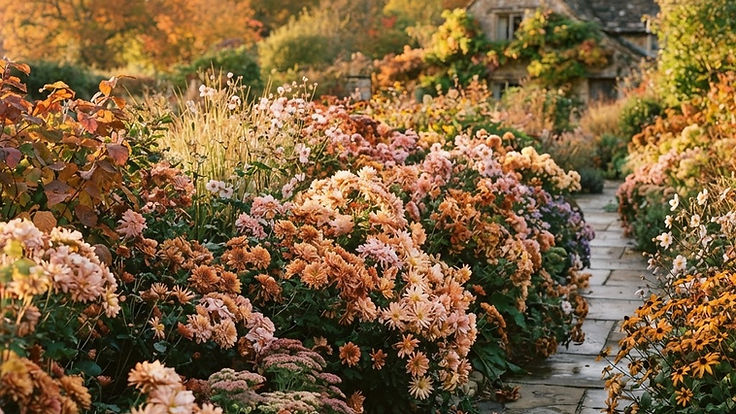
When summer flowers fade, chrysanthemums take over. Their warm bronzes, apricots, pinks and creams light up autumn borders, doorsteps and vases right up to the first hard frosts. And beyond the tight, dome-shaped pots sold in every garden centre, there's a whole world of older, more graceful varieties: airy singles, little pompons, curling spiders and quilled heirlooms that have been grown for generations.
In this guide I'll explain the difference between florist and hardy garden mums, share 17 heirloom and classic chrysanthemum varieties, explain the main flower forms, and show you how to grow mums so they come back year after year.
The quick answer: heirloom mums are older chrysanthemum varieties, often hardy perennials, prized for their charm, scent and long autumn flowering. Some of the best known are 'Clara Curtis', 'Mary Stoker', 'Sheffield Pink', 'Mei Kyo', 'Bronze Elegance' and 'Emperor of China'. Grow them in full sun and well-drained soil, pinch them back in early summer, and divide them every few years.
Florist Mums vs Hardy Garden Mums
| Florist (pot) mums | Hardy garden mums | |
|---|---|---|
| Where you find them | Supermarkets and garden centres in autumn | Specialist nurseries, plant fairs, friends' gardens |
| Look | Tight domes covered in flowers | Looser, more natural shapes |
| Hardiness | Often treated as annuals | Perennial; come back every year |
| Best use | Instant colour in pots and on doorsteps | Borders, cottage gardens and cut flowers |
| Heirloom varieties | Rarely | Often |
Pot mums are bred for an instant display, and many won't survive a cold, wet winter. If you want chrysanthemums that return every year, look for hardy garden varieties and plant them in spring or early autumn, so their roots establish before winter.
17 Heirloom and Classic Chrysanthemums
Heirloom garden mums
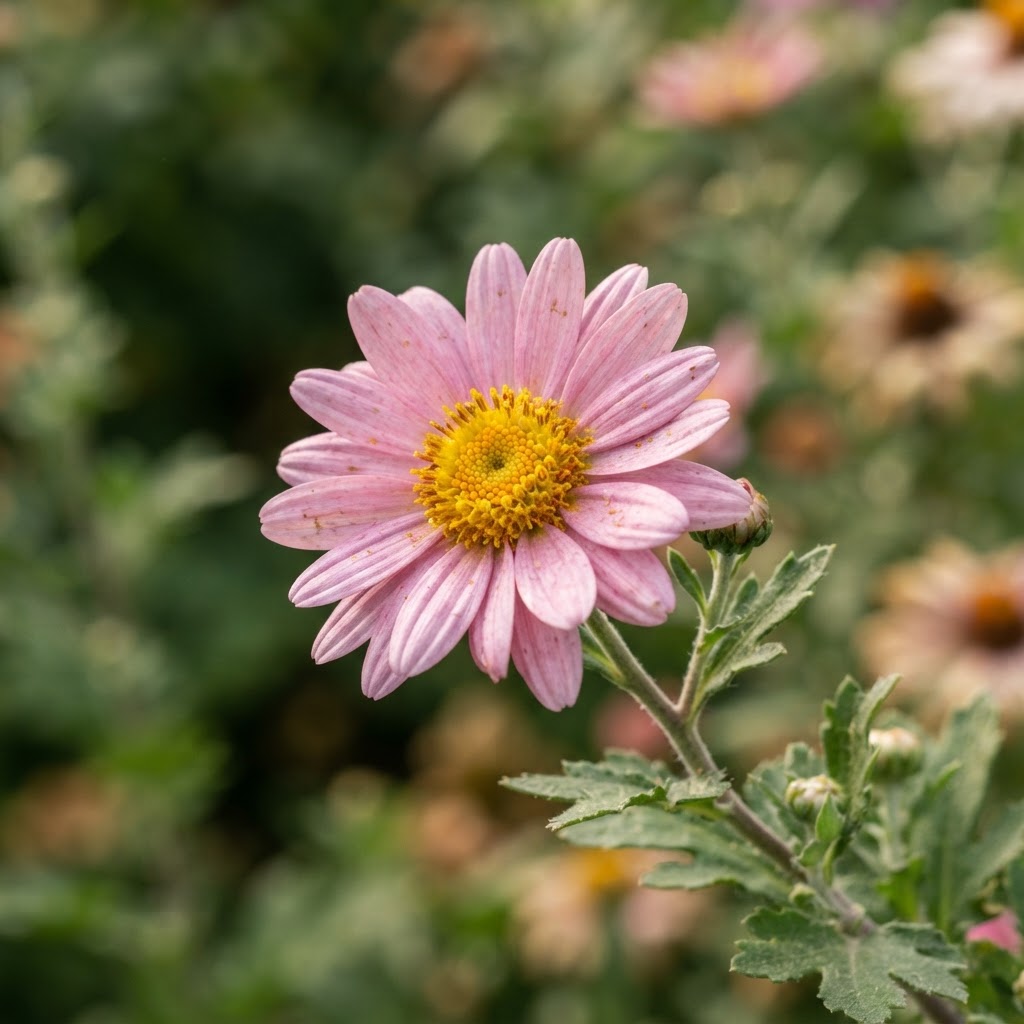
1. 'Clara Curtis'. One of the best-loved hardy chrysanthemums, with clear pink, daisy-like single flowers and golden centres from late summer into autumn. It's tough, free-flowering and lovely for pollinators.
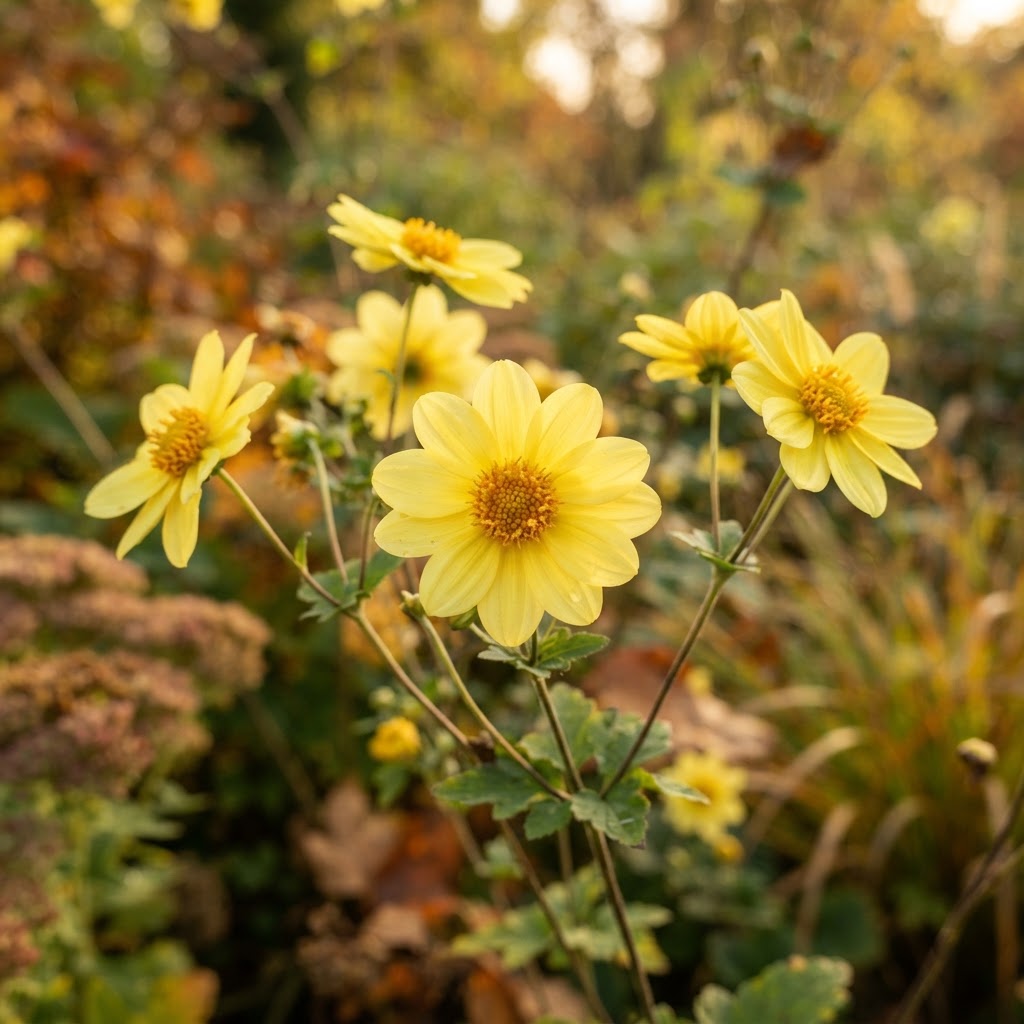
2. 'Mary Stoker'. Soft primrose-yellow single flowers that fade to apricot as they age, giving a lovely mix of shades on one plant.
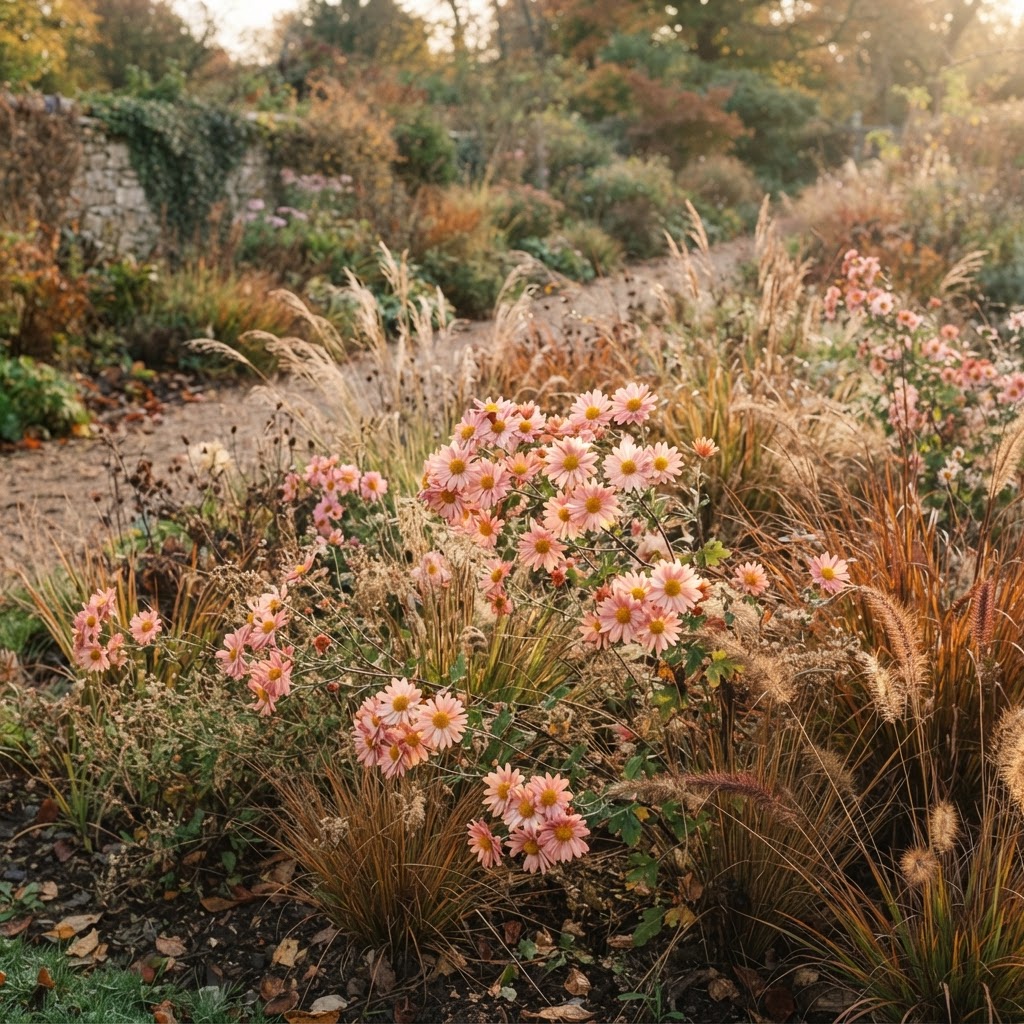
3. 'Sheffield Pink'. Also sold as 'Hillside Sheffield', this vigorous variety has apricot-pink single flowers late in the season. It looks wonderful with ornamental grasses.
4. 'Mei Kyo'. Masses of small lilac-pink pompons late in autumn, on a compact, tidy plant.
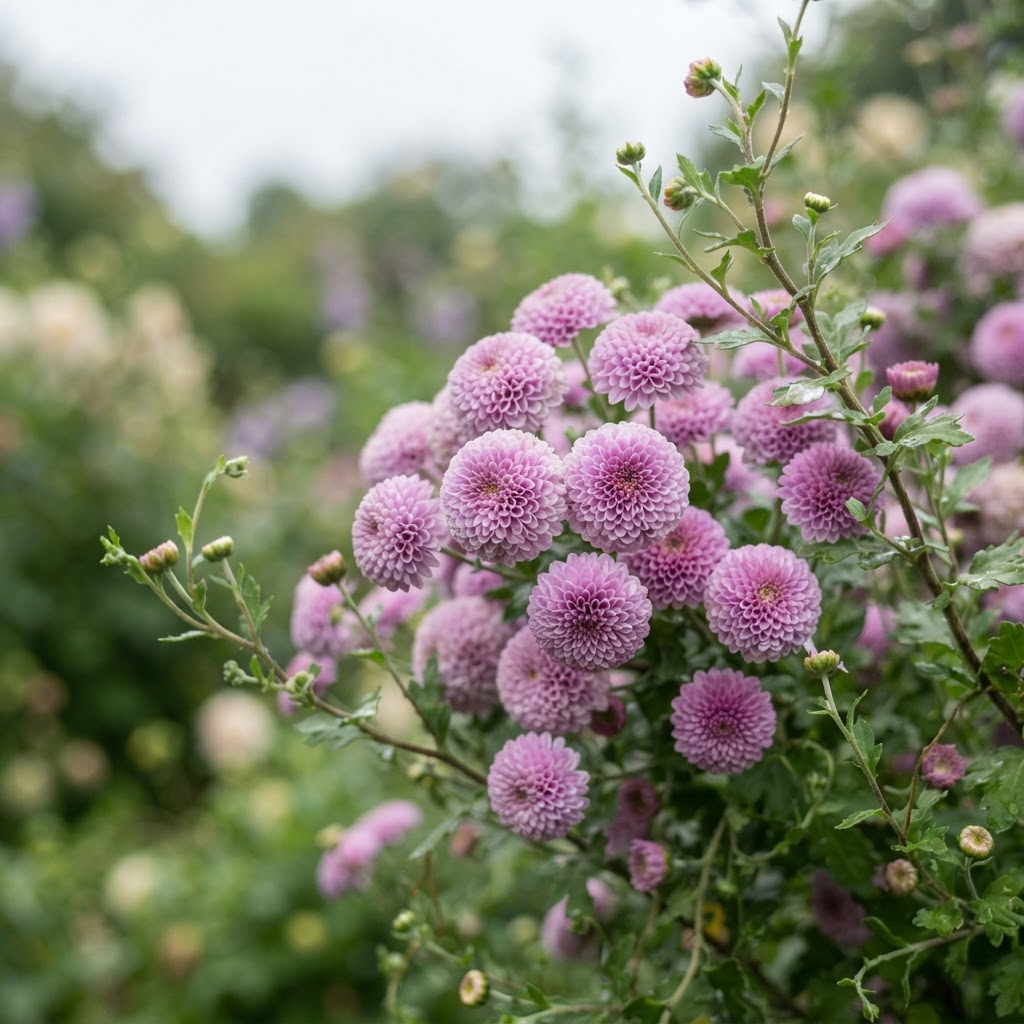
5. 'Bronze Elegance'. A bronze sport of 'Mei Kyo', with the same neat pompons in warm russet and gold.
6. 'Emperor of China'. An old variety with silvery pink, quilled petals and leaves that turn red in cold weather. It flowers very late, often into November.
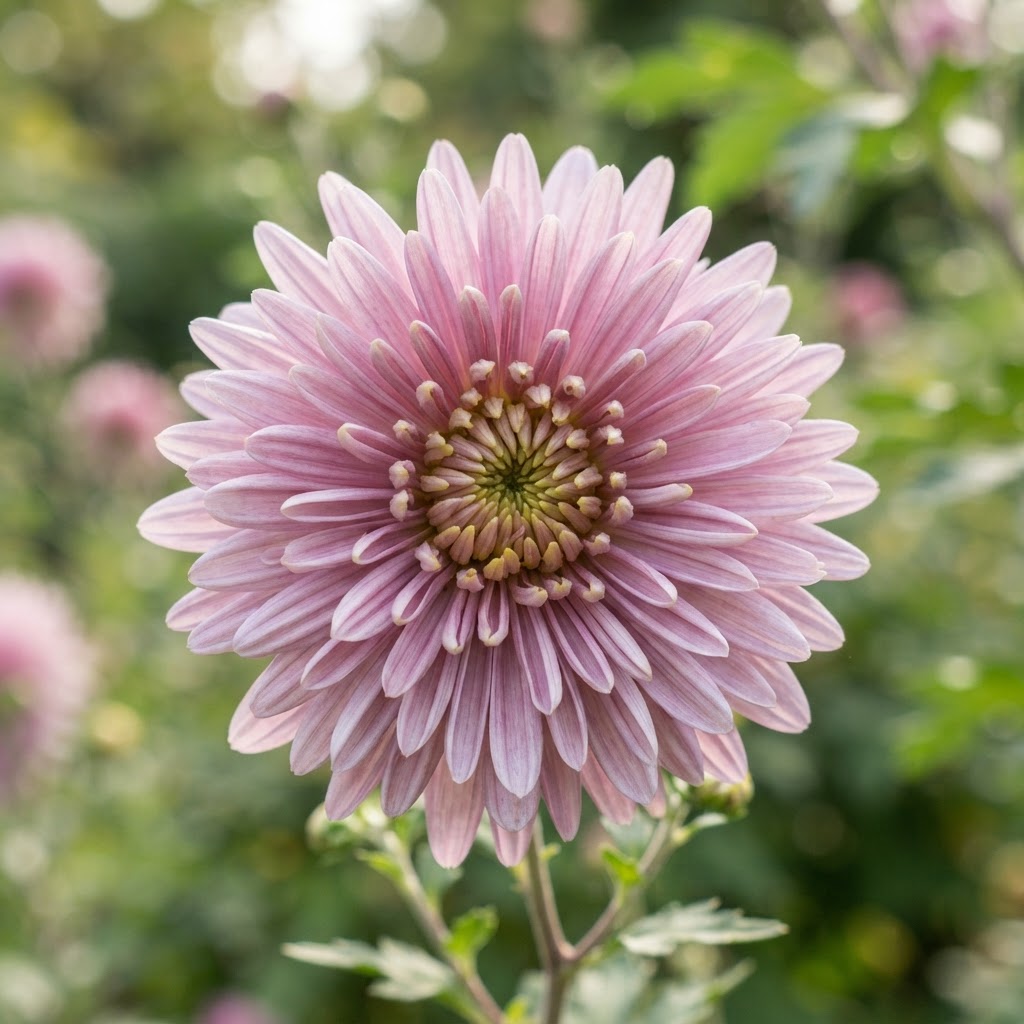
7. 'Innocence'. Pale, shell-pink single flowers that are soft, pretty and good for cutting.
8. 'Ruby Mound'. Deep crimson double flowers on a low, bushy plant; one of the richest reds.
9. 'Paul Boissier'. Rich orange-bronze double flowers that glow in low autumn light.
10. 'Dr Tom Parr'. Coppery orange single flowers with a warm, rustic charm.
11. 'Gethsemane Moonlight'. Pale lemon double flowers that keep going very late in the season.
Classic chrysanthemum flower forms
The National Chrysanthemum Society in the United States groups chrysanthemums into 13 bloom forms for showing, from incurves and reflexes to spoons, quills and spiders, as listed on its page about chrysanthemum shows. These are some of the most beautiful.
12. Incurve. Petals curve inwards to form a perfect globe. Incurves are the classic exhibition chrysanthemum.
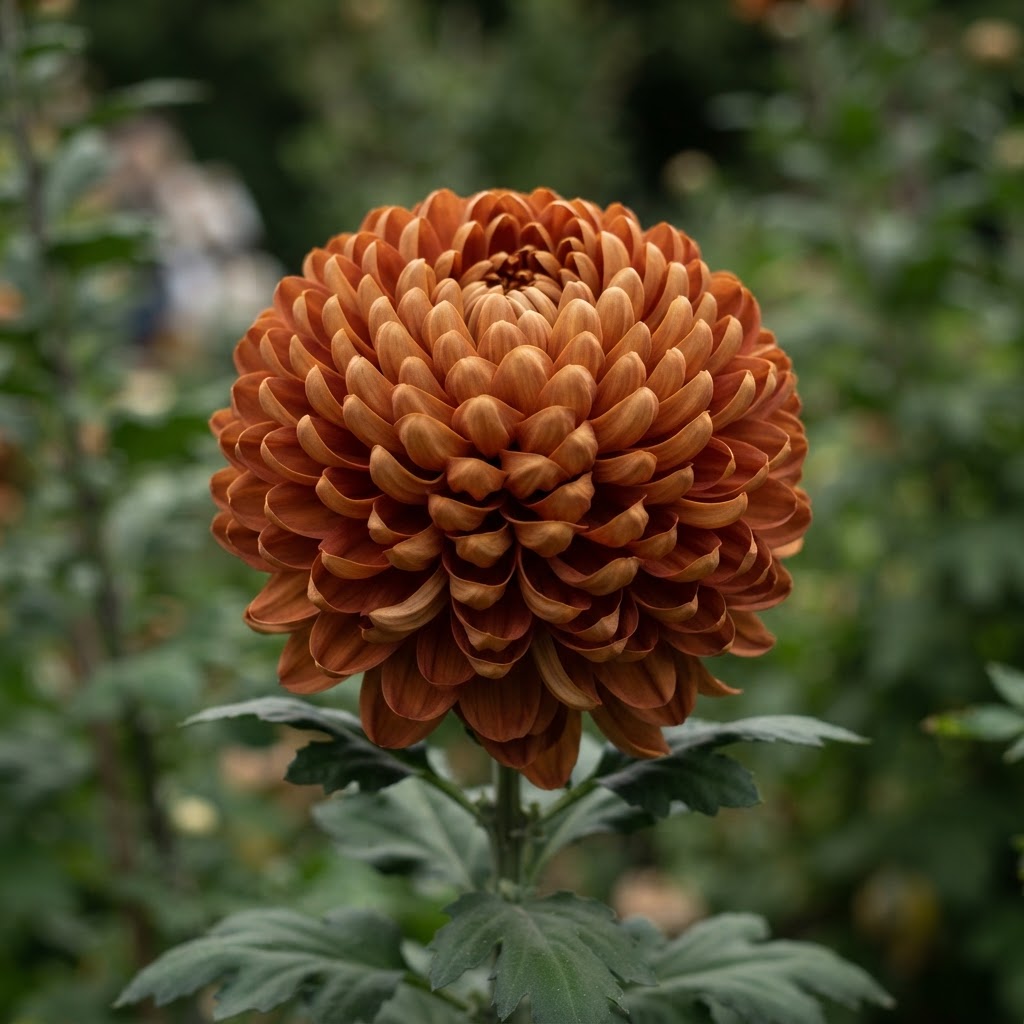
13. Reflex. Petals curve outwards and downwards, overlapping like feathers.
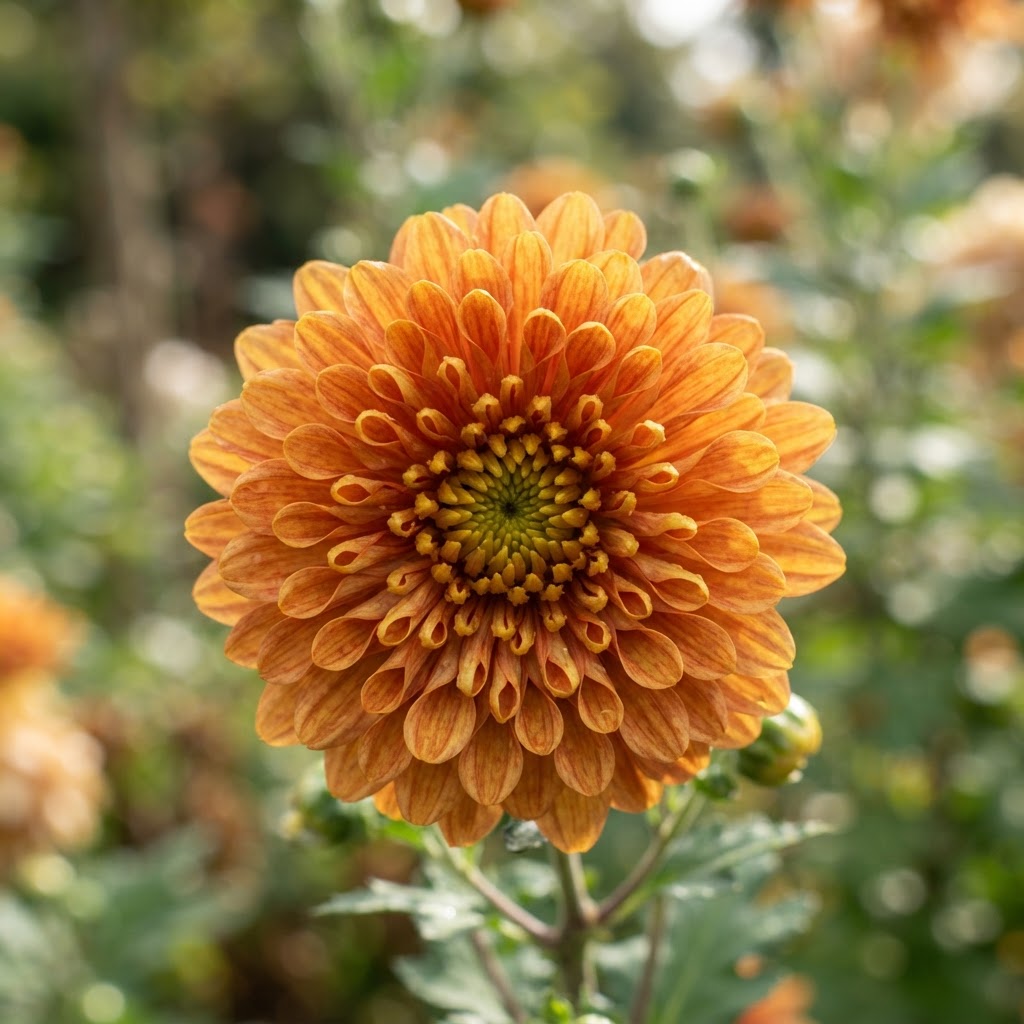
14. Spider. Long, thin, tubular petals that curl and droop at the tips. They're dramatic in a vase.
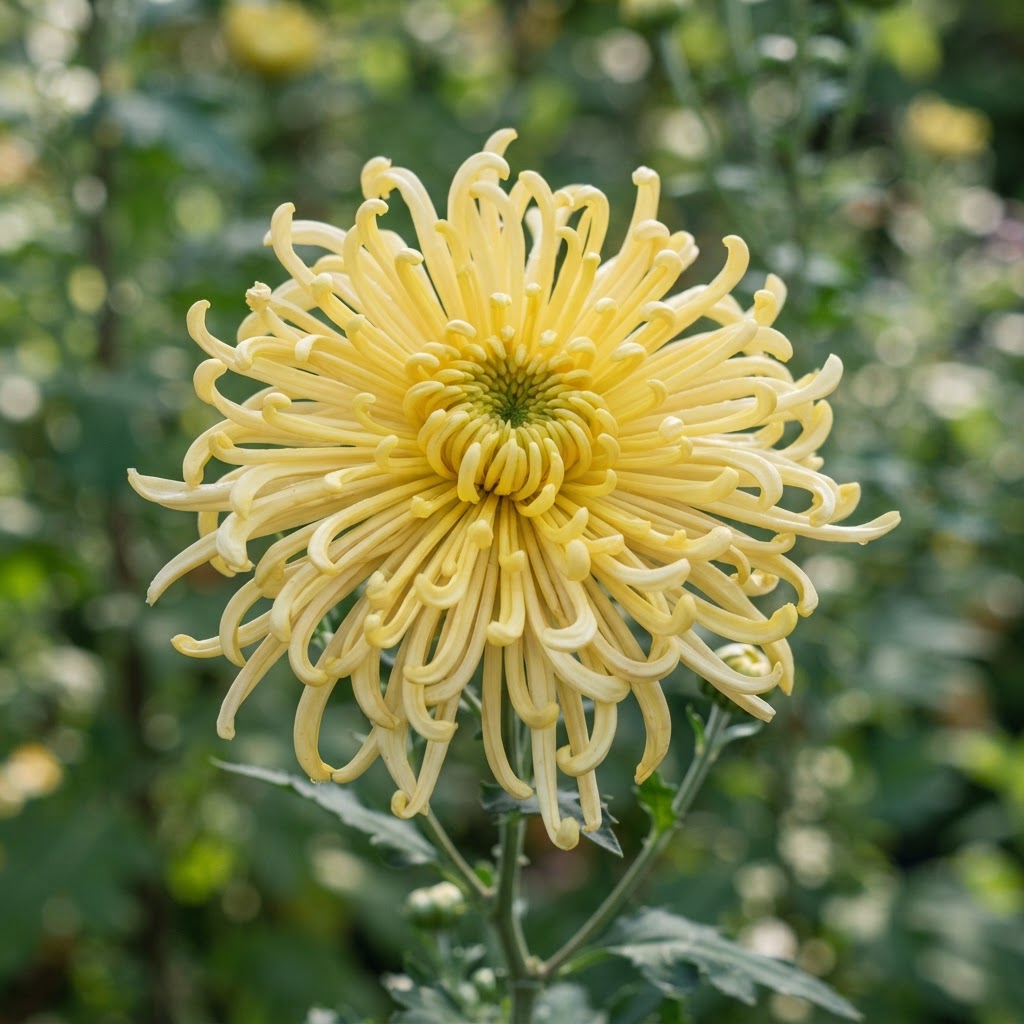
15. Spoon. Tubular petals that open out into little spoon shapes at the tips.
16. Anemone. A raised, cushion-like centre surrounded by a ring of flat petals.
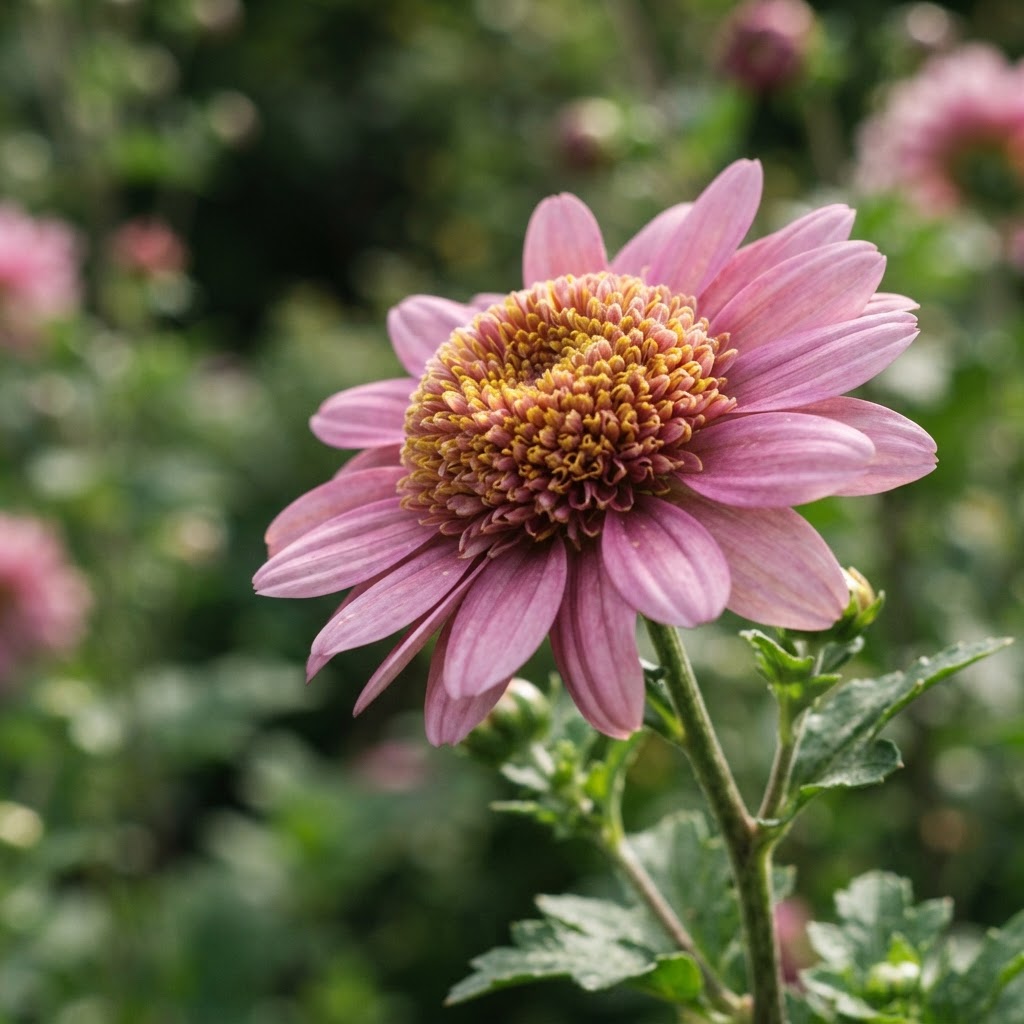
17. Brush and thistle. Fine, upright or twisted petals that look like a paintbrush or a thistle head.
How to Grow Chrysanthemums
- Sun. Choose a sunny spot; mums need plenty of light to flower well.
- Soil. Well-drained, fertile soil is essential. Wet winter soil is the main reason hardy mums fail.
- Planting time. Plant hardy mums in spring, or in early autumn, so their roots establish before winter.
- Pinching. Pinch out the growing tips every few weeks from late spring until early summer for bushier plants with more flowers.
- Watering. Water regularly in dry spells, especially in pots.
- Dividing. Lift and divide clumps every two to three years in spring to keep them vigorous.
- Winter care. Leave the old stems on over winter for protection, mulch around the base, and cut back in spring. In very cold, wet gardens, overwinter tender varieties in a cold frame.
Chrysanthemums flower as the days shorten, which is why they bloom so late in the year. Plant them with asters, sedums, late salvias and grasses for a border that peaks in autumn, alongside other long-lasting flowers for landscaping.
Mums in Pots and on the Doorstep
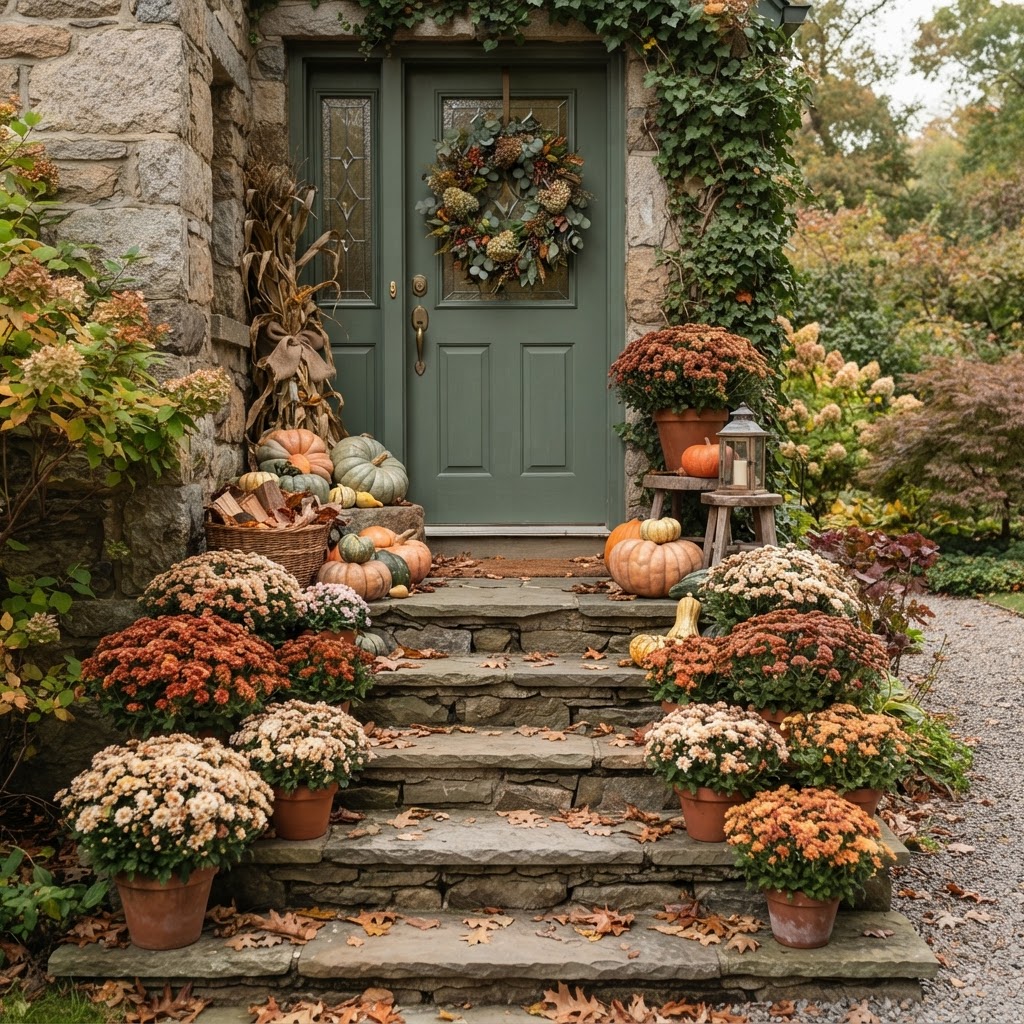
Pots of mums are an easy way to bring autumn colour to a front door, patio or balcony. Group them in odd numbers, mix two or three colours, and add pumpkins, heather and ornamental grasses. They're a natural part of autumn decoration ideas and work beautifully with seasonal Halloween decorations.
Chrysanthemums as Cut Flowers
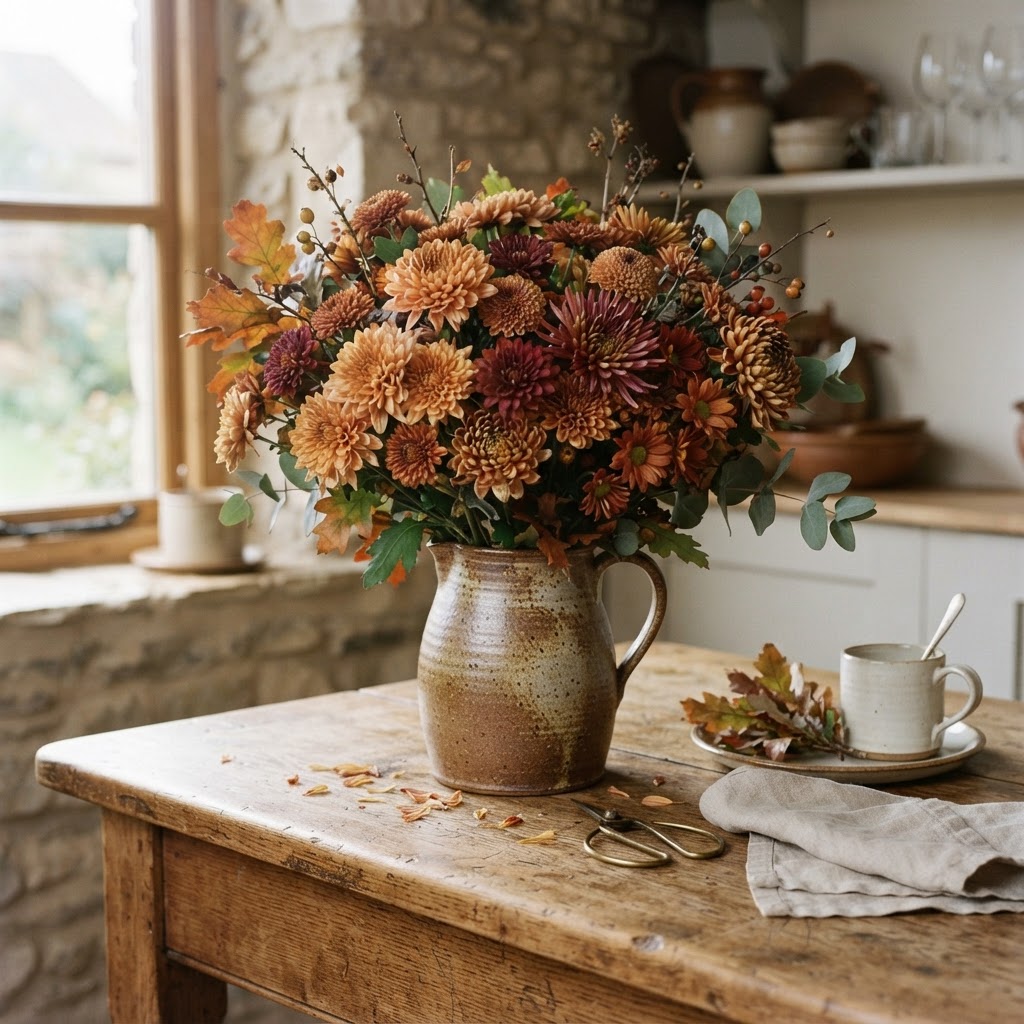
Chrysanthemums are among the longest-lasting cut flowers, often looking fresh for two weeks or more. Cut stems when the flowers are almost fully open, strip the lower leaves and change the water every couple of days. They're the November birth flower, and they bring rich colour to Christmas flower arrangements too.
Chrysanthemums Around the World
- Japan. The chrysanthemum is a symbol of the Imperial family, and the Japanese throne is known as the Chrysanthemum Throne. It's a lovely motif in Japanese house design.
- China. Chrysanthemums have been grown for centuries and are associated with autumn, longevity and nobility.
- Poland and much of Europe. In Poland, where I grew up, chrysanthemums are placed on graves for All Saints' Day on 1 November, so cemeteries glow with pots of flowers and candles.
- The UK and US. Mums are the classic autumn flower for borders, doorsteps and allotment shows.
Common Mistakes to Avoid
| Mistake | Why it's a problem | What to do instead |
|---|---|---|
| Expecting pot mums to come back | Many aren't bred to be hardy | Buy hardy garden varieties for borders |
| Planting late in autumn | Roots don't establish before winter | Plant in spring or early autumn |
| Wet, heavy soil | Roots rot in winter | Improve drainage or grow in raised beds |
| Not pinching | Tall, leggy plants with fewer flowers | Pinch out tips until early summer |
| Cutting back in autumn | Less winter protection | Leave stems until spring |
| Never dividing | Clumps weaken in the centre | Divide every two to three years |
Frequently Asked Questions
What are heirloom mums?
Heirloom mums are older chrysanthemum varieties that have been grown for generations, such as 'Clara Curtis', 'Mary Stoker' and 'Emperor of China'. Many are hardy perennials with a looser, more natural shape than modern pot mums.
Do mums come back every year?
Hardy garden mums do, if they're planted early enough and the soil drains well in winter. Many florist pot mums are treated as annuals.
When do chrysanthemums bloom?
Most flower from late summer to late autumn, as the days get shorter. Some, such as 'Emperor of China', flower into November.
Should you cut back mums in the fall?
It's best to leave the stems over winter for protection and cut them back in spring when new growth appears.
What are the different types of mums?
Chrysanthemums are grouped by flower form, including singles, pompons, incurves, reflexes, anemones, spoons, quills, spiders and brush or thistle types.
Are mums good for pollinators?
Single and open-centred varieties, such as 'Clara Curtis', provide late nectar and pollen for bees and butterflies. Tightly double forms are less useful.
How long do cut chrysanthemums last?
Often two weeks or more, which makes them one of the longest-lasting cut flowers.
The Last Great Flowers of the Year
Heirloom chrysanthemums bring warmth, colour and character to the end of the gardening year. Choose a few hardy varieties, give them sun and good drainage, pinch them in early summer, and they'll reward you with flowers right up to the first frosts, year after year.
And if you'd like help bringing seasonal colour into your home and garden, you can book a one-hour online interior design consultation with me.
About the author
Magda Callery is a UK interior designer and florist with more than 15 years' experience designing homes, pubs, restaurants and bars, and her expert commentary has featured in Homes & Gardens, The Mirror and The Spruce. Explore more of the flowers & garden articles.
Continue reading


Garden Statues: 17 Ideas for Placing Sculpture in a Garden
17 garden statue and sculpture ideas, how to choose and place garden statues, the best materials compared, and how to care for them.


Types of Lavender: 13 Best Varieties and How to Grow Them
The main types of lavender, 13 of the best lavender varieties, how fast lavender grows, and how to plant, prune, grow in pots and dry lavender.

Marigold Varieties: 17 Types of Marigold to Grow
17 marigold varieties to grow, from tall African and compact French marigolds to edible signets and calendula, plus growing tips and their role in Day of the Dead.