
Viola Flower: How to Grow Violas and 13 Ways to Use Them
Everything about the viola flower: violas vs pansies, when violas flower, how to grow and care for them, whether you can eat them and 13 ways to use them.
By Magda Callery, interior designer and florist
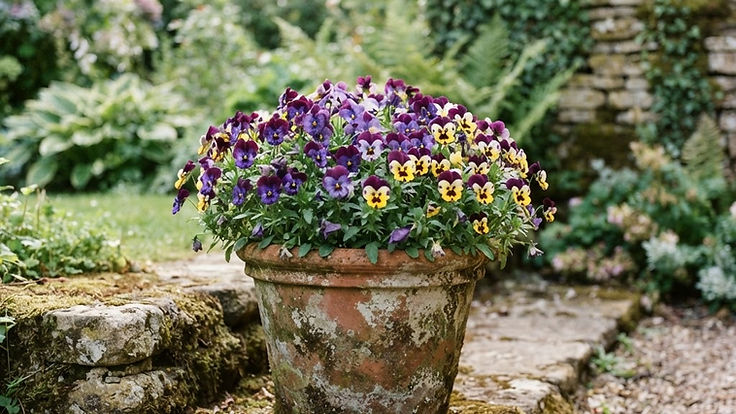
Violas are one of the hardest working little flowers in a British garden. They bloom in pots, borders, window boxes and hanging baskets, they come in almost every colour, and winter violas keep flowering through mild spells when almost nothing else will. They're also one of my favourite flowers to use as a florist, because their cheerful faces look lovely in tiny posies and on cakes.
In this guide I'll share what a viola flower is, how violas differ from pansies, when they flower, how to grow and care for them, whether you can eat them, and 13 ways to use violas in your garden and home.
The quick answer: The viola is a small, cheerful flower in the Viola family, closely related to pansies and violets. Garden violas have small, rounded flowers in purple, blue, yellow, white, orange and near black, often with darker "whiskers" on the petals. They're easy to grow in sun or partial shade, and by planting both winter and summer varieties you can have violas in flower for much of the year. Viola flowers are also edible and are often used to decorate cakes and salads.
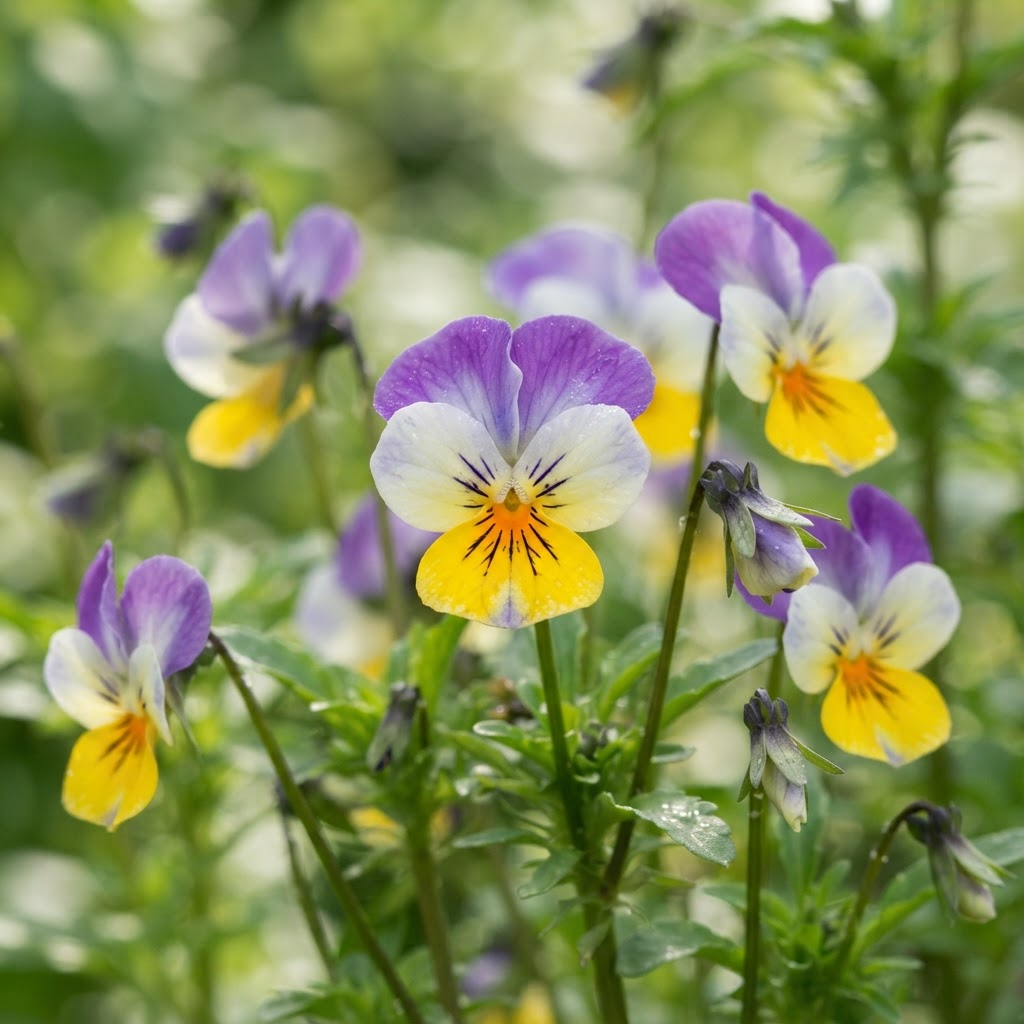
What Is a Viola Flower?
Viola is a large group of plants that includes garden violas, pansies and sweet violets. In gardens, "viola" usually means the small-flowered bedding and perennial violas sold in trays and pots at garden centres.
According to the Royal Horticultural Society, violas can be "annuals, biennials or deciduous or evergreen perennials," and they're happiest in "humus-rich, moist but well-drained soil."
The best-known wild viola is the heartsease, Viola tricolor, a tiny purple, yellow and white flower that grows wild across Britain and is the ancestor of many of today's garden violas and pansies.
Viola vs Pansy: What's the Difference?
| Violas | Pansies | |
|---|---|---|
| Flower size | Small, about 2 to 4cm across | Larger, up to about 10cm across |
| Number of flowers | Lots of small flowers | Fewer, bigger flowers |
| Habit | Compact and bushy | Slightly looser |
| Hardiness | Very tough, cope well with cold and wet | Hardy, but big flowers spoil more in rain |
| Best for | Edging, pots, baskets, mass colour | Bold colour in pots and window boxes |
Both belong to the same plant family, and the line between them can blur, but as a rule violas have more, smaller flowers and tend to keep going for longer.
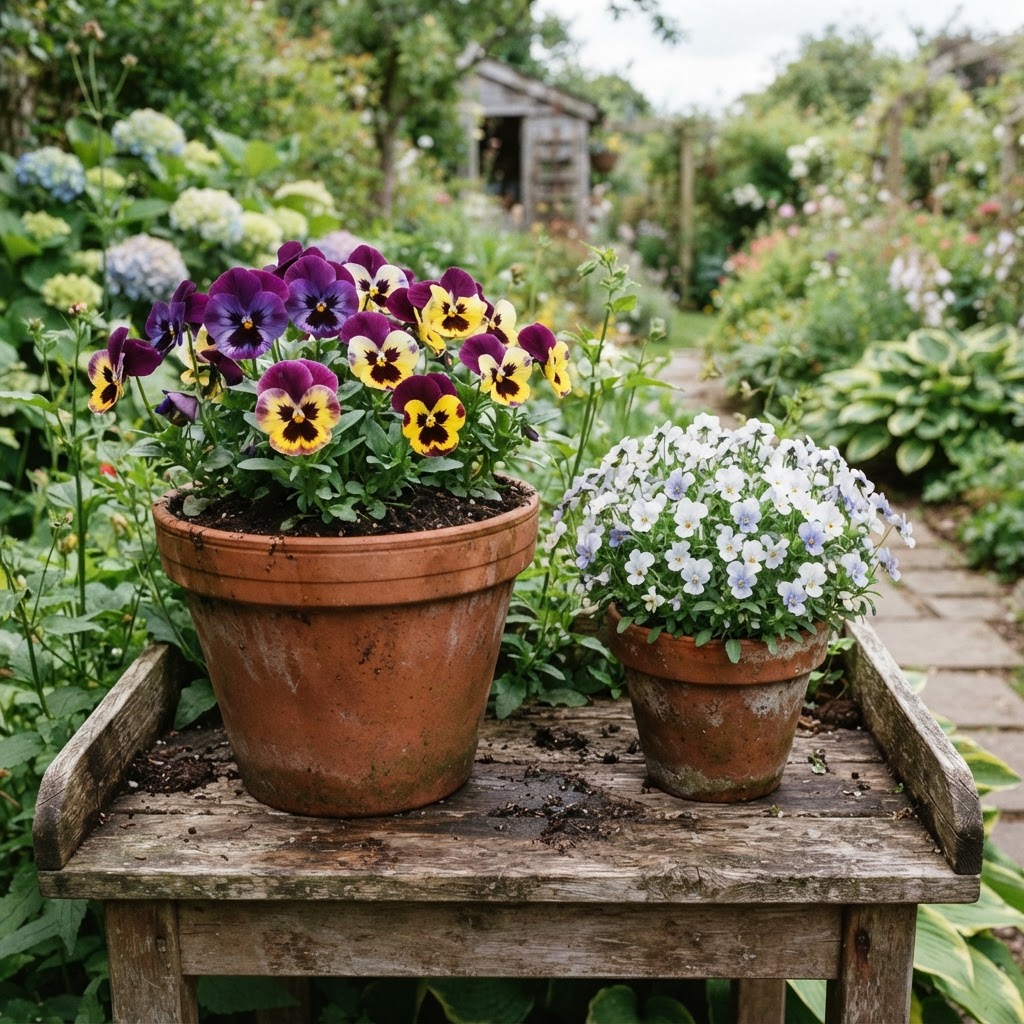
When Do Violas Flower?
Most violas flower from spring into summer, and the RHS describes the genus as flowering "over a long period in late spring and summer." Winter violas are bred to flower in autumn, through mild spells in winter and then again strongly in spring.
| Type | Main flowering time |
|---|---|
| Winter violas | Autumn, mild winter days and spring |
| Spring and summer violas | Spring to late summer |
| Perennial violas | Late spring and summer, sometimes repeating |
| Wild heartsease | Spring to autumn |
How long violas keep flowering
With regular deadheading, violas can flower for many months. Winter violas planted in autumn often flower on and off until early summer, while summer violas keep going until the first frosts if they're deadheaded and watered.
How to Grow Violas
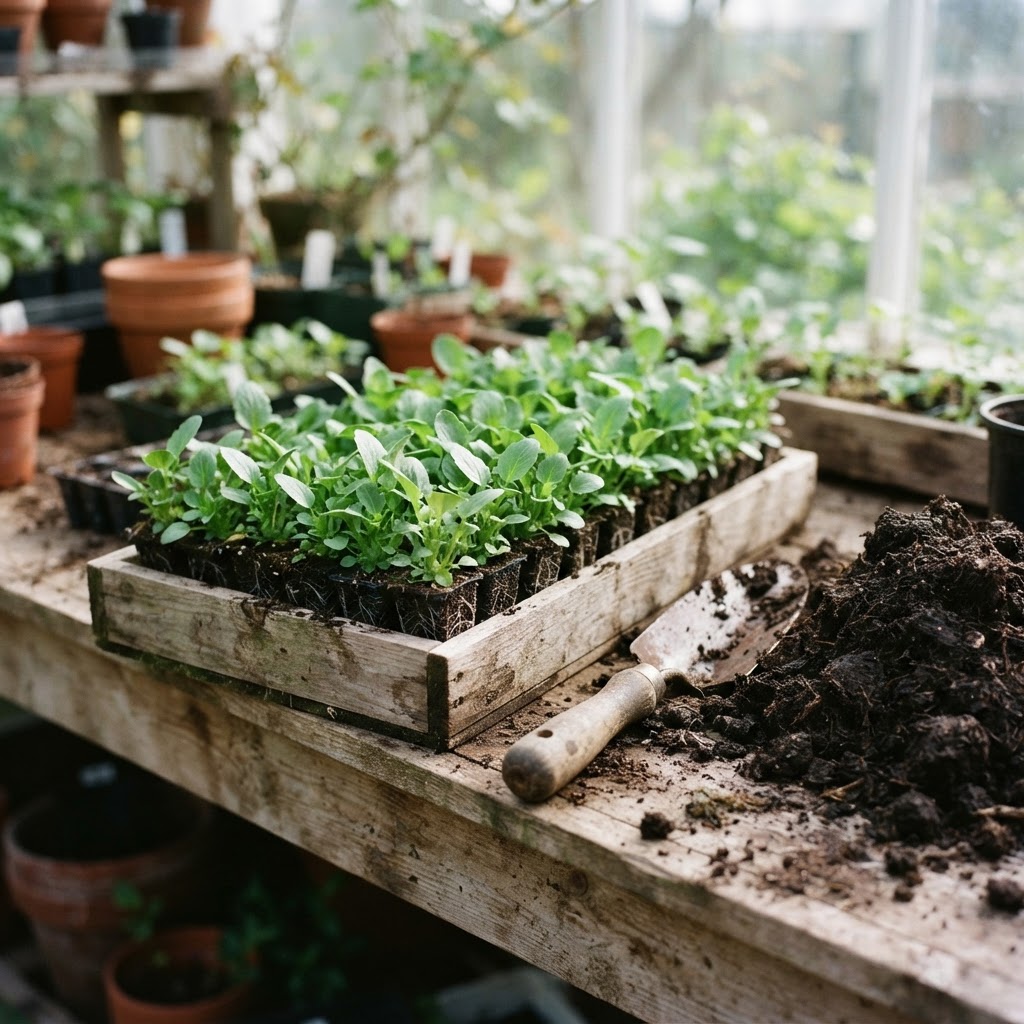
- Position. Full sun or partial shade. Violas appreciate a little shade in the hottest part of summer.
- Soil. Moist but well-drained, reasonably fertile soil or a good multi-purpose compost for pots.
- Planting time. Plant winter violas in early autumn so they settle before cold weather. Plant summer violas in spring.
- Spacing. Around 15 to 20cm apart in borders, closer in pots for a fuller look.
- Watering. Keep pots evenly moist, especially in spring and summer.
- Feeding. A liquid feed every couple of weeks in spring and summer keeps flowers coming.
How to care for violas
- Deadhead often. Pinching off faded flowers is the single best way to keep violas blooming.
- Cut back leggy plants. If plants get straggly in midsummer, trim them back by about a third to encourage fresh growth.
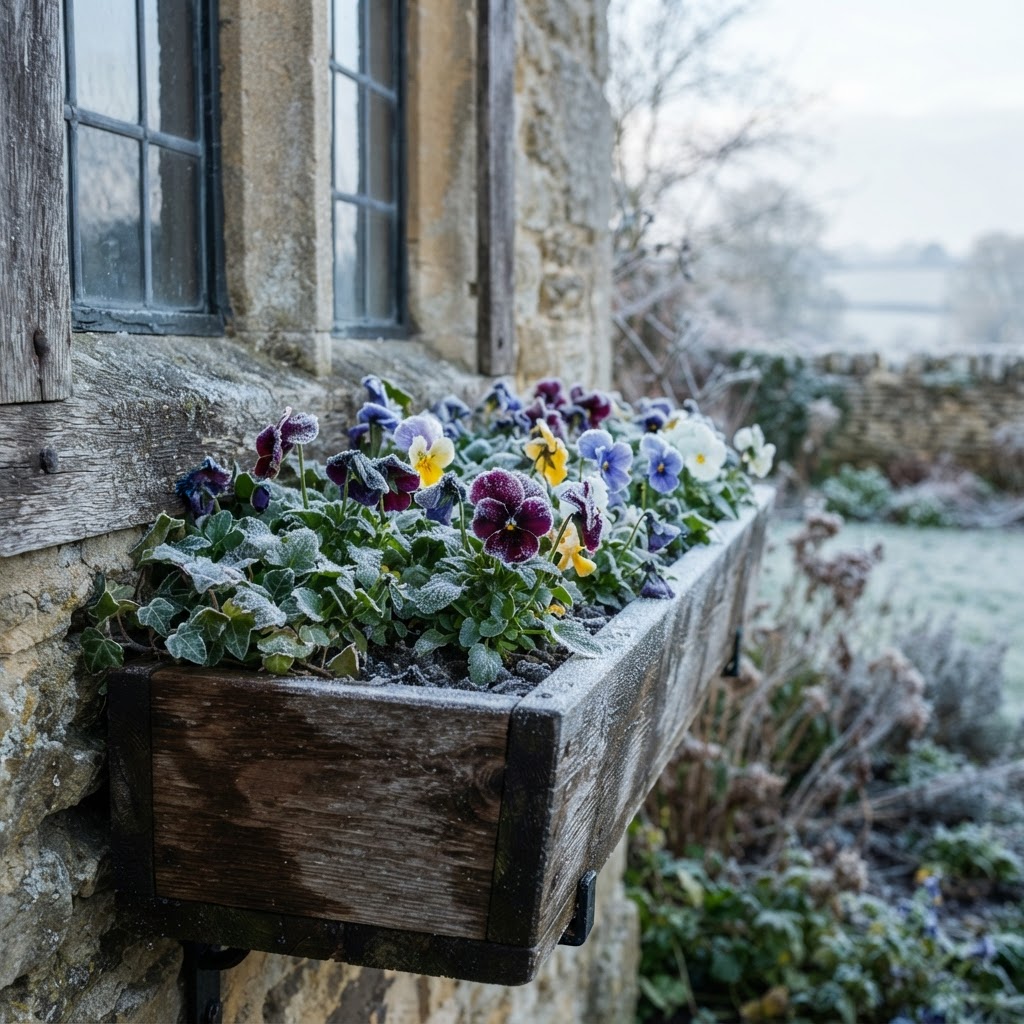
- Protect pots in hard frost. Violas are tough, but pots can freeze solid, so move them somewhere sheltered in severe weather.
Can You Eat Viola Flowers?
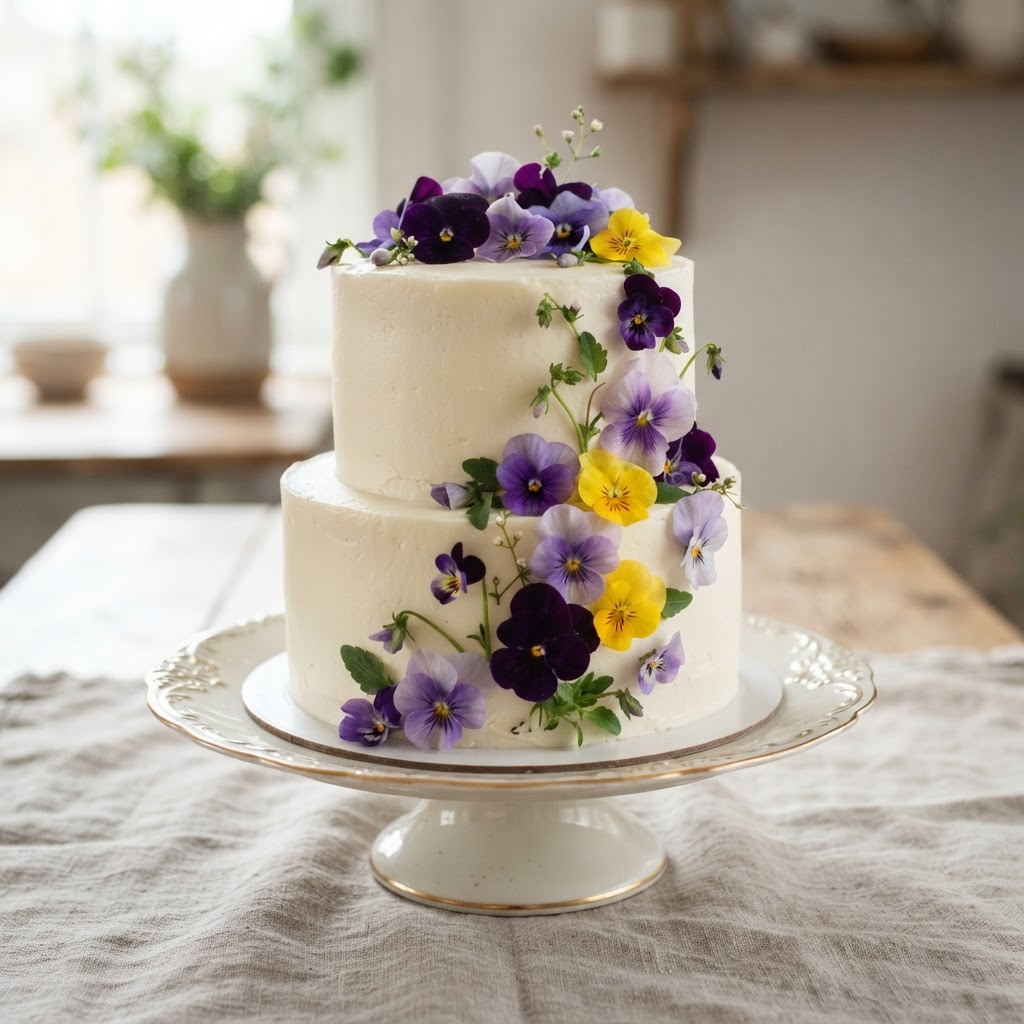
Yes. Viola flowers are edible and have a mild, slightly sweet or grassy taste. They're popular for decorating cakes, biscuits, salads and drinks, and they can be crystallised with sugar. Only eat flowers you've grown yourself or bought as edible flowers, as garden centre plants may have been treated with pesticides.
13 Ways to Use Violas in Your Garden and Home
1. Fill a classic terracotta pot. A single pot overflowing with violas is one of the easiest ways to brighten a doorstep.
2. Plant a winter window box. Winter violas with ivy and small evergreens give colour all winter. These winter flower arrangements use the same palette indoors.
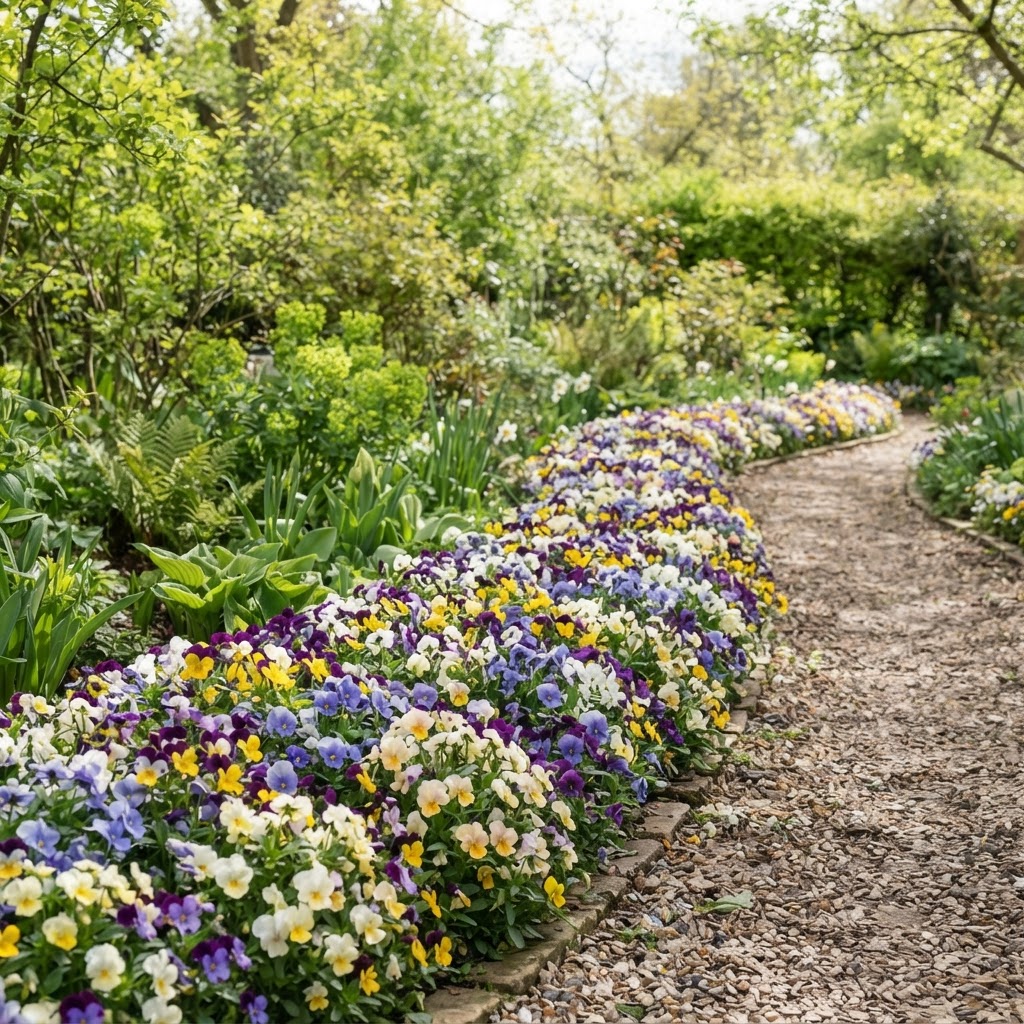
3. Edge a path or border. A line of violas along a path softens hard edges and looks like a ribbon of colour. They're one of the most useful flowers for landscaping.
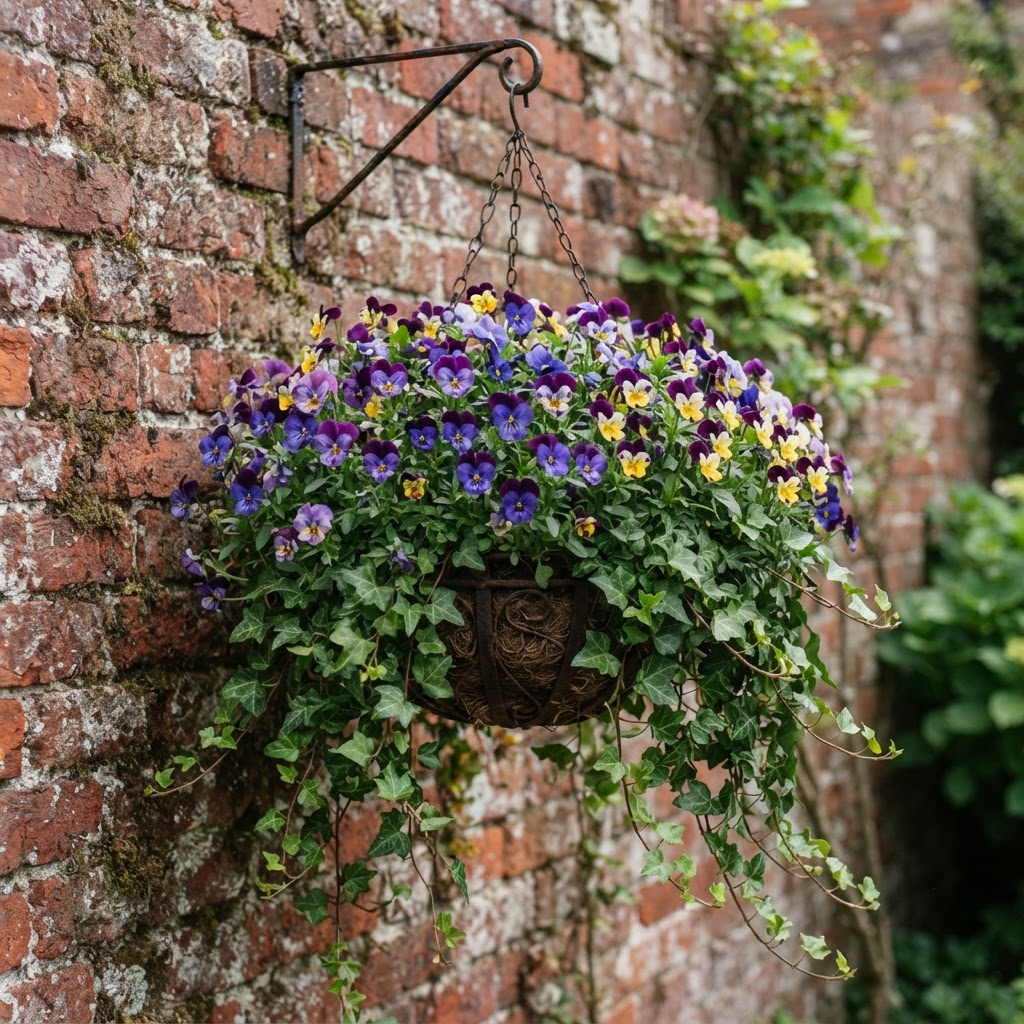
4. Plant a hanging basket. Trailing violas with ivy make a pretty, long-lasting basket for a wall or porch.
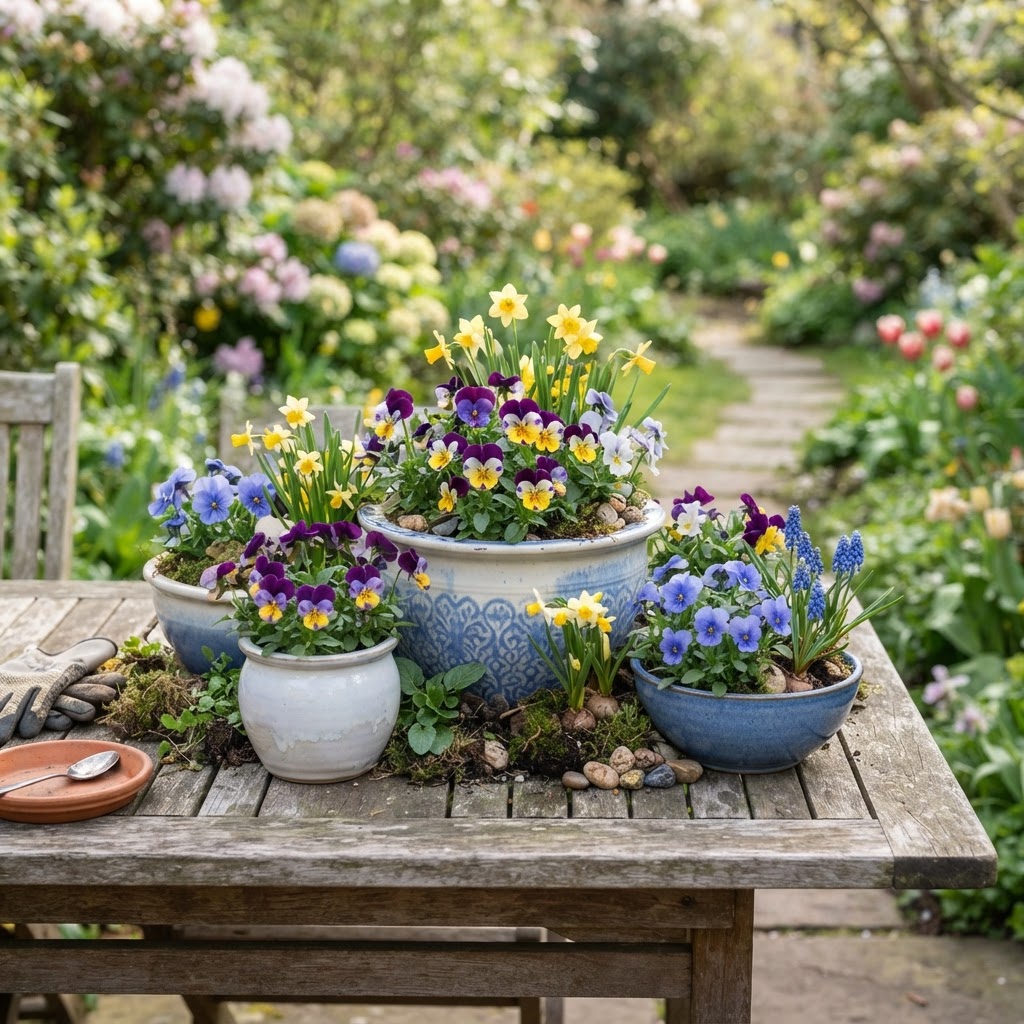
5. Pair them with spring bulbs. Violas planted over tulips, daffodils or crocuses fill pots with colour before and after the bulbs flower.
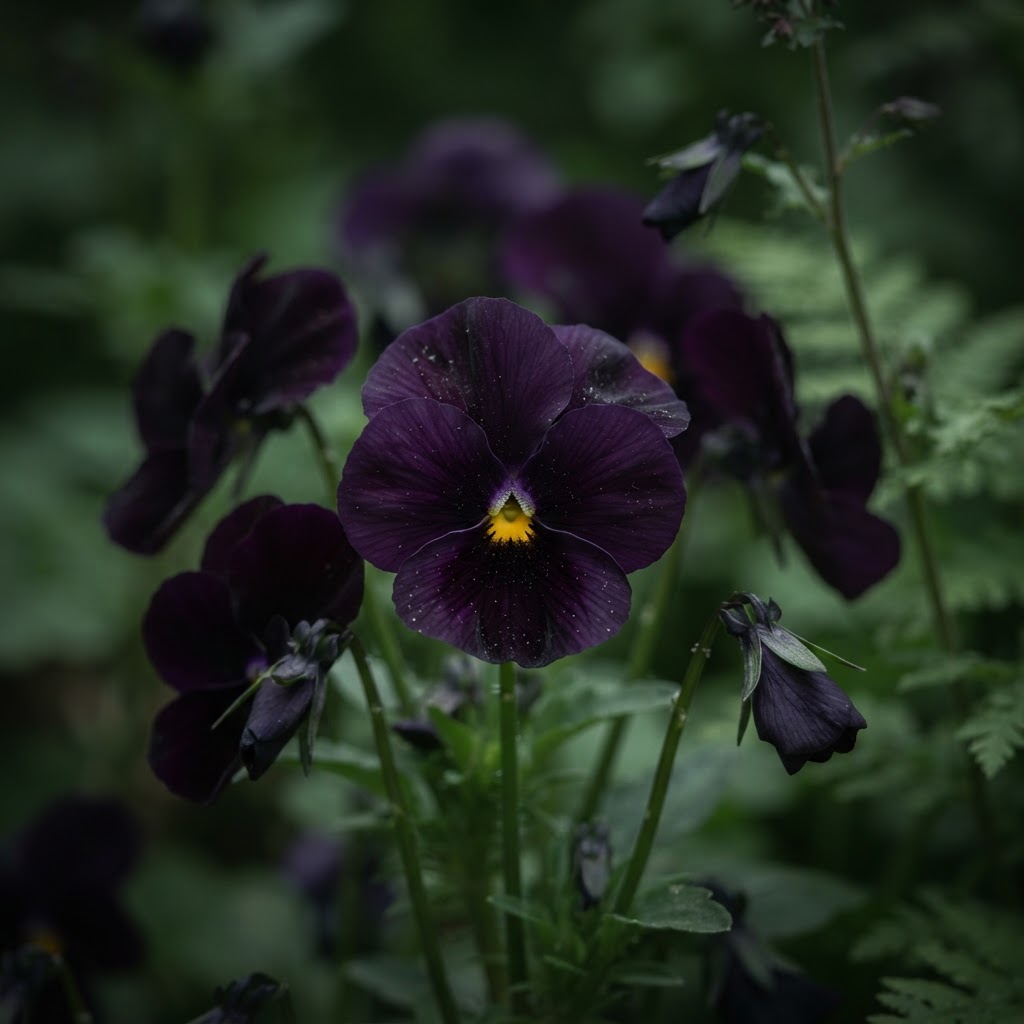
6. Go dark and dramatic. Near black violas look striking in modern pots and beside silver foliage.
7. Create a yellow scheme. Yellow violas with primroses and daffodils make a cheerful spring pot. Yellow flowers carry cheerful meanings of their own, as you'll find in yellow flowers meaning.
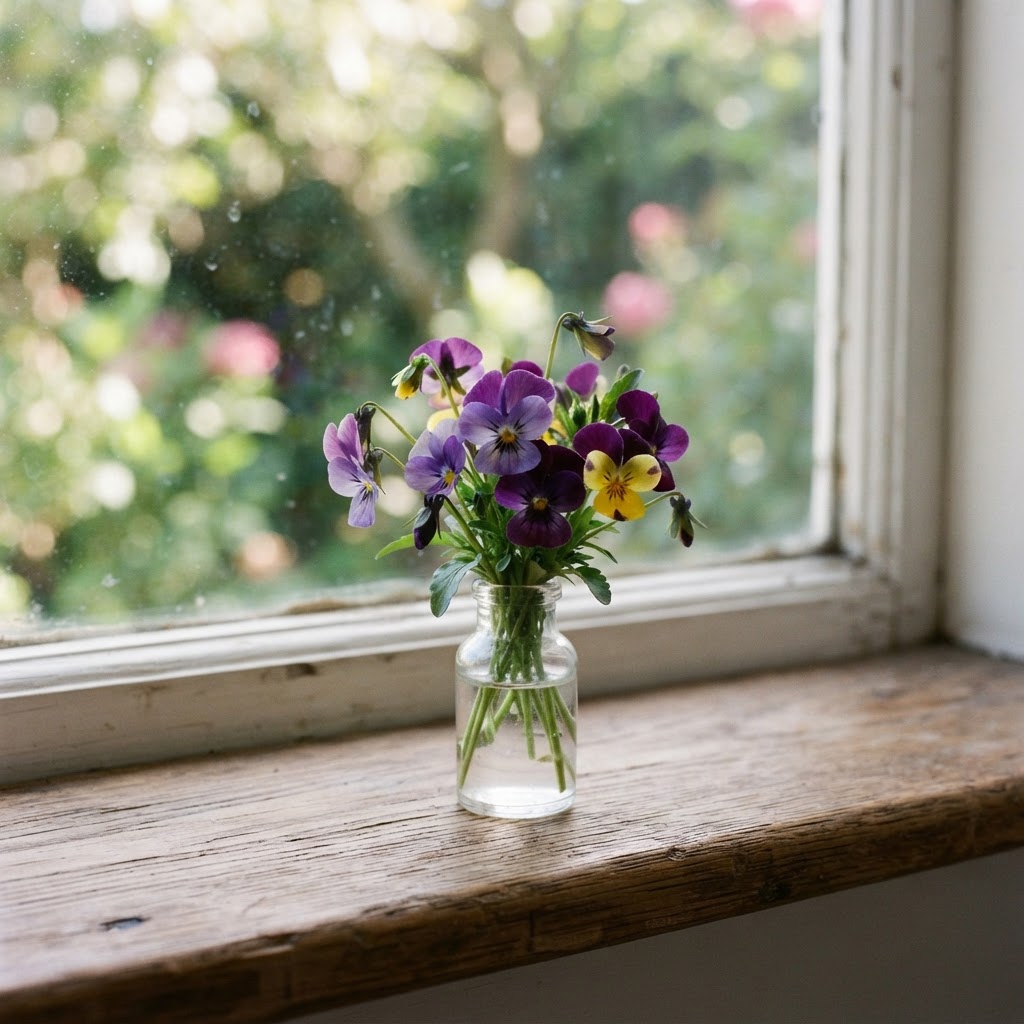
8. Make a tiny posy. A handful of picked violas in a small bottle or egg cup is one of my favourite little arrangements for a kitchen windowsill. More ideas are in these simple flower arrangements.
9. Decorate a cake. Fresh or crystallised viola flowers turn a simple sponge into something special.
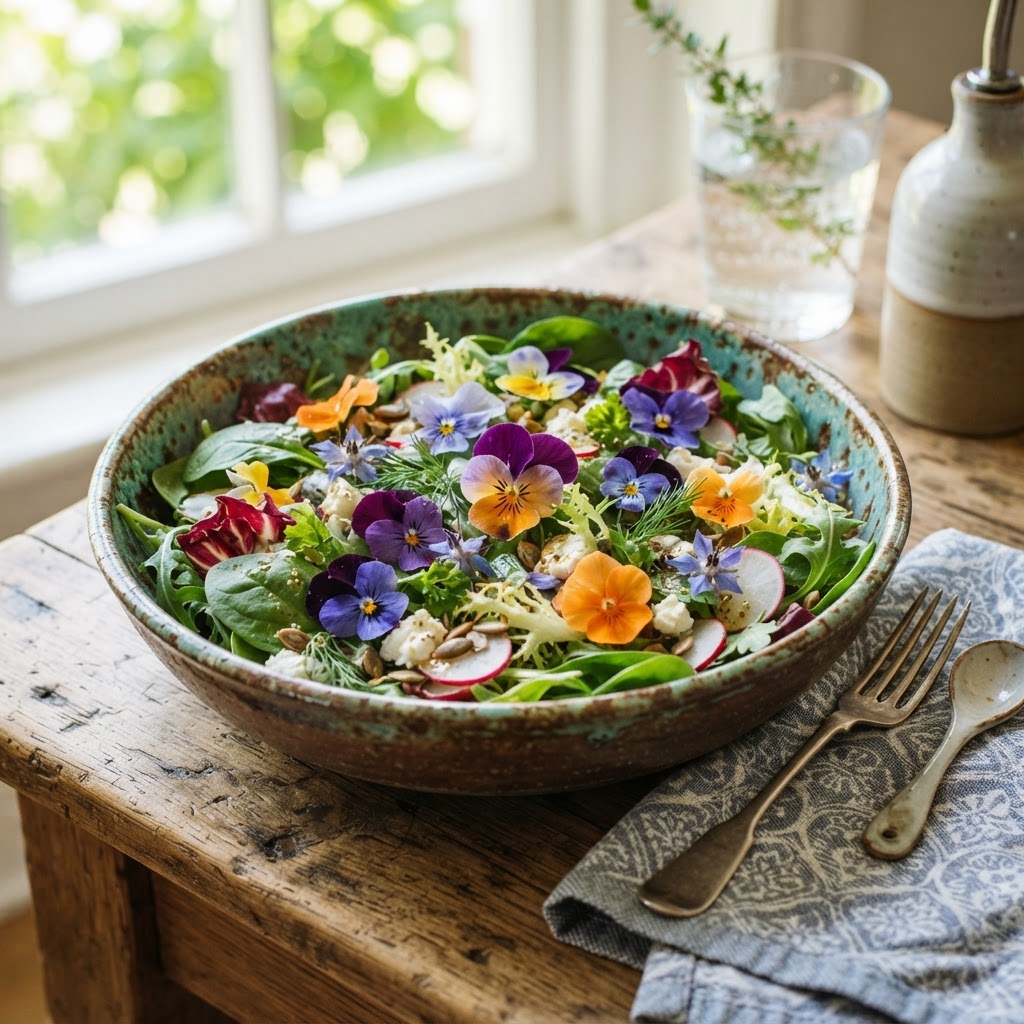
10. Add them to salads. A scattering of violas makes a green salad look beautiful.
11. Plant a wild flower corner. Let heartsease seed itself in gravel or a wild corner for a natural, cottage garden feel. A wildflower bouquet picked from the garden can include a few stems.
12. Use them in table decorations. Small pots of violas down the centre of a table make a pretty, living centrepiece for spring lunches.
13. Press them. Violas press beautifully flat and keep much of their colour, making them perfect for cards, bookmarks and framed botanical art.
Popular Types of Violas
| Type | What it's like |
|---|---|
| Winter violas | Bred to flower through autumn, mild winter spells and spring |
| Trailing violas | Spreading stems for baskets and the edges of pots |
| Tricolour violas | Purple, yellow and white flowers like the wild heartsease |
| Perennial violas | Long-lived clumps that come back each year |
| Horned violas (Viola cornuta) | Small, scented flowers on tough, spreading plants |
| Sweet violets (Viola odorata) | Tiny, sweetly scented purple or white flowers in early spring |
What Does the Viola Flower Mean?
In the Victorian language of flowers, the heartsease, or wild viola, meant "you occupy my thoughts" and was linked with remembrance and loving thoughts. Its old country names, such as "love in idleness" and "heartsease," reflect that romantic meaning. Violas in general are seen as symbols of faithfulness, modesty and happy thoughts. Other flowers carry their own messages too, from anemone flower meaning to white rose symbolic meaning.
How I Use Violas as a Florist
After more than 15 years as an interior designer and florist, I love violas because they bring a little garden charm to any room.
- I use them small. Violas are at their best in tiny posies, egg cups and bud vases, where you can see their faces.
- I plant them in pretty pots. A painted or patterned pot of violas on a kitchen table is a living arrangement that lasts for weeks.
- I decorate with them. A few viola flowers on a cake or in a jug of iced water make a table feel special.
- I mix them with bulbs. Violas and spring bulbs together give the longest show of colour in pots.
Frequently Asked Questions
When do violas flower?
Most violas flower from spring into summer. Winter violas flower in autumn, through mild spells in winter and again in spring.
How long do violas flower for?
With regular deadheading, violas can flower for many months, and winter violas planted in autumn often flower until early summer.
Can you eat viola flowers?
Yes. Viola flowers are edible and are often used to decorate cakes and salads. Only eat flowers that haven't been treated with pesticides.
Are violas perennials?
Some are. Many bedding violas are grown as annuals or biennials, but perennial violas such as Viola cornuta come back year after year.
What is the difference between a viola and a pansy?
Violas have smaller, more numerous flowers and are usually tougher, while pansies have bigger flowers. Both belong to the same plant family.
Do violas flower in winter in the UK?
Winter violas can flower during mild spells in winter, then flower strongly again in spring.
Do violas like sun or shade?
Violas grow well in full sun or partial shade, and appreciate some shade in the hottest part of summer.
Small Flowers, Big Charm
Violas are easy, tough and endlessly useful. Plant them in pots, borders and baskets, deadhead them often, and you'll have cheerful little flowers for much of the year, with plenty to pick for posies, salads and cakes.
And if you'd like help bringing more nature and colour into your home, you can book a one-hour online interior design consultation with me.
About the author
Magda Callery is a UK interior designer and florist with more than 15 years' experience designing homes, pubs, restaurants and bars, and her expert commentary has featured in Homes & Gardens, The Mirror and The Spruce. Explore more of the flowers & garden articles.
Continue reading

White Rose Symbolic Meaning: 13 Things White Roses Say
The white rose symbolic meaning, from a florist: purity, new beginnings, remembrance and more, plus white roses in history and when to give them.


Most Fragrant Roses: 17 Best Scented Roses to Grow
17 of the most fragrant roses, from English shrub roses and hybrid teas to old roses and climbers, plus the types of rose scent and how to grow for fragrance.

Anemone Flower Meaning: Symbolism, Myth and Colors
The anemone flower meaning, the myth of Venus and Adonis, what each anemone colour symbolises, 13 types of anemone and how to care for them.