
Nate Berkus Interior Design: His Style and 13 Ideas
Nate Berkus interior design explained: who he is, his warm, layered and collected style, his best design advice and 13 ways to bring the Nate Berkus look into your home.
By Magda Callery, interior designer and florist
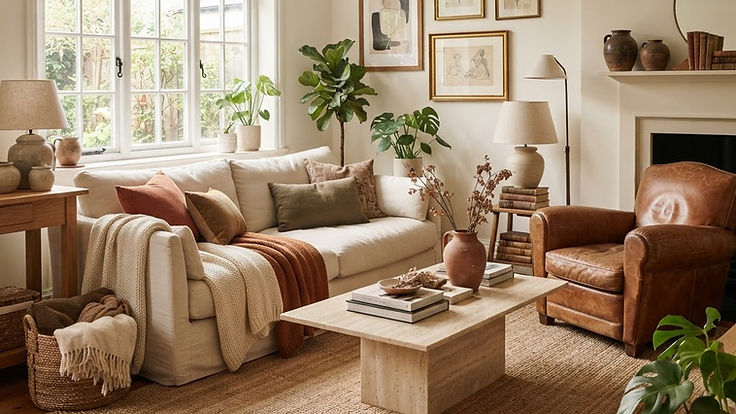
Few interior designers have shaped the way ordinary people think about their homes quite like Nate Berkus. Through years of television makeovers, books and product collections, he's championed a simple idea: a home should be warm, personal and full of things that mean something to you, rather than a showroom copied from a catalogue.
In this guide I'll share who Nate Berkus is, the key elements of Nate Berkus interior design, his best-known design advice, 13 ways to bring his style into your own home, and how his approach compares with other big names in design.
The quick answer: Nate Berkus is an American interior designer who founded his firm, Nate Berkus Associates, in 1995 and became famous as a design expert on The Oprah Winfrey Show. His style is warm, layered and collected, mixing vintage and modern pieces, high and low, natural materials and a soft, neutral palette, with personal objects, books and art that tell the story of the people who live there. His core idea is that a home should tell the story of who you are, and feel collected rather than decorated.
Who Is Nate Berkus?
According to his biography on Oprah.com, Nate Berkus founded Nate Berkus Associates in 1995, at the age of 24. In 2002 he was invited to make over a small space on The Oprah Winfrey Show, became one of its featured design experts and went on to complete 127 makeovers over nearly eight years.
Since then he has hosted his own television shows, presented design series with his husband, the designer Jeremiah Brent, launched collections of furniture, rugs, wallcoverings and home accessories, and written books, including The Things That Matter (Random House, 2012) and Foundations (Simon & Schuster).
What Is Nate Berkus's Design Style?
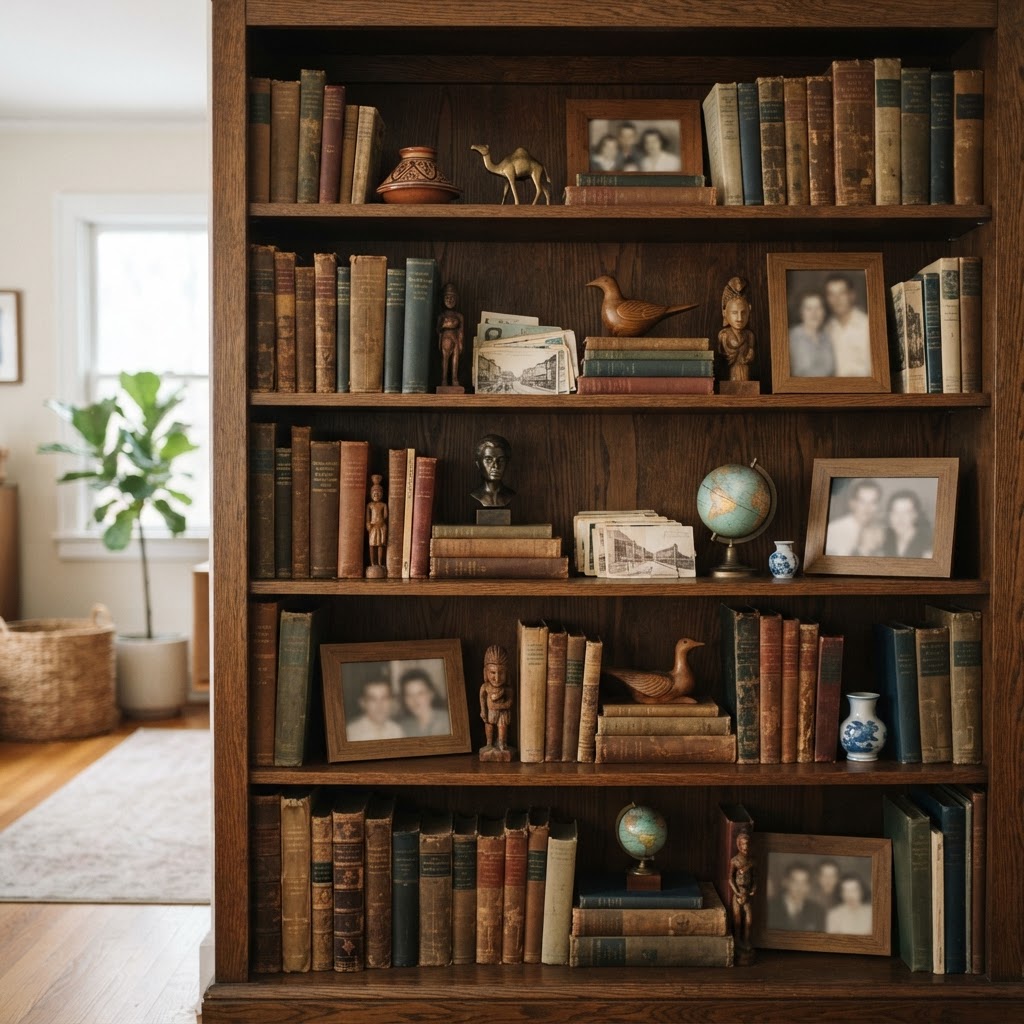
The heart of Nate Berkus interior design is the idea that your home should reflect you. Speaking to students and alumni at NYU Stern School of Business, he put it simply: "A home should tell the story of who we are." His publisher sums up the theme of The Things That Matter in the same spirit: "Our homes tell our stories, they reflect the places we've been and the people we've loved along the way."
| Element | What it looks like |
|---|---|
| Collected, not decorated | Pieces gathered over time rather than bought in one go |
| Personal objects | Travel finds, family heirlooms, books and art with a story |
| High and low | Antiques and designer pieces mixed with affordable finds |
| Old and new | Vintage furniture alongside clean, modern shapes |
| Warm neutrals | Cream, camel, stone, chocolate and black |
| Natural materials | Wood, travertine, marble, linen, wool, leather and brass |
| Layering | Rugs on rugs, stacked books, mixed textures and lamps at different heights |
| Timeless over trendy | Classic shapes and quality materials that won't date |
Nate Berkus's Best Interior Design Advice
- Surround yourself with meaning. The objects you love, and the stories behind them, matter more than following a look.
- Build your home slowly. A room gathered over time feels richer and more personal than one bought from a single shop.
- Mix high and low. One special antique or designer piece can lift a room full of affordable finds.
- Invest in the basics. A good sofa, a great rug and quality lighting are worth spending on.
- Layer textures. Linen, wool, leather, wood and stone stop a neutral room feeling flat.
- Ignore trends. Choose things because you love them, not because they're fashionable this season.
13 Ways to Get the Nate Berkus Look
1. Start with a warm neutral palette. Creams, soft whites, camel and stone create a calm backdrop that lets your objects and art shine. Warm, soft neutrals such as Edgecomb Gray or one of the best white paint colours are a good place to start.
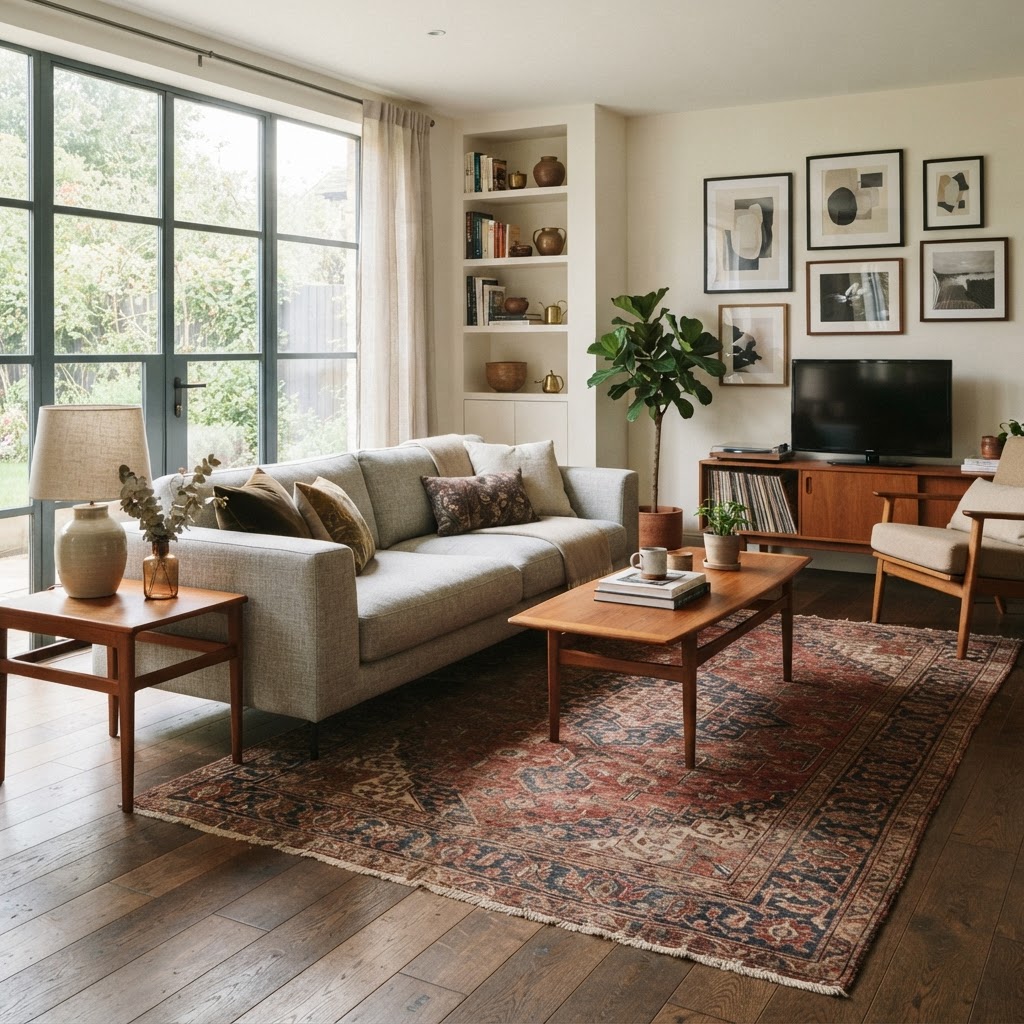
2. Mix vintage and modern furniture. Pair a clean-lined modern sofa with a vintage leather armchair, an antique sideboard or a mid-century side table. The mix is what makes a room feel collected.
3. Display things that tell your story. Travel souvenirs, family photographs, a grandparent's pottery or a piece of art from a special trip are what turn a house into a home.
4. Style shelves in layers. Combine books, ceramics, small sculptures and framed photos, and leave some space so each piece can breathe.
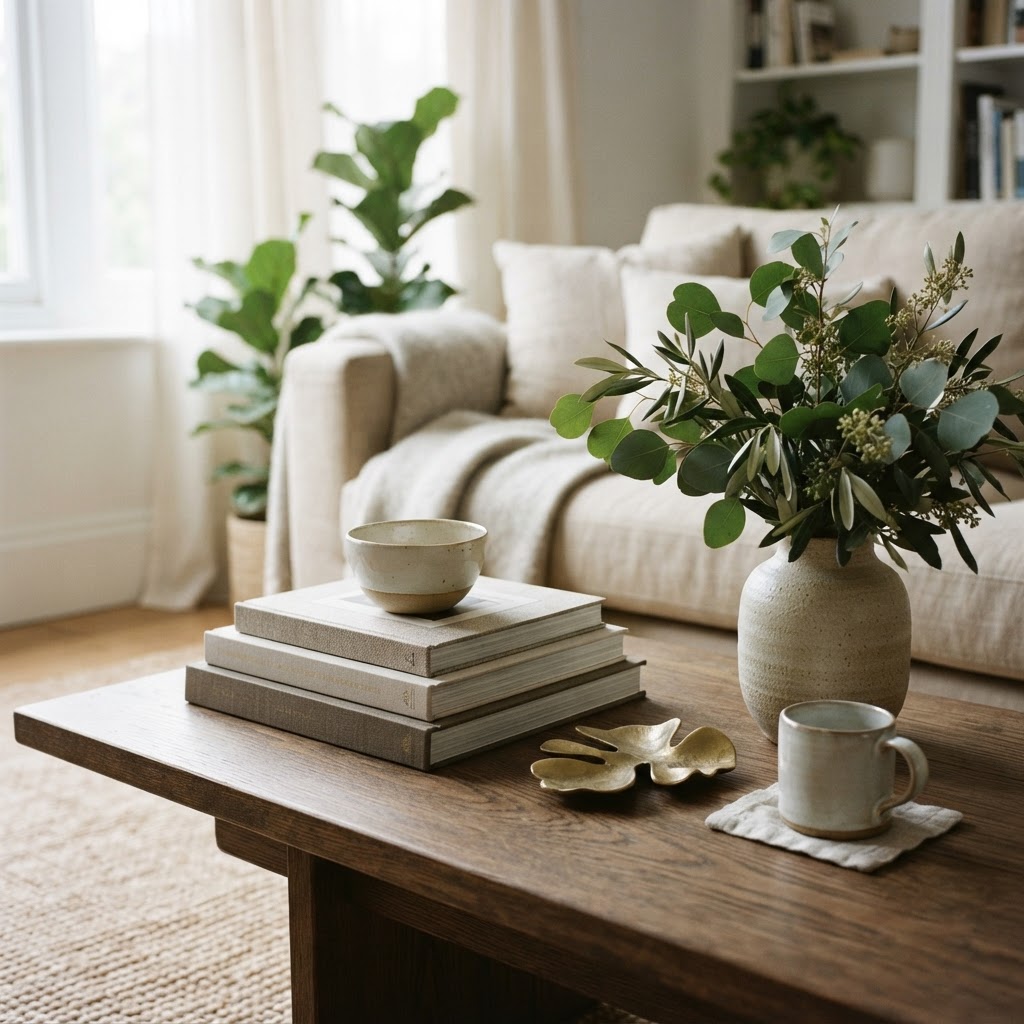
5. Stack books everywhere. Books on coffee tables, side tables and shelves add colour, height and personality.
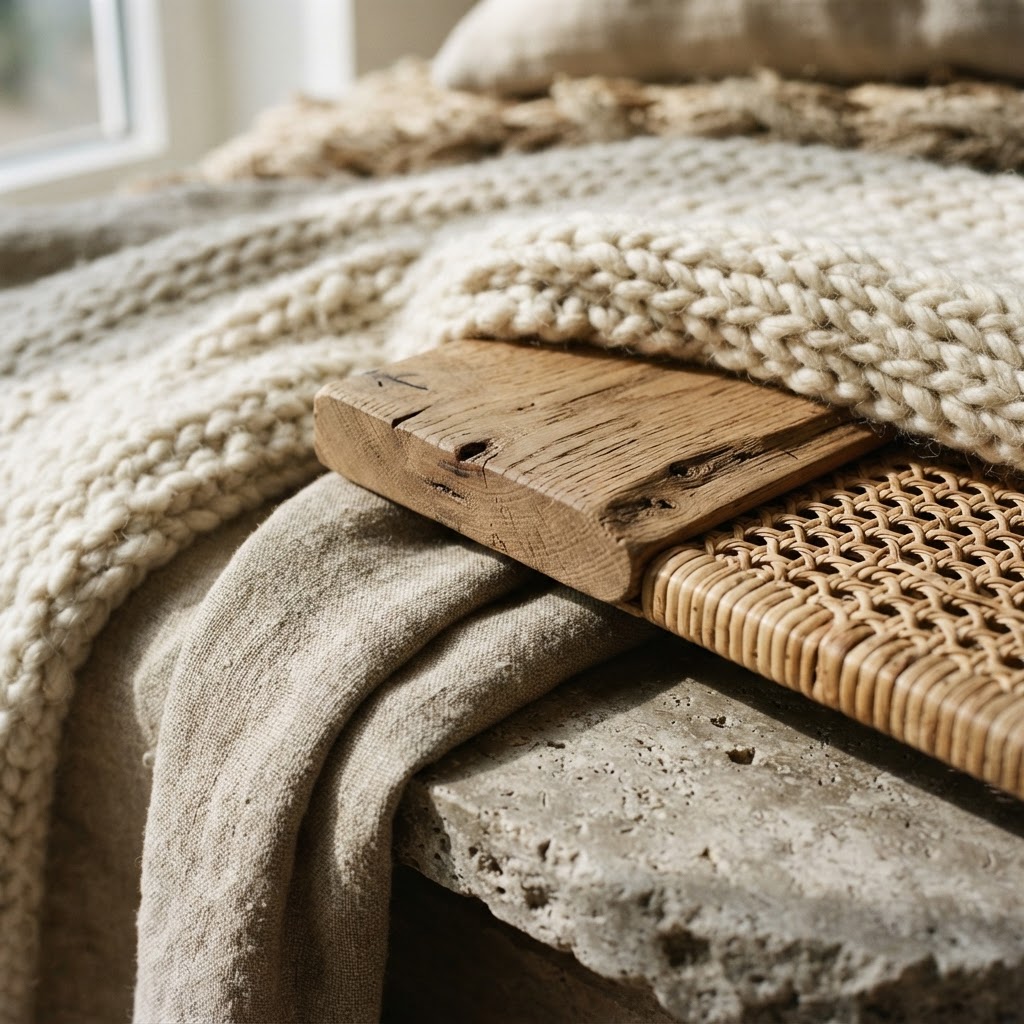
6. Choose natural materials. Travertine, marble, warm wood, brass, leather, linen and wool give rooms depth and age beautifully.
7. Layer your rugs. A vintage or Persian rug on top of a jute or sisal base adds pattern, warmth and a sense of history. There are plenty of rugs for the living room that work for layering.
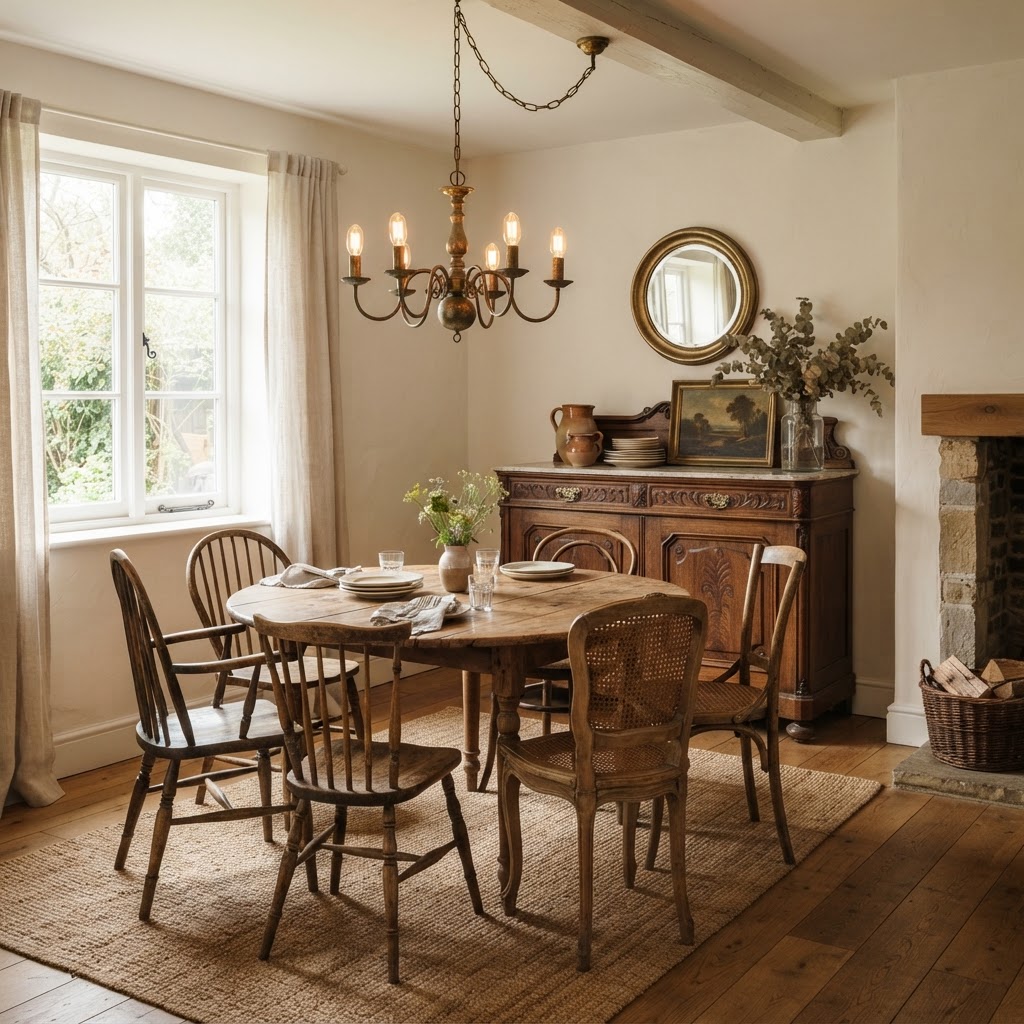
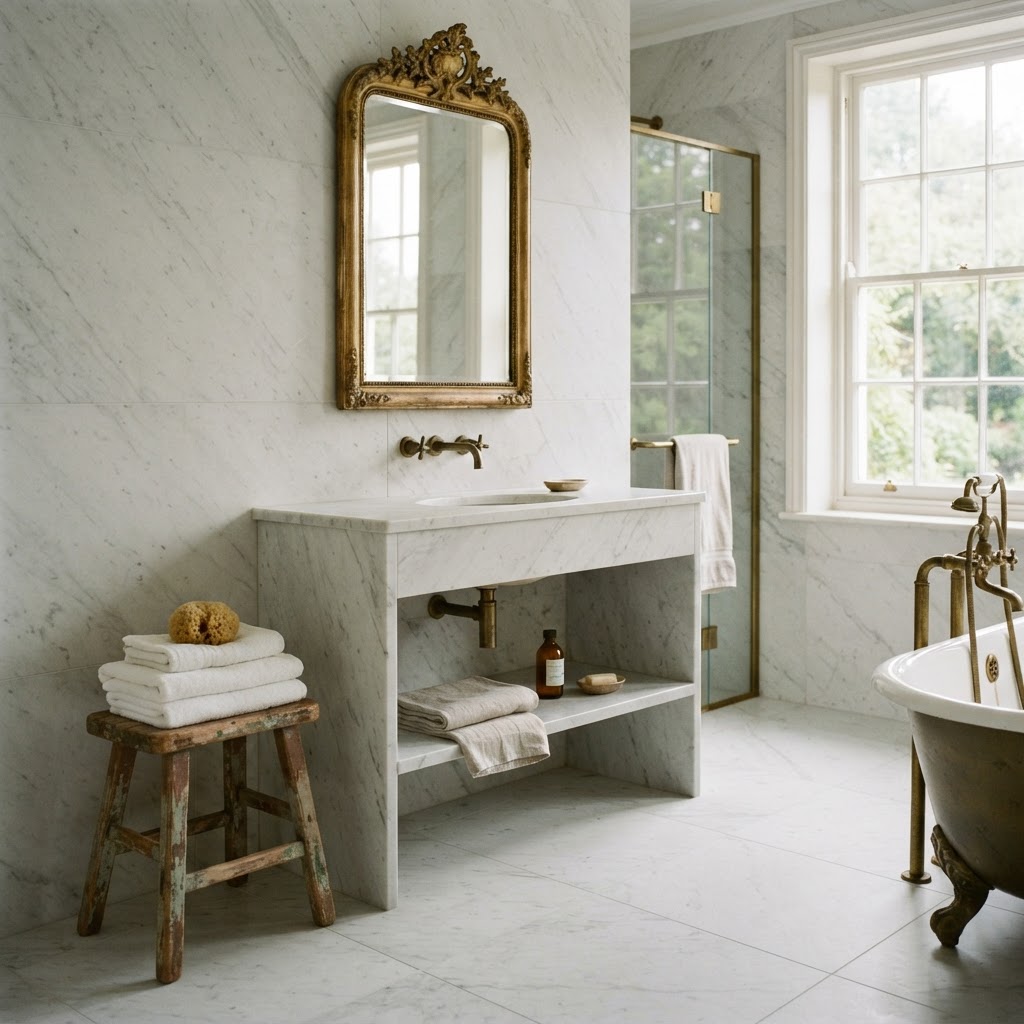
8. Bring in antiques and flea market finds. An old mirror, a vintage stool or a set of mismatched chairs adds instant character. An antiqued mirror is an easy DIY way to get the look.
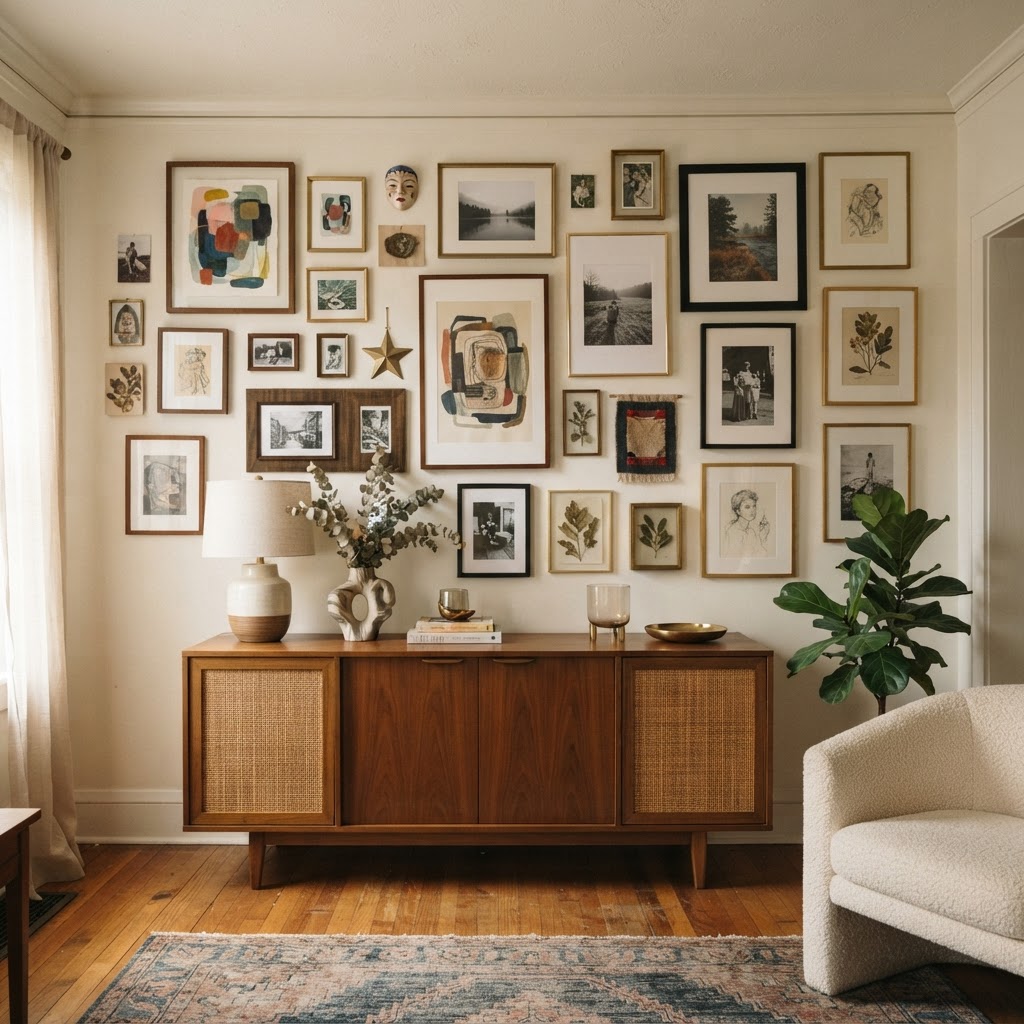
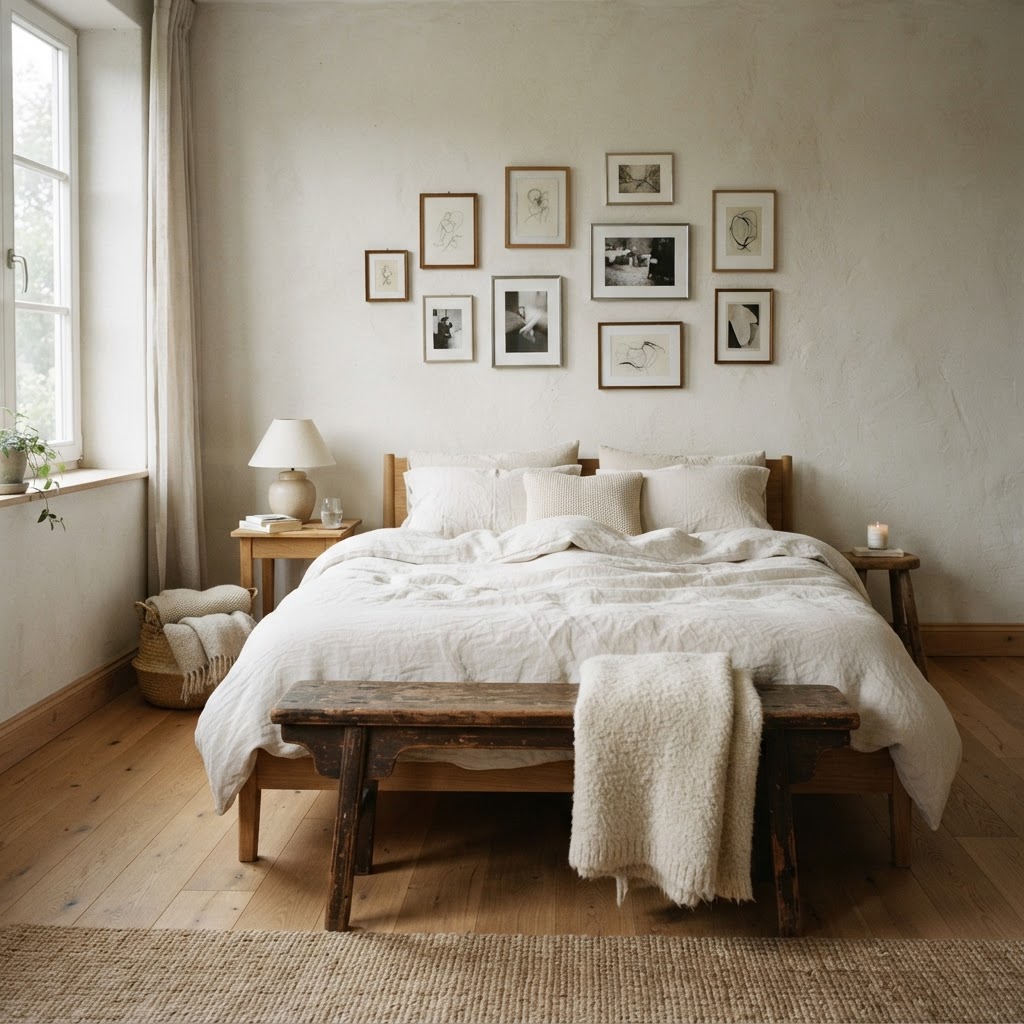
9. Create a gallery wall. Mix art, photographs and objects in different frames and sizes for a wall that grows with you. Art shapes how a home feels just as much as office artwork shapes a workplace.
10. Light every room in layers. Table lamps, floor lamps and wall lights at different heights give a warm, welcoming glow that a single ceiling light can't.
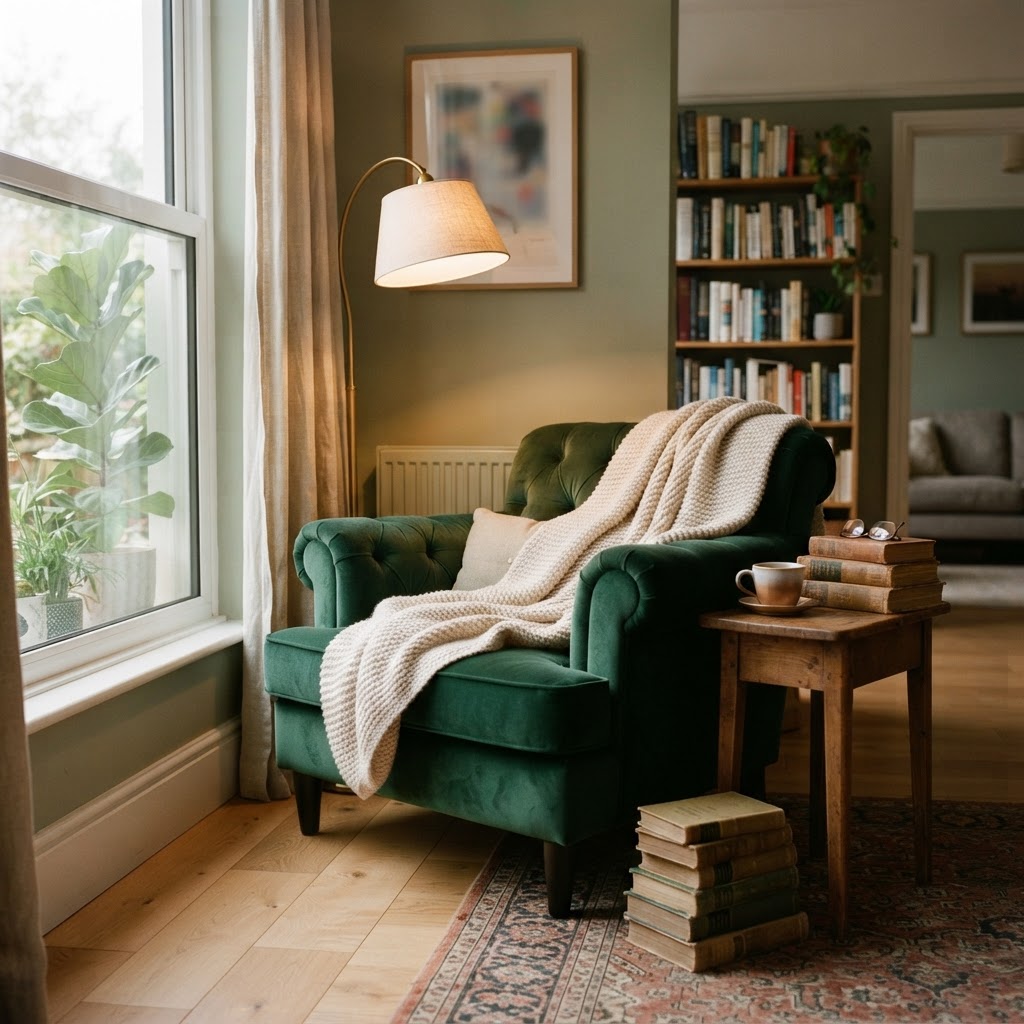
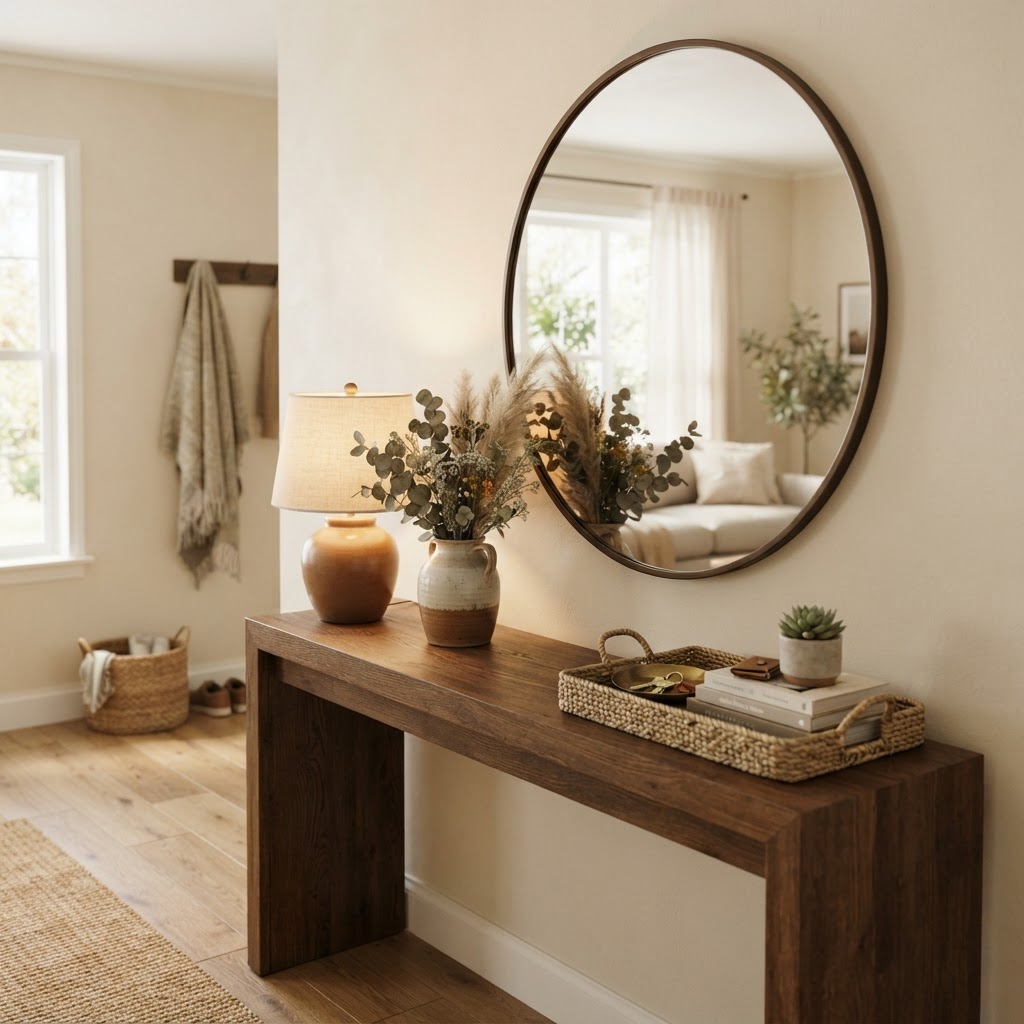
11. Make the entrance personal. A console with a mirror, a lamp, a vintage vase and a tray of small treasures makes the first thing you see feel like you. A Scandi console table or a sofa table behind the couch can be styled the same way.
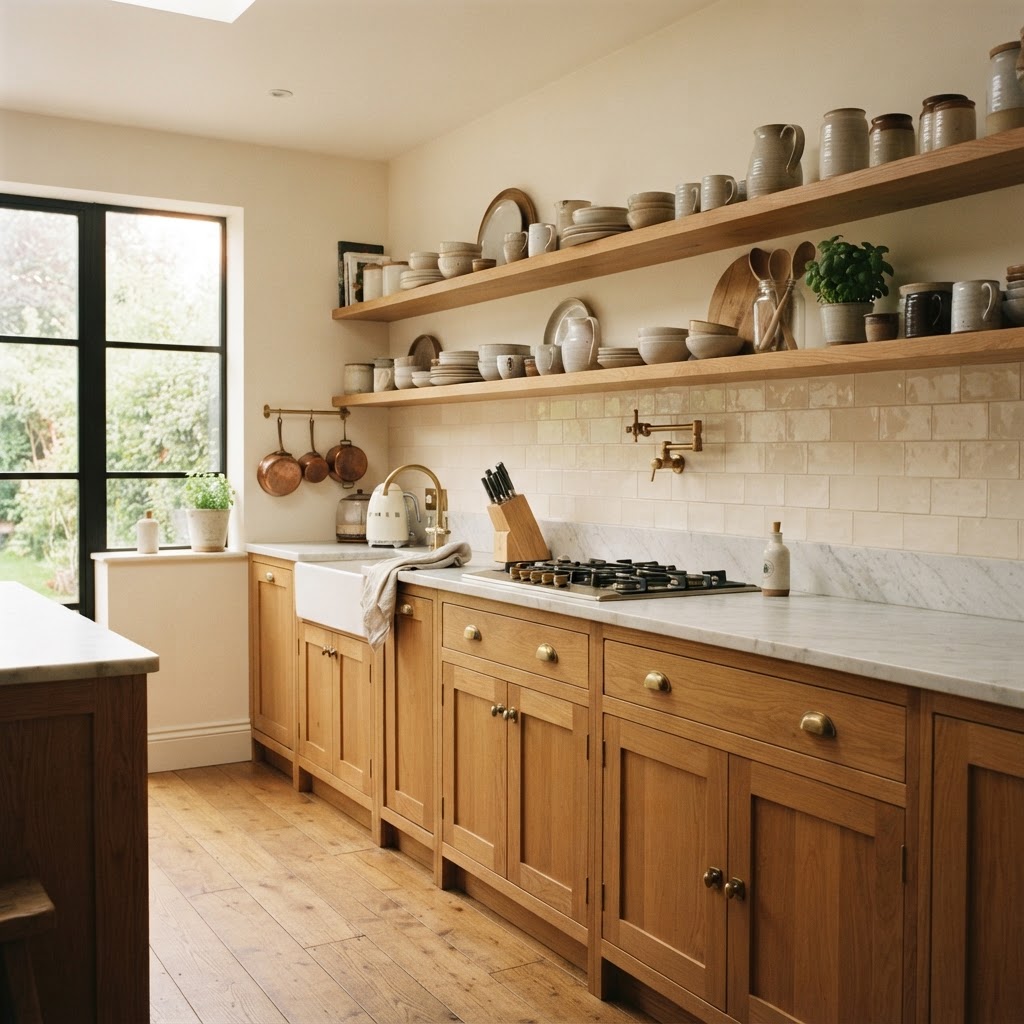
12. Keep kitchens and bathrooms warm. Warm wood, marble, brass and everyday ceramics on open shelves stop practical rooms feeling cold.
13. Choose one statement piece per room. A sculptural chair, a beautiful antique or a striking piece of art gives the eye somewhere to rest. A sculptural chair is a lovely way to do it.
Nate Berkus vs Other Designers
| Designer | Style | Feel |
|---|---|---|
| Nate Berkus | Warm, layered, collected, personal | Relaxed and timeless |
| Kelly Wearstler | Bold, sculptural, maximalist, material-led | Dramatic and artistic |
| Jeremiah Brent | Moody, romantic, modern classic | Soulful and refined |
If you love Nate Berkus's warmth but want something bolder, Kelly Wearstler's fearless mix of colour, pattern and sculptural form is the opposite end of the spectrum.
How I Use These Ideas With My Clients
After more than 15 years of designing homes, pubs and restaurants, I find the idea that a home should tell your story is the most useful starting point of all.
- I start with what clients already own. Almost everyone has a few pieces they love, and those become the anchors of the scheme.
- I mix budgets. Spending on a sofa, a rug and lighting, then saving on accessories, gives the best balance.
- I leave room to grow. Empty space on a shelf or wall is an invitation to add something meaningful later.
- I add flowers and branches. As a florist, I can't resist a vase of branches or garden flowers; it's the easiest way to make a collected room feel alive.
Common Mistakes When Copying the Look
| Mistake | Why it's a problem | What to do instead |
|---|---|---|
| Buying everything at once | The room feels staged, not collected | Add pieces gradually |
| Too many objects | The room feels cluttered | Group objects and leave breathing space |
| All new furniture | It lacks character | Mix in vintage and antique pieces |
| Cool, flat neutrals | The room feels cold | Use warm neutrals and lots of texture |
| Copying a photo exactly | It won't feel like your home | Use your own objects and stories |
Frequently Asked Questions
Who is Nate Berkus?
Nate Berkus is an American interior designer, author and television host who founded Nate Berkus Associates in 1995 and became well known as a design expert on The Oprah Winfrey Show.
What is Nate Berkus's design style?
His style is warm, layered and collected, mixing vintage and modern pieces, high and low, natural materials and warm neutrals with personal objects, books and art.
What is Nate Berkus's best design advice?
His best-known idea is that a home should tell the story of who you are, with spaces that feel collected rather than decorated.
Who is Nate Berkus married to?
Nate Berkus is married to the interior designer Jeremiah Brent.
What books has Nate Berkus written?
His books include The Things That Matter (2012) and Foundations.
How do I get the Nate Berkus look on a budget?
Start with a warm neutral palette, shop flea markets and vintage shops, layer rugs and textures, stack books and display objects that mean something to you.
What colors does Nate Berkus use?
He often uses warm neutrals such as cream, camel, stone and chocolate, with black accents and natural materials like wood, brass and travertine.
A Home That Tells Your Story
The lasting lesson of Nate Berkus interior design is that the most beautiful homes aren't copied, they're collected. Start with a warm, calm backdrop, mix old and new, layer natural textures and fill your rooms with the things that mean the most to you.
And if you'd like help creating a warm, personal home of your own, you can book a one-hour online interior design consultation with me.
About the author
Magda Callery is a UK interior designer and florist with more than 15 years' experience designing homes, pubs, restaurants and bars, and her expert commentary has featured in Homes & Gardens, The Mirror and The Spruce. Explore more of the interior design articles.
Continue reading

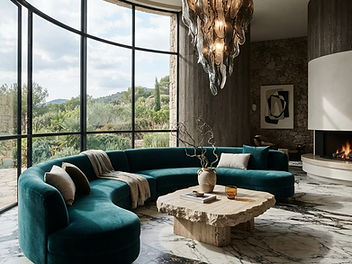
Kelly Wearstler Interior Design: Her Style and 13 Ideas
Kelly Wearstler interior design explained: who she is, her bold, sculptural style, her approach to materials, colour and lighting, and 13 ways to get the look at home.


Organic Bathroom Design: 17 Modern Organic Bathroom Ideas
Organic bathroom design explained, with natural materials, earthy colours, 17 modern organic bathroom ideas, budget tips and mistakes to avoid, plus advice from three experts.


Girls' Bedroom Ideas: 17 Ideas From Toddler to Teen
17 girls' bedroom ideas for every age, from floor beds, canopies and woodland themes to bunk beds, cabin beds and grown-up teen rooms, plus colours, planning and safety tips.