
1920s Architecture Styles: 13 Styles of the Roaring Twenties
From Art Deco and the Bauhaus to Craftsman bungalows, Tudor Revival and British interwar semis, 13 architecture styles of the 1920s, how to recognise a 1920s house and how to bring the style home.
By Magda Callery, interior designer and florist

The 1920s were one of the most exciting decades in the history of architecture. After the First World War, cities boomed, cars opened up new suburbs, and architects experimented with steel, concrete and glass. On one street you'd find a glamorous Art Deco cinema, on the next a cosy Craftsman bungalow, a storybook Tudor Revival house or a whitewashed Spanish villa, while in Europe a few daring architects were inventing modernism.
In this guide I'll share 13 architecture styles of the 1920s, from Art Deco and Bauhaus to the house styles that filled the suburbs in America and Britain, how to recognise a 1920s house, and how to bring the style of the Roaring Twenties into your own home.
The quick answer: the main architecture styles of the 1920s were Art Deco, early modernism and the Bauhaus, Expressionism and Gothic or classical skyscrapers in the cities, and a wave of revival styles for homes: Craftsman bungalows, American Foursquares, Tudor Revival, Colonial Revival, Dutch Colonial Revival, Spanish Colonial Revival and Mediterranean Revival. In Britain, the decade is best known for interwar semi-detached houses with bay windows and mock Tudor gables.
What Did Architecture Look Like in the 1920s?
The 1920s were a decade of contrasts. City architecture looked forward, with soaring skyscrapers, bold geometric ornament and new building technology. Home architecture mostly looked back, as families in the new suburbs chose romantic revival styles that felt comforting and familiar. New materials such as reinforced concrete and steel windows, along with electric lighting and modern bathrooms, changed how houses were built and lived in.
| Style | Where it was popular | Key features |
|---|---|---|
| Art Deco | Cities worldwide | Geometric ornament, vertical lines, stepped setbacks |
| Bauhaus and modernism | Germany, France, the Netherlands | Flat roofs, white walls, ribbon windows |
| Craftsman bungalow | United States | Low roof, deep porch, tapered columns |
| Tudor Revival | United States and Britain | Steep gables, half-timbering, tall chimneys |
| Spanish Colonial Revival | California, Florida, the Southwest | White stucco, red tile roof, arches |
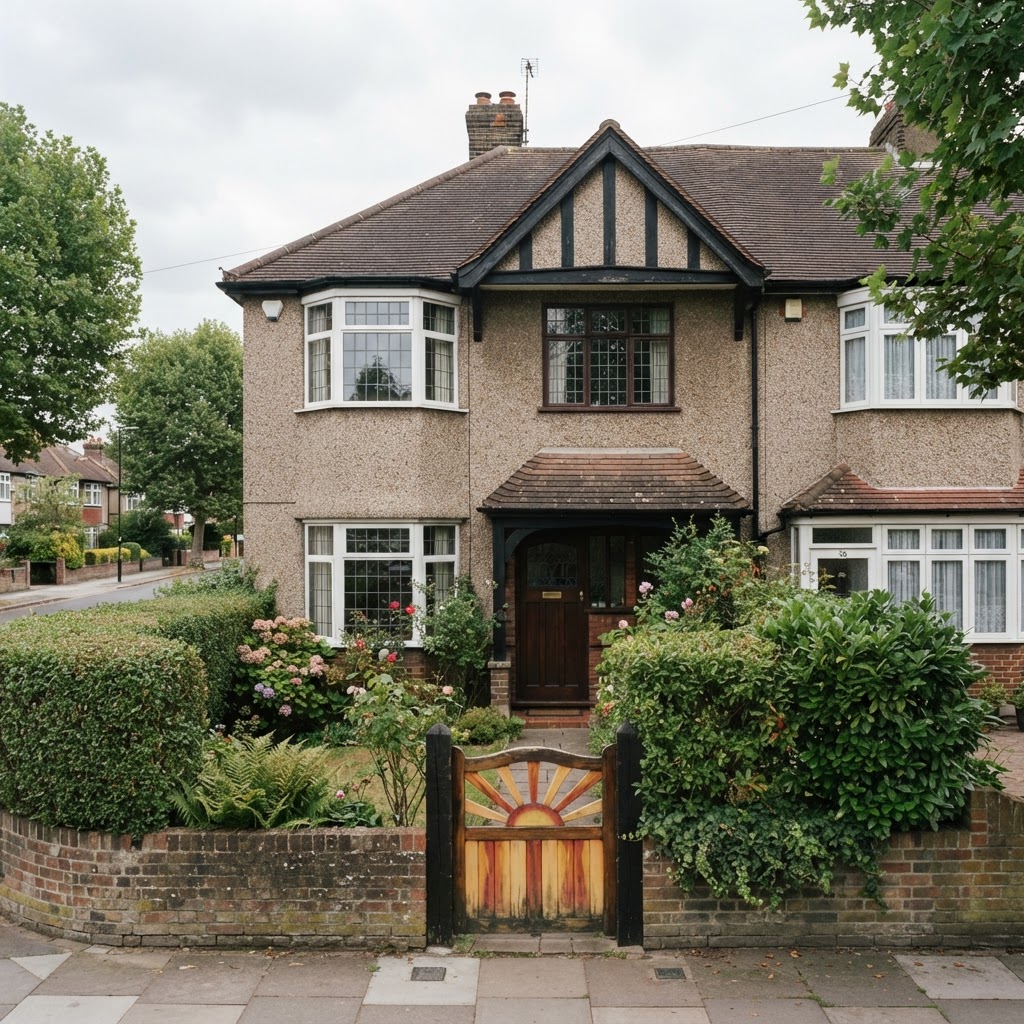
| Interwar semi | Britain | Bay windows, hipped roofs, mock Tudor gables |
13 Architecture Styles of the 1920s
City and modern styles
1. Art Deco. The defining style of the Jazz Age, Art Deco combined geometric patterns, sunbursts, zigzags, stepped forms and luxurious materials. Oxford's Department for Continuing Education notes, in its course on Art Deco in 1925 Paris, that "the name Art Deco was coined much later" and that "it originated from the Exposition internationale des arts decoratifs et industriels modernes held in Paris in 1925." The style "embraced clean lines, shiny surfaces, and a celebration of the modern industrial age."
2. Bauhaus and early modernism. The Bauhaus school, founded in Germany in 1919, and architects such as Le Corbusier rejected ornament altogether. Their white, flat-roofed buildings with ribbon windows and open plans laid the foundations for modern architecture.
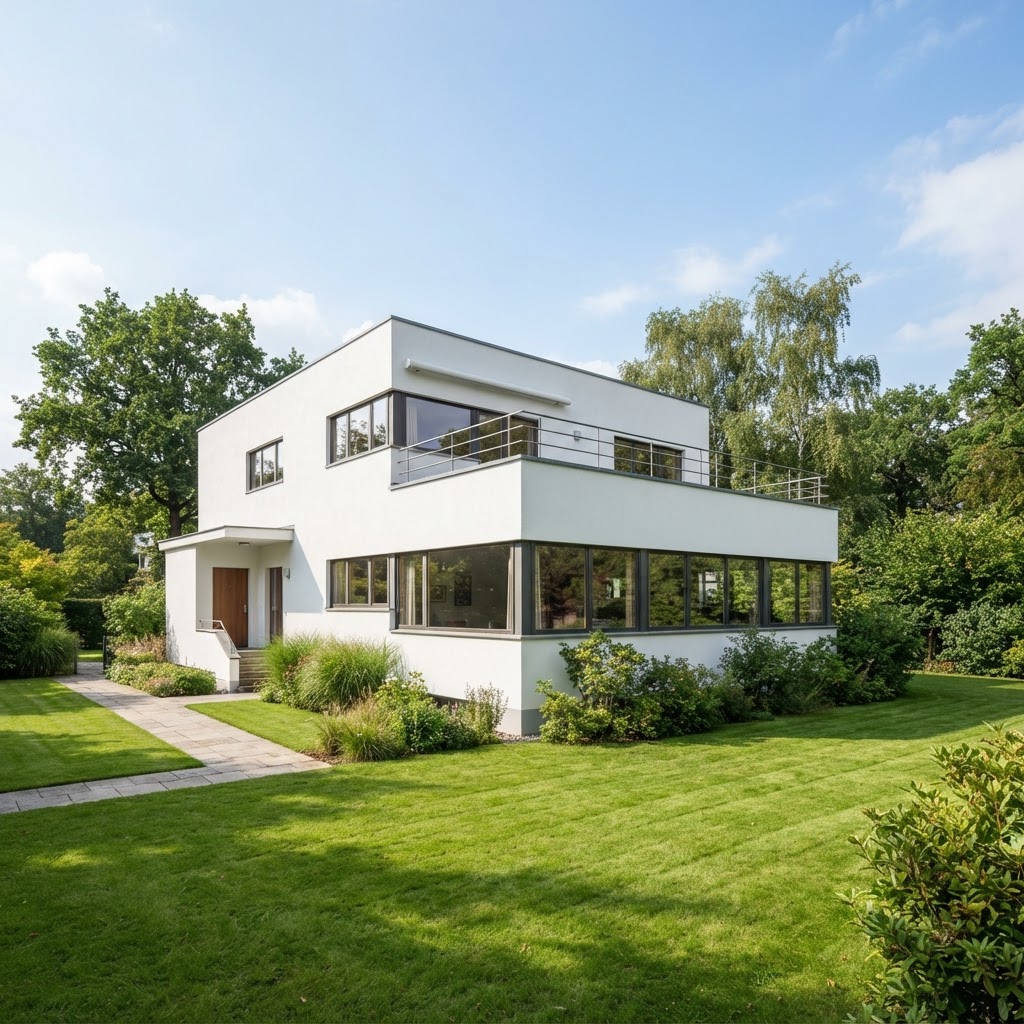
3. Expressionism. In Germany and the Netherlands, Expressionist architects shaped brick and concrete into dramatic, sculptural curves. The Amsterdam School's housing blocks, with their rippling brickwork, are some of the most playful buildings of the decade. Decades later, the same love of sculptural concrete resurfaced in Soviet brutalist architecture.
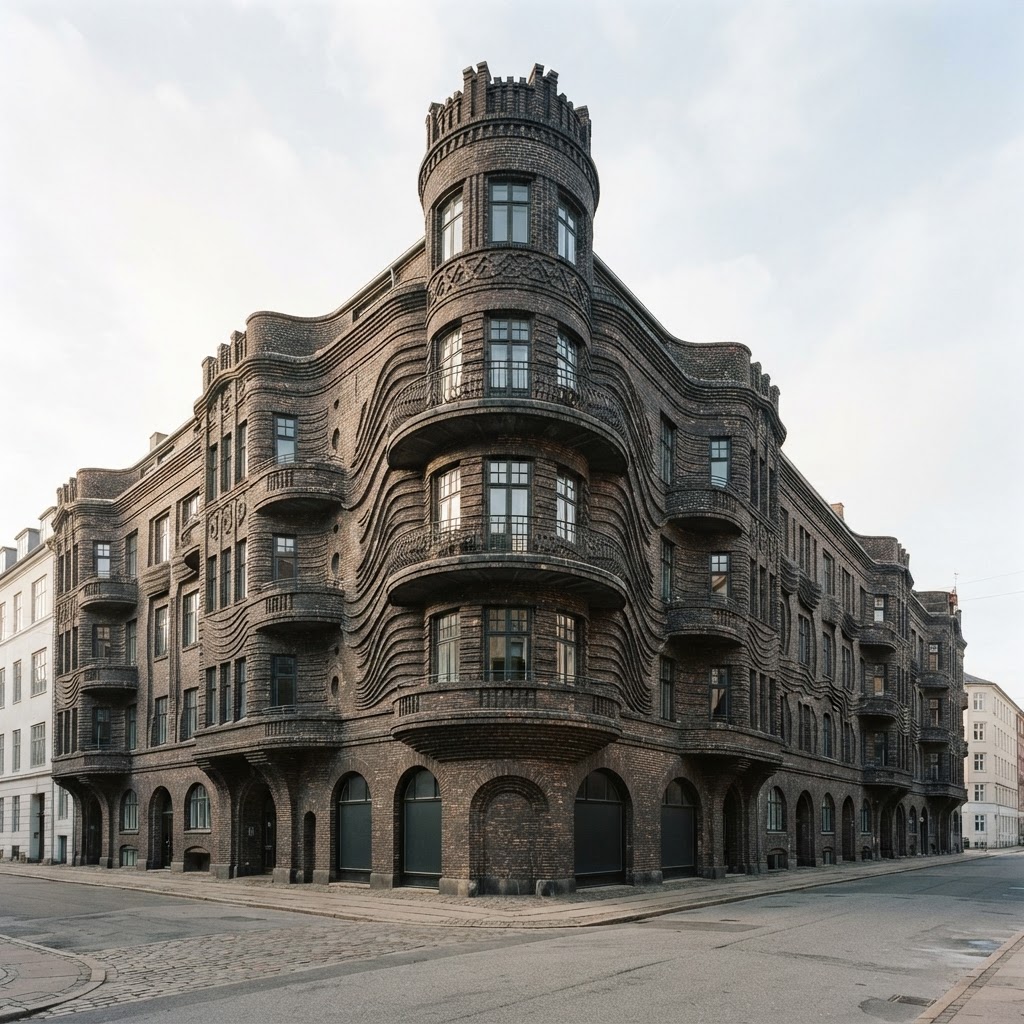
4. Gothic and classical skyscrapers. Many American skyscrapers of the early 1920s wore historic dress, from soaring Gothic towers to classical columns and cornices, before Art Deco took over at the end of the decade.
1920s home styles in America
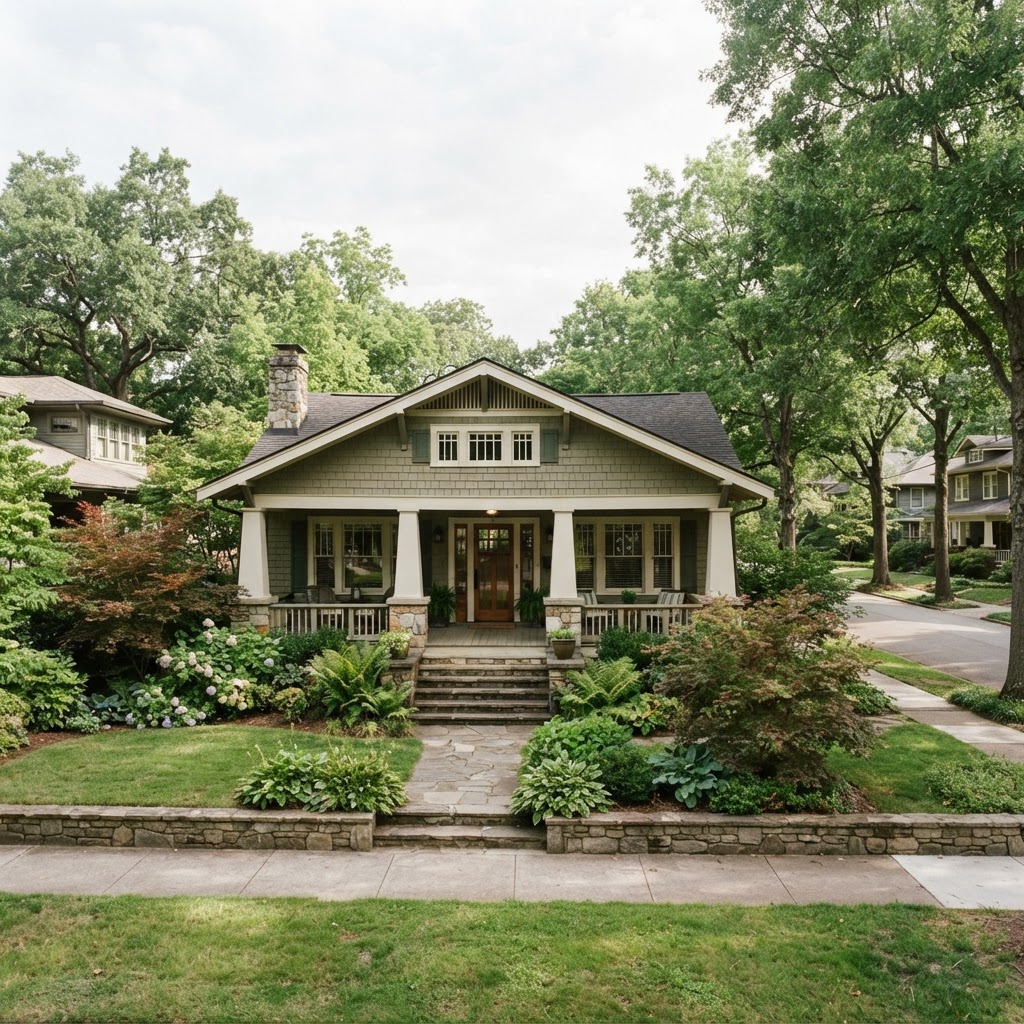
5. Craftsman bungalow. The most popular small house of the early 20th century, the Craftsman bungalow has a low-pitched roof with deep eaves, a generous front porch with tapered columns, and a cosy interior full of built-in furniture.
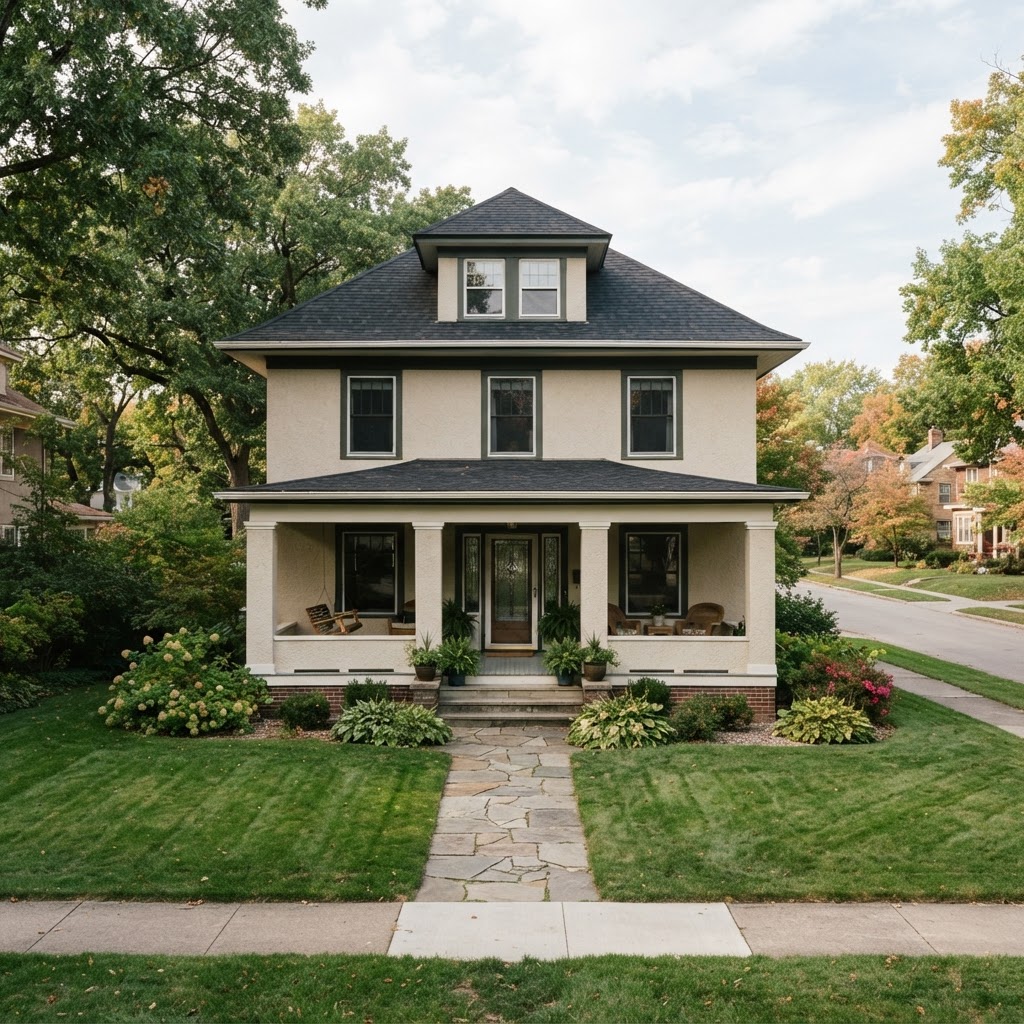
6. American Foursquare. A practical, boxy two-storey house with a hipped roof, a central dormer and a wide front porch. Many were sold as mail-order kit homes and assembled by local builders.
7. Tudor Revival. Steep, overlapping gables, decorative half-timbering, brick or stone walls, tall chimneys and leaded windows gave Tudor Revival houses a storybook, English cottage charm. It's a style that also echoes the grand manor house.
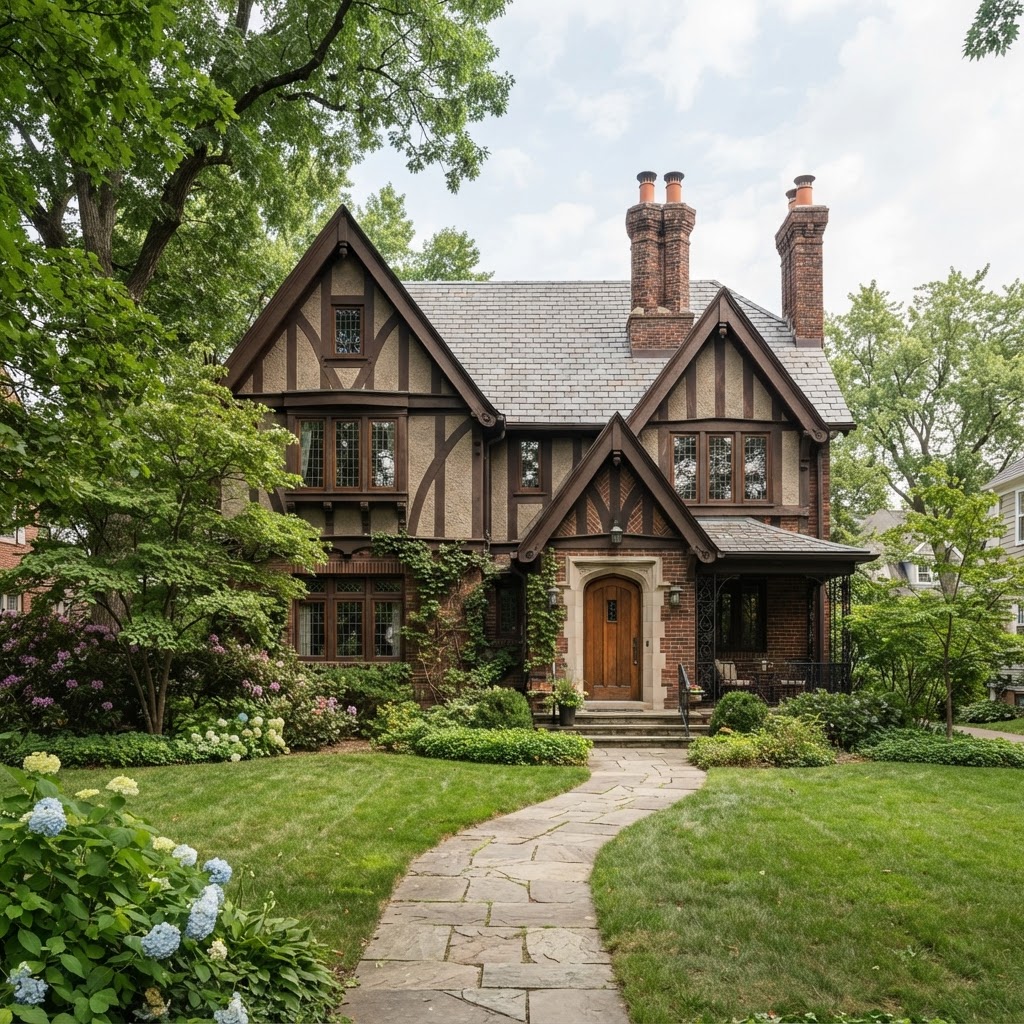
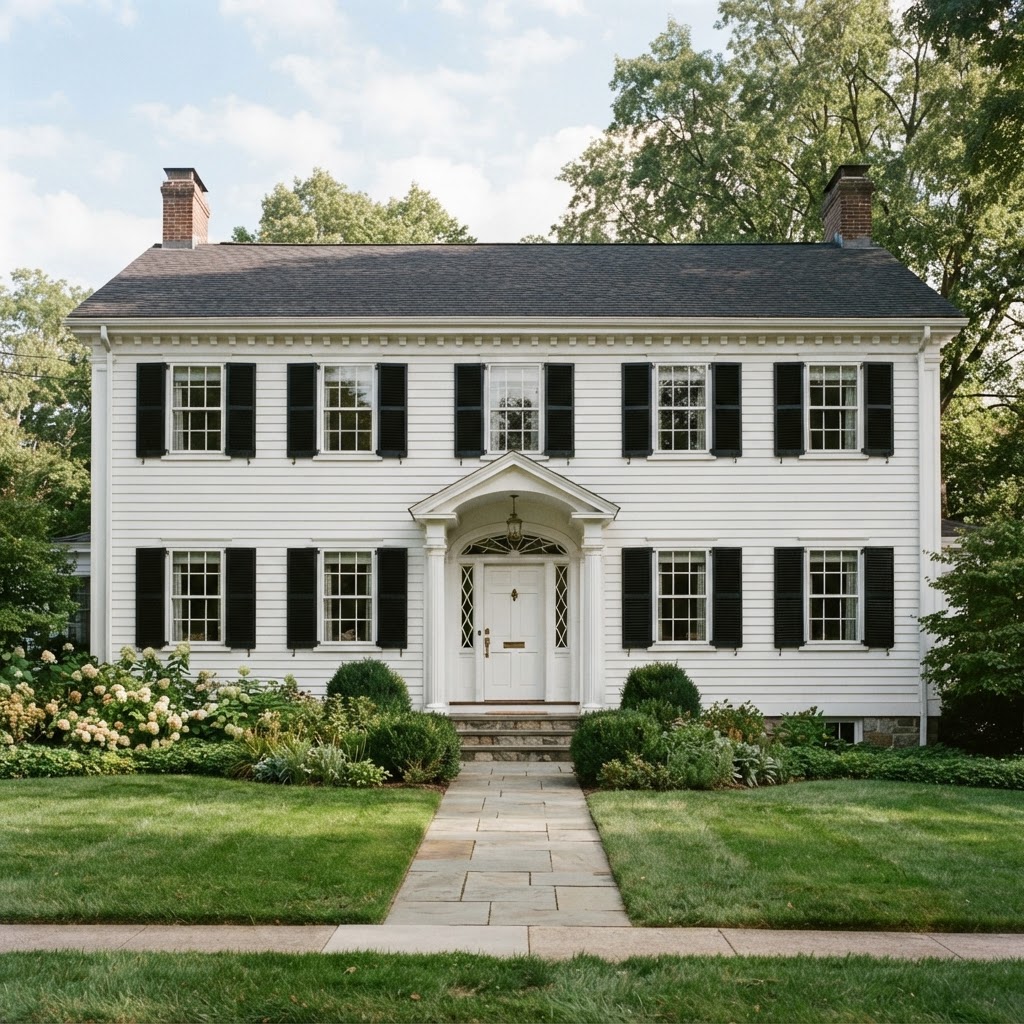
8. Colonial Revival. Symmetrical, elegant and traditional, with a central front door, a small portico, multi-paned sash windows and shutters. It's America's take on the Georgian house, and its classic proportions suit a Georgian hallway inside.
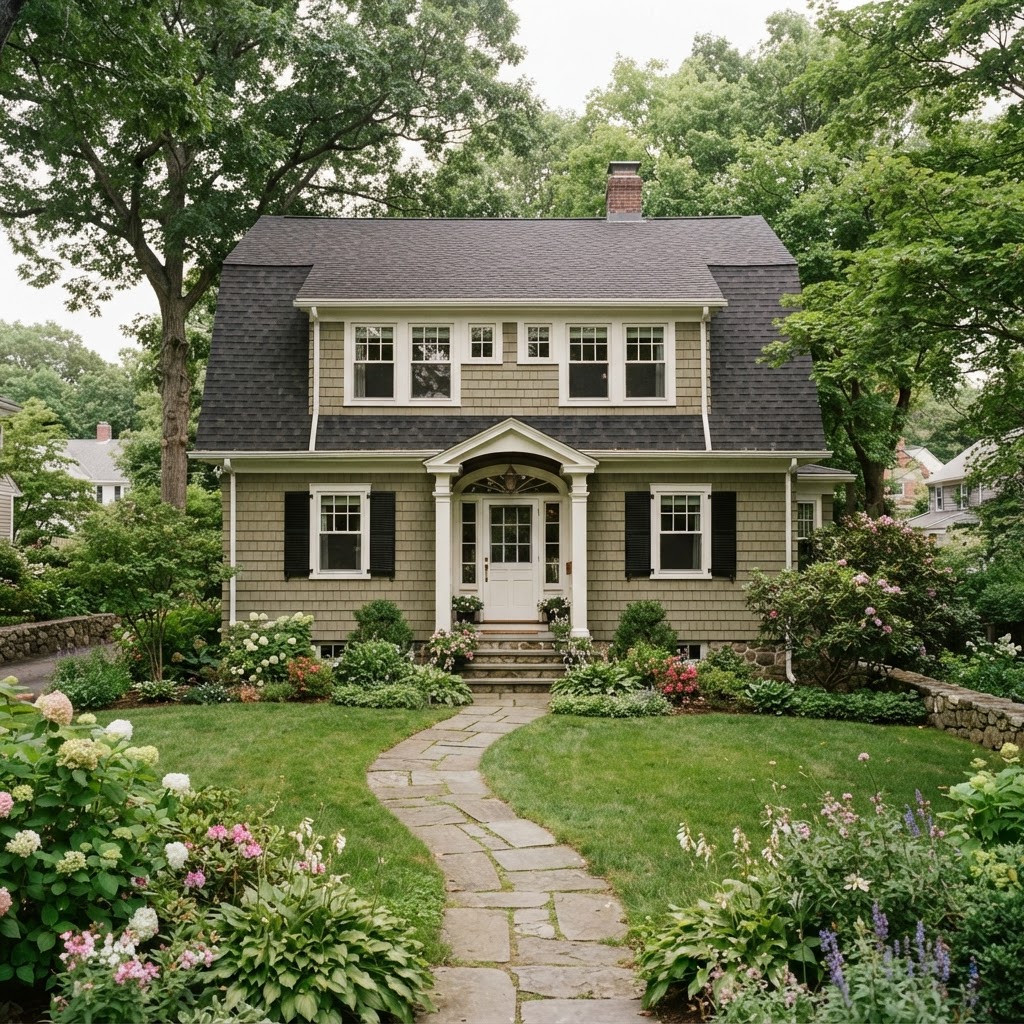
9. Dutch Colonial Revival. Easy to spot by its gambrel roof, which has two slopes on each side, creating a roomy upper floor with long dormers.
10. Spanish Colonial Revival. White stucco walls, red clay tile roofs, arched windows and doors, wrought iron grilles and courtyards. It swept through California, Florida and the Southwest in the 1920s, and its warm, rustic feel lives on in Spanish bedroom ideas.
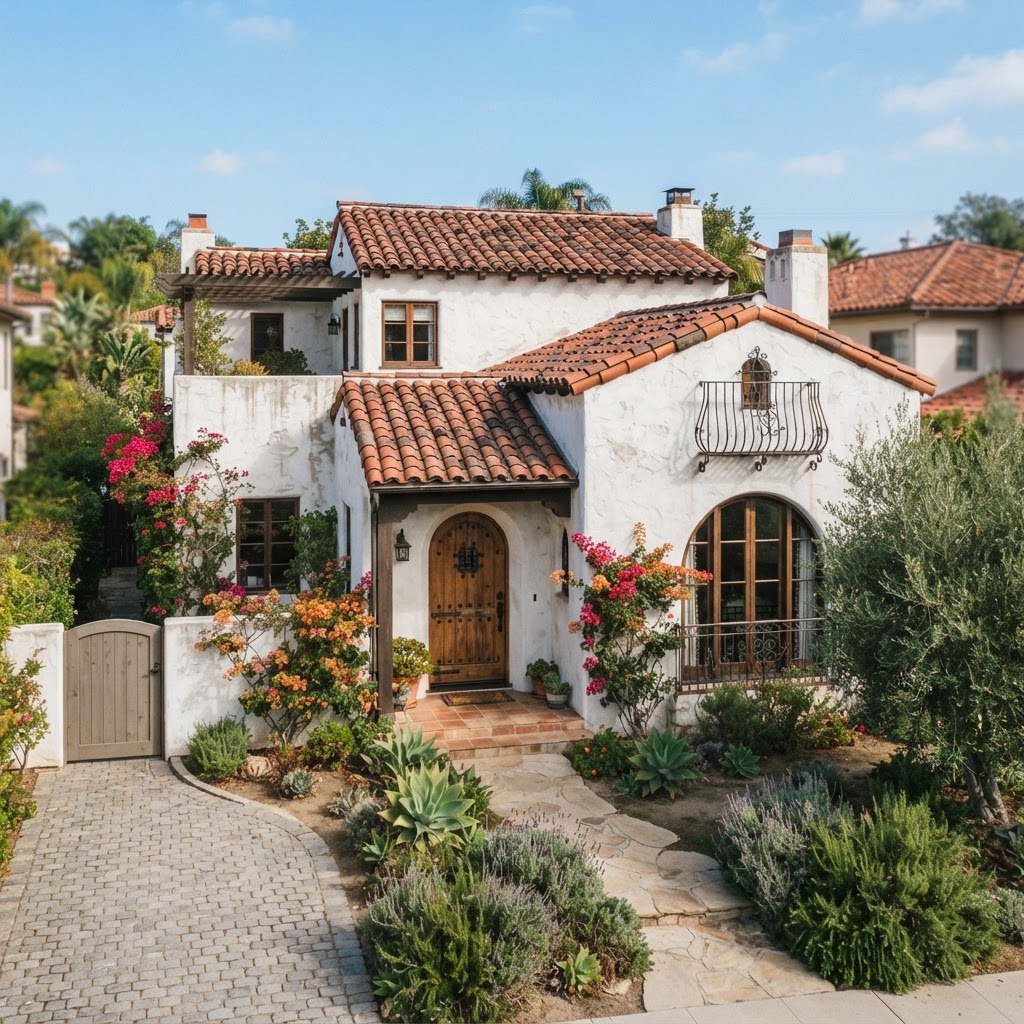
11. Mediterranean Revival. Grand villas with stucco walls, tiled roofs, loggias, balconies and lush gardens, inspired by Italy and Spain. The style was especially popular during Florida's 1920s land boom.
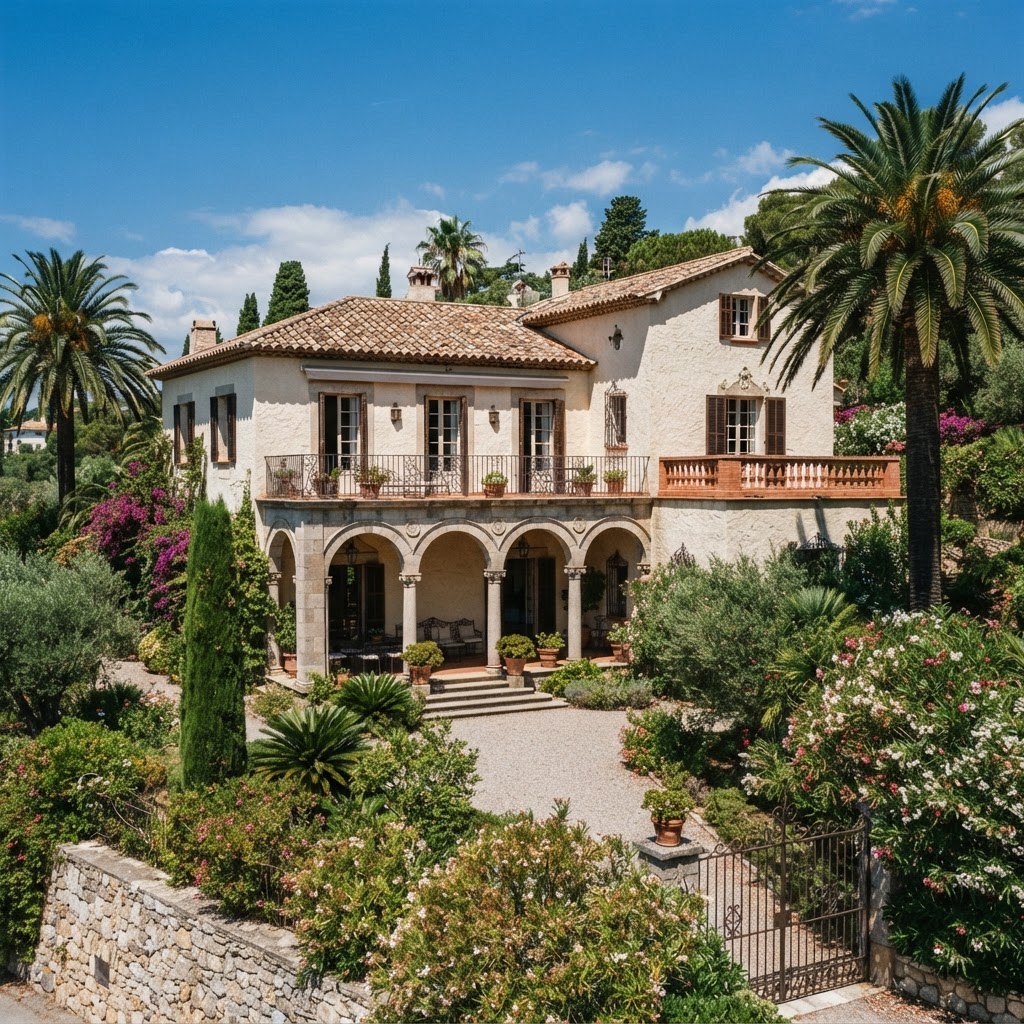
12. Prairie style. Developed in the Midwest before the First World War, Prairie houses have long, low horizontal lines, wide overhanging eaves and bands of windows. The style was fading by the 1920s but still influenced many suburban homes.
1920s homes in Britain
13. The interwar semi. The semi-detached house is Britain's great 1920s and 1930s home. The Historic England blog's brief introduction to semi-detached housing notes that "tens of thousands of builders constructed around 3 million semi-detached houses in Britain" between the wars. Typical features include bay windows, hipped roofs, pebbledash, mock Tudor gables, stained glass and sunrise motifs on gates and front doors.
How to Identify a 1920s House
- Look at the roof. Low and deep for a bungalow, steep and gabled for Tudor Revival, a gambrel for Dutch Colonial, tiled for Spanish Revival, hipped for a Foursquare or a British semi.
- Check the windows. Leaded lights, multi-paned sashes, stained glass panels, steel windows or bay windows are all typical.
- Notice the porch. Deep porches with tapered columns suggest a Craftsman house; a small classical portico suggests Colonial Revival.
- Look for details. Sunburst motifs, half-timbering, decorative brickwork, built-in cupboards and original tiled fireplaces are all clues.
- Check local records. Planning records, old maps and local history societies can usually date a house accurately.
How to Bring 1920s Style Into Your Home
You don't need to live in a 1920s house to enjoy its style. Art Deco interiors are glamorous and graphic, while the decade's revival styles feel warm and traditional.
- Use geometric patterns. Fan, sunburst and chevron motifs on wallpaper, tiles and textiles instantly suggest the 1920s, and bold Deco prints are among the most striking wallpaper ideas.
- Add brass, glass and velvet. A sunburst mirror, fluted glass lamps and a velvet armchair bring Jazz Age glamour.
- Choose rich colours. Deep green, navy, jade, black and gold, softened with cream and mustard, suit Art Deco schemes.
- Try steel-framed glass. Black steel doors and windows, like many modern sliding doors, echo 1920s factory and modernist design.
- Bring in curves. Rounded sofas, curved bar cabinets and a sculptural chair suit both Art Deco and early modern style.
- Take inspiration from Paris. The bentwood chairs, mirrors and marble tables of French cafe interior design are pure 1920s Paris.
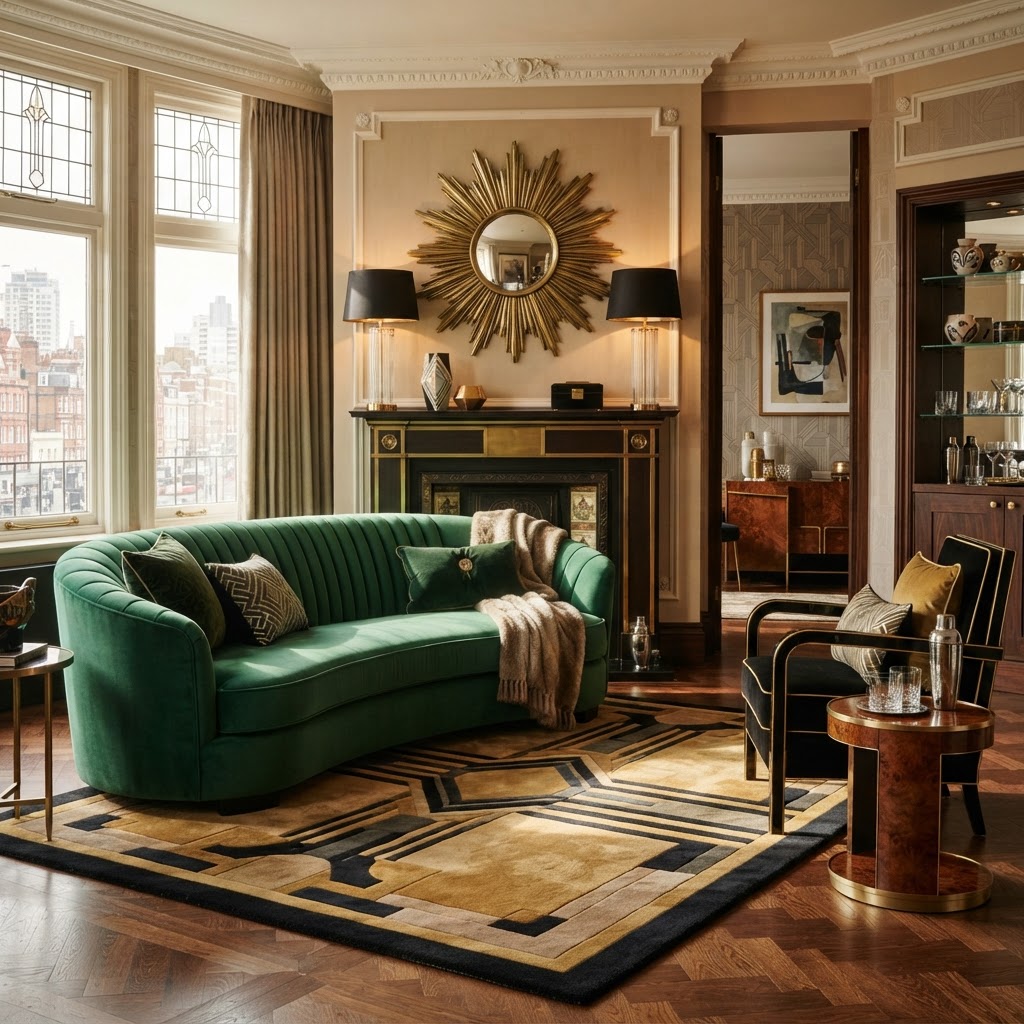
If you love the period, the slightly earlier Edwardian interior design style is a natural partner, and 1920s styles sit within a long, fascinating history of types of architecture. Interwar modernism also left a remarkable legacy across Europe, including in Polish architecture.
Common Mistakes When Renovating a 1920s House
| Mistake | Why it's a problem | What to do instead |
|---|---|---|
| Removing original windows | Loses character and value | Repair or copy the original style |
| Painting over brick or half-timbering | Hard to reverse and can trap damp | Clean and repair instead |
| Ripping out fireplaces and built-ins | They're key period features | Restore and reuse them |
| Mixing too many styles | The house loses its identity | Respect the original style |
| Using cement on old brick | It can damage softer bricks | Use lime-based mortars where appropriate |
| Over-modernising the facade | The street loses its harmony | Keep changes to the back or inside |
Frequently Asked Questions
What was the architectural style of the 1920s?
There wasn't just one. Art Deco and early modernism dominated new city buildings, while homes were built in revival styles such as Craftsman, Tudor Revival, Colonial Revival and Spanish Colonial Revival.
What is a 1920s house called?
It depends on the style and the country. In America, common 1920s houses include Craftsman bungalows, American Foursquares and Tudor Revival houses. In Britain, most are interwar semi-detached houses.
What did 1920s houses look like?
Many had bay windows, porches, gabled or hipped roofs, leaded or stained glass, built-in cupboards and tiled fireplaces, with modern bathrooms and electric lighting inside.
When did Art Deco start?
The style grew in the years after the First World War and takes its name from the 1925 Paris Exposition of decorative and industrial arts. It remained popular through the 1930s.
What is the difference between Art Deco and Art Nouveau?
Art Nouveau, popular around 1890 to 1910, used flowing, organic curves inspired by nature. Art Deco replaced them with crisp geometric shapes, straight lines and a celebration of the machine age.
Were Craftsman houses built in the 1920s?
Yes. Craftsman bungalows were hugely popular in the 1910s and 1920s and are one of the most common house styles of the decade in the United States.
What is a 1920s semi-detached house?
A pair of houses joined by a shared wall, built in their millions in Britain between the wars, usually with bay windows, a front garden and a long back garden.
A Decade That Still Shapes Our Homes
The 1920s gave us glamorous Art Deco, the first modernist houses and the cosy suburban homes so many people still live in today. Whether you love geometric glamour or storybook gables, there's a 1920s style to inspire every home.
And if you'd like help bringing period character into your home, you can book a one-hour online interior design consultation with me.
About the author
Magda Callery is a UK interior designer and florist with more than 15 years' experience designing homes, pubs, restaurants and bars, and her expert commentary has featured in Homes & Gardens, The Mirror and The Spruce. Explore more of the interior design articles.
Continue reading

Soviet Brutalist Architecture: 17 Iconic Examples
What Soviet brutalist architecture is, why the Soviets built in concrete, 17 iconic examples from Kyiv to Tbilisi and Katowice, and memories of growing up among the blocks in communist Poland.


White Bed Furniture: 17 Ways to Style a White Bedroom
How to style white bed furniture: 17 ideas for walls, bedding and accents, the colours that suit white bedroom furniture best, the main styles, and how to keep it looking fresh.


Modern Sliding Doors: 17 Sliding Door Ideas for Every Room
From pocket doors and barn doors to steel-framed glass, wardrobe and patio doors, 17 modern sliding door ideas for every room, how the main types compare and how to choose the right one.