
Gothic Style Windows: History, Types and Home Ideas
What Gothic style windows are, 11 types from lancets and tracery to rose windows and Gothic Revival, and how to bring pointed arches into your own home.
By Magda Callery, interior designer and florist
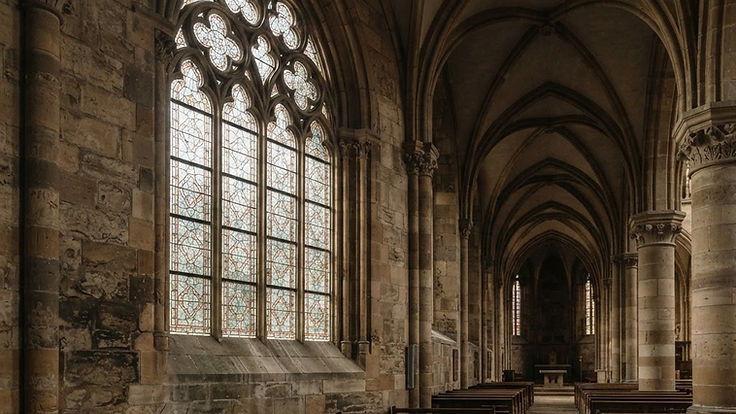
Few architectural details are as instantly recognisable as a Gothic window. The tall pointed arch, the delicate stone tracery and the glowing stained glass have been lifting people's eyes and spirits for almost 900 years, from medieval cathedrals to Victorian villas and today's modern homes with dramatic arched windows.
In this guide I'll share what Gothic style windows are, 11 types of Gothic window from simple lancets to rose windows and Gothic Revival designs, how Gothic architecture came to be, and how to bring a touch of Gothic style into your own home without it feeling like a castle.
The quick answer: Gothic style windows are windows with a pointed arch at the top, usually divided by stone or wooden tracery and often filled with stained glass. The main types are lancet windows, plate tracery, bar tracery, geometric and curvilinear tracery, Perpendicular windows, rose windows and ogee-arched windows. The style began in 12th-century France, was revived in the 18th and 19th centuries as Gothic Revival, and lives on today in arched windows, mirrors and doorways.
What Are Gothic Windows?
Gothic architecture developed in France in the 12th century and spread across Europe over the following 400 years. Its builders discovered that pointed arches, ribbed vaults and flying buttresses could carry the weight of the roof, so walls no longer had to be thick and solid. That freed them to fill walls with huge, tall windows of coloured glass.
An open art history textbook from VIVA, Virginia's academic library consortium, defines the key terms in its glossary of Gothic and late medieval art:
| Term | Definition |
|---|---|
| Pointed arch | "An arch that features a pointed apex instead of being rounded like a typical Roman arch" |
| Lancet | "A tall, narrow window with a pointed arch at the top" |
| Tracery | "Ornamental stonework that supports the glass in a Gothic window" |
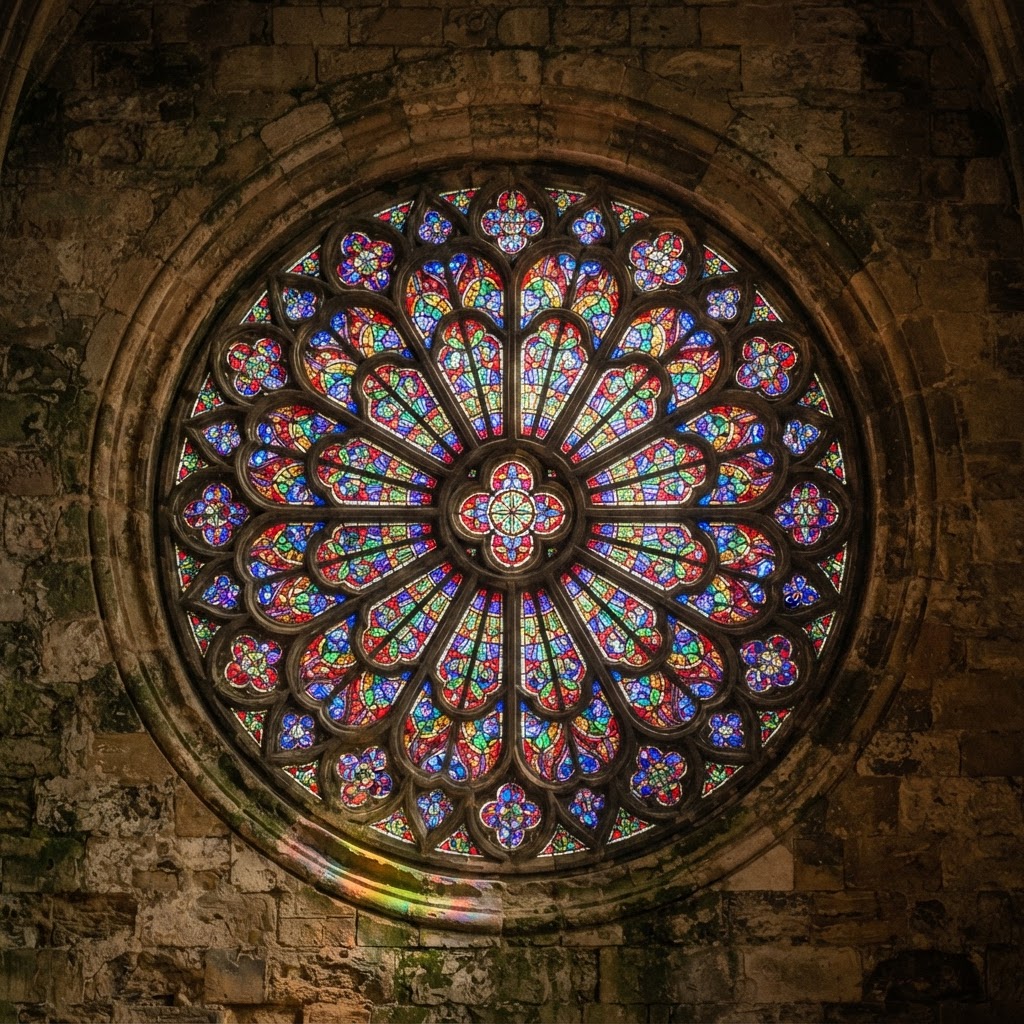
| Rose window | "A stained glass circular window with a radiating design suggestive of a rose" |
| Stained glass | "Decorative glass consisting of colored pieces fastened together, usually with strips of lead" |
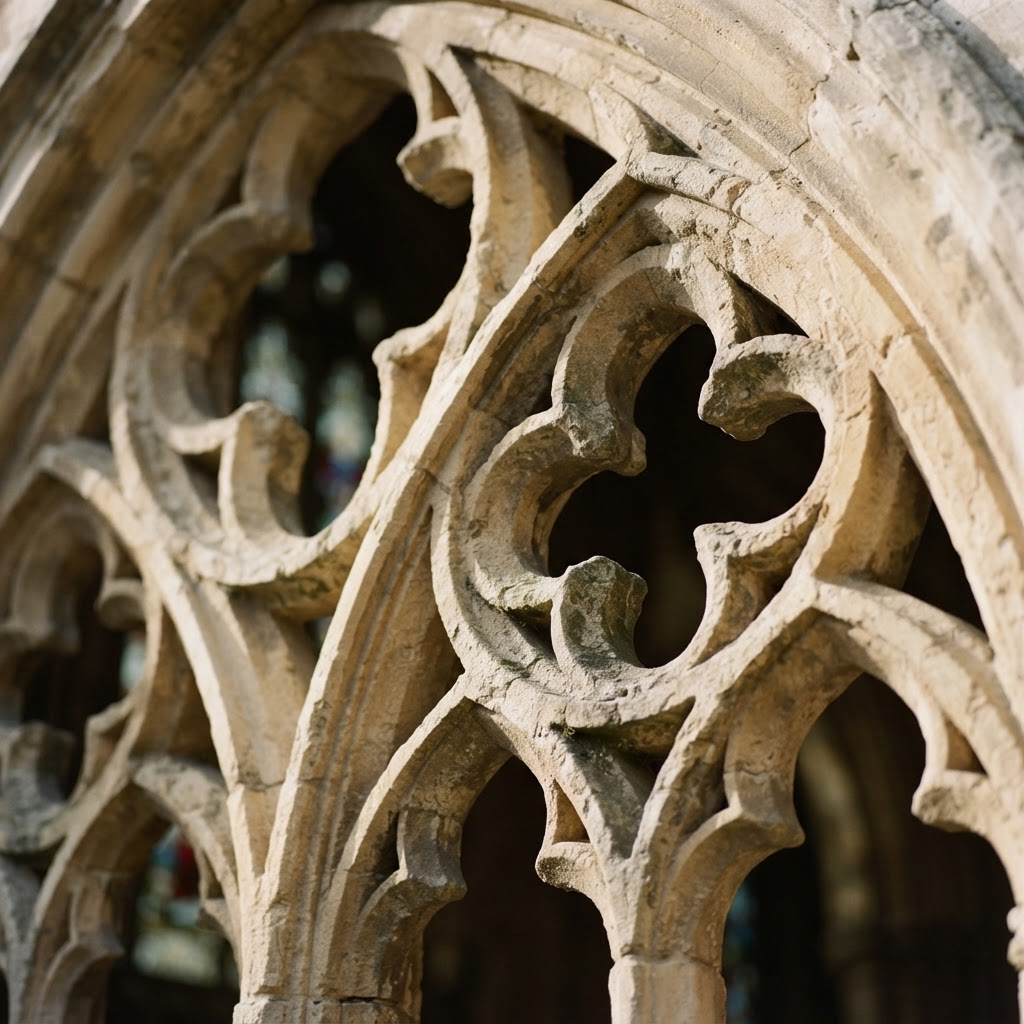
11 Types of Gothic Windows
Medieval Gothic windows
1. Lancet windows. The earliest and simplest Gothic window: tall, narrow and topped with a sharp pointed arch. Lancets are often grouped in twos, threes or fives, and their elegant simplicity is typical of the Early English Gothic style.
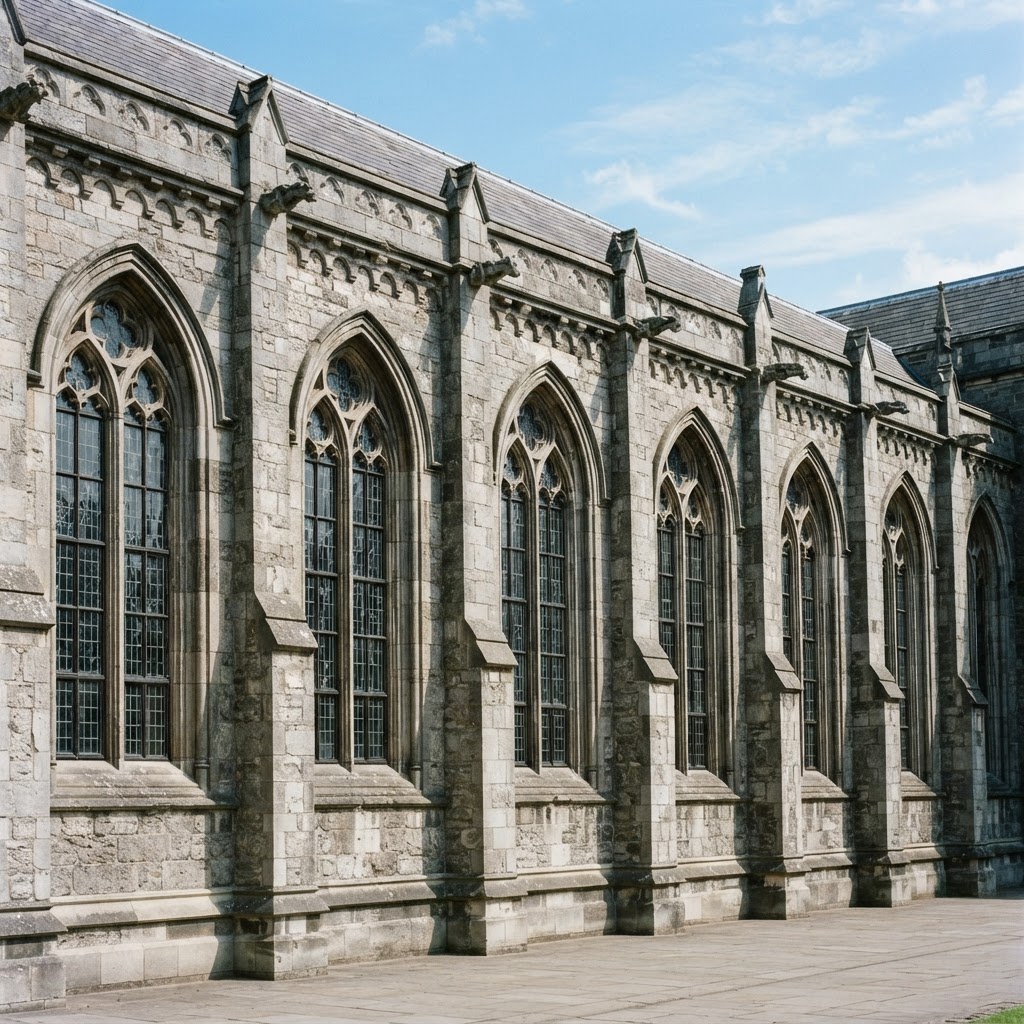
2. Plate tracery. Early Gothic builders cut small openings, such as circles or quatrefoils, through a solid plate of stone above a pair of lancets. It's the first step towards true tracery.
3. Bar tracery. From the 13th century, slender stone bars, or mullions, divided the window into lights and branched into patterns at the top, allowing much bigger areas of glass.
4. Geometric tracery. Bar tracery arranged in circles, trefoils and quatrefoils creates crisp, mathematical patterns at the head of the window.
5. Curvilinear tracery. In the 14th century, tracery became flowing and flame-like, with S-shaped curves that seem almost to move. It's sometimes called Decorated or flowing tracery.
6. Perpendicular windows. Typical of late English Gothic, Perpendicular windows are dominated by strong vertical mullions and horizontal transoms, creating a grid of tall panels across enormous windows.
7. Rose windows. Great circular windows with radiating tracery, usually set in the west front or transepts of a cathedral, are among the most spectacular achievements of Gothic art. A smaller version makes a lovely feature in a home, alongside other round windows.
8. Ogee-arched windows. An ogee arch has an S-shaped curve on each side, rising to a point. It's a decorative, slightly exotic shape that became popular in the later Middle Ages and again in Gothic Revival homes.
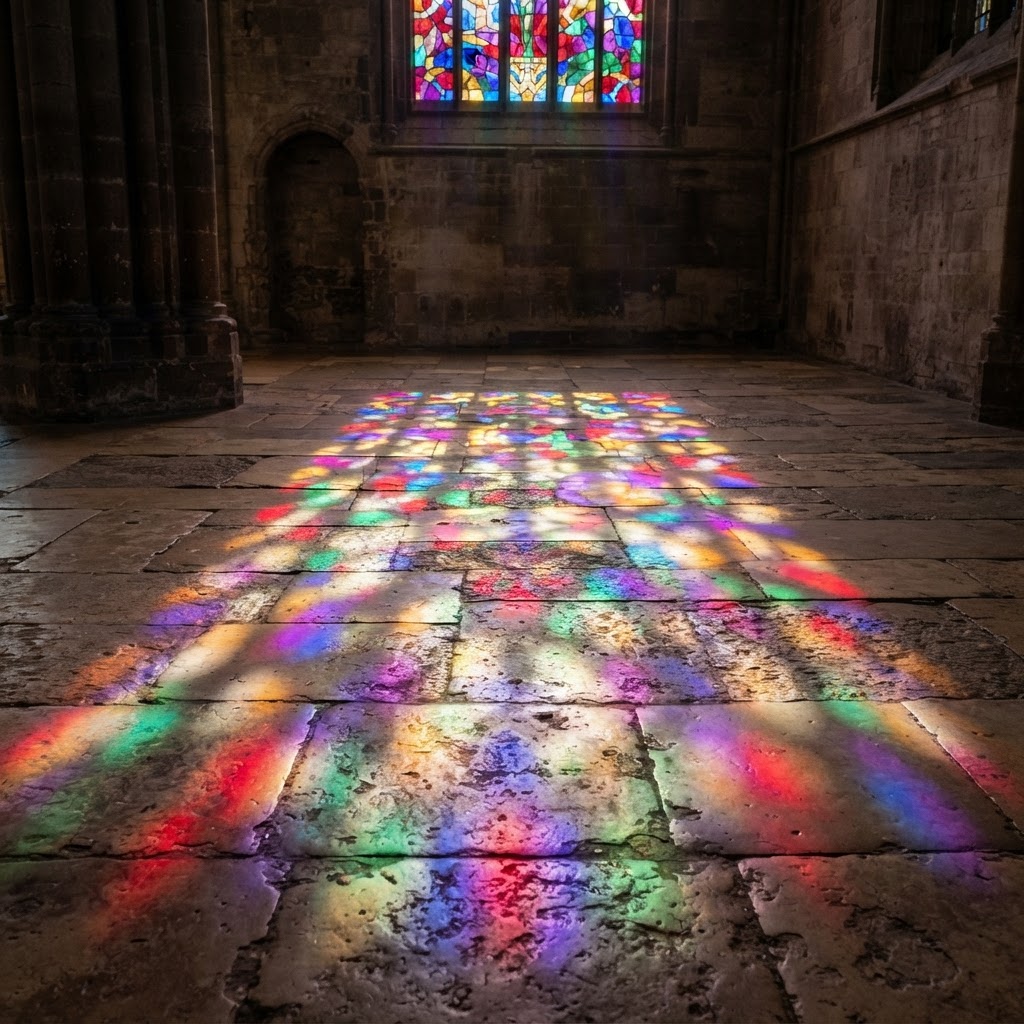
9. Stained glass windows. Coloured glass held together with strips of lead told Bible stories to people who couldn't read and filled churches with jewel-like light. Even a small panel of stained glass in a hallway or landing brings that magic home.
Gothic Revival and modern Gothic windows
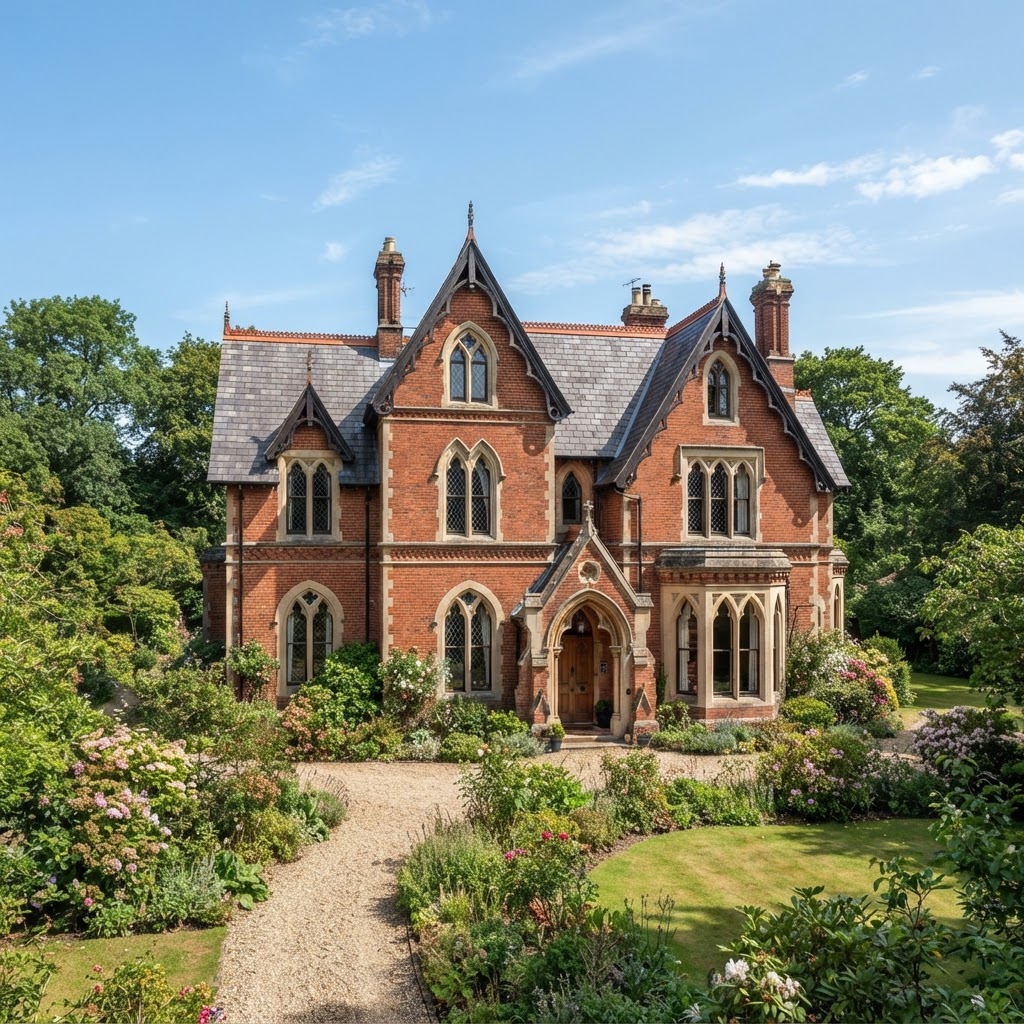
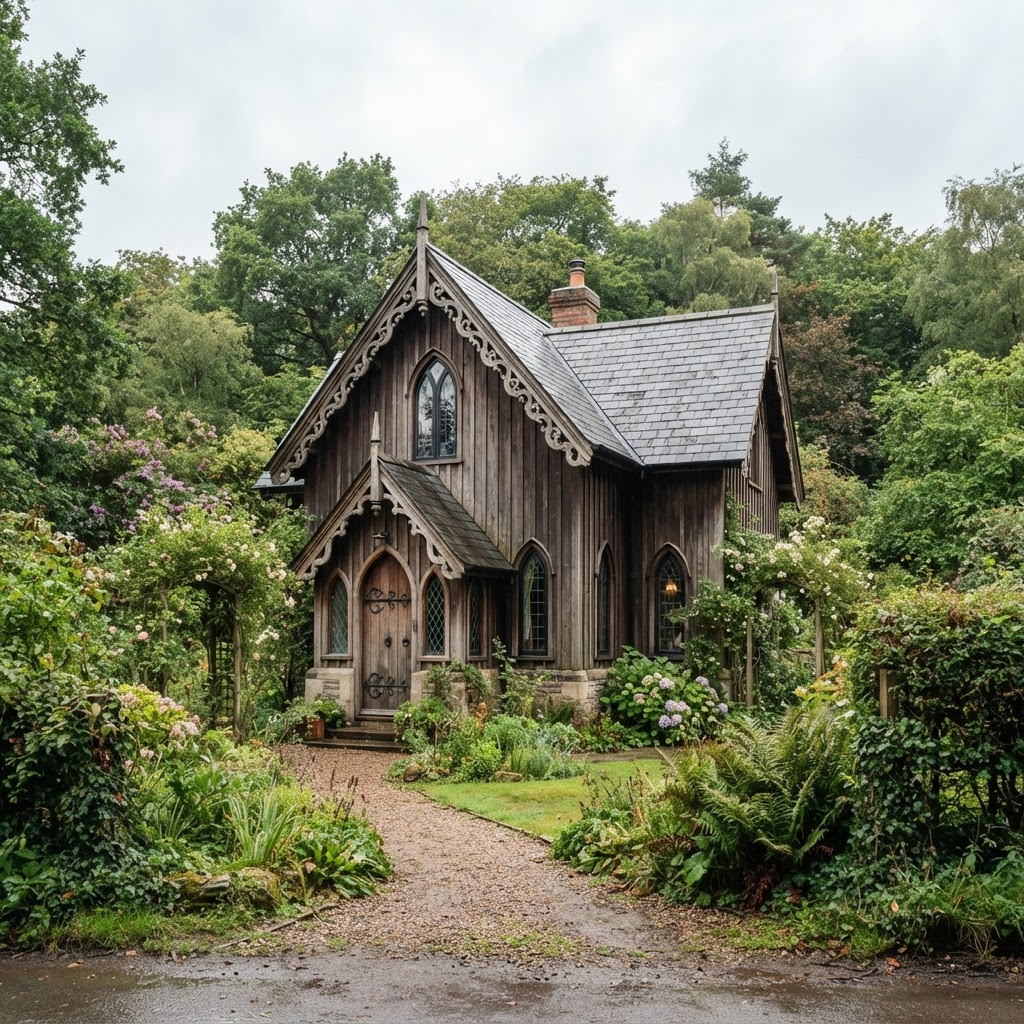
10. Gothic Revival windows. From the mid-18th century and especially in the Victorian era, architects revived Gothic forms for churches, universities, country houses and even suburban villas. In America, Carpenter Gothic cottages translated pointed windows and decorative bargeboards into timber, and in the early 20th century the style even dressed some of the first skyscrapers, as in many of the 1920s architecture styles.
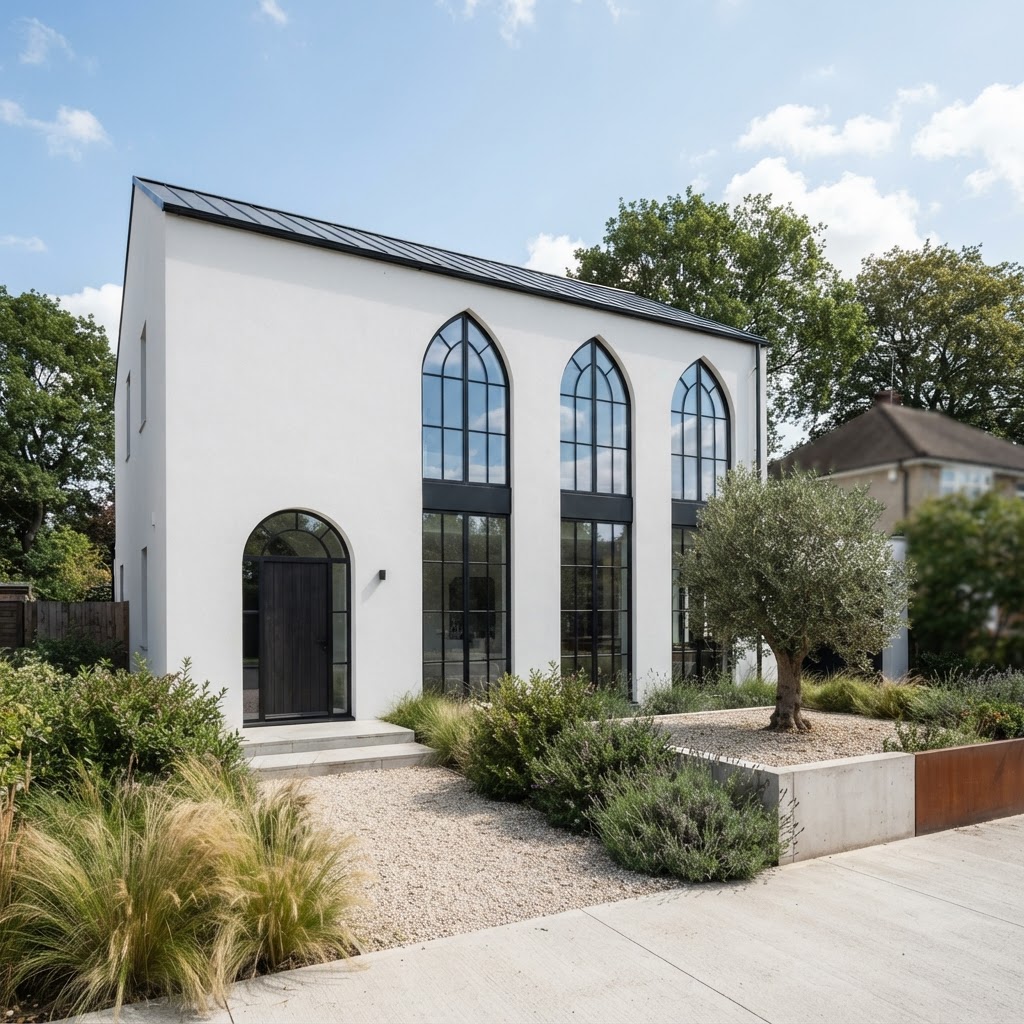
11. Modern Gothic arch windows. Today, tall pointed-arch windows with slim black frames give modern houses a dramatic, romantic edge without any of the medieval detail.
Gothic Architecture in Poland
Growing up in Poland, I was surrounded by Gothic buildings, though most of them weren't built of pale stone but of rich red brick. Northern Poland in particular is full of brick Gothic churches, town halls and castles, including the vast castle at Malbork, and their tall pointed windows look wonderful against the warm brick. They're a big part of the story of Polish architecture and the many castles in Poland, and they're one of the reasons I love a pointed arch so much.
How to Bring Gothic Style Into Your Home
You don't need a cathedral to enjoy Gothic style. A few well-chosen pointed arches can transform a room.
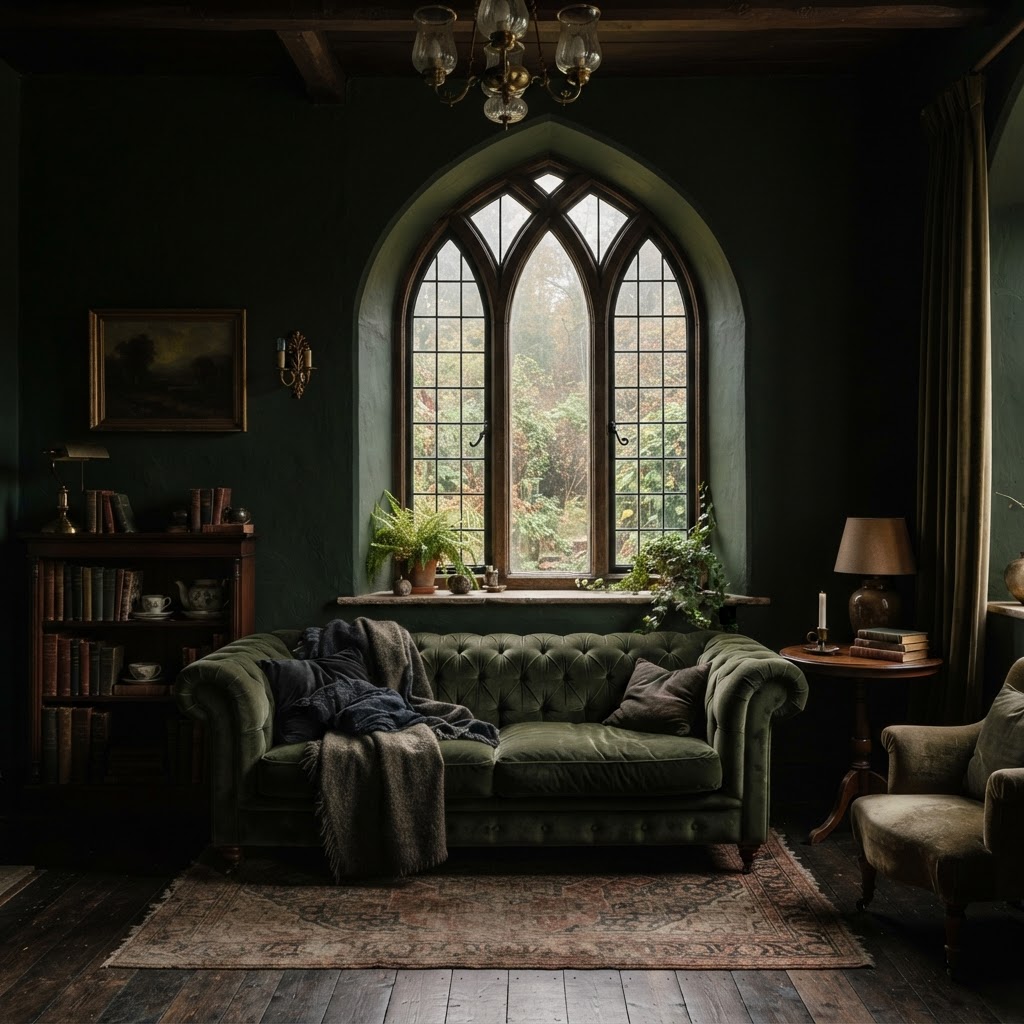
- Choose a pointed-arch window. If you're building or renovating, a tall arched window in a stairwell, bedroom or living room makes a dramatic statement.
- Use an arched mirror. A tall, pointed-arch mirror gives the look instantly, and an antiqued mirror adds a wonderfully aged feel.
- Add arched doors. Pointed-arch glazed doors to the garden feel romantic and grand.
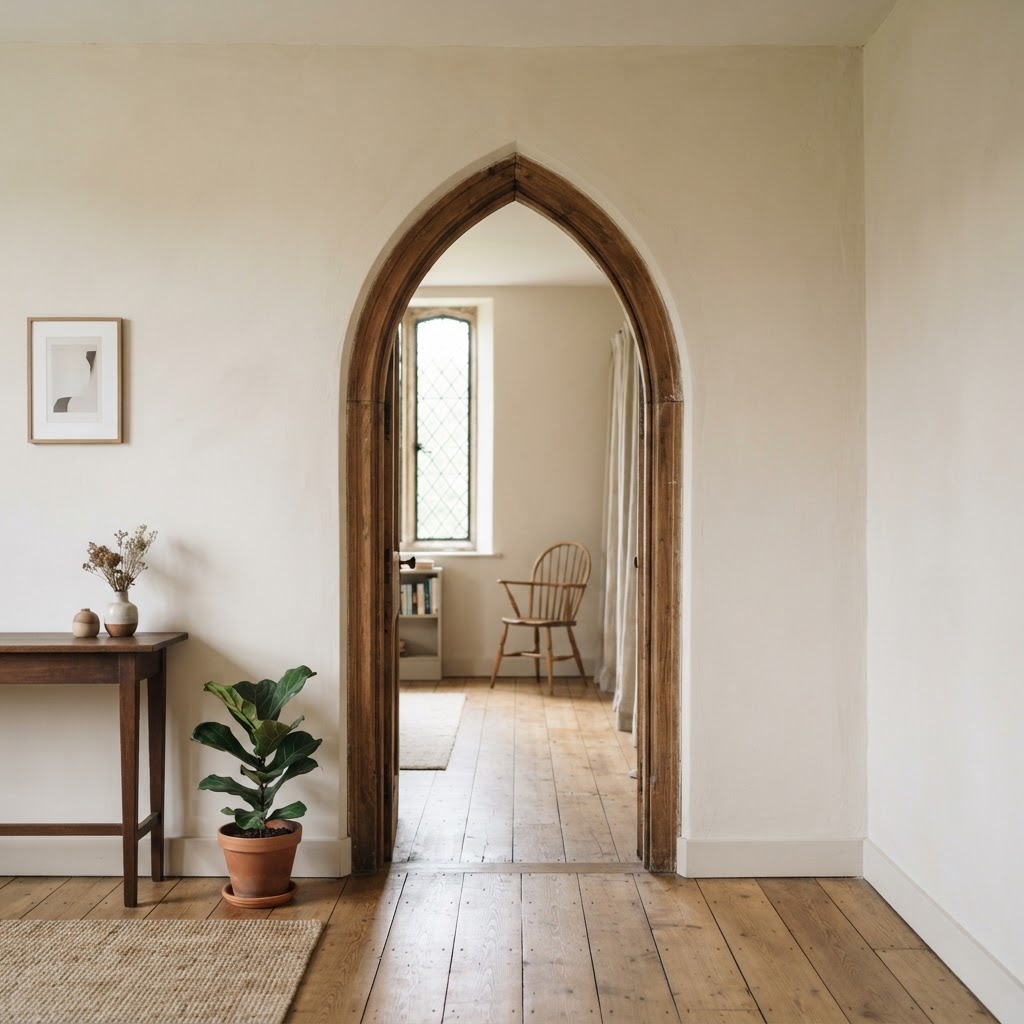
- Shape a doorway. Reshaping an internal doorway into a pointed arch is a subtle, architectural nod to the style.
- Go moody. Deep green, burgundy, ink blue and charcoal walls with velvet, brass and candlelight bring out the romance of Gothic design.
- Add stained or leaded glass. A stained glass panel in a door or fanlight brings colour and history.
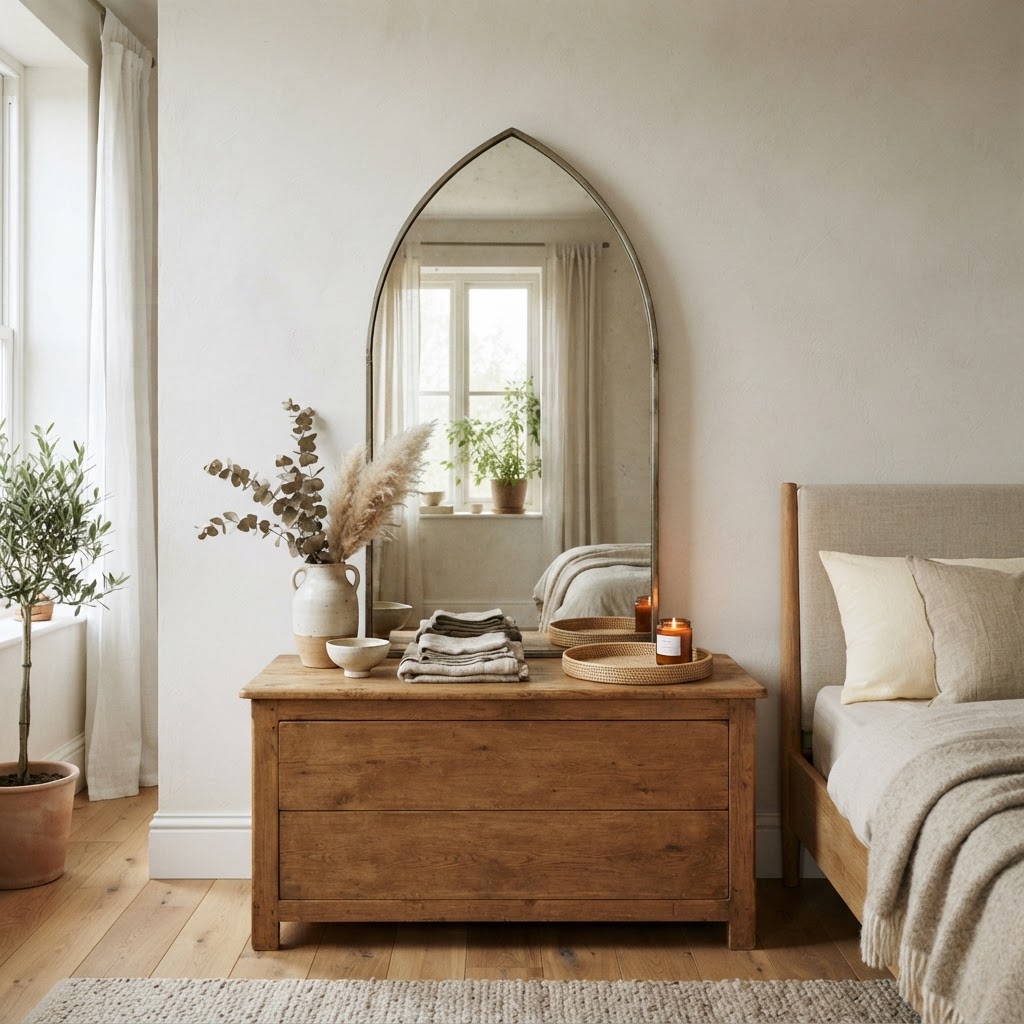
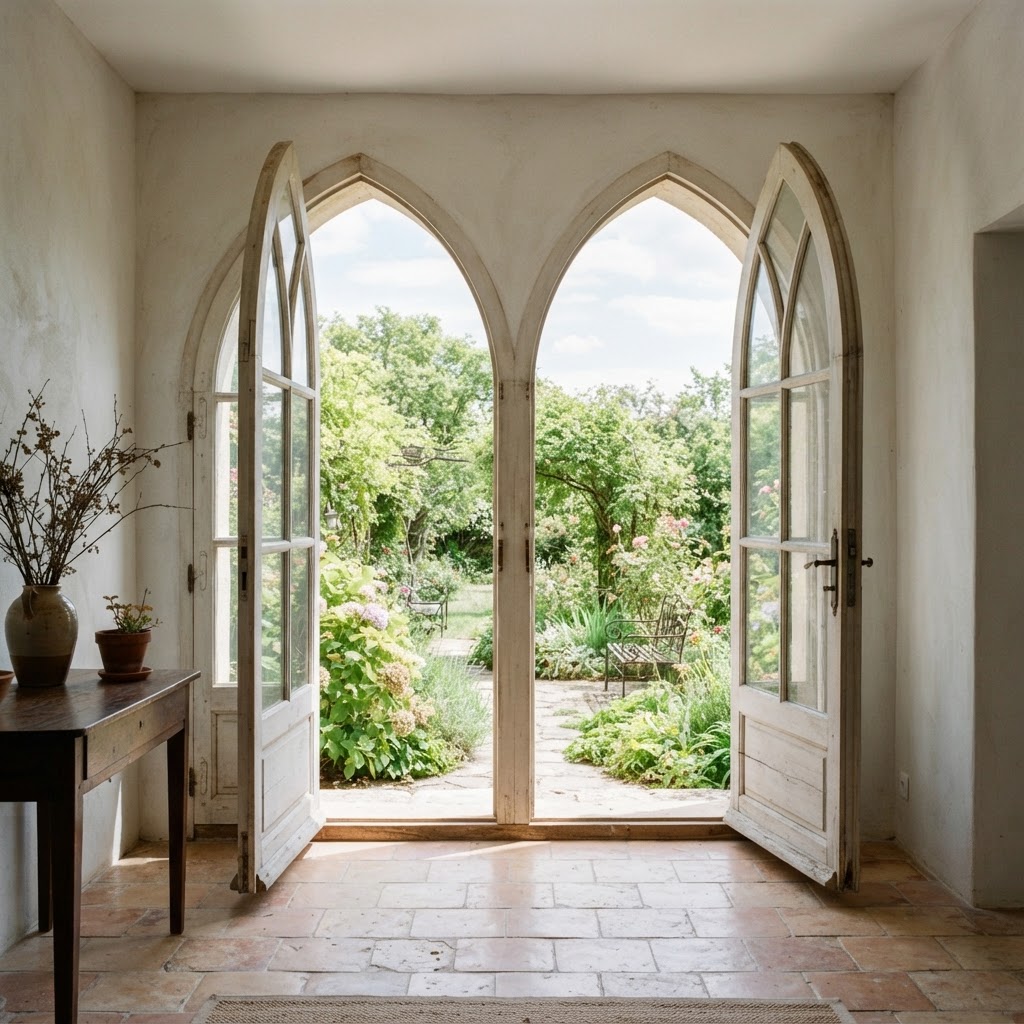
Gothic details also suit grand old houses, such as a manor house, and they look especially atmospheric when the house is dressed for autumn and Halloween decorations. Simple, slim window trim styles let the pointed shape speak for itself.
Common Mistakes to Avoid
| Mistake | Why it's a problem | What to do instead |
|---|---|---|
| Too many Gothic details | The room feels like a theatre set | Choose one or two strong pointed-arch features |
| Covering arched windows with square blinds | Hides the shape | Use custom arched shades or leave the arch bare |
| Using fake plastic tracery | Looks cheap | Choose simple, well-made frames instead |
| All-dark rooms with no light | Feels gloomy rather than romantic | Balance dark walls with lamps and candlelight |
| Removing original Gothic Revival windows | Loses period character | Repair and keep them |
| Ignoring proportion | Arches look squat or awkward | Keep pointed windows tall and slender |
Frequently Asked Questions
What are Gothic style windows?
Gothic style windows have a pointed arch at the top and are often divided by tracery and filled with stained glass. They developed in medieval Europe and were revived in the 18th and 19th centuries.
What is a Gothic window called?
A tall, narrow Gothic window is called a lancet window. Large circular Gothic windows are called rose windows, and the decorative stonework that divides Gothic windows is called tracery.
Why do Gothic windows have pointed arches?
Pointed arches direct the weight of the roof downwards more efficiently than round arches, which, together with ribbed vaults and flying buttresses, allowed builders to create taller walls with much larger windows.
What is tracery in a Gothic window?
Tracery is the ornamental stonework that supports the glass in a Gothic window, often forming circles, trefoils, quatrefoils or flowing patterns at the top.
What is the difference between Gothic and Gothic Revival windows?
Gothic windows were built in the Middle Ages, mainly from the 12th to the 16th century. Gothic Revival windows imitate the style and were built from the mid-18th century onwards, especially in the Victorian era.
Can you have Gothic windows in a modern house?
Yes. Tall pointed-arch windows with slim black or bronze frames give modern homes a dramatic, romantic feel without medieval detail.
How do you decorate with Gothic style?
Use pointed-arch mirrors, doorways or windows, moody colours, velvet, brass and candlelight, and a touch of stained or leaded glass, but keep the number of Gothic details in balance.
Arches That Lift the Spirit
Gothic windows have inspired awe for almost nine centuries, and their pointed arches still bring drama and romance to homes today. Whether you add a single arched mirror or build a soaring pointed window, a little Gothic magic goes a long way.
And if you'd like help adding character and drama to your home, you can book a one-hour online interior design consultation with me.
About the author
Magda Callery is a UK interior designer and florist with more than 15 years' experience designing homes, pubs, restaurants and bars, and her expert commentary has featured in Homes & Gardens, The Mirror and The Spruce. Explore more of the interior design articles.
Continue reading


Girls' Bedroom Ideas: 17 Ideas From Toddler to Teen
17 girls' bedroom ideas for every age, from floor beds, canopies and woodland themes to bunk beds, cabin beds and grown-up teen rooms, plus colours, planning and safety tips.


Hallway Storage Ideas: 17 Clever Ways to Store More
17 hallway storage ideas for narrow and large hallways, from slim shoe cabinets and peg rails to floor-to-ceiling cupboards, under-stairs drawers and IKEA PAX hallway hacks.


1930s Architecture: 13 Styles That Defined the Decade
13 architecture styles of the 1930s, from Art Deco and Streamline Moderne to the British semi and Tudor Revival, plus how to spot a 1930s house and get the look.