
Colour Psychology of Grey: What It Does to a Room
The colour psychology of grey explained by an interior designer: what the research really says, warm vs cool and light vs dark greys, and how to make grey feel calm, not cold.
By Magda Callery, interior designer
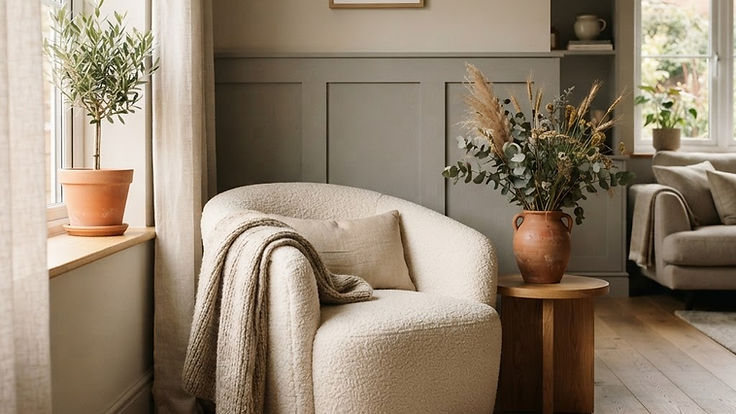
Grey divides opinion like no other colour. For years it was the safe, sophisticated choice for every room in the house. Now some people say it's cold, gloomy and even bad for your mood. So which is it?
The honest answer is that grey isn't one colour. A soft, warm grey in a sunny room feels completely different from a cold, flat grey in a dark one. In this guide I'll explain what the psychology of grey really is, what the research does and doesn't say, how light and dark, warm and cool greys affect a room, which rooms suit grey best, and how to use it so it feels calm and welcoming rather than drab.
What Does Grey Mean in Colour Psychology?
Grey sits between black and white, so it's naturally associated with balance and neutrality. It's the colour of stone, concrete, storm clouds and silver, which explains why people describe it in such different ways.
| Positive associations | Negative associations |
|---|---|
| Calm and restful | Dull or flat |
| Balanced and neutral | Detached or unemotional |
| Sophisticated and timeless | Sad or gloomy |
| Practical and grounded | Low in energy |
| Quiet, a backdrop for other colours | Cold, especially in poor light |
Which side grey falls on depends almost entirely on which grey you choose and how you use it.
What the Research Says About Grey
Colour psychology is often presented as fact, but the science is more cautious.
- Grey and mood. In a 2010 study, researchers at the University of Manchester created the Manchester Colour Wheel to help people describe their feelings using colour. Healthy volunteers most often chose a shade of yellow to represent their mood, while people with anxiety or depression most often chose grey. Interestingly, both groups were still drawn to yellow and chose blue as their favourite colour.
- What that does and doesn't mean. The study shows that people link grey with low mood. It doesn't show that painting your walls grey will make you feel low.
- The bigger picture. In a 2015 review of colour psychology research, psychologist Andrew Elliot concluded that the field is still at a "nascent stage of development", with many studies using small samples. He also pointed out that lightness and saturation matter, not just the colour itself.
That last point is the most useful one for your home. A pale, warm grey and a deep, cool charcoal are both "grey", but they behave very differently. So rather than asking whether grey is good or bad, it's better to ask which grey suits your room, your light and the mood you want.
Why Grey Can Feel Cold or Depressing
When people dislike grey, it's usually for one of these reasons:
- A cool grey in a north-facing room. Cool, blue-based greys in cool northern light can look flat and chilly.
- Too much of one grey. Grey walls, grey sofa, grey carpet and grey curtains with nothing to break them up feels lifeless.
- No texture. Grey on smooth, flat surfaces has nothing to catch the light.
- Cold lighting. Cool white bulbs make grey look even colder.
- Nothing natural. Without wood, plants or natural fabrics, a grey room can feel more like an office than a home.
The good news is that all of these are easy to fix.
Light, Mid and Dark Greys
| Type of grey | How it feels | Best for |
|---|---|---|
| Pale grey | Light, airy and calm, but can look cold in poor light | Bright rooms, ceilings, small spaces with good daylight |
| Mid grey | Grounded and balanced, can feel flat if overused | Living rooms, kitchens, a backdrop for art |
| Dark grey and charcoal | Cosy, cocooning and dramatic | Bedrooms, snugs, studies, feature walls, kitchen islands |
Dark greys often feel warmer and more intentional than mid greys, because they create a cocooning, enveloping effect, especially with warm lighting and natural textures.
Warm vs Cool Greys
| Warm greys | Cool greys | |
|---|---|---|
| Undertone | Yellow, red or brown | Blue or green |
| Mood | Cosy, soft and welcoming | Crisp, fresh and calm |
| Best light | North-facing and darker rooms | South-facing and very bright rooms |
| Pairs with | Oak, brass, terracotta, cream, sage | White, chrome, navy, black, crisp linen |
How to spot the undertone: hold the sample against a sheet of pure white paper. If it looks slightly beige, brown or pink, it's warm. If it looks slightly blue or green, it's cool. Greys with a lot of beige are often called greige, which sits halfway between grey and beige and is one of the easiest neutrals to live with.
Using Grey Room by Room
Living rooms
A warm grey makes a calm, sophisticated backdrop for a living room, especially with plenty of texture and wood. In a small living room, a pale grey used on walls and woodwork can make the space feel bigger. My small living room ideas explain how.
Bedrooms
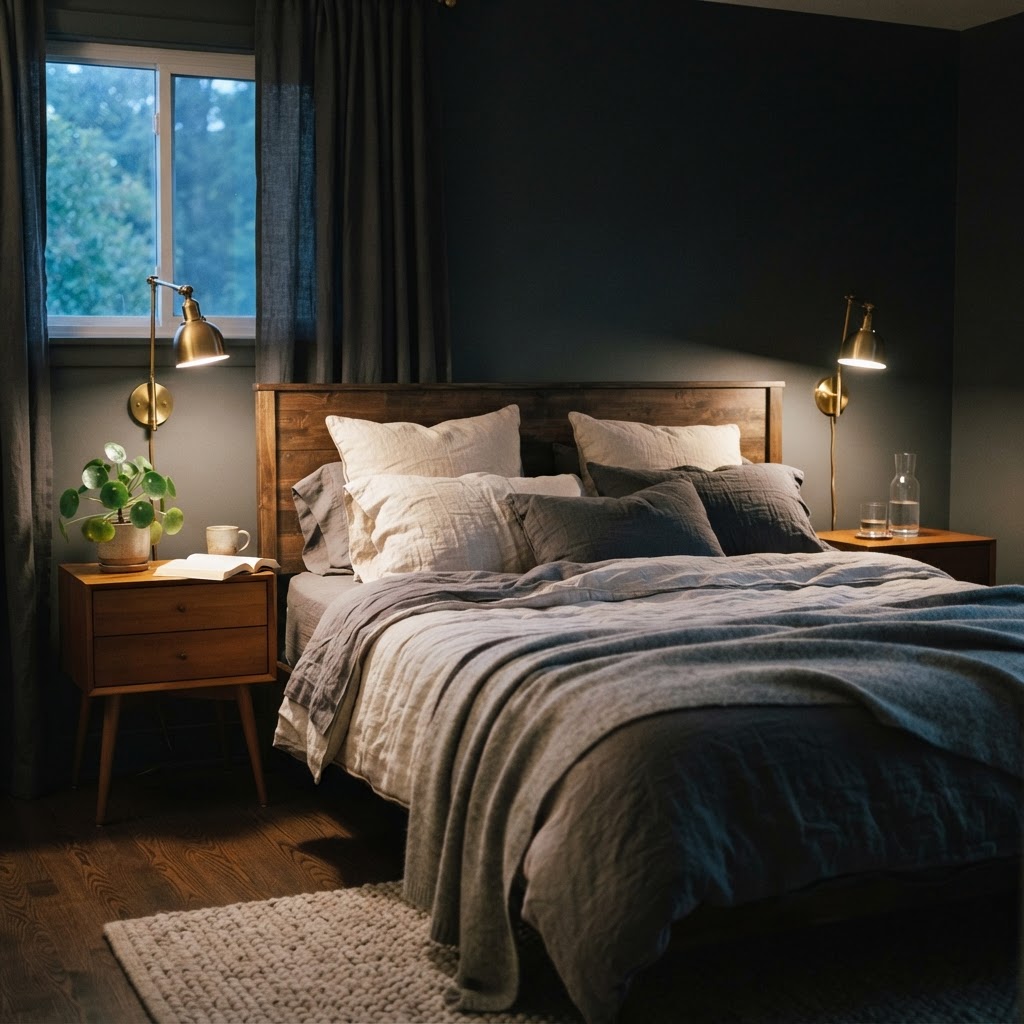
Some people avoid grey in bedrooms altogether, but I'd say it depends on the grey. A flat, cold mid grey can feel unwelcoming, but a deep charcoal or a warm grey creates a cocooning, restful bedroom, especially with soft lighting and layered bedding. My cosy autumn bedroom ideas show how to make a darker bedroom feel warm.
Kitchens
Grey kitchen cabinets are practical and timeless. Warm greys pair beautifully with oak, marble and brass, while cooler greys suit white worktops and stainless steel.
Home offices
Grey's quiet, neutral quality can help a workspace feel focused and uncluttered. To stop it feeling flat, add a warm desk lamp, natural wood and plants, or pair it with a calming green. My home office design ideas have more tips.
Bathrooms
Grey stone, slate and concrete-effect tiles feel spa-like and calm, especially with warm wood, white towels and soft lighting.
Hallways
A hallway is often dark, so choose a warm grey or a soft greige rather than a cool grey. In period homes, stone greys suit traditional architecture beautifully, as I explain in my guide to Georgian hallway ideas.
Children's rooms and playrooms
Grey can work as a calm backdrop, but children's spaces usually benefit from more colour. Use grey as a base and add warmth and personality with colourful textiles, art and toys.
How to Make Grey Feel Warm and Uplifting
- Choose a warm undertone if your room faces north or gets little light.
- Layer different greys. Combine light and dark shades, and different finishes, so the room has depth.
- Add texture. Wool, bouclé, linen, velvet, sheepskin and woven baskets catch the light and soften grey.
- Bring in wood. Oak, walnut and rattan instantly warm a grey scheme.
- Use warm lighting. Choose warm white bulbs (around 2700K) and use lamps rather than a single ceiling light.
- Add plants. Greenery brings life and colour to grey.
- Use warm metals. Brass, bronze and copper feel richer against grey than chrome.
- Introduce a colour you love through cushions, art, rugs or a painted piece of furniture.
Colours That Go With Grey
| Colour | Effect | Where to use it |
|---|---|---|
| Warm white | Fresh and soft, lifts grey | Woodwork, ceilings, kitchens |
| Sage green | Natural and calming | Living rooms, bedrooms, kitchens |
| Terracotta | Warm and earthy, balances cool greys | Accents, cushions, pots, feature walls |
| Navy and inky blue | Rich and sophisticated | Kitchen islands, front doors, bedrooms |
| Mustard and soft yellow | Uplifting and energising | Cushions, art, accent chairs |
| Blush pink | Soft and gentle | Bedrooms, living rooms |
| Black | Crisp and graphic | Frames, lighting, hardware |
Some ideas to explore:
- Grey and warm white. Use a soft white on woodwork and ceilings. My guide to Farrow & Ball Wimborne White explains why a warm white works so well.
- Grey and green. One of my favourite combinations. See my guide to the best green paint colours.
- Grey and terracotta. The perfect way to warm up a cool grey. My terracotta colour guide shows how.
- Grey and inky blue. Sophisticated and timeless. Read my review of Dulux Ink Well.
- Grey and yellow. A bright, uplifting accent, and interestingly, yellow is the colour most people in the Manchester study linked with a positive mood.
For a whole-house scheme, my step-by-step guide to choosing the perfect colour palette shows how to build a palette around a neutral.
Is Grey Still in Fashion?
The trend for cool, all-grey interiors has softened, and many people now prefer warmer neutrals, greige, earthy colours and greens. But grey isn't dated when it's used well. Warm greys, deep charcoals and stone colours remain timeless, especially when they're layered with texture, wood and colour. What feels dated is the cold, flat, all-grey look.
How to Choose the Right Grey
- Check the direction your room faces. North-facing rooms need warm greys; south-facing rooms can take cooler ones.
- Test large samples. Paint two coats on a large sheet of paper and move it around the room.
- Look at it at different times of day, and under your own lighting at night.
- Compare it with your fixed elements, such as flooring, kitchen units and sofa.
- Decide on the mood first. Light and airy, calm and balanced, or cosy and cocooning?
Frequently Asked Questions
What does the colour grey mean psychologically?
Grey is associated with balance, neutrality, calm and sophistication, but also with dullness, detachment and low mood. How it feels in a room depends largely on the shade, the undertone, the light and what you pair it with.
Is grey a depressing colour?
Grey isn't depressing in itself. A 2010 University of Manchester study found that people with depression were more likely to choose grey to describe their mood, but that doesn't mean grey walls cause low mood. Cold, flat greys in dark rooms can feel gloomy, while warm, layered greys feel calm and welcoming.
Is grey a calming colour?
Yes, soft and warm greys can feel very calming, especially when combined with natural textures, wood and warm lighting. Very cool, flat greys can feel cold rather than calm.
Is grey good for a bedroom?
It can be. A deep charcoal or a warm grey with soft lighting and layered bedding creates a cosy, restful bedroom. Avoid cold, flat mid greys in a north-facing bedroom.
What colours make grey feel warmer?
Terracotta, mustard, blush pink, warm whites and natural wood all warm up grey, as do brass and bronze accents and warm white lighting.
What is the difference between warm and cool grey?
Warm greys have yellow, red or brown undertones and feel cosy. Cool greys have blue or green undertones and feel crisp and fresh. Warm greys suit north-facing rooms; cool greys suit bright, south-facing rooms.
Is grey out of fashion?
All-grey, cool interiors are less fashionable than they were, but warm greys, greige and charcoal remain timeless when they're layered with texture and colour.
The Verdict
The psychology of grey isn't black and white. Grey can be calm, sophisticated and restful, or flat and gloomy, depending on the shade you choose, the light in your room and how you style it. Choose the right undertone, layer it with texture, wood and warm light, and add a colour you love, and grey becomes one of the most versatile colours in your home.
If you'd like help choosing the right grey, or the right colour for any room, you can book a one-hour online interior design consultation with me. For more ideas, browse my decorating articles.
About the author
Magda Callery is a UK interior designer with more than 15 years' experience designing homes, pubs, restaurants and bars, and her expert commentary has featured in Homes & Gardens, The Mirror and The Spruce. Explore more of the decorating articles.
Continue reading


Wimborne White Farrow and Ball: A Designer's Guide
Farrow & Ball Wimborne White No. 239 explained by an interior designer: undertone, how it looks in every light, how it compares with Pointing and All White, and what to pair it with.

Can You Reuse Peel and Stick Wallpaper? An Honest Guide
Can you reuse peel and stick wallpaper? Sometimes, but don't count on it. How to remove, store and rehang panels, and clever ways to reuse them.

Behr Dry Plus vs Drylok: Which Waterproofer Is Better?
BEHR Dry Plus vs DRYLOK compared spec by spec from the official data sheets, with a clear verdict, prep and application steps, and UK alternatives.